Blog
Single Post
Snoring Ring Comfort: What to Expect at Night
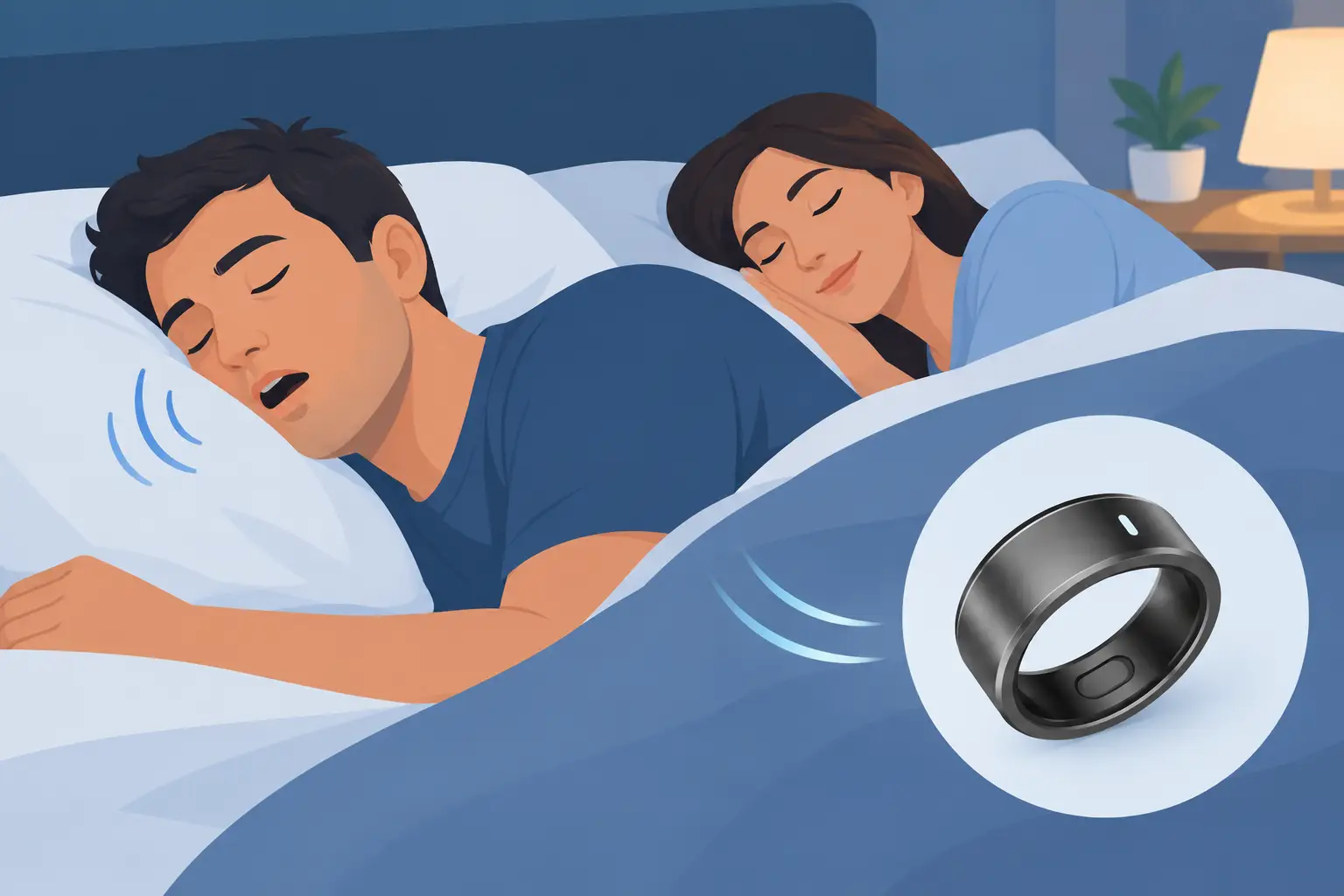
A snoring ring should not feel like another sleep problem to solve. Snoring ring comfort comes down to a light, secure fit on the little finger: noticeable enough to stay in place and apply gentle acupressure, but never so tight that it leaves you counting the minutes until morning.
For many snorers and their partners, that is precisely the appeal. There is no bulky mouthguard, no face mask, no medication and no complicated bedtime set-up. But comfort is not an afterthought. It is a major part of whether you will wear an anti-snoring ring consistently enough to judge whether it helps.
What should a snoring ring feel like?
A well-fitted anti-snoring ring should sit snugly on your little finger without pinching, throbbing or restricting movement. You may be aware of it when you first put it on, particularly if you do not usually sleep wearing jewellery. Within a few nights, most people who have the right fit stop paying much attention to it.
The pressure points on the inside of the ring are designed to rest against specific areas of the little finger. That light, targeted contact is the point of the design. It is not meant to create pain, numbness or a deep indentation in your skin.
There is a useful distinction between present and uncomfortable. A ring that you can feel is not necessarily a problem. A ring that makes your finger cold, tingly, swollen or sore is too tight, poorly positioned, or simply not right for you.
Why fit matters for snoring ring comfort
Anti-snoring rings work differently from passive jewellery. Their shape and inner contact points are intended to apply gentle pressure while you sleep. If the fit is too loose, the ring may rotate or move away from the intended position. If it is too tight, comfort suffers and you are less likely to keep wearing it.
Finger size also changes more than people expect. Heat, salt intake, alcohol, exercise and even the time of day can affect swelling. A ring that feels perfect in the morning may feel restrictive late in the evening. That is why it is sensible to assess your fit at the time you normally go to bed, not just when the ring arrives.
For the best chance of a comfortable night, the ring should slide over the knuckle with modest resistance and rest securely at the base of the little finger. It should not need force to remove in the morning. If you have to tug hard, or if removing it leaves lasting marks and discomfort, choose a different size.
Give yourself a short settling-in period
The first night is rarely the best test of any sleep aid. You may notice the ring simply because it is new, much as you might notice a new pillow or a different duvet. Wear it for a few evenings before deciding whether the sensation is genuinely uncomfortable.
Start by putting it on shortly before bed rather than hours earlier. This lets you check that your finger still feels normal as you wind down. If you wake during the night, take a moment to notice whether the ring has shifted or whether it is causing pressure. A small adjustment before you fall asleep again may be all that is needed.
It is also worth keeping expectations realistic. Comfort should improve as the ring becomes familiar, but pain should not be something you “push through”. A natural, non-invasive approach is meant to make bedtime easier, not add another irritation to it.
Small habits that make the ring easier to wear
Clean, dry skin makes a surprising difference. Moisturiser, hand cream and water can make the ring slide or rotate, while residue can make any close-fitting ring feel less pleasant. Put it on after your evening skincare routine has absorbed and your hands are dry.
Keep your nails and the skin around your little finger in good condition, especially if you are prone to dry or cracked skin in winter. If the finger is irritated, injured or swollen, allow it to recover before wearing a ring overnight.
Your sleeping position can matter too. Side sleepers often find a snoring ring particularly unobtrusive because their hands naturally rest near the pillow or chest. If you sleep with your hand tucked tightly beneath your head, a ring may press into the finger more than usual. Try resting your hand beside the pillow or under the duvet instead. A minor change in hand position can make a major difference to comfort.
When the ring does not feel right
Take the ring off if you experience numbness, tingling, a change in finger colour, swelling, persistent pain or broken skin. These are not signs that the ring is “working harder”. They are signs that you should stop wearing it and reassess the size and fit.
People with reduced circulation, nerve conditions, significant arthritis in the fingers, skin sensitivities or hand swelling should be particularly cautious. If you are unsure whether an acupressure ring is suitable for you, seek advice from a qualified healthcare professional before using one overnight.
An anti-snoring ring is also not a substitute for medical assessment where there are signs of obstructive sleep apnoea. Loud habitual snoring combined with breathing pauses, choking or gasping during sleep, severe daytime tiredness, morning headaches or high blood pressure deserves proper attention. Simple snoring and sleep apnoea are not the same thing, and comfort should never come before safety.
The comfort trade-off: subtle pressure versus bulky devices
Every anti-snoring option involves a trade-off. Mouthpieces can be effective for some people, but many find them intrusive, dry-mouth inducing or difficult to tolerate. Nasal strips are simple but may irritate sensitive skin and are not designed for every cause of snoring. Medication can bring side effects and is not a dependable answer to ordinary snoring.
A ring offers a different proposition: subtle, wearable acupressure with no batteries, straps or moulding process. Its advantage is discretion. You can pack it for a weekend away, put it on in seconds and sleep without feeling as though you are wearing medical equipment.
That simplicity does not mean it works for everyone. Snoring has several potential causes, including nasal congestion, alcohol, sleep position, weight, anatomy and underlying health conditions. A ring may be a practical option for simple snoring, especially for people who want to avoid more invasive devices, but it cannot promise the same result for every sleeper.
How to judge comfort and results fairly
Do not base your decision on one restless night. Give the ring a reasonable trial, wearing it correctly and consistently. Ask your partner what they notice, since they are often the best judge of changes in snoring volume and frequency. If you sleep alone, a snore-recording app can offer a useful pattern over several nights, although it is not a medical diagnosis.
Assess two things separately: whether the ring is comfortable enough to wear all night, and whether your snoring appears to be improving. A product can feel comfortable yet not address your particular type of snoring. Equally, it may take a few nights for both you and your partner to notice a reliable change.
The Good Night Anti-Snoring Ring was created for people who want the original clinically trialled stop snoring ring without committing to an intrusive nightly device. A proper sizing choice and a fair trial are central to that experience. If it is not comfortable or does not suit you, a clear money-back guarantee gives you a straightforward way to make that decision without being left with another unused remedy in the drawer.
A calmer bedtime starts with comfort
The best anti-snoring solution is one you can actually live with. That means a secure fit, gentle contact, no pain and a routine simple enough to repeat every night. If your ring feels light on the finger and lets you forget about it, you have given it the best possible chance to do its job – while you and the person beside you get back to quieter, more restful nights.