Blog
Single Post
Your Complete Guide to Positional Snoring
A quiet night can change the mood of an entire household. If your partner only snores when they roll onto their back, or you wake yourself with a loud snort in one position but not another, this complete guide to positional snoring can help you make sense of the pattern – and decide what to do next.
Positional snoring is common, and it is often one of the more practical types of snoring to address. The key is not to accept every noisy night as inevitable. A few well-chosen changes can make a real difference, but persistent or worrying symptoms should never be brushed aside.
What is positional snoring?
Positional snoring is snoring that becomes noticeably worse in a particular sleeping position, most commonly when lying on your back. You may be quiet on your side, then begin snoring soon after turning face-up. For some people, the difference is dramatic. For others, changing position reduces the volume without stopping snoring entirely.
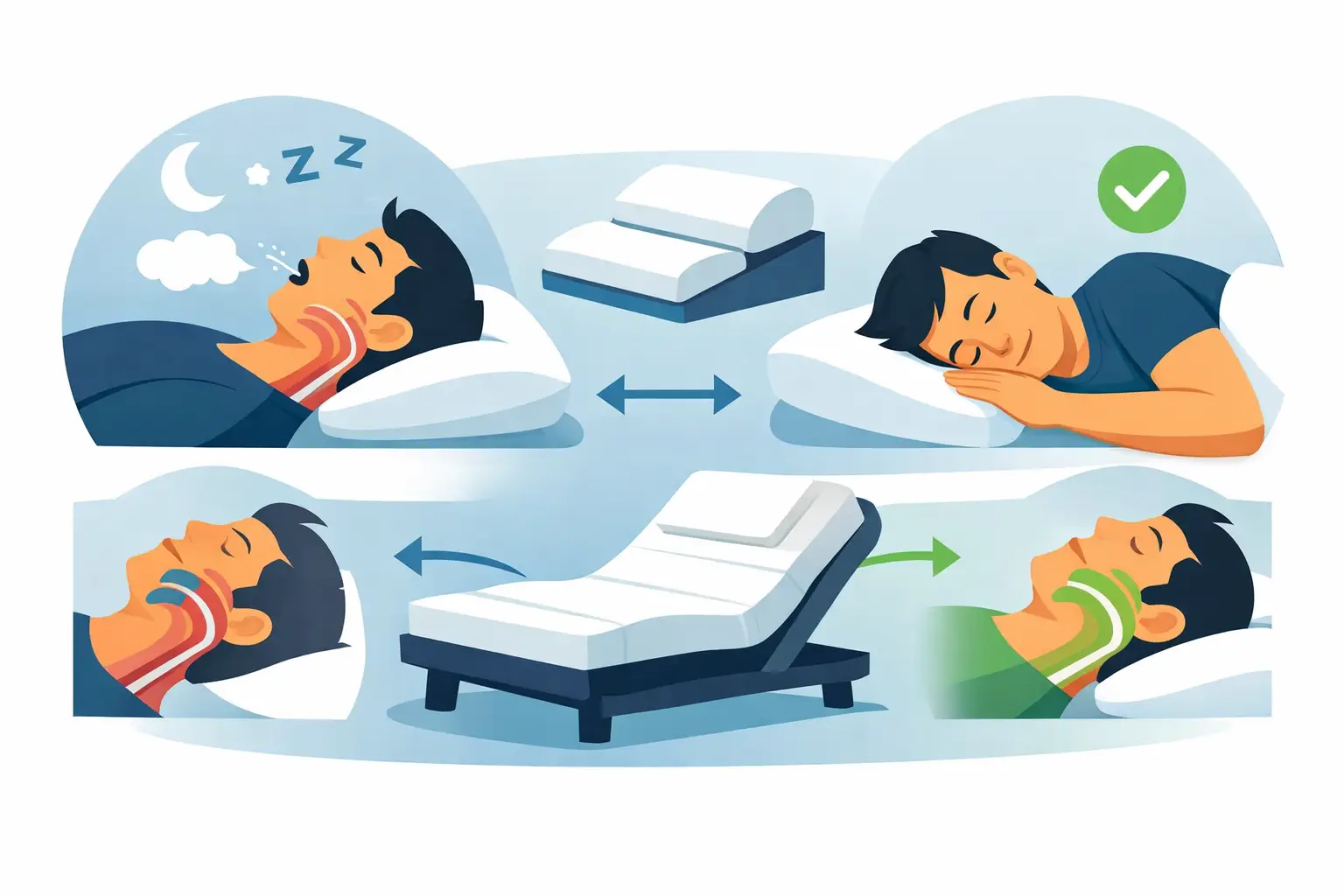
Snoring happens when airflow meets relaxed tissue in the nose, mouth and throat. As you sleep, that tissue can vibrate and create the familiar sound. On your back, gravity encourages the tongue and soft tissues towards the back of the throat. This narrows the airway, makes the air move more turbulently and can make snoring louder.
That does not mean back sleeping is automatically harmful, or that side sleeping is a guaranteed cure. Your nasal congestion, alcohol intake, weight, sleep stage and individual airway shape all play a part. But if your snoring is clearly position-dependent, your sleeping posture is a sensible place to start.
Why snoring is often louder on your back
When you lie on your side, the airway may stay more open simply because the tongue and soft palate are not falling directly backwards. When you lie flat on your back, there is less space at the back of the throat for air to pass through freely.
A pillow that leaves the head tipped too far forwards or too far backwards can add to the problem. So can a blocked nose, which encourages mouth breathing. This is why positional snoring can seem inconsistent: you might sleep quietly one night and snore heavily the next after a few drinks, during a cold or when hay fever is flaring up.
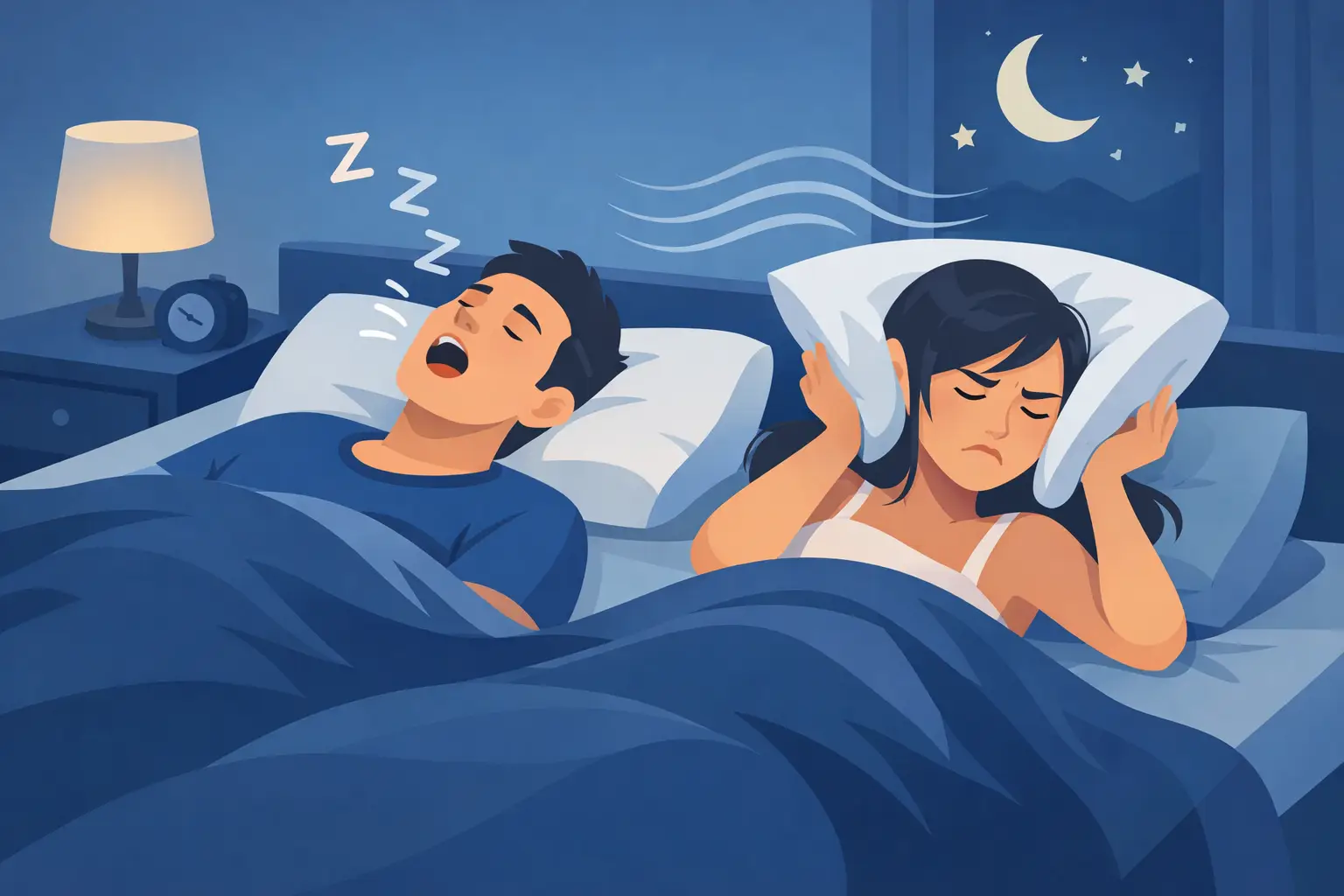
Partners are often the first to spot the pattern. If they tell you that you are quiet until you roll onto your back, take that observation seriously. It is useful information, not just bedroom frustration.
How to tell if your snoring is positional
The clearest sign is simple: your snoring happens mostly or only when you are on your back. Your partner may notice that a gentle nudge onto your side brings immediate relief. You may also notice fewer dry-mouth mornings or fewer wake-ups when you stay side-on.
Try observing the pattern over a week rather than judging it from one night. Note your bedtime, whether you drank alcohol, whether you had nasal congestion and how rested you felt in the morning. If you use a sleep-tracking app or audio recording, treat it as a useful diary rather than a diagnosis.
It may not be purely positional if you snore heavily in every position, wake gasping or choking, or remain exhausted despite enough time in bed. In those cases, position changes may still help, but they should not be your only response.
Practical ways to reduce positional snoring
Make side sleeping easier, not forced
The most effective approach is often to make your preferred side position comfortable enough to maintain through the night. Place a pillow between your knees to reduce pressure on your hips and lower back. A supportive pillow under your head should keep your neck neutral, rather than pushing your chin towards your chest.
Some people also find that hugging a body pillow helps them remain on their side. It gives the upper arm somewhere to rest and can make the position feel less restrictive. This is especially helpful if you usually turn onto your back because of shoulder discomfort.
Adjust your pillow and mattress support
There is no magic pillow that works for everybody. The right height depends on your shoulder width, mattress firmness and usual sleep position. A side sleeper generally needs enough support to fill the space between the mattress and the head, without bending the neck upwards.
Be cautious with claims that an expensive pillow alone will stop snoring. It may improve comfort and support better positioning, but it cannot correct every cause of snoring. Give any new setup several nights before deciding whether it helps.
Reduce the triggers that narrow your airway
Alcohol close to bedtime relaxes throat muscles and can make snoring worse, particularly when you sleep on your back. Sedating medicines can have a similar effect. Do not stop prescribed medicine without speaking to a clinician, but it is worth asking whether timing or alternatives should be considered.
If a blocked nose is part of the picture, look at the likely cause. A cold will usually pass, while allergies may need a more consistent plan. Keeping the bedroom free from obvious irritants, washing bedding regularly and speaking to a pharmacist or GP about suitable options may help you breathe more freely at night.
Use a gentle reminder to stay off your back
Some people use specially designed positional sleep aids, while others begin with a body pillow or a simple arrangement of cushions. The aim is not to make back sleeping painful. It is to make side sleeping the easier, more natural choice.
Old-fashioned tricks that create discomfort may keep you off your back, but they can also disrupt sleep and leave you sore. Better sleep is the goal. If a method makes you wake repeatedly, it may solve one problem while creating another.
Where a non-invasive anti-snoring option may fit
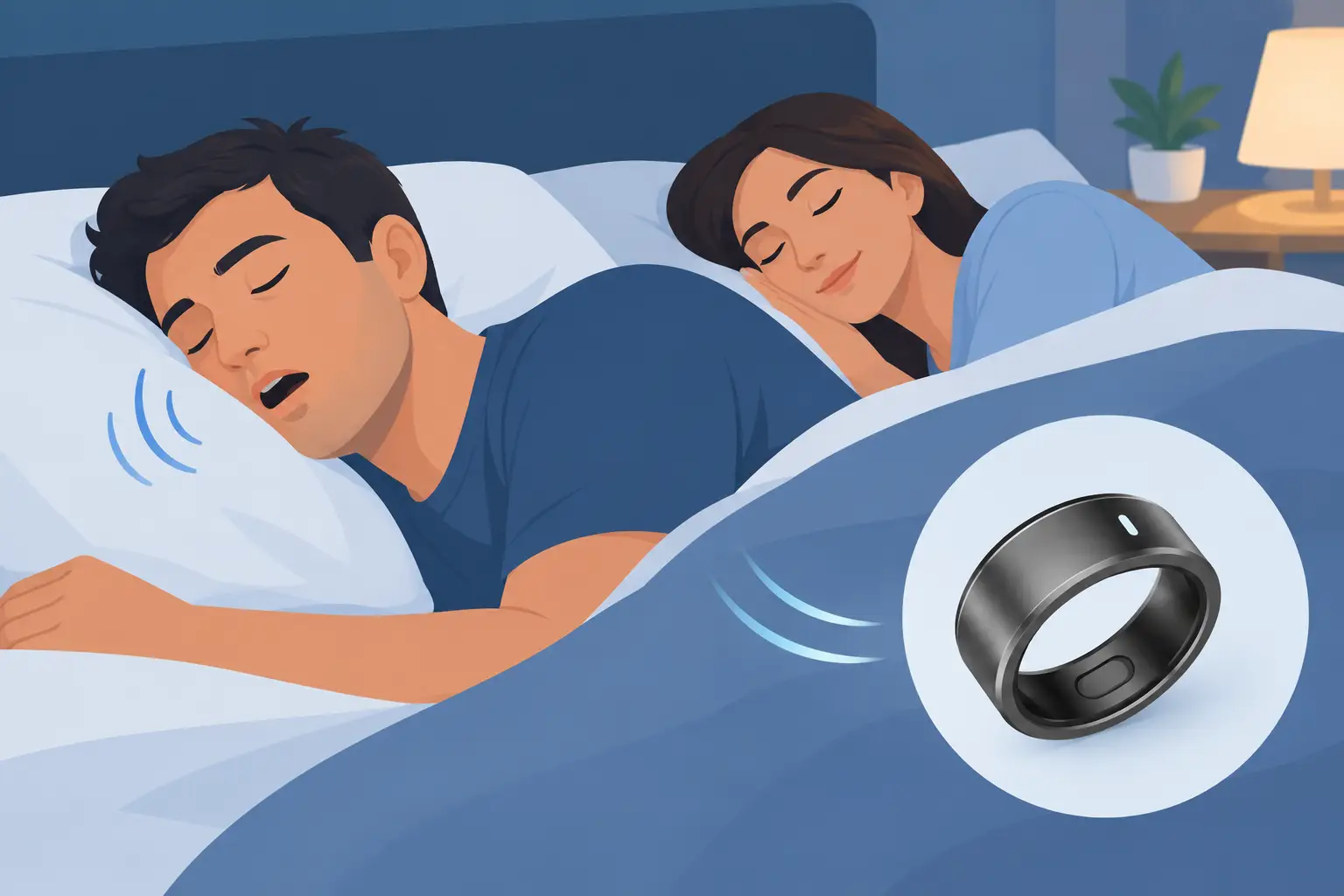
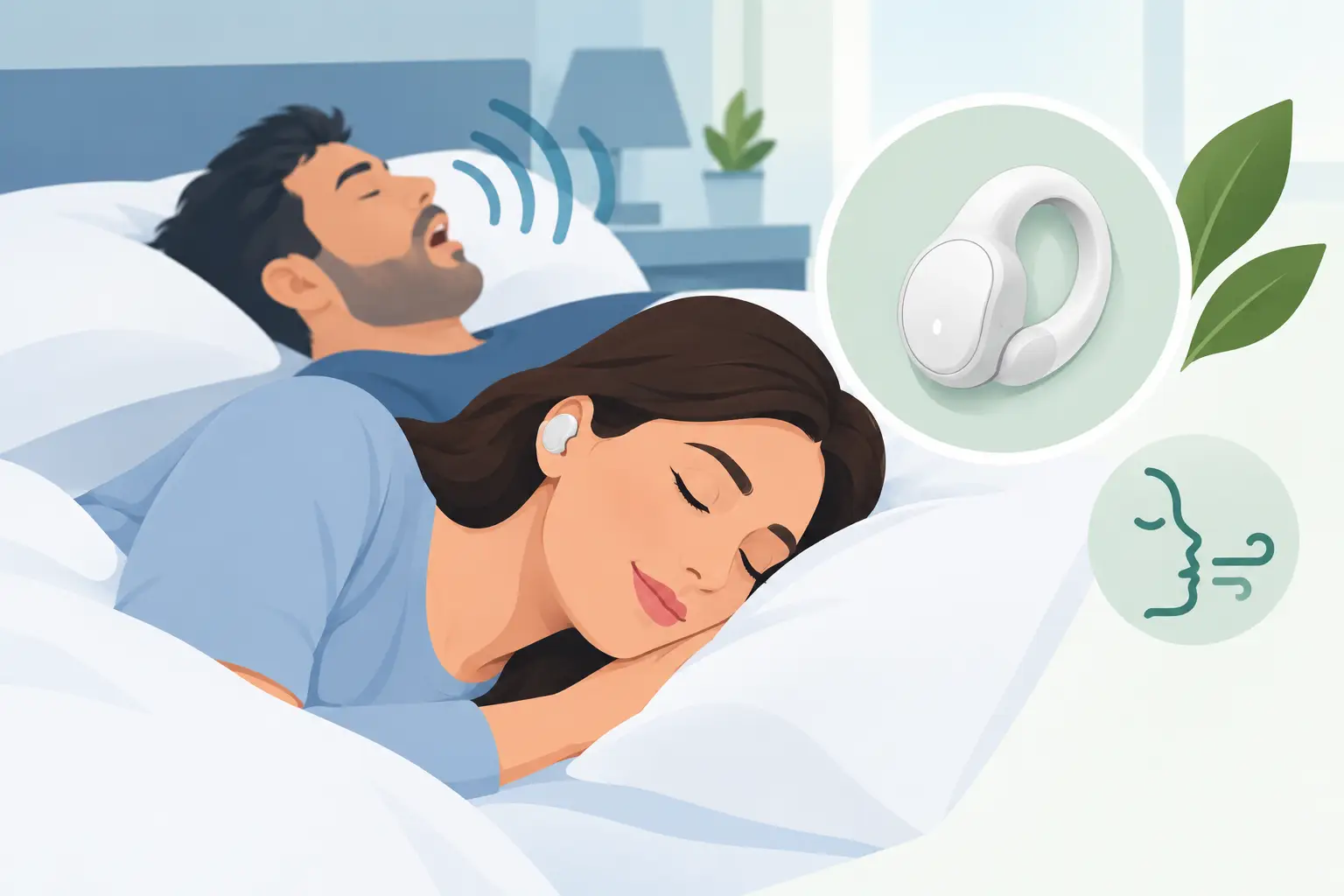
Position work is a good first step when snoring is clearly worse on your back, but it is not always enough. You may still snore on your side, or you may find that you return to your back without realising. For adults with simple snoring who want a discreet alternative to bulky mouthpieces or medication, the clinically trialled Good Night Anti-Snoring Ring uses acupressure points on the little finger as part of a simple nightly routine.
No anti-snoring product is right for everyone, and honest solutions should say so. If you choose an aid, comfort matters, consistency matters and a proper money-back guarantee gives you room to assess it without unnecessary pressure. Avoid cheap imitations that make big promises without clear evidence, quality standards or customer support.
When positional snoring needs medical advice
Snoring can sometimes be a sign of obstructive sleep apnoea, a condition in which breathing repeatedly narrows or stops during sleep. Positional obstructive sleep apnoea exists too, so the fact that snoring improves on your side does not rule it out.
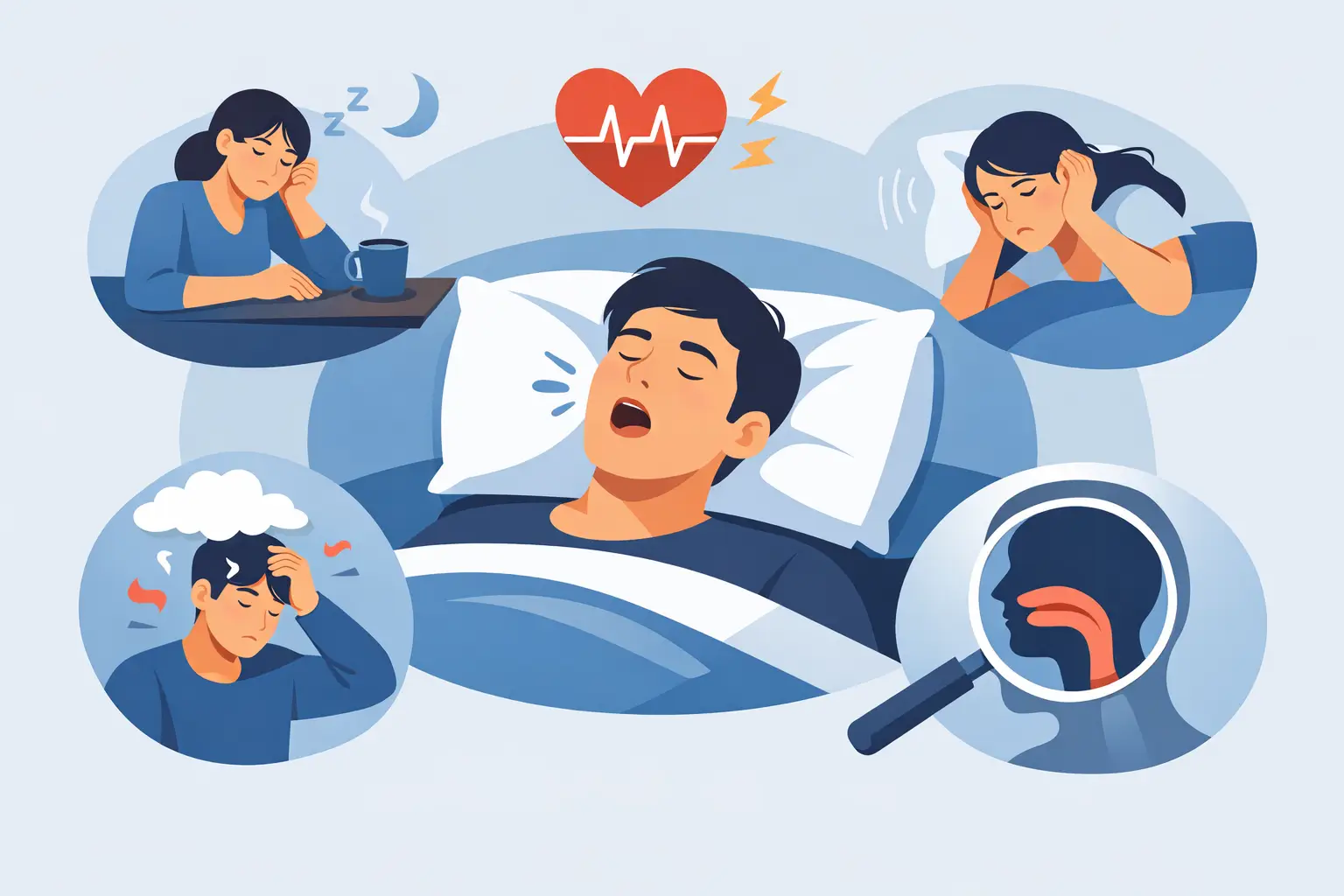
Speak to your GP if you or your partner notice pauses in breathing, choking or gasping in sleep, frequent morning headaches, severe daytime sleepiness, poor concentration or waking unrefreshed despite a full night in bed. Seek advice as well if snoring is getting worse, begins suddenly without an obvious reason, or affects your safety at work or while driving.
This is not about alarming yourself over an occasional noisy night. It is about recognising the difference between simple snoring and symptoms that deserve proper assessment. A clinician can consider your wider health, ask the right questions and arrange further testing if needed.
A calmer way to approach the problem
Start with the evidence you already have: when is the snoring worst, what seems to trigger it and what changes when you sleep on your side? Make one or two changes that you can realistically keep up, rather than turning bedtime into a complicated project.
For many couples, the first win is simply getting through the night with fewer nudges, fewer trips to the spare room and more patience for each other in the morning. Give your body and your sleep setup a fair chance, listen to any warning signs, and choose solutions that feel comfortable enough to use night after night.