Blog
Single Post
Your Guide to Simple Snoring Causes at Night
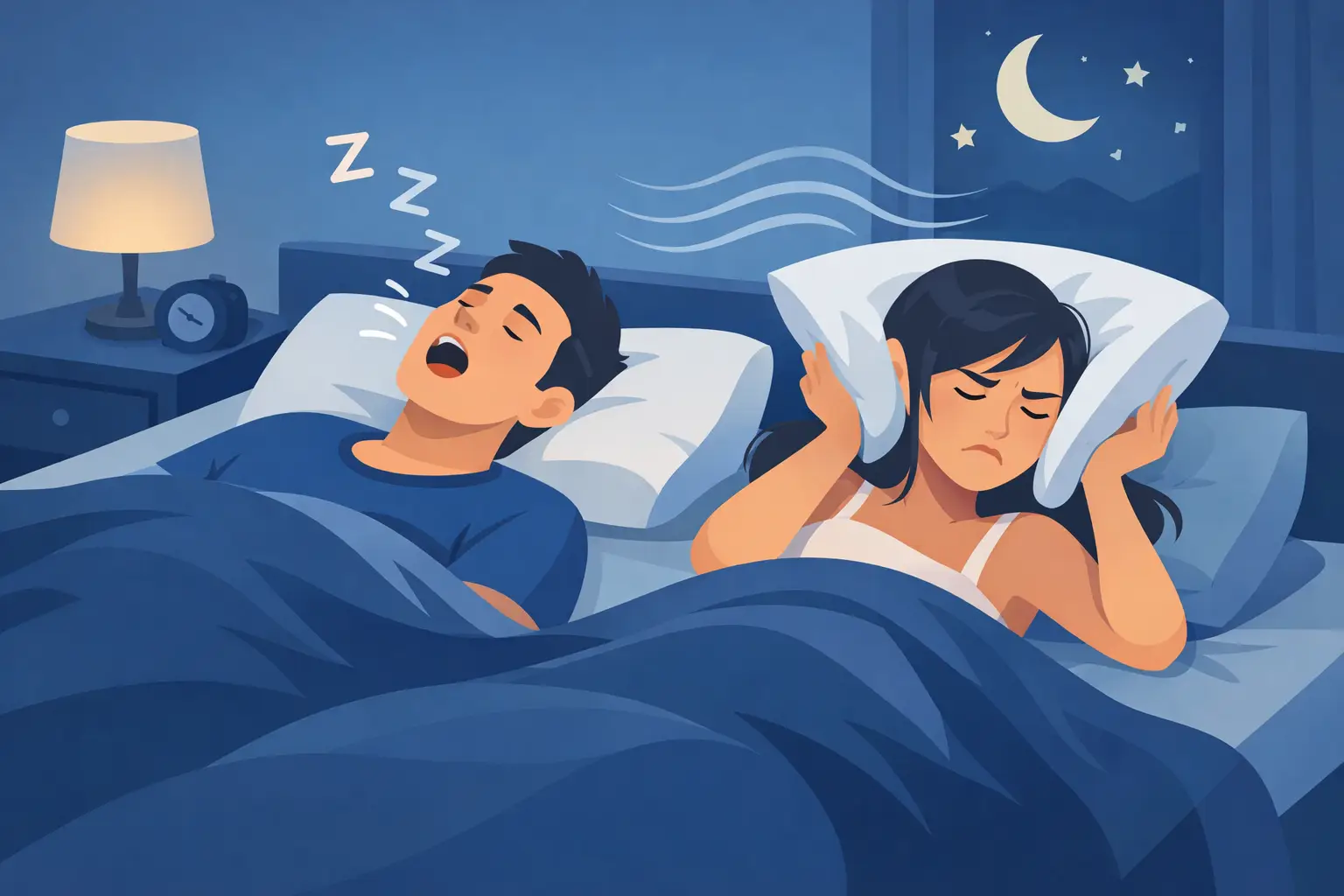
A guide to simple snoring causes starts with one reassuring fact: not every noisy night points to a serious health problem. Often, snoring happens because air is meeting a narrowed or relaxed airway while you sleep. That small change turns smooth airflow into vibration, and the vibration is the sound keeping you or your partner awake.
Simple snoring can still feel far from simple at 2am. It can leave the snorer tired, the person beside them resentful, and both of you willing to try almost anything for a quiet night. The useful approach is to identify what is changing your breathing, then choose a comfortable response that fits your routine rather than another bulky device destined for the bedside drawer.
What simple snoring actually means
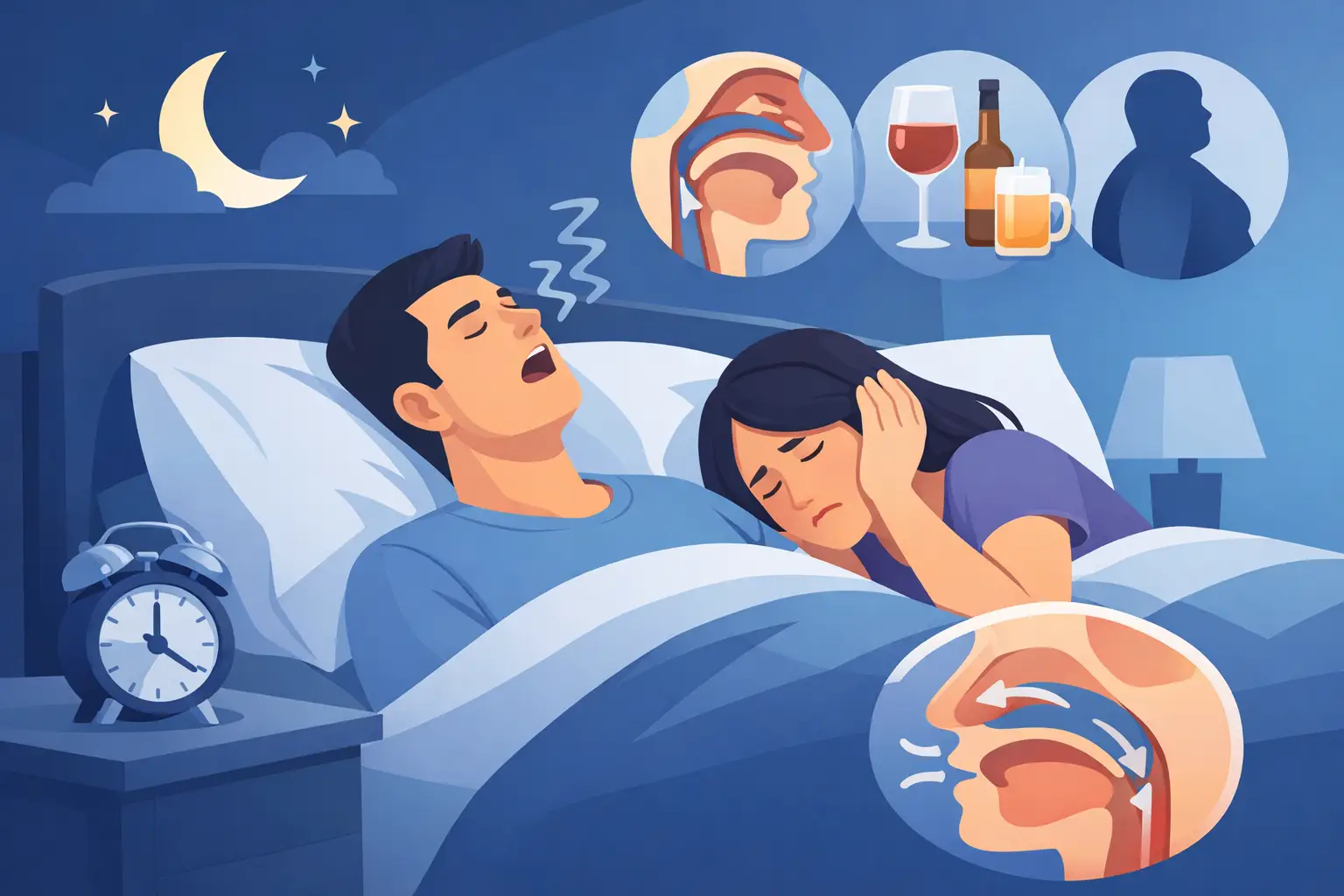
Snoring occurs when soft tissue in the nose, mouth or throat vibrates as air passes through it. During sleep, muscles naturally relax. If the airway becomes a little narrower, air has to move through with more force. The tongue, soft palate and throat tissues can then vibrate enough to create anything from a gentle rumble to a room-shaking roar.
The term “simple snoring” generally describes snoring without repeated breathing pauses or other signs of obstructive sleep apnoea. It is common, and it may come and go with a cold, a late meal, a change in weight or a different sleeping position. That does not mean it should be ignored if it is regular or affecting daily life. It means the first step is usually practical observation, not panic.
Guide to simple snoring causes: the usual triggers
Sleeping on your back
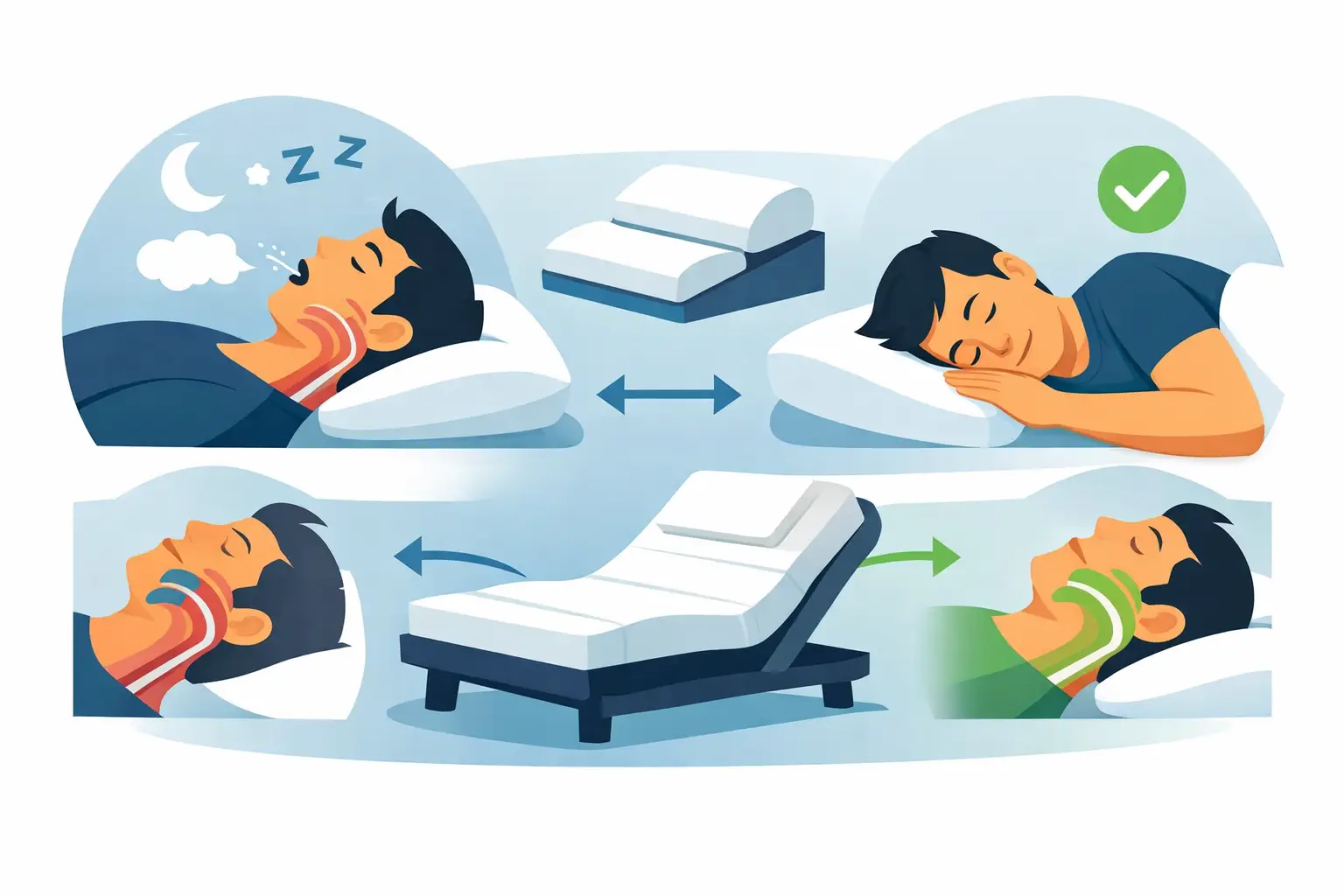
For many people, back sleeping is the biggest trigger. Gravity allows the tongue and soft tissues at the back of the throat to fall backwards slightly, reducing the space available for air. The result is louder, more frequent snoring than when sleeping on one side.
This is why a person can be quiet for part of the night and then suddenly start snoring after rolling over. If your partner notices a clear difference by position, that is a useful clue. Side sleeping may make a noticeable difference, although it is not a complete answer for everyone.
A blocked or irritated nose
When the nose is blocked, breathing shifts towards the mouth. Mouth breathing can make the throat drier and increase the vibration that causes snoring. Colds, hay fever, sinus irritation and dry bedroom air can all play a part.
Nasal congestion is often temporary, which explains why snoring can appear out of nowhere during winter or pollen season. A saline rinse, treating known allergies with advice from a pharmacist or clinician, and keeping the bedroom comfortably ventilated may help. If one side of your nose is persistently blocked, it is worth speaking to your GP rather than simply putting up with it.
Alcohol, sedatives and a very late night
Alcohol relaxes the muscles around the throat. For some people, even a couple of drinks in the evening is enough to turn occasional snoring into a nightly event. Sedating medicines can have a similar effect, though you should never stop prescribed medication without medical advice.
Timing matters too. Drinking close to bedtime is more likely to affect the first part of the night, when your partner may be trying hardest to get to sleep. If alcohol seems connected to your snoring, try several alcohol-free nights or finish drinking earlier and see whether the pattern changes.
Mouth and throat anatomy
Some people are simply more prone to snoring because of the shape of their airway. Enlarged tonsils, a long soft palate, a small jaw, a tongue that sits further back, or a narrowed nasal passage can all make airflow noisier. These factors are not a personal failing, and they cannot always be changed with a single lifestyle adjustment.
This is also why one person’s miracle solution can do nothing for someone else. A well-fitting strategy should match the likely cause, your comfort and how consistently you can use it.
Weight changes and reduced muscle tone
Extra tissue around the neck and throat can narrow the airway, so weight gain may increase snoring for some adults. Equally, snoring can become more common with age as the tissues in the throat lose some tone. Hormonal changes can also influence sleep and airway comfort.
Weight is only one part of the picture. Slim people snore too, particularly when they have nasal blockage, drink alcohol in the evening or sleep on their back. Treating snoring as a simple matter of willpower is neither accurate nor helpful.
Smoking, reflux and dry airways
Smoking can irritate and inflame the lining of the nose and throat, making narrowing more likely. Reflux can also irritate the throat, especially if you regularly wake with a sore throat, cough or sour taste. In both cases, snoring may be one part of a wider pattern.
A dry room, dehydration and open-mouth breathing can add to the problem. These are smaller contributors, but addressing several small triggers at once can create a meaningful improvement.
How to work out what is affecting you
A short, honest experiment is often more useful than buying five remedies at once. For one or two weeks, notice when the snoring is worst. Ask your partner what they hear, or use a sleep-recording app as a rough guide rather than a diagnosis.
Keep the changes manageable. Sleep on your side for several nights, avoid alcohol near bedtime, deal with a blocked nose and aim for a consistent sleep schedule. If snoring settles, you have found a likely contributor. If nothing changes, that is useful information too.
Do not expect every measure to work immediately. A cold may need to pass, a new sleep position can take time to become natural, and your partner may notice progress before you do. The goal is not perfection on night one. It is a solution you can live with night after night.
Choosing a simple, comfortable response
Many anti-snoring products ask you to tolerate something large in your mouth, stuck over your nose or strapped around your head. Those options suit some people, but comfort matters because an uncomfortable solution is unlikely to be used consistently.
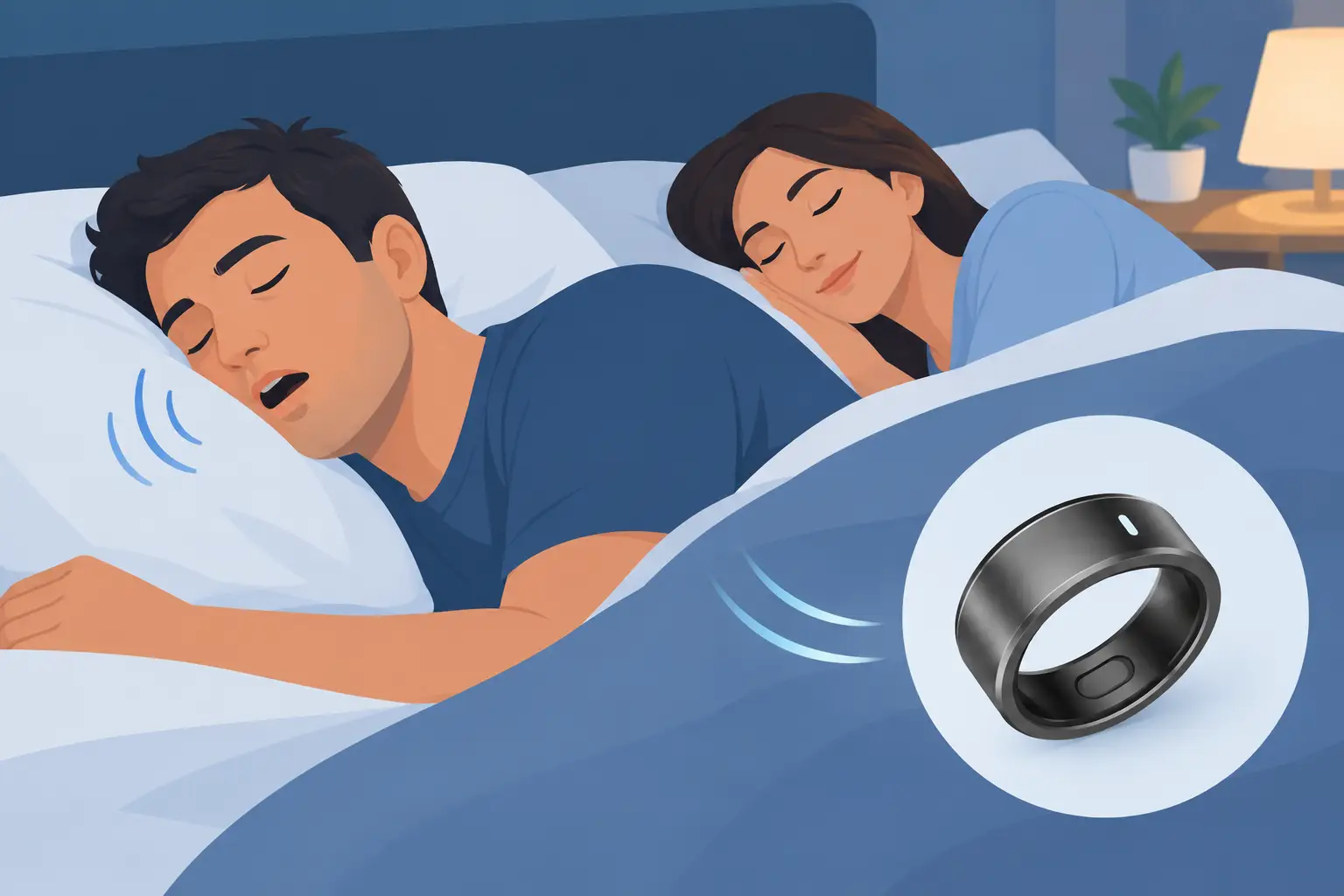
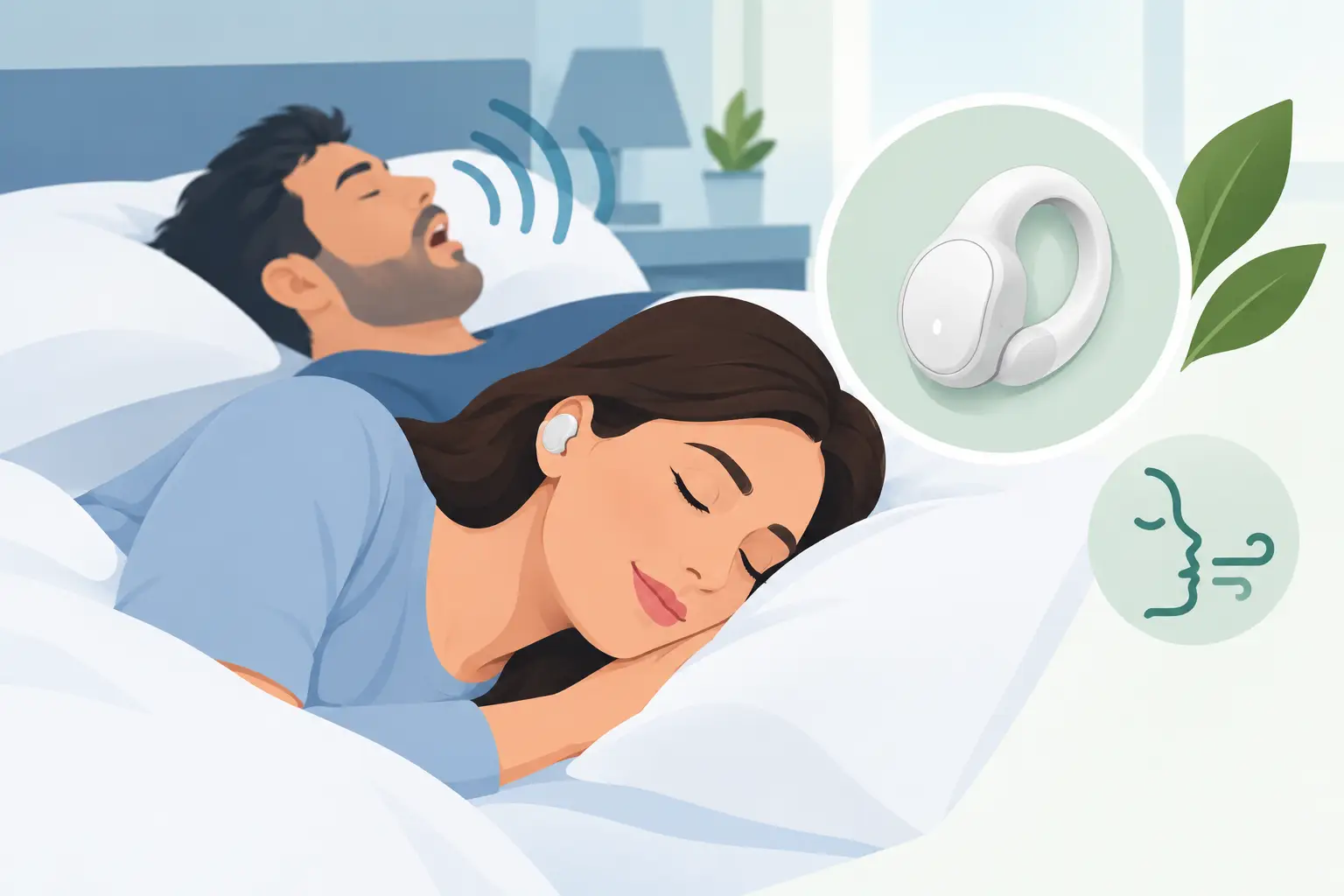
For people with simple snoring who want a discreet, non-invasive option, an acupressure wearable may be worth considering. The Good Night Anti-Snoring Ring is the original stop snoring ring, designed to apply pressure to specific points on the little finger while you sleep. It offers a simple routine without medication or a mouthpiece, but it will not work for every person or every cause of snoring. That honesty matters: a refund-backed option gives you the chance to assess whether it is right for your own sleep.
Be wary of cheap lookalikes that make sweeping promises without clear evidence, product support or a meaningful returns policy. Snoring is frustrating enough without spending money on a product that is uncomfortable, poorly made or impossible to return.
When snoring needs medical advice
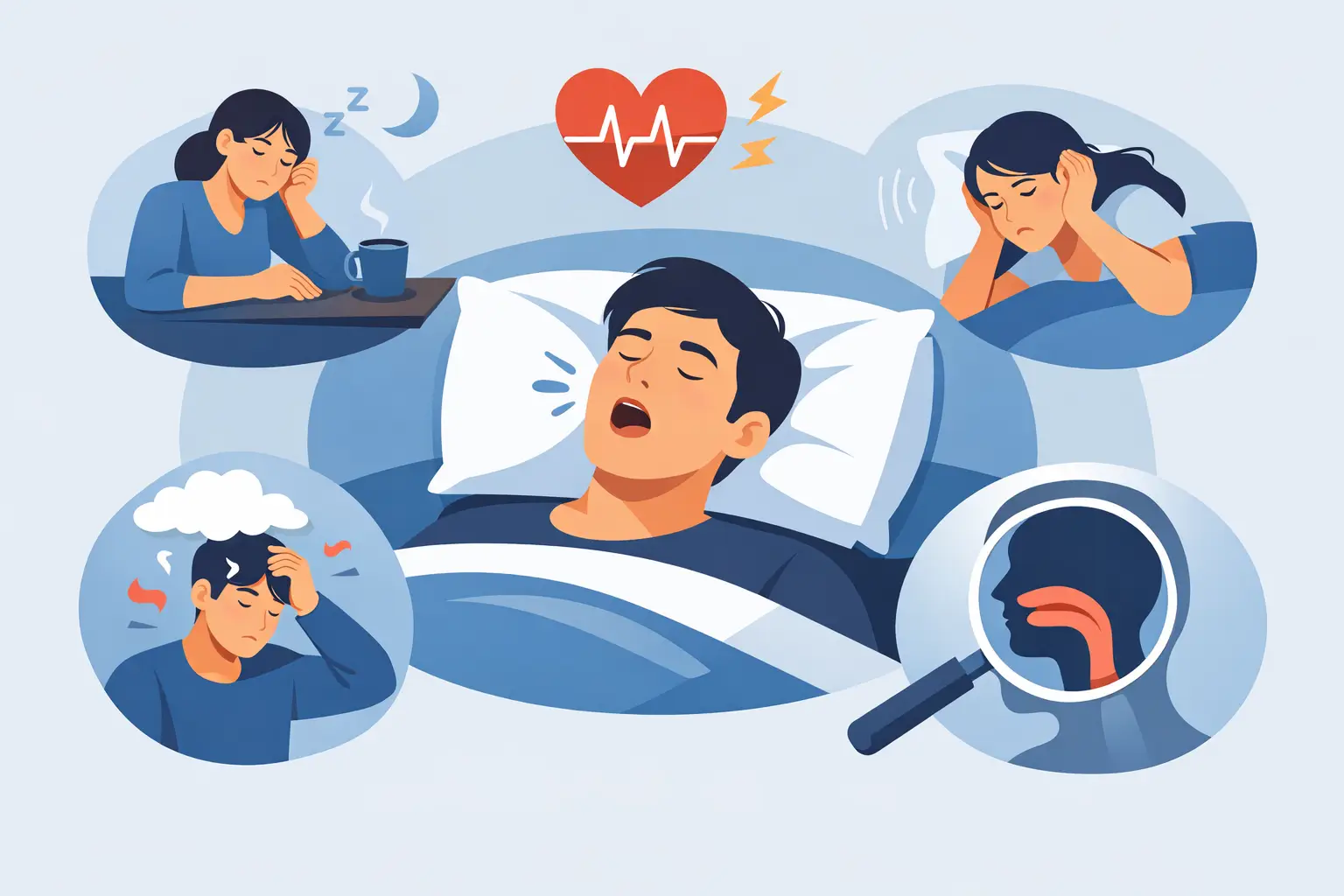
Simple snoring and sleep apnoea are not the same, but it is sensible to know the difference. Sleep apnoea involves repeated partial or complete airway blockages during sleep. It needs proper assessment because untreated cases can affect health and daytime safety.
Arrange a conversation with your GP if snoring comes with four or more of these signs:
- witnessed pauses in breathing, choking or gasping during sleep;
- extreme daytime tiredness, especially dozing while driving, working or watching television;
- regular morning headaches, poor concentration or low mood;
- high blood pressure, or snoring that has become suddenly much worse.
Your partner’s observations are valuable here. The snorer may have no memory of gasping or breathing pauses, while the person beside them has heard it repeatedly. This is one situation where a frank bedroom conversation can lead to the right care.
Make quiet sleep a shared goal
Snoring can become a source of jokes, separate bedrooms and simmering frustration. It is easier to solve when it is treated as a shared sleep problem, not a character flaw. Agree on a few changes to test, give each one enough time to show a pattern, and be direct about what is improving.
A quieter night may begin with something as ordinary as clearing a blocked nose, changing position or skipping a late drink. If it does not, choosing a comfortable, credible option and knowing when to seek medical advice can help both of you protect the sleep you need.