Blog
Single Post
7 Best Snoring Aids Without Medication
If snoring has turned bedtime into a negotiation, you are probably not looking for another gimmick. You want the best snoring aids without medication – something that is simple, comfortable and realistic to use night after night. That matters, because the most effective aid is rarely the one with the boldest claims. It is the one you will actually wear, tolerate and stick with.
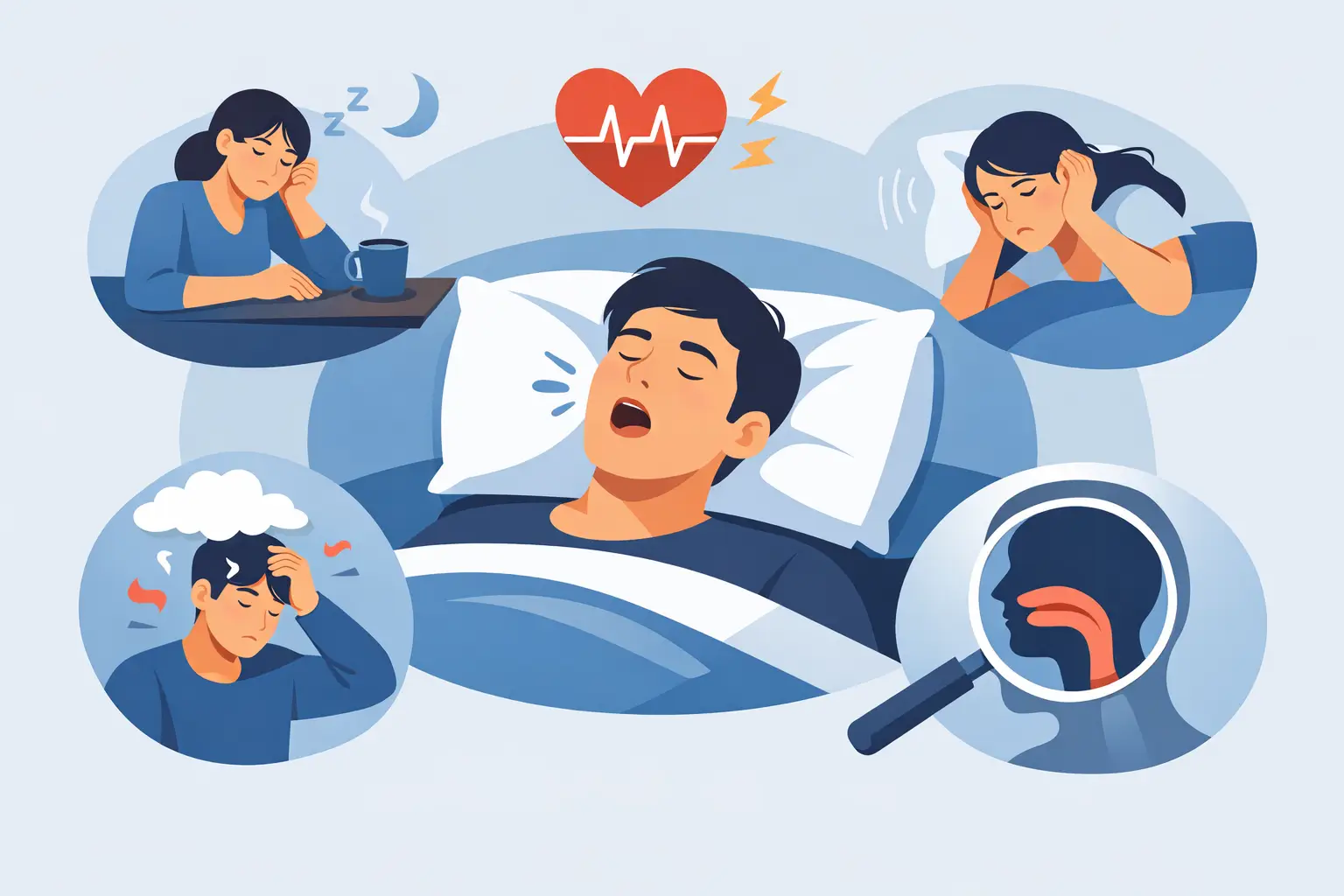
For many people, simple snoring happens when airflow is partly blocked during sleep. The tissues in the throat vibrate, and the noise can range from mildly irritating to relationship-ending levels of loud. Not every non-medicated snoring aid works in the same way, and not every aid suits every sleeper. Some are effective but intrusive. Others are gentle and discreet, but may be better suited to milder snoring.
How to judge the best snoring aids without medication
A good starting point is honesty. If an aid looks impressive but feels uncomfortable after ten minutes, it is unlikely to become part of your routine. Comfort matters. So does ease of use, especially if you are already tired and frustrated.
The other key issue is the type of snoring. Positional snoring, where you mainly snore on your back, often responds to a different fix than snoring linked to nasal blockage or throat collapse. That is why broad promises should always be treated carefully. There is no single product that works for every snorer, and any brand claiming otherwise is skipping over the reality.
What you can look for is a sensible balance of comfort, evidence, practicality and low risk. A refund policy helps. So does clinical testing where available. And if a product is discreet enough to use consistently, that is not a small detail – it is often the difference between trying something once and getting real benefit from it.
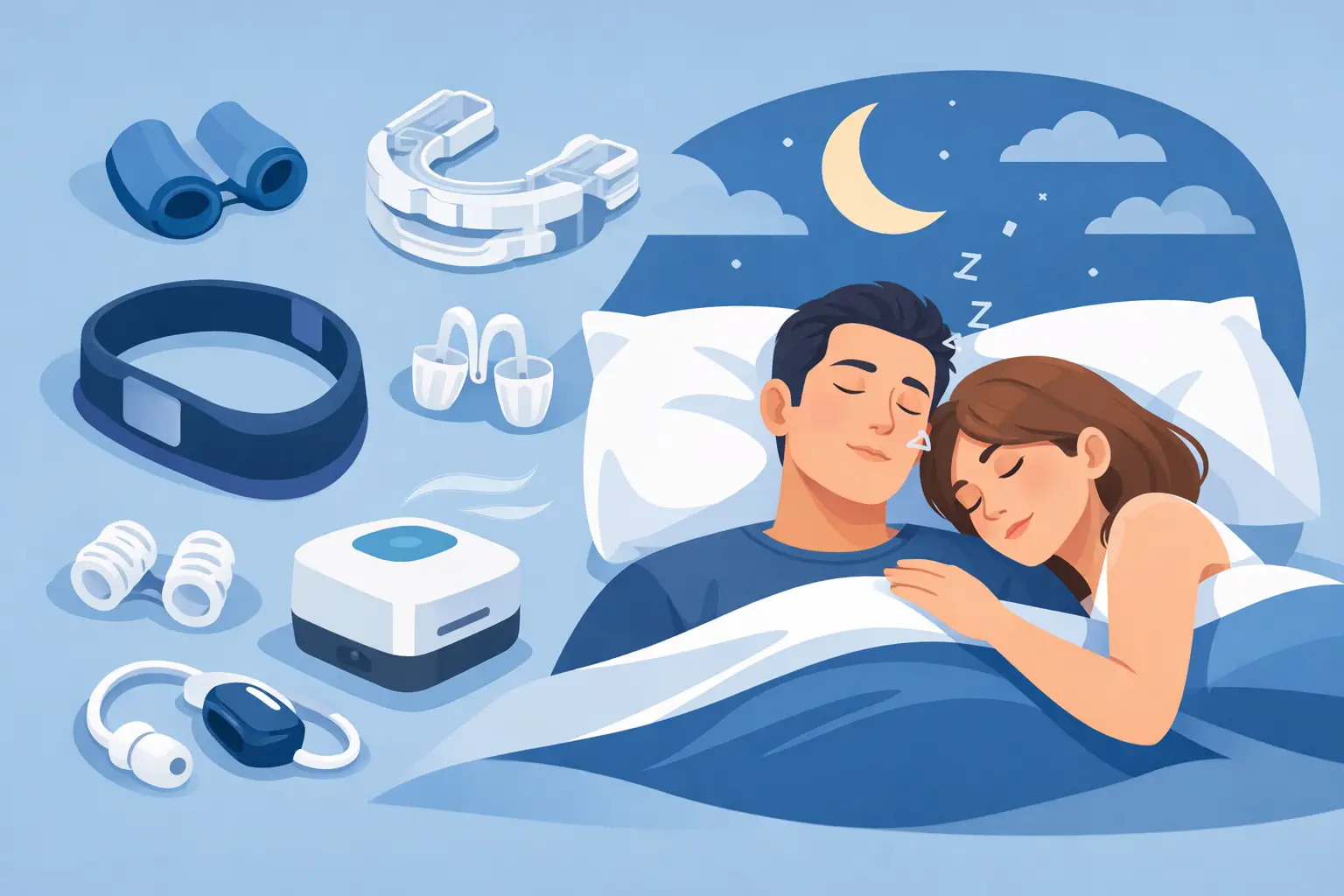
1. Anti-snoring rings
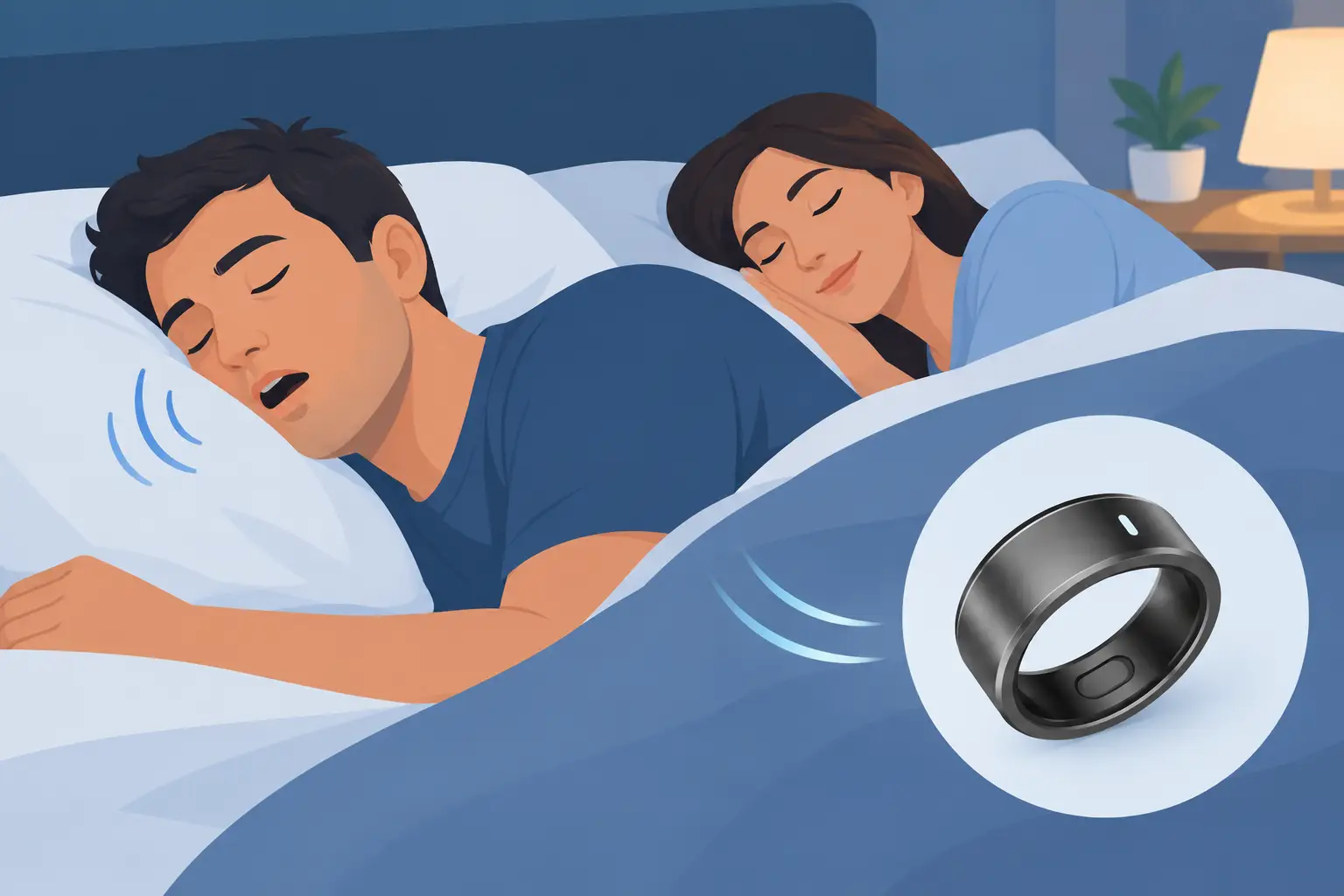
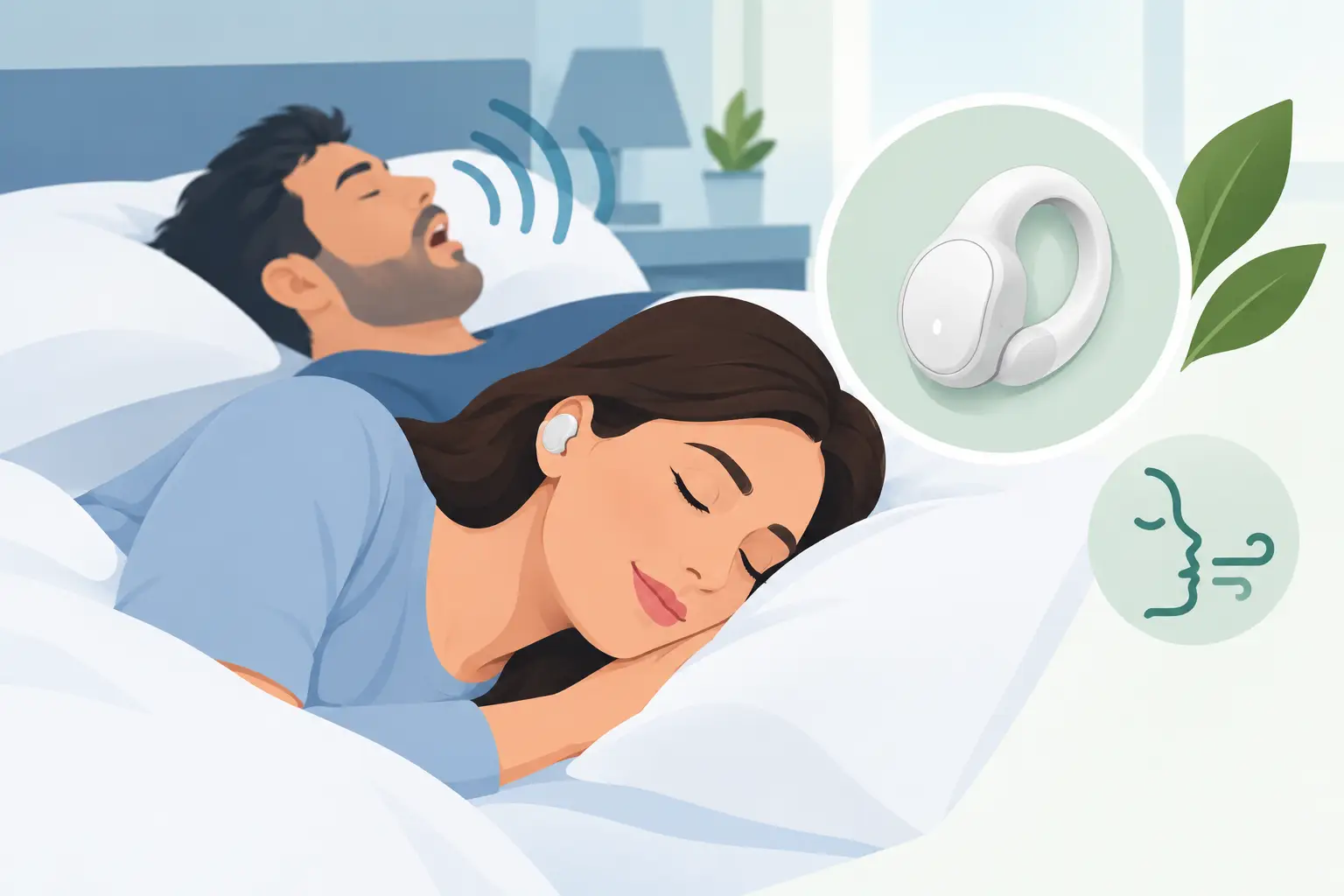
For people who want a non-invasive option, anti-snoring rings are often the most appealing place to start. They are small, easy to wear and do not involve forcing the jaw forward or taping anything to your face. The better versions are designed to apply gentle pressure to specific points on the little finger during sleep.
That approach will not appeal to everyone, especially people who are sceptical of wearable pressure-point products. Fair enough. But it is precisely the simplicity that makes this category attractive. There is nothing bulky in the mouth, nothing to plug into a socket and nothing to swallow.
The quality gap here is worth taking seriously. This is a category crowded with lookalike products, and not all of them are made to the same standard. The original stop snoring ring from Good Night Health is positioned as a clinically trialled, FDA-cleared option with a 30-day money-back guarantee, which gives buyers more reassurance than a copycat sold on vague promises. That does not mean it will work for everyone. It means there is a stronger trust framework behind it.
For mild to moderate simple snoring, especially where comfort and discretion are the priority, a ring can be a smart first choice.
2. Mandibular advancement mouthpieces
Mouthpieces are one of the better-known anti-snoring aids, and for some people they do work well. They typically move the lower jaw slightly forward to help keep the airway more open during sleep. If your snoring is driven by the tongue and soft tissues collapsing backwards, that can make a real difference.
The trade-off is comfort. Many people struggle with the feel of a bulky device in the mouth overnight. Some wake with jaw soreness, excess saliva or dry mouth. Others simply cannot get used to it, even if it reduces the noise.
This is where personal tolerance becomes decisive. A mouthpiece may be more mechanically direct than a ring, but if you stop wearing it after three nights, that advantage disappears quickly. For persistent snorers who can tolerate an oral device, it remains a serious option. For anyone who wants the least intrusive route, it may feel like too much too soon.
3. Nasal dilators and nasal strips
If your snoring gets worse with congestion, allergies or a blocked nose, nasal aids can help. External nasal strips lift the sides of the nose slightly, while internal dilators sit inside the nostrils to widen the passage. These products are widely available, straightforward to use and relatively low cost.
They are best thought of as targeted tools rather than universal solutions. If the problem is mainly in the nose, they may reduce snoring noticeably. If the main obstruction is further back in the throat, they are less likely to solve it on their own.
The appeal is obvious. They are non-medicated, simple and not especially expensive. The downside is that results can be limited, and some people dislike the sensation of adhesive strips or internal inserts. Still, for nasal snorers, they are often worth trying.
4. Positional sleep aids
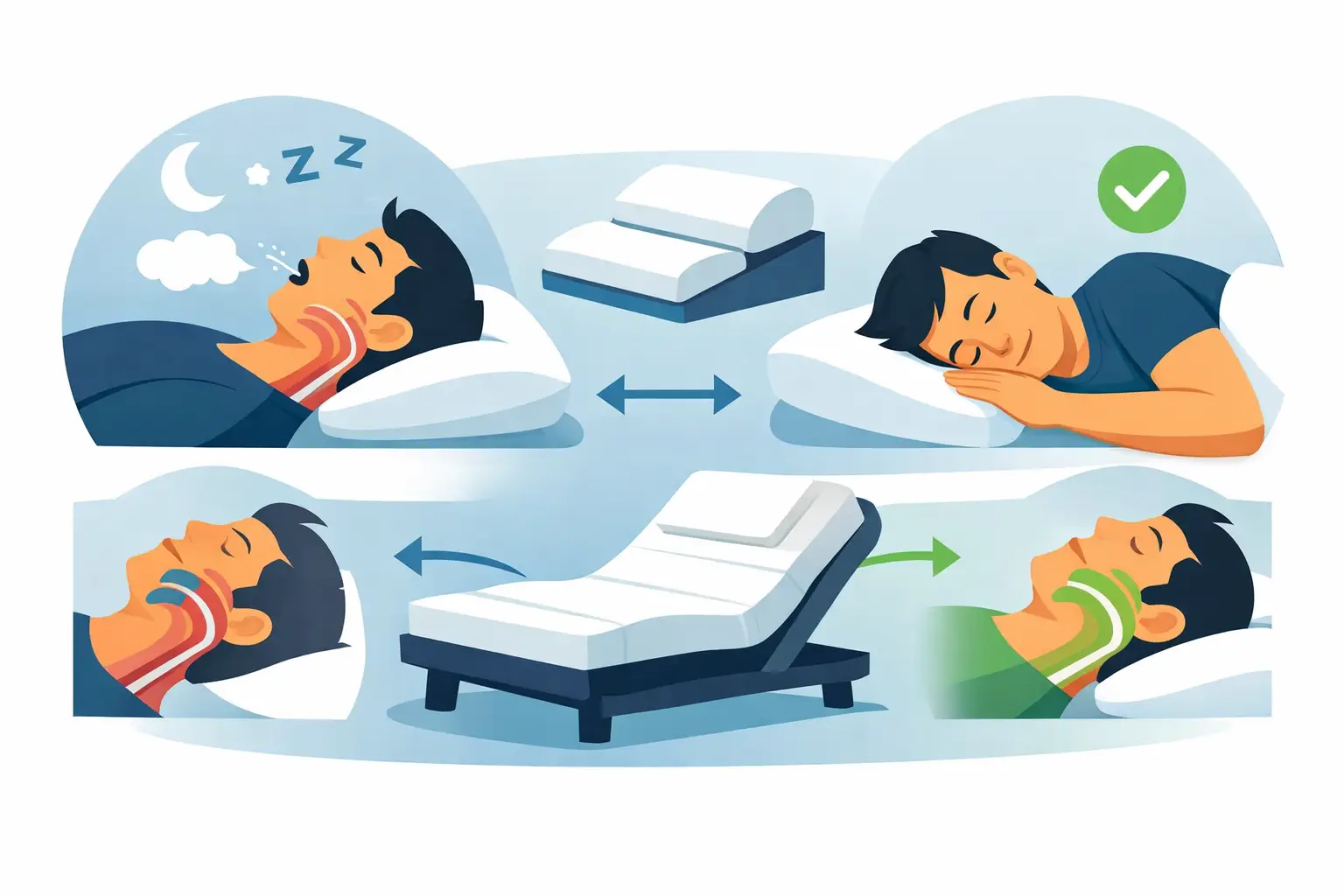
A lot of people snore far more when sleeping on their back. In those cases, positional aids can be surprisingly effective. These include specialist pillows, wearable supports or simple devices designed to encourage side sleeping.
This method sounds almost too basic, but body position can make a significant difference to airway openness. If back-sleeping is your main trigger, changing position may reduce snoring without anything going in the mouth or on the nose.
The challenge is consistency. Some people roll onto their back without noticing, and some positional products are more annoying than helpful. A pillow alone may not be enough. A more structured positional aid may work better, but comfort again becomes the deciding factor.
5. Chin straps
Chin straps are designed to support the jaw and encourage the mouth to stay closed during sleep. They are often marketed to people who breathe through their mouth at night, and in some cases they can reduce snoring caused by that pattern.
Results are mixed. If your snoring is linked to mouth opening, a chin strap may help. If the main issue is deeper airway obstruction, it may do very little. Some users also find them hot, restrictive or awkward to keep in place.
That does not make them useless. It simply means they are more specific than many adverts suggest. They can be a reasonable option for mouth-open sleepers, but they are not usually the most elegant or comfortable solution.
6. Humidifiers and bedroom air changes
This category is less dramatic, but it deserves a place. Dry air, overheated rooms and poor sleep environment can worsen snoring for some people. A humidifier may help if dryness is irritating the nasal passages or throat, particularly in winter or in centrally heated bedrooms.
On its own, a humidifier is unlikely to stop established snoring caused by airway collapse. But as part of a broader routine, it can make breathing more comfortable. The same goes for small changes such as raising the head slightly, reducing evening alcohol and keeping the bedroom air clean.
These are not miracle fixes. They are support measures. Still, if your snoring changes with the season or room conditions, they can be more useful than people expect.
7. Adjustable pillows
Anti-snoring pillows usually aim to improve head, neck and shoulder alignment. Some encourage side sleeping, while others elevate the upper body slightly. For the right person, that can reduce airway narrowing enough to cut down snoring.
The problem is that pillows are often oversold. A pillow cannot correct every cause of snoring, and paying more does not guarantee better results. But for people whose snoring is position-related, a well-designed pillow can be easier to live with than a more intrusive device.
Think of this as a comfort-first option. It may not be the strongest intervention, but it is also one of the easiest to adopt.
Which non-medicated snoring aid is best for you?
The best snoring aids without medication are the ones that match both the cause of your snoring and your willingness to use them consistently. If you want the least invasive approach, an anti-snoring ring stands out for comfort, discretion and simplicity. If your snoring is more pronounced and you can tolerate an oral device, a mouthpiece may offer stronger mechanical support. If congestion is the obvious trigger, start with nasal options.
It is also sensible to think beyond the snorer. Partners are often the ones losing sleep, nudging all night and dealing with the frustration that follows. That means the right solution is not just about reducing noise. It is about making bedtime feel calm again, without introducing a nightly routine that is so awkward it creates a different problem.
If you have already tried sprays, strange gadgets or oversized mouthguards and given up, that does not mean nothing will help. It may simply mean you have not found a solution that fits your body and your routine. Start with the option you are most likely to use properly, pay attention to how your snoring actually behaves, and give yourself permission to choose comfort as well as effectiveness. Better sleep should feel achievable, not like a battle before your head even reaches the pillow.