Blog
Single Post
How to Sleep Beside a Snorer
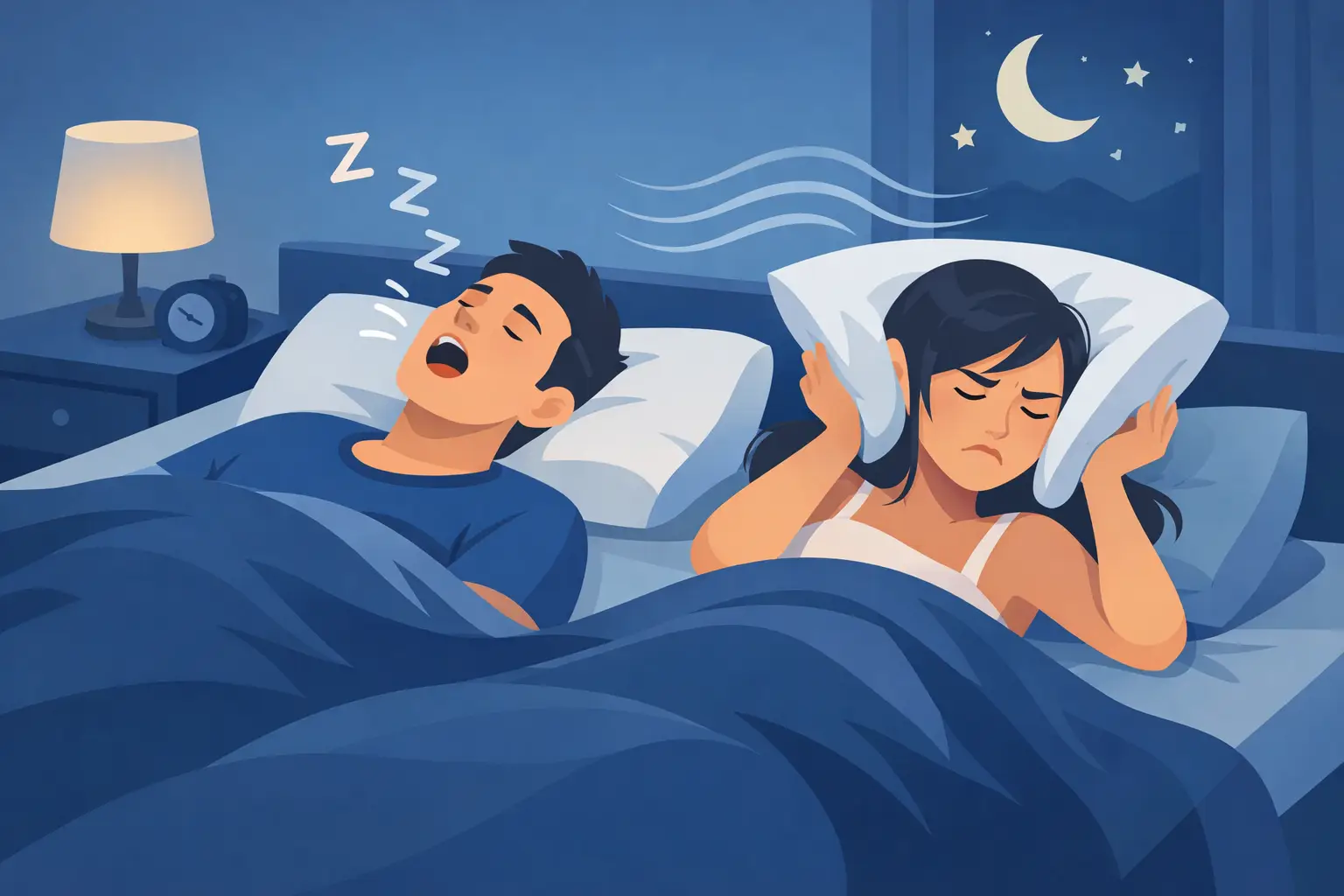
At 2am, a partner’s snoring can feel less like a minor annoyance and more like a test of patience, stamina, and the relationship itself. If you are searching for how to sleep beside a snorer, you probably do not need vague advice. You need realistic ways to get through the night, protect your own sleep, and reduce the noise at the source if possible.
The first thing to say is simple: your sleep matters too. People often spend months trying to be tolerant while quietly becoming more exhausted, irritable, and resentful. Poor sleep affects mood, concentration, work, and health. So the goal is not to just put up with snoring. It is to create a sleep setup that works for both of you.
How to sleep beside a snorer without losing sleep yourself
If snoring is already waking you regularly, start with what gives you the fastest relief. That usually means reducing the sound reaching you while also making the snorer less likely to snore heavily in the first place.
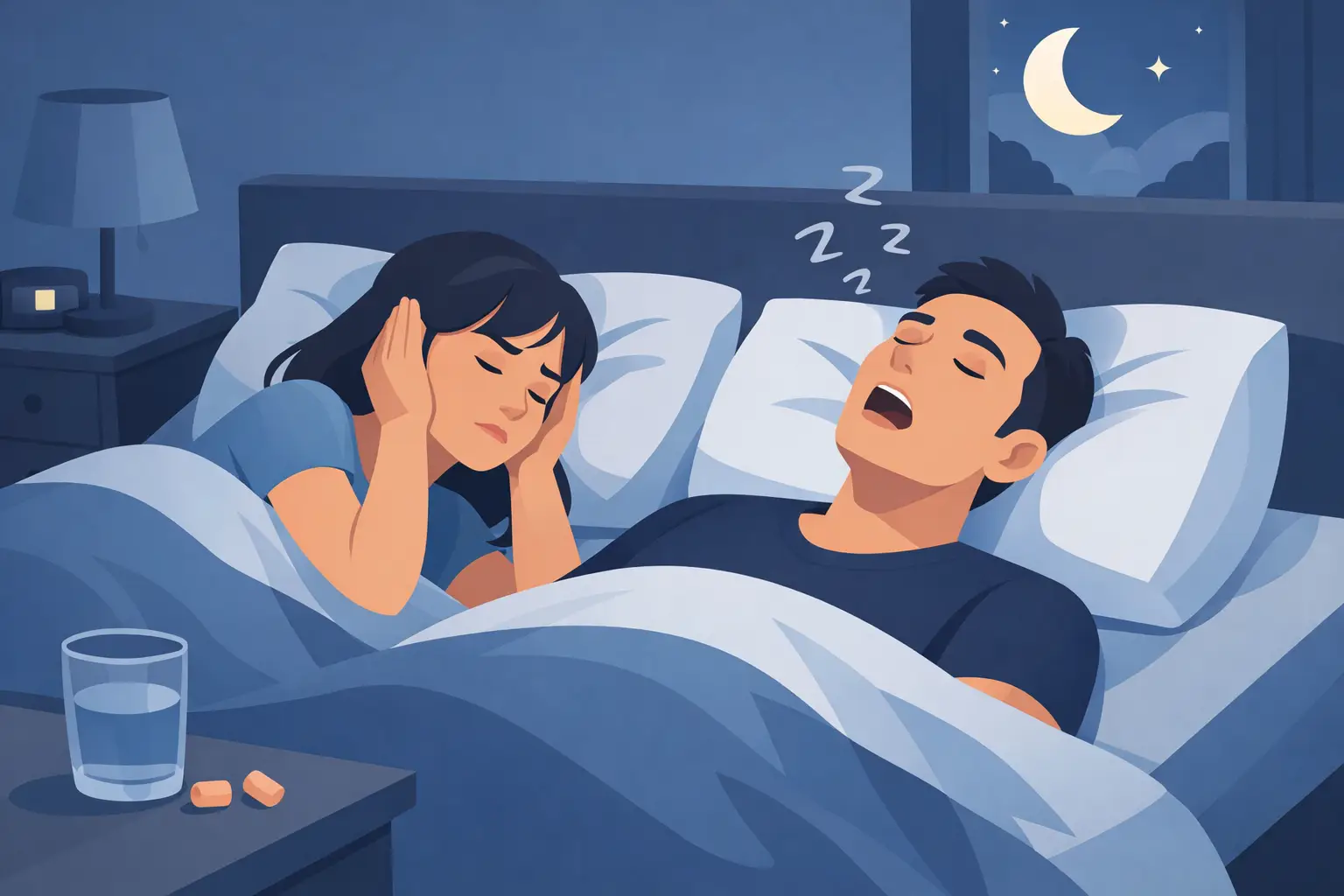
Earplugs can help, but results depend on the type of snoring and your own tolerance. Soft foam earplugs are often the easiest place to start because they are inexpensive and widely available. For some people, though, they feel uncomfortable or do not block enough low-frequency noise. If that sounds familiar, white noise or a bedside sound machine can be more effective than silence. A steady background sound often makes irregular snoring less jarring, which matters because sudden changes in noise are what wake many people.
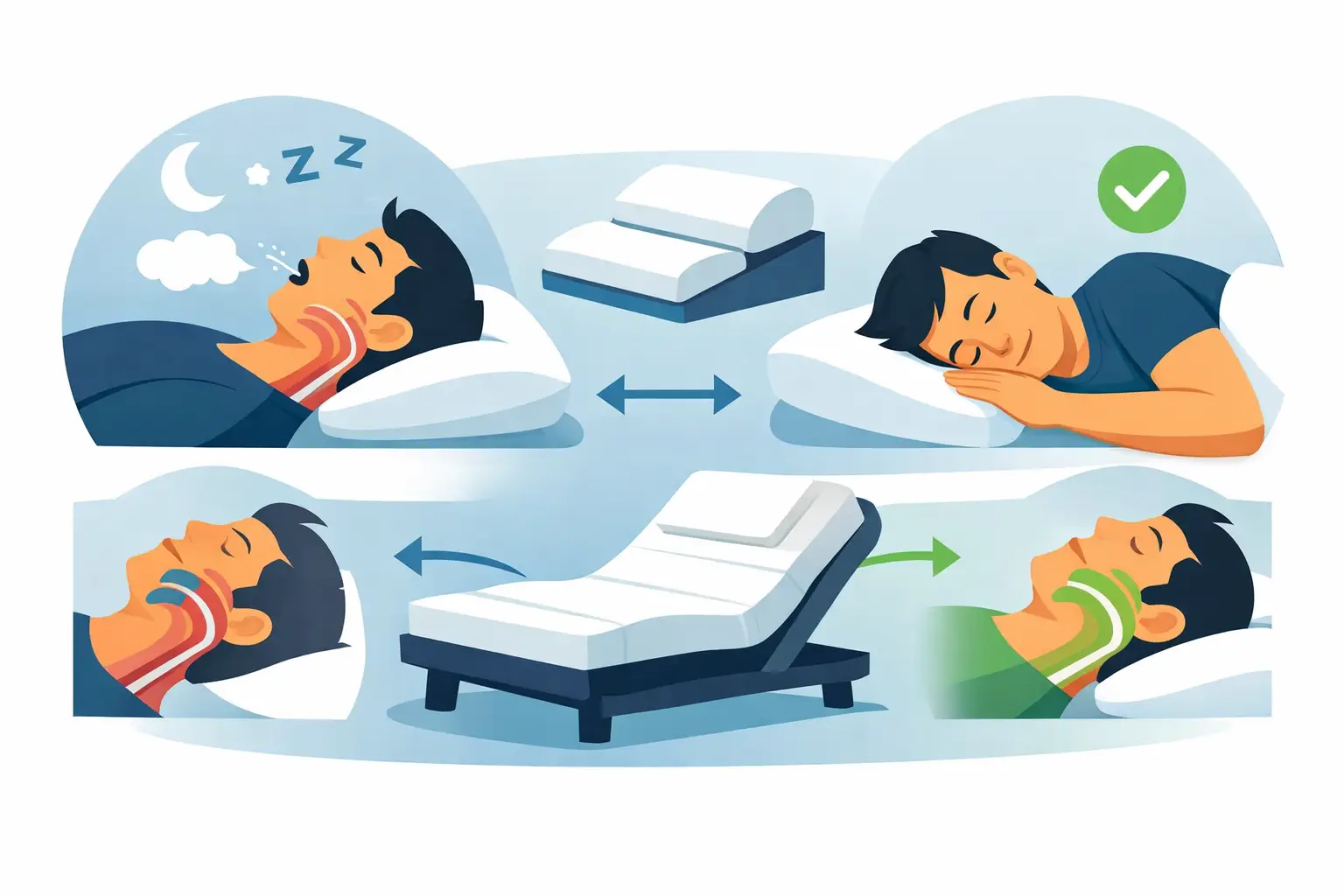
Your bedroom setup also makes a difference. If your partner snores more when lying flat on their back, raising the head slightly can help. That might mean an adjustable bed, a wedge pillow, or even a sensible change in pillow support. It will not solve every case, but it can reduce the intensity enough to make the night more manageable.
Then there is the issue nobody likes talking about: separate sleeping spaces. For some couples, sleeping in different rooms on the worst nights is not a sign of trouble. It is a practical response to an ongoing sleep problem. The trade-off is emotional rather than medical. Some couples dislike the distance, while others find that sleeping well makes the relationship warmer the next day. It depends on what you both need.
Why snoring gets worse at night
Snoring happens when airflow is partly obstructed and tissue in the airway vibrates during sleep. That can be made worse by sleeping on the back, alcohol in the evening, congestion, excess weight, tiredness, or the natural relaxation of throat muscles with age.
This matters because the best answer to how to sleep beside a snorer is not always about coping better. Sometimes it is about helping them snore less in the first place. If the snoring is occasional and linked to a cold or a late night, a short-term fix may be enough. If it is happening most nights, the better approach is to look at the pattern and deal with the cause.
For example, if alcohol reliably makes the snoring worse, cutting back in the evening may have a noticeable effect within days. If blocked nasal passages are part of the problem, tackling congestion may ease the noise. If back-sleeping is the trigger, side-sleeping strategies are worth trying. Small changes can make a surprisingly large difference when the cause is simple snoring.
Practical ways to reduce your partner’s snoring
There is no point pretending every anti-snoring idea works equally well. Some are awkward, some are hard to stick with, and some simply do not suit the person wearing them.
Bulky mouthpieces can help in certain cases, but many people find them uncomfortable and give up quickly. Nasal strips may be useful when nasal blockage is the main issue, but they are less convincing when the sound is coming from deeper in the airway. Lifestyle changes can help, but they are rarely an instant fix, and your partner still needs sleep tonight.
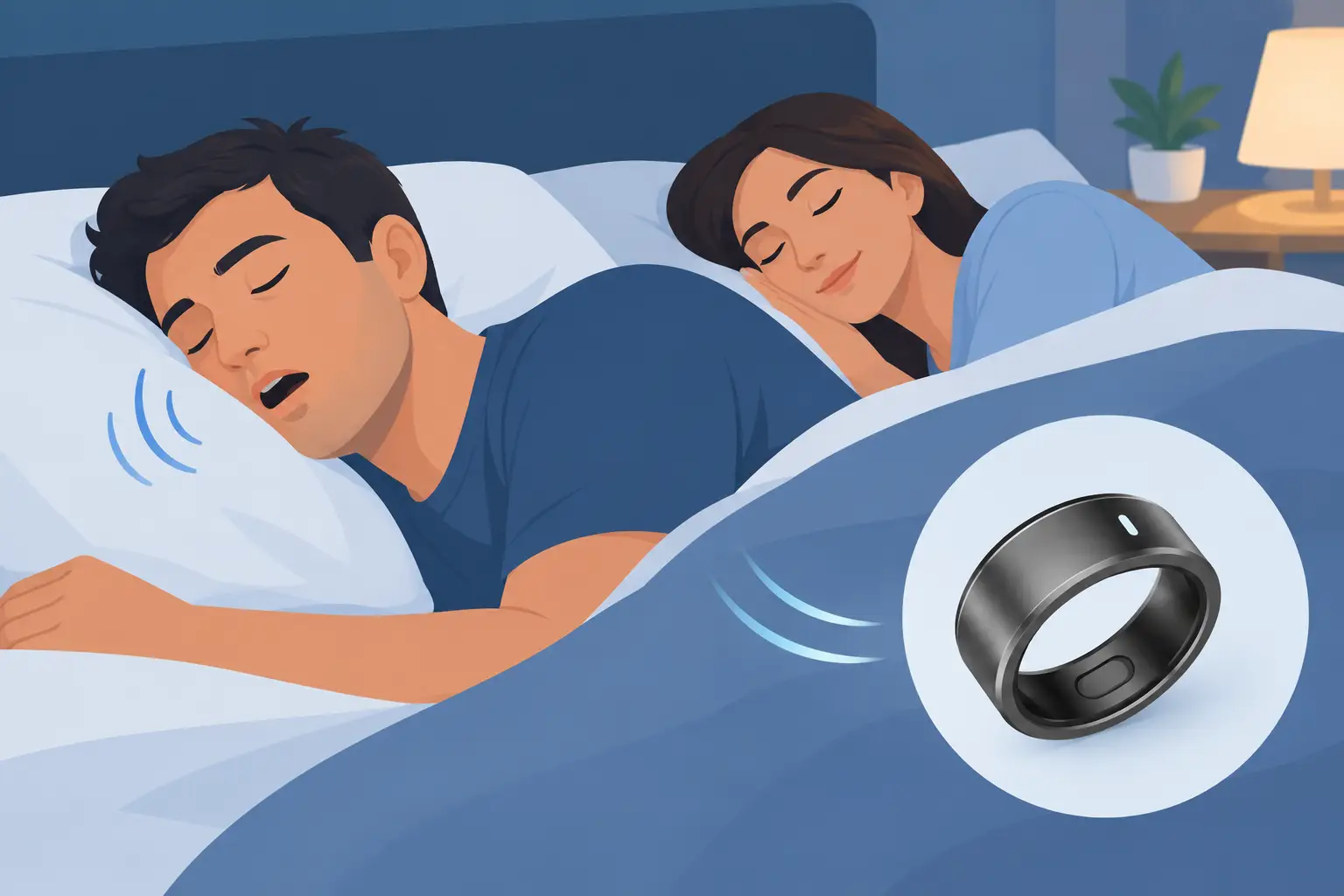
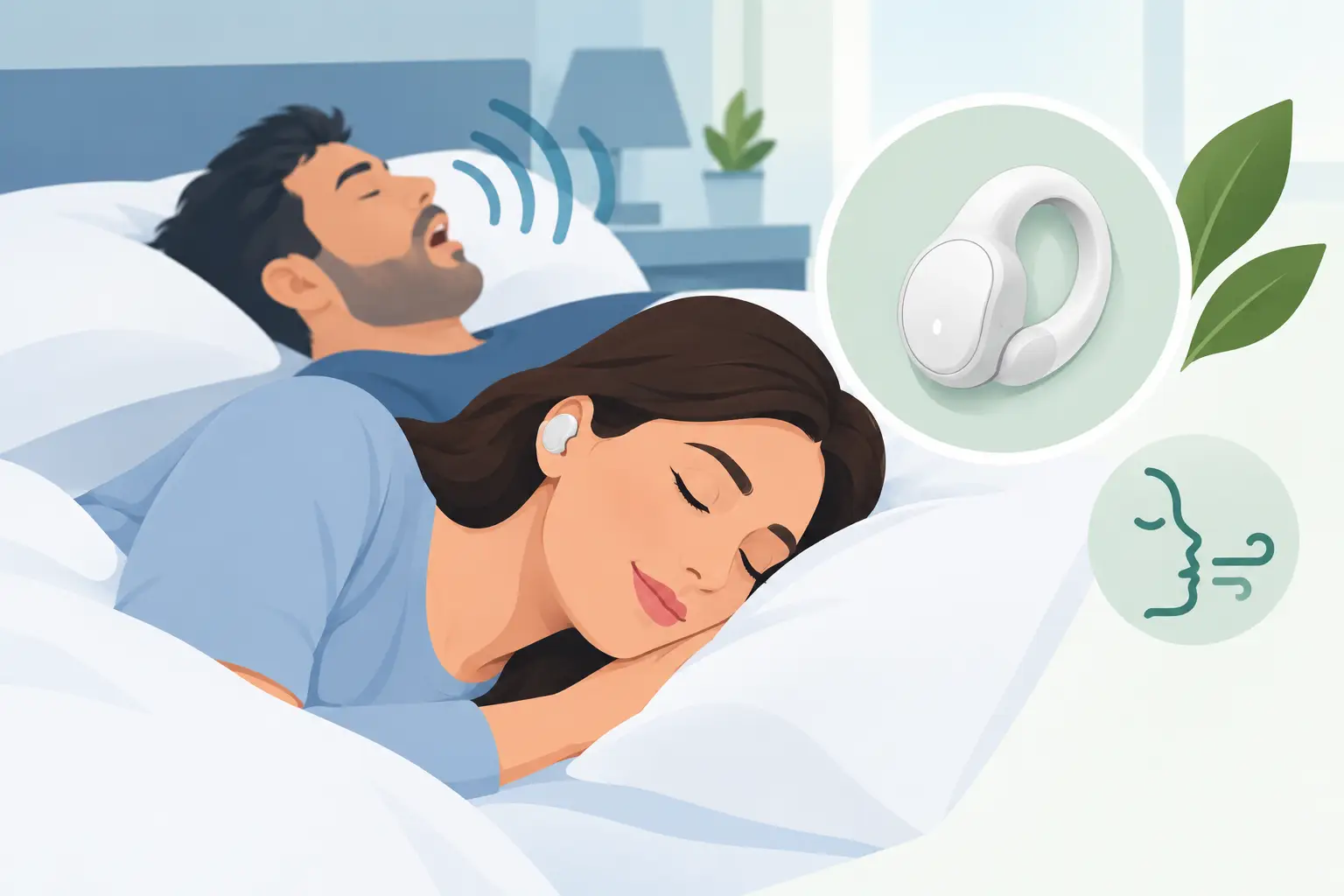
That is why many couples look for something simple, natural, and low hassle. A non-invasive wearable can be appealing because it does not involve medication, adhesive strips across the face, or sleeping with a large device in the mouth. The original stop snoring ring from Good Night Health is designed around that exact need. It uses acupressure points on the little finger during sleep, has been clinically trialed, and is FDA-cleared in the US. Just as importantly, it is straightforward to try at home without turning bedtime into a project.
It is also worth being honest: no product works for everyone. That is true of every snoring remedy on the market. But when a solution is comfortable, discreet, and backed by a full refund guarantee, it becomes a far lower-risk way to see whether your partner’s snoring can be reduced naturally.
When coping strategies are not enough
If you are still being woken several times a night, your own routine needs attention as well. Sleep deprivation builds up gradually. Many partners of snorers do not realise how affected they are until they start forgetting things, feeling snappy, or relying on caffeine just to get through the morning.
Protect your side of the equation. Keep a regular bedtime where you can, avoid doom-scrolling in bed after being woken, and resist the urge to stay up later for a bit of peace and quiet. That habit often backfires, because it shortens your sleep window before the snoring starts.
If you know your partner’s snoring follows a pattern, plan around it. Some people snore hardest in the first few hours after drinking alcohol. Others get louder towards the early morning. Knowing the pattern helps you decide whether sound masking, a temporary room change, or a snoring intervention is most likely to help.
Signs it may be more than simple snoring
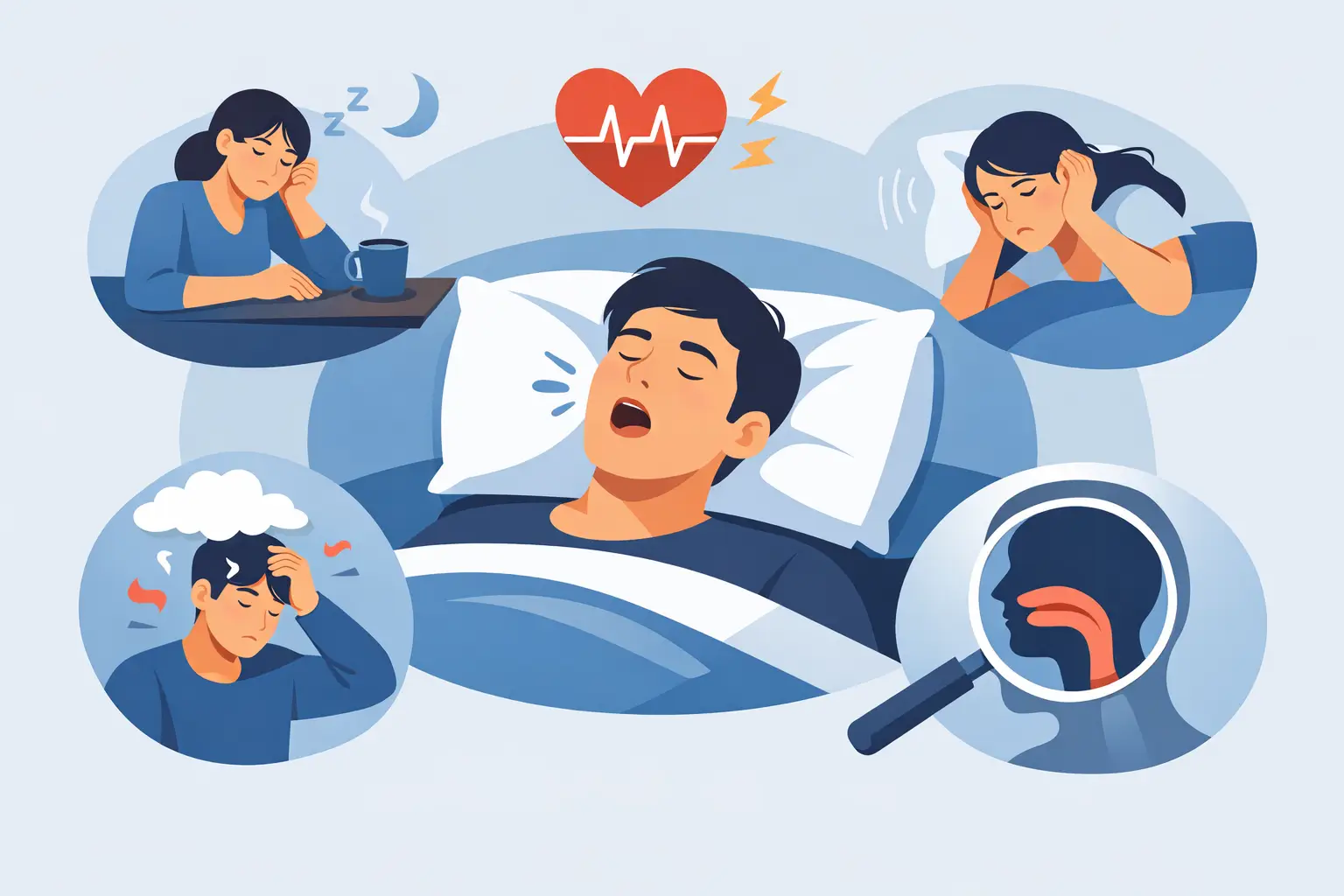
Not all snoring is harmless. If your partner gasps, chokes, stops breathing briefly, wakes with headaches, or is unusually sleepy during the day, it is time to take that seriously. Loud habitual snoring can sometimes be linked with obstructive sleep apnoea, which needs medical assessment rather than bedroom improvisation.
This is one of those cases where confidence and realism need to sit together. Many people who snore simply need a practical solution. But if the snoring is severe or paired with breathing pauses, the priority is proper evaluation. A ring, mouthpiece, or positional change is not a substitute for that.
Talking about snoring without starting an argument
Few bedtime problems create tension quite like this one. The snorer may feel blamed or embarrassed. The person losing sleep may feel ignored. Neither reaction helps.
The most useful approach is to make it a shared problem, not a personal flaw. Focus on sleep quality for both of you. Try plain language: you are both sleeping badly, so you are both going to try a better system. That keeps the conversation practical rather than accusatory.
It also helps to agree on what “better” looks like. Maybe the goal is fewer wake-ups. Maybe it is reducing the volume enough that earplugs work. Maybe it is getting through the night in the same room again. Clear expectations stop people from giving up too early or assuming a solution has failed because it was not perfect on night one.
The best approach is usually a layered one
If you want the most realistic answer to how to sleep beside a snorer, it is this: combine immediate relief for you with a credible attempt to reduce the snoring itself. That might mean earplugs or white noise on your side, plus side-sleeping support, reduced evening alcohol, or a non-invasive anti-snoring ring on theirs.
The reason this works better than relying on one miracle fix is simple. Snoring often has more than one trigger, and sleep disruption often has more than one solution. You do not need a dramatic overhaul. You need fewer wake-ups, less friction, and something you can actually keep doing.
A quieter night can change more than your energy levels. It can take the edge off bedtime dread, stop small resentments from building, and make your bedroom feel restful again. Start with the easiest improvement you can make tonight, then build from there. Better sleep is rarely about perfection. It is about finding what genuinely helps and sticking with it long enough to feel the difference.