Blog
Single Post
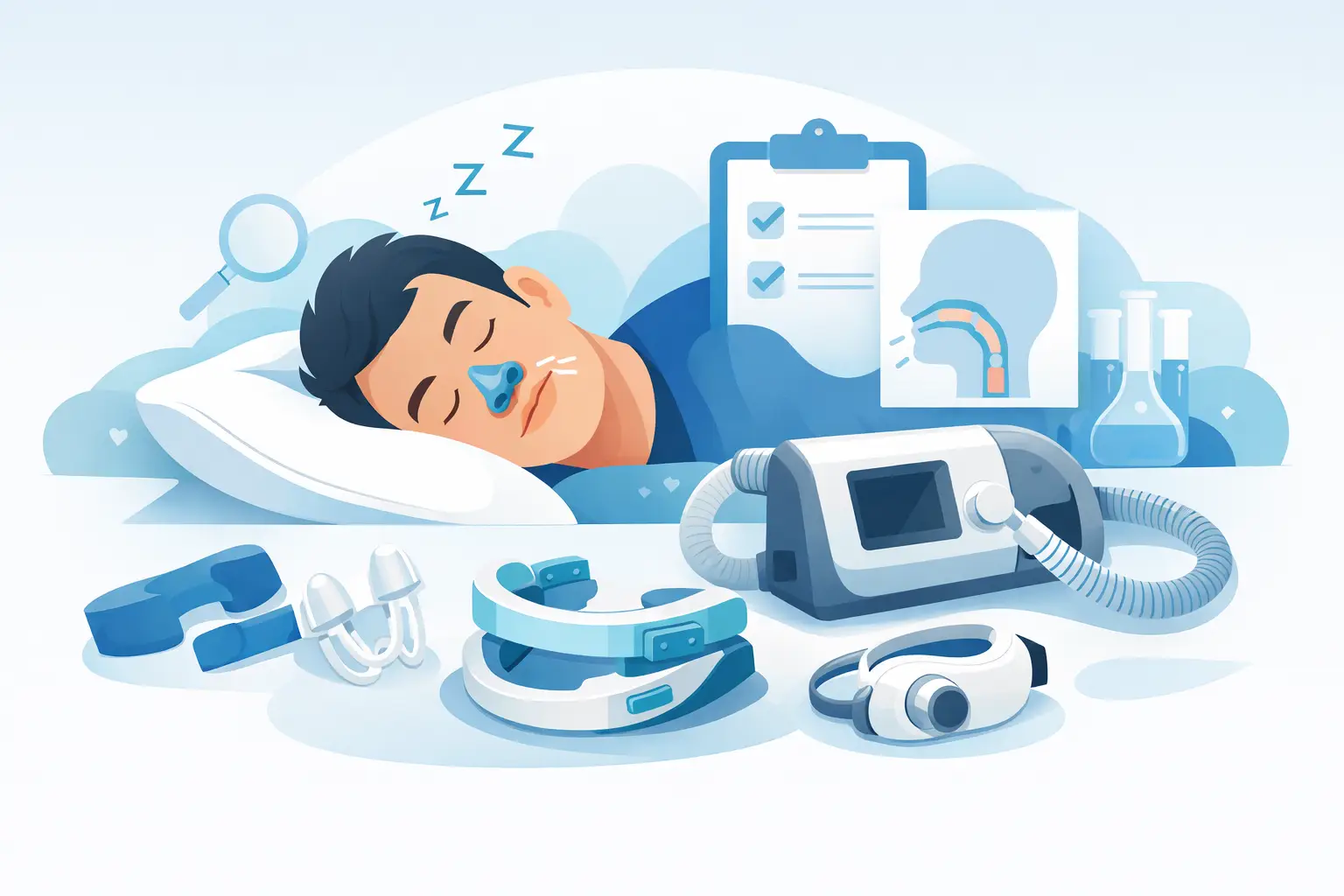
How to Choose a Clinically Tested Snoring Device
You do not need another gadget that ends up in the bedside drawer after three frustrating nights. If you are searching for a clinically tested snoring device, you are probably already tired of big promises, awkward designs and products that claim to fix everything without showing any real proof.
That scepticism is sensible. Snoring is common, but the reasons behind it are not identical from one person to the next. Some people snore because of sleeping position, some because of nasal congestion, and some because the soft tissues in the throat relax too much during sleep. That is why no honest brand should tell you that one device works for absolutely everyone. What you can look for, though, is something much more useful – a product that is comfortable enough to wear, simple enough to use every night, and backed by proper clinical testing rather than vague marketing.
What a clinically tested snoring device should actually mean
The phrase sounds reassuring, but not every brand uses it with the same level of substance. In plain terms, a clinically tested snoring device should be one that has been assessed in a structured trial or clinical setting, with measurable outcomes rather than just customer opinions.
That matters because anti-snoring products are easy to talk up and harder to prove. Anyone can collect a few glowing reviews. Clinical testing asks a stricter question: did the device reduce snoring in a meaningful way when used by real people under defined conditions?
You should also pay attention to how the brand presents that evidence. Are they clear that results vary? Do they explain what type of snorers the product is designed for? Do they rely only on dramatic before-and-after claims, or do they speak in a more grounded way? Credible brands tend to be direct. They explain the intended use, they avoid miracle language, and they make space for the fact that not every snorer will respond in the same way.
Not all snoring devices solve the same problem
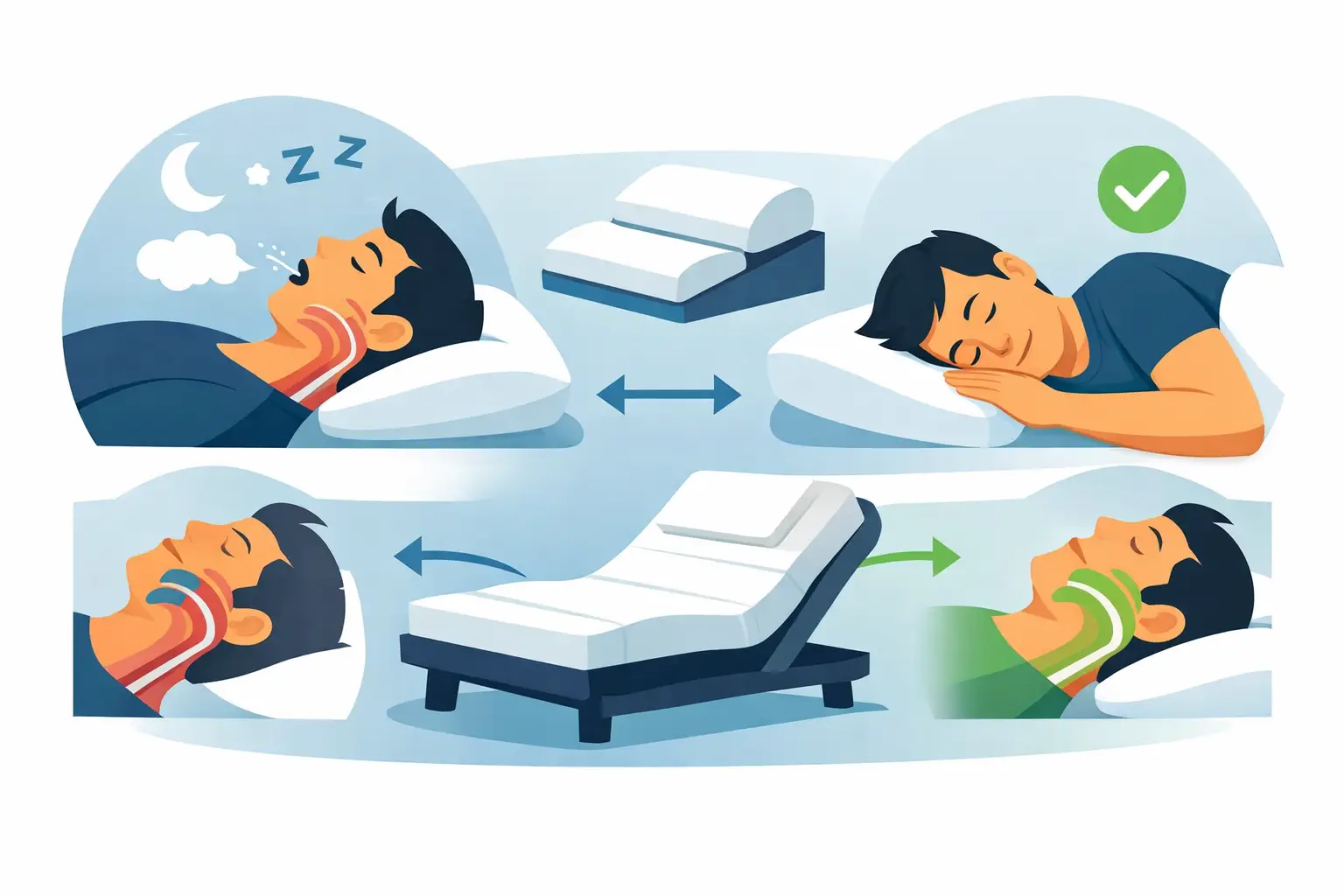
One reason people give up on anti-snoring products is that they buy the wrong type of device for their situation. A mandibular advancement mouthpiece, for example, works by moving the jaw forward. That can help some people, but others find it bulky, uncomfortable or difficult to stick with. Nasal strips may help if the issue is airflow through the nose, but they are less likely to help if the snoring is coming mainly from tissue vibration further down the airway.
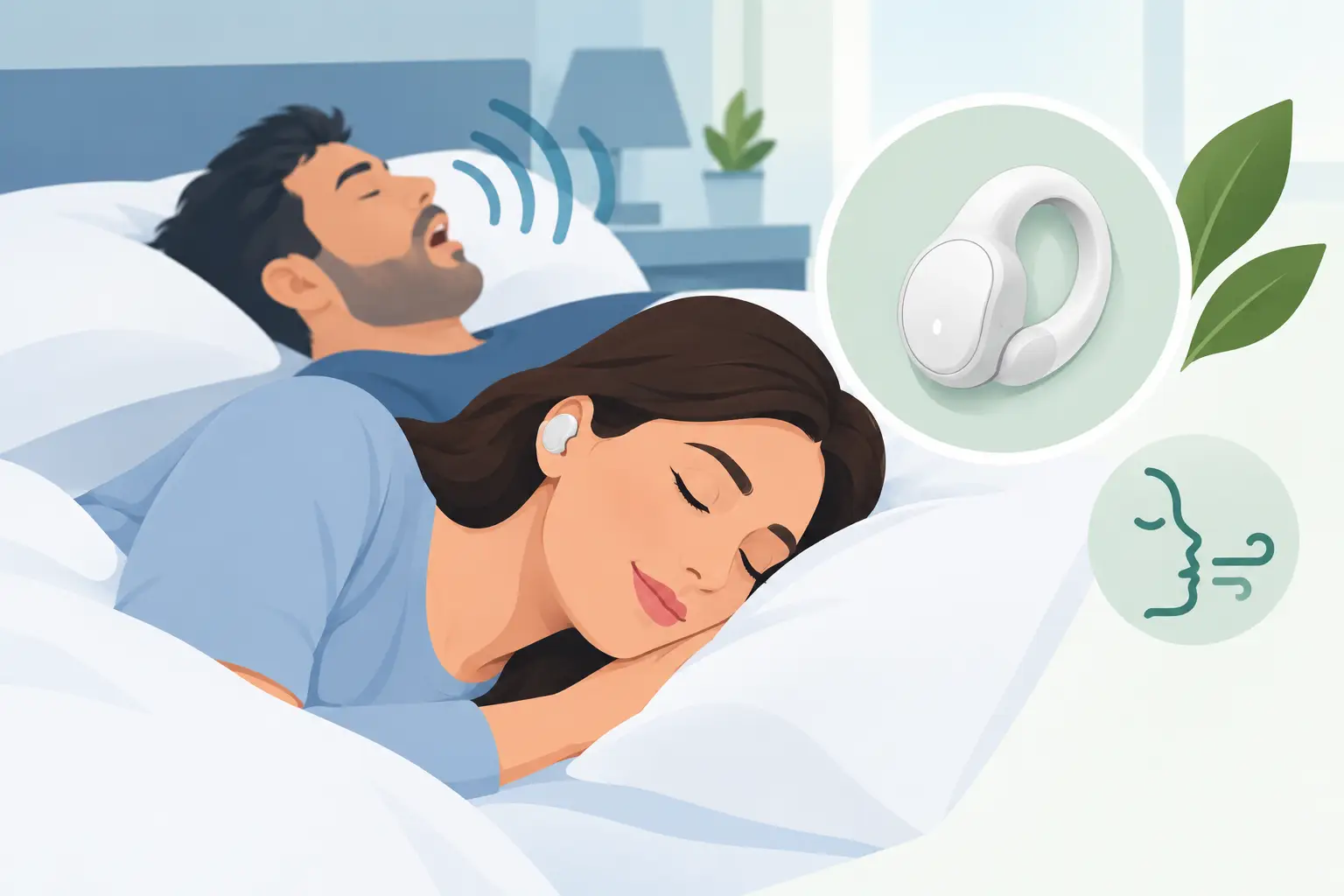
Then there are wearable options designed to be less intrusive. These appeal to people who want something simple, discreet and easy to make part of a nightly routine. For many couples, that matters more than clever packaging or technical jargon. If a device is awkward, it usually does not stay in use.
This is where trade-offs come in. A more aggressive device may offer stronger intervention, but it may also be harder to tolerate. A gentler option may be easier to wear consistently, but it may be most suitable for simple snoring rather than more complex sleep-related breathing issues. Comfort is not a minor detail. In practice, it often decides whether a product has any chance of working over time.
Why comfort and consistency matter as much as the claim
A snoring device only helps if it is used. That sounds obvious, but it is the part many shoppers overlook when they compare claims on a page.
If you dread putting a device in each night, or if it makes sleeping feel unnatural, chances are you will stop using it. This is one reason non-invasive options have become more appealing. People want something they can wear without feeling like they are going to bed with dental equipment or a medical contraption.
A clinically tested snoring device should not only have evidence behind it. It should also be realistic for normal life. Can you use it night after night? Is it discreet? Does it interfere with breathing, talking before sleep or general comfort? These questions are not secondary. They sit right at the centre of whether the product earns a place on your bedside table.
Clinically tested snoring device options – what to compare
When you are comparing products, ignore the hype for a moment and focus on a few practical points.
First, look at the mechanism. How is the device supposed to reduce snoring? A decent brand should explain this plainly. If the explanation feels evasive or overblown, that is usually a warning sign.
Second, look at the evidence. Clinical trial language should be backed by something specific, not just scattered references to testing. You do not need pages of scientific detail to make a buying decision, but you do need enough clarity to know the claim is not invented for marketing.
Third, check whether the product is designed for simple snoring or whether it is being presented as a fix for every sleep issue under the sun. That distinction matters. Honest brands stay in their lane.
Fourth, consider the risk to you as a buyer. A money-back guarantee does not prove a device works, but it does show whether a company stands behind it. If a brand is confident enough to offer a fair trial period and a full refund policy, that lowers the risk of trying something new.
Finally, look at whether the product feels like an elegant long-term option or a desperate last resort. For many people, the best device is not the most aggressive one. It is the one they will actually use because it fits comfortably into real life.
The appeal of a non-invasive wearable approach
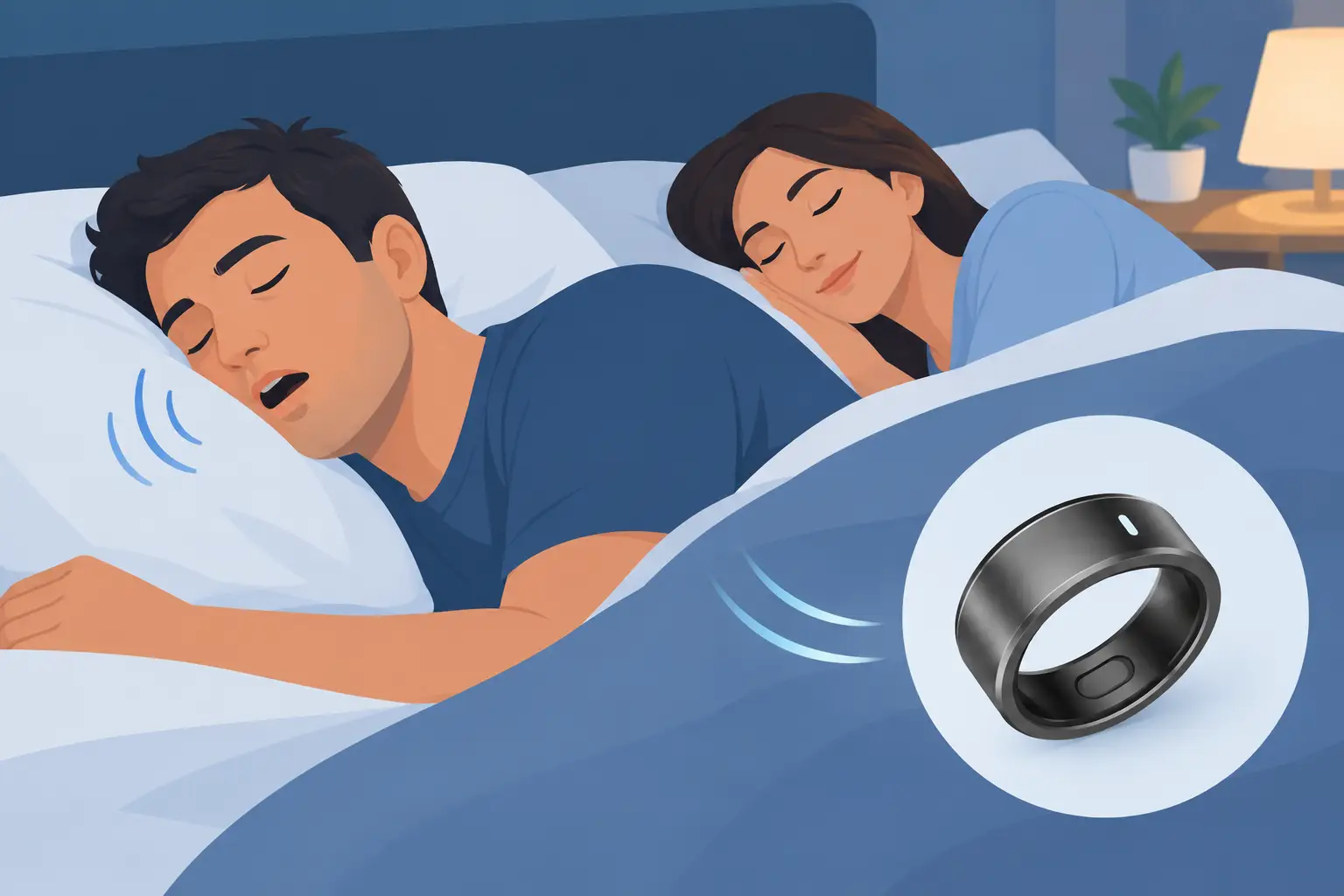
For adults who have already tried sprays, strips, pillows or mouthguards, a wearable ring can feel refreshingly straightforward. Rather than forcing the jaw forward or introducing a bulky object into the mouth, this type of product is designed to be worn on the finger during sleep.
That makes it especially attractive to people who want a natural-feeling, low-fuss option. It is also easier to understand why this approach appeals to partners. When snoring affects both sides of the bed, the ideal solution is often the one that creates the least extra disturbance while still offering a credible chance of relief.
The original stop snoring ring has built its reputation on exactly that balance – simplicity, comfort and proof-led messaging. It is positioned as a clinically trialled alternative for simple snorers who want to avoid bulky devices and medication-based approaches. That does not mean it is magic, and it should not be sold that way. It means it offers a more comfortable route for the right user, with lower friction at bedtime and less sense of sleeping with equipment.
What to watch out for in a crowded market
Snoring is a tempting market for copycat products because the problem is so common and the buyer is often desperate for relief. That is why appearance alone tells you very little. Two products may look similar online while differing sharply in build quality, testing and legitimacy.
Be wary of very cheap imitations that borrow the language of clinically tested products without offering the same standards behind the scenes. A professional-looking website or a few dramatic testimonials are not the same as a product that has genuinely been trialed, clearly described and sold with accountability.
You should also be cautious with brands that oversell certainty. A trustworthy company can be persuasive without pretending there are no limits. If a product is intended for simple snoring, it should say so. If it will not suit everyone, it should say that too. That kind of honesty usually signals a stronger product, not a weaker one.
When a snoring device may not be enough
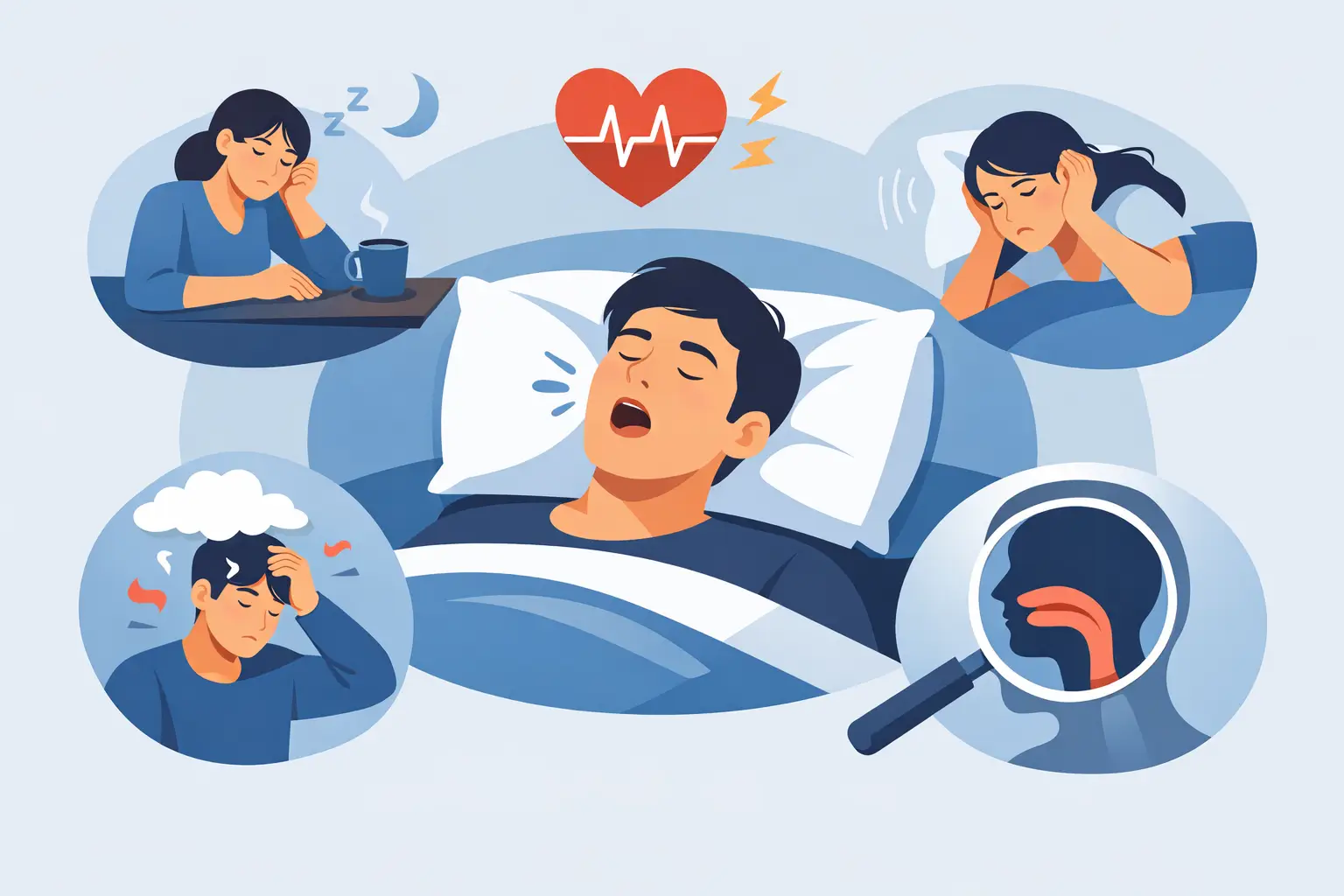
There is an important line here. Simple snoring and suspected sleep apnoea are not the same thing. If snoring is paired with choking, gasping, witnessed pauses in breathing, extreme daytime tiredness or morning headaches, you should not rely on an over-the-counter product as your only answer.
A clinically tested snoring device can be a sensible option for many adults with straightforward snoring, especially if comfort and ease of use have been barriers with other products. But if the signs point to something more serious, proper medical advice is the right next step.
That does not weaken the case for a device. It clarifies it. The best products are usually the ones that are sold with clear boundaries, because those boundaries help people choose more wisely.
The right choice is the one you will genuinely use
People often shop for anti-snoring products as if they are comparing abstract features. In reality, they are choosing something that has to work in the half-awake, real-world setting of bedtime. That is why simplicity matters. It is why comfort matters. It is why proof matters.
If you are considering a clinically tested snoring device, look for the combination that gives you the best odds: credible evidence, straightforward claims, a non-invasive design if that suits you, and a refund policy that takes some of the pressure off the decision. Good Night Health has built its offer around those exact concerns because most customers do not want a dramatic solution – they want one that feels believable, comfortable and worth trying.
A better night does not usually start with the loudest claim. It starts with a product honest enough to tell you where it helps, simple enough to use properly, and credible enough to deserve a place by the bed.