Blog
Single Post
How to Sleep Better With a Snoring Partner
You do not need another lecture about sleep hygiene when the real problem is the noise next to you. If you are trying to sleep better with a snoring partner, you already know the pattern – you drift off, the snoring starts, and suddenly both of you are tired, irritated, and blaming the wrong thing.
Snoring is not just an annoying bedtime habit. It can affect mood, concentration, intimacy, and how patient you feel with each other by breakfast. The good news is that simple snoring often responds well to practical changes. The less good news is that not every fix works for every couple, and some so-called solutions are bulky, uncomfortable, or quickly abandoned.
Why it is so hard to sleep better with a snoring partner
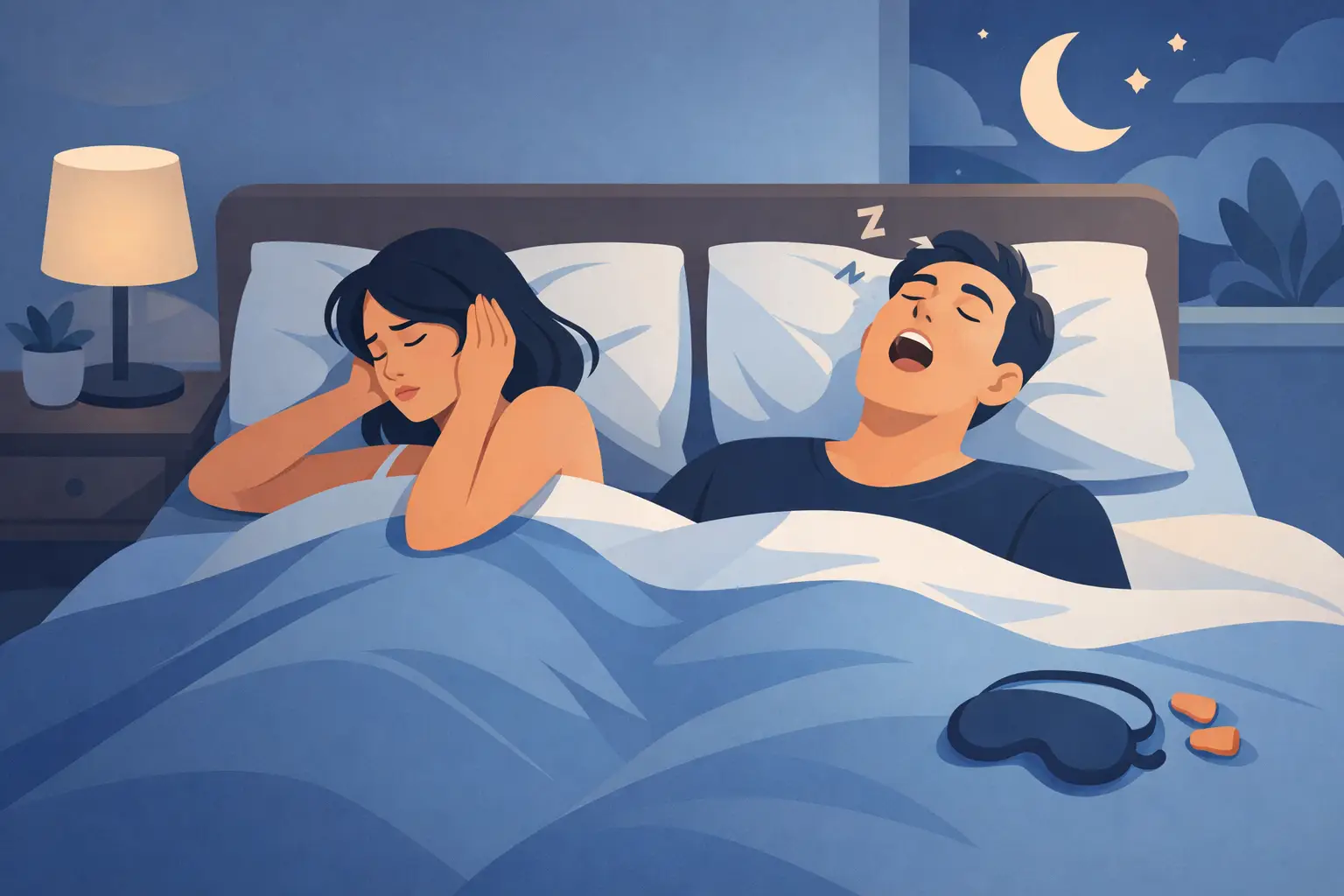
Snoring is disruptive because it is unpredictable. A steady background sound is one thing. Intermittent, uneven noise is another. Your brain keeps reacting to it, even when you are exhausted enough to fall asleep in between the louder bursts.
That is why many partners say they are technically in bed for seven or eight hours but still wake feeling unrefreshed. Broken sleep adds up. It can leave one person resentful and the other defensive, especially if the snorer feels judged for something they are not doing on purpose.
There is also a practical problem. Most advice for the non-snoring partner focuses on coping rather than solving. Earplugs, white noise, and separate duvets can help, but they are often workarounds. If the snoring continues night after night, what most couples really want is a way to reduce the snoring itself.
Start with the cause, not just the noise
Snoring happens when airflow is partially obstructed and tissues in the airway vibrate during sleep. That can be linked to sleeping position, nasal congestion, alcohol, weight, tiredness, or age-related changes in muscle tone. Sometimes it is simple snoring. Sometimes it points to something more serious.
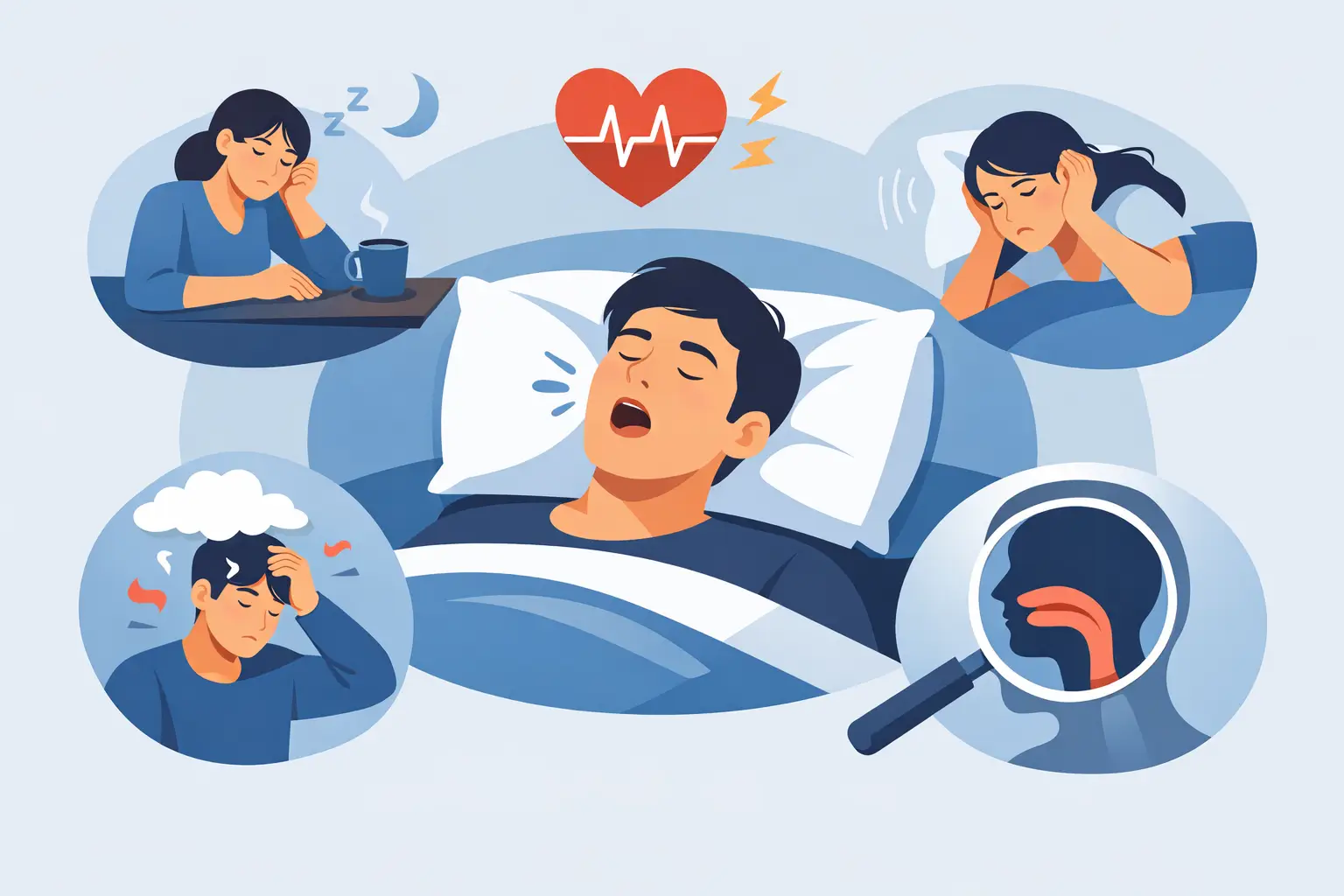
This matters because the right next step depends on what is driving the sound. If your partner only snores after a few drinks or mainly when sleeping on their back, you may not need an elaborate routine. If they snore heavily every night, seem to stop breathing, gasp, or wake with headaches, it is worth taking that seriously and seeking medical advice.
There is no benefit in pretending every snorer has the same problem. They do not. Honest advice starts there.
What helps couples sleep better with a snoring partner
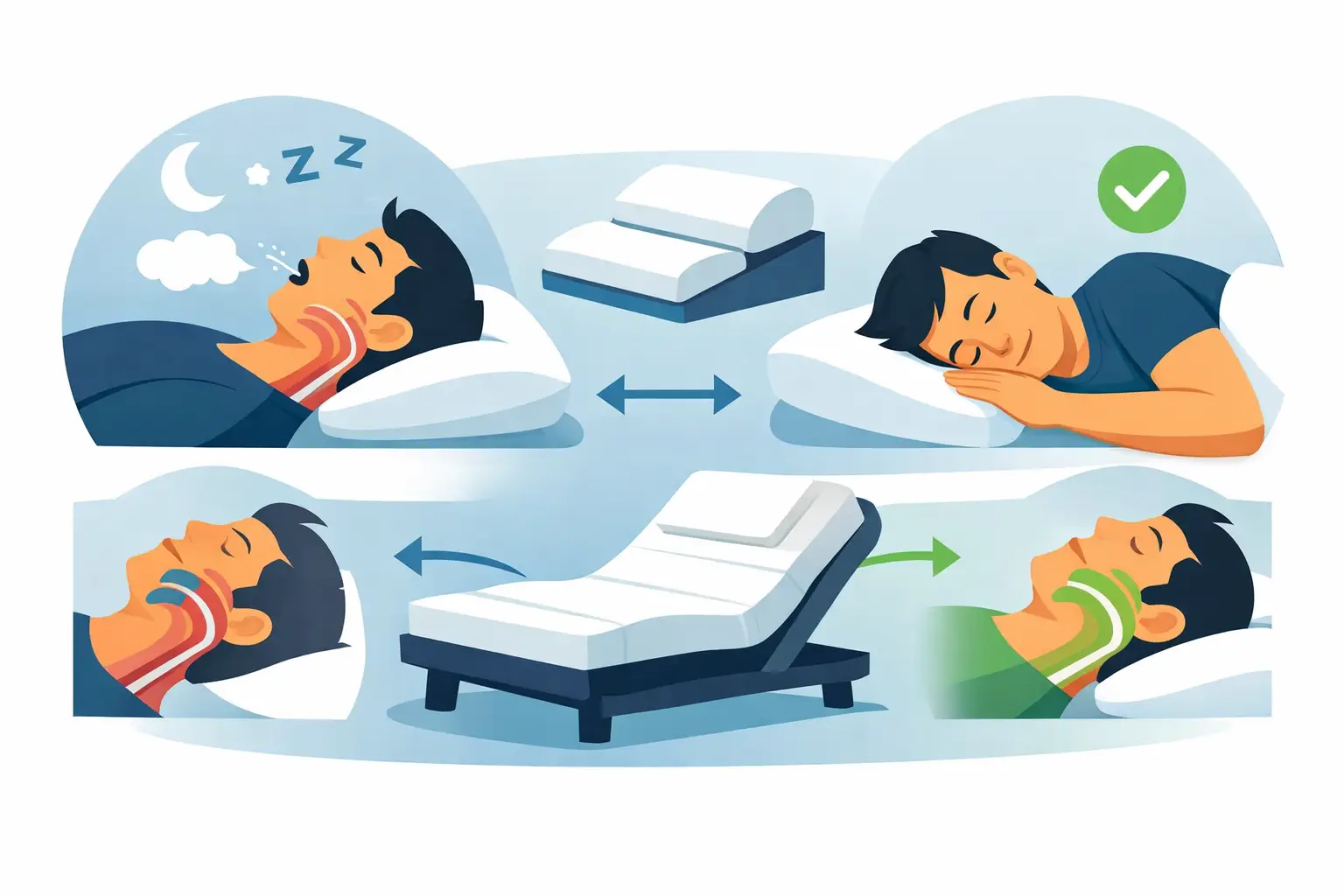
The first changes are often the simplest. If snoring is worse on the back, side sleeping can make a real difference. If congestion is part of the issue, improving nasal airflow before bed may help. If alcohol makes the noise worse, cutting back in the evening can be surprisingly effective.
These steps are worth trying because they are low effort and low risk. The challenge is consistency. A position change helps only if your partner stays in that position. A nasal strip helps only if the snoring is actually linked to nasal blockage. Lifestyle changes can improve things, but they do not always solve the problem enough for a tired partner at 2 am.
That is where many couples become frustrated. They have tried the obvious advice and still ended up sleeping badly. The next category of solutions often includes mouthpieces, chin straps, sprays, and various devices that promise a lot but are uncomfortable enough to end up in a drawer.
The problem with bulky anti-snoring products
A product does not help if someone refuses to wear it. That sounds obvious, but it is exactly why many anti-snoring products fail in real life.
Mouthguards can feel intrusive. Some people cannot tolerate sleeping with something fitted over their teeth. Others find them awkward, dry, or simply too much effort to use every night. Drug-based products are not the right answer for a problem that many people want to solve naturally. And cheap copycat gadgets often look promising until you actually try to sleep in them.
For couples, comfort matters as much as theory. The best anti-snoring approach is often the one that feels simple enough to become routine. If it is discreet, non-invasive, and easy to wear, there is a much better chance it will still be in use a month later.
A simpler way to sleep better with a snoring partner
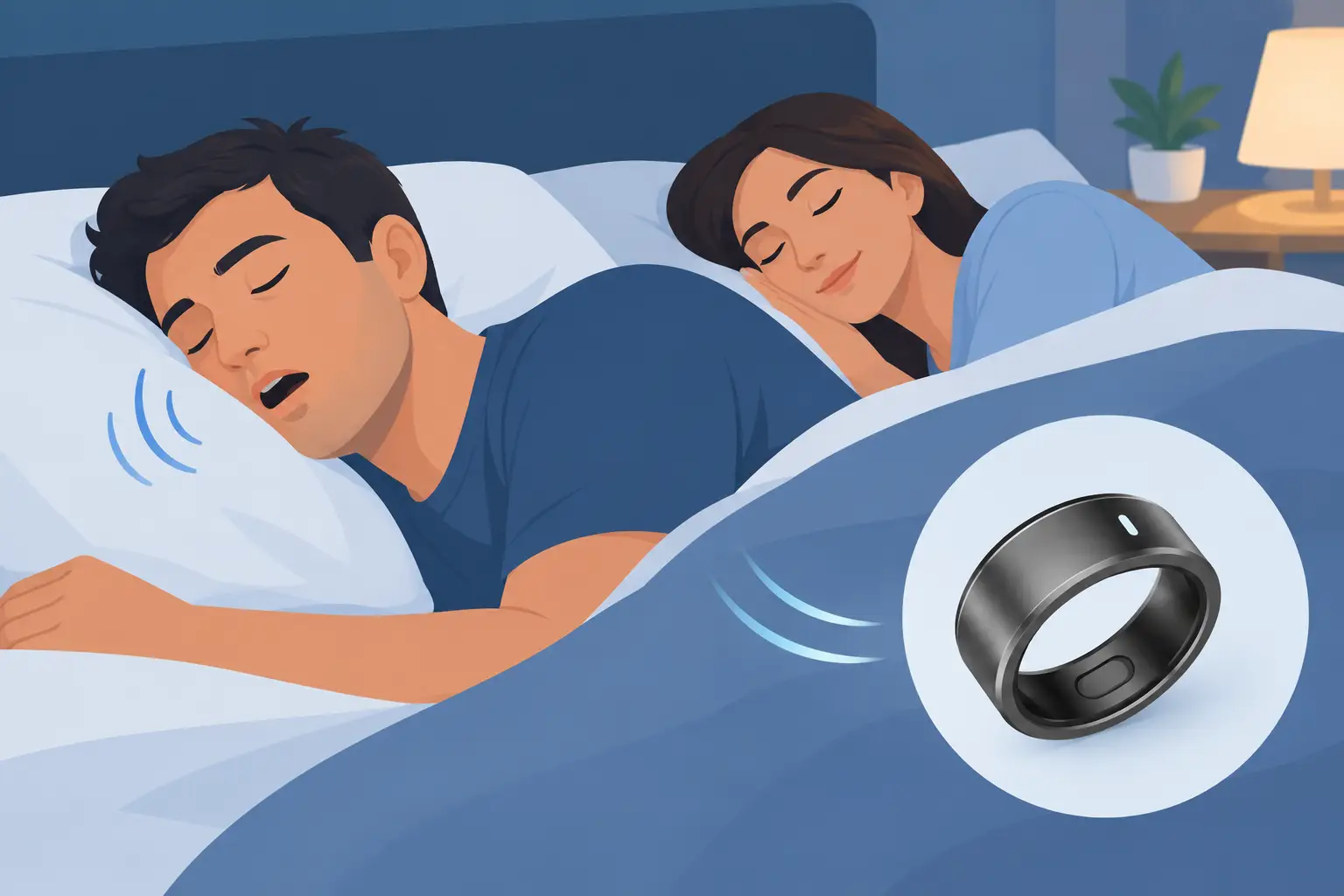
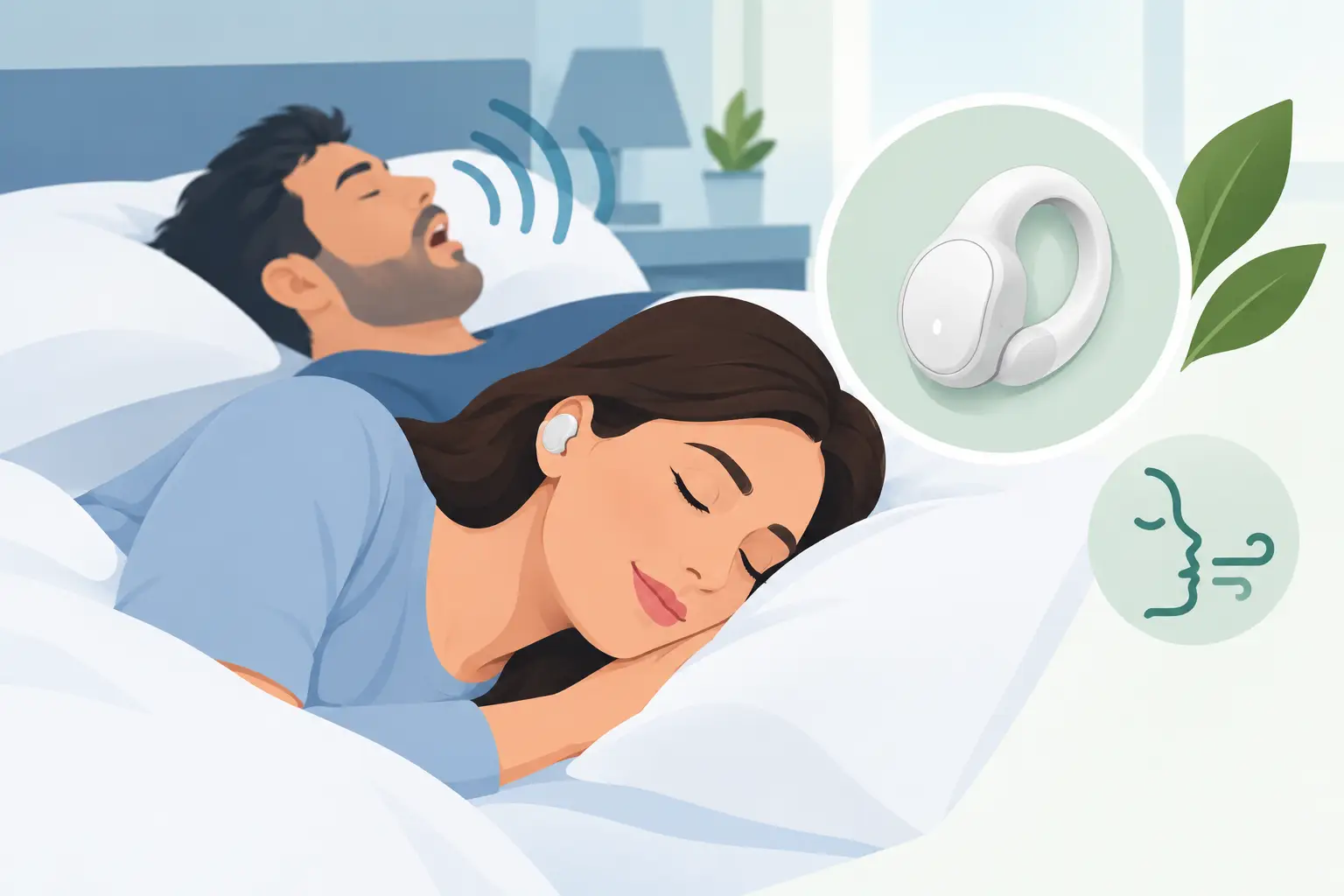
This is why interest has grown in non-invasive options such as the original stop snoring ring. Rather than forcing the jaw into position or adding a bulky device to the mouth, an anti-snoring ring uses acupressure points on the little finger while you sleep.
For people with simple snoring, that kind of approach has clear appeal. It is small, easy to wear, and does not ask the snorer to tolerate a mouthpiece or medication. Just as importantly, it is designed for the person doing the snoring, which means the burden is not pushed entirely onto the partner to cope with the noise.
At Good Night Health, the focus is deliberately narrow: a clinically trialled, FDA-cleared anti-snoring ring designed as a natural alternative to more intrusive products. That does not mean it works for everyone, and we are clear about that. But for many couples, the appeal is obvious – a simple nightly step, no bulky equipment, and a full refund guaranteed if it is not the right fit.
Why trust matters in this category
If you have tried anti-snoring products before, scepticism is reasonable. This market is full of exaggerated promises and lookalike products that trade on urgency rather than evidence.
That is why legitimacy matters. Couples are not just buying a product. They are buying the chance of a quiet night, less tension, and more normal mornings. Claims should be backed by something more than flashy packaging.
A clinically trialled product with a refund policy gives people a more sensible way to test whether it helps. It reduces the risk and cuts through some of the noise around copycats. When sleep is involved, confidence should come from proof and practicality, not hype.
What the non-snoring partner can do tonight
While the snorer is working on reducing the cause, the partner still needs rest. It is reasonable to use white noise, a fan, or soft earplugs as short-term support. There is no prize for suffering through it.
It also helps to talk about the issue in daylight rather than after another broken night. A calm conversation is more productive than a 3 am elbow. Most snorers are embarrassed by the problem already. Framing it as a shared sleep issue usually gets better results than blame.
If you are both exhausted, try one change at a time for a few nights rather than five at once. That makes it easier to work out what is actually helping. A side-sleeping adjustment, less alcohol before bed, and a comfortable anti-snoring product are all reasonable places to start.
When snoring needs a medical check
Not all snoring is simple snoring. If your partner snores very loudly, seems to stop breathing, chokes or gasps in sleep, or is extremely sleepy during the day, it is worth speaking to a healthcare professional. The same applies if they wake with a dry mouth, headaches, or feel unrefreshed despite enough time in bed.
A wearable anti-snoring solution can be a helpful option for simple snoring, but it is not a substitute for proper assessment when warning signs are present. The sensible approach is to be practical and alert at the same time.
Better sleep is often a relationship fix too
When couples finally deal with snoring properly, the change is not just quieter nights. It is less irritation, fewer midnight wake-ups, and less temptation to retreat to the spare room. Sleep affects patience, closeness, and how generous you feel with each other.
That is why solving snoring is rarely a small issue. If a simple, natural, non-invasive option helps reduce the noise without making bedtime more complicated, it can feel like a much bigger win than the product itself.
If you are trying to sleep better with a snoring partner, aim for something realistic: a solution the snorer will actually use, evidence you can trust, and enough honesty to know that comfort and consistency matter just as much as claims. Quiet nights are not always instant, but they are often closer than tired couples think.