Blog
Single Post
7 Best Snoring Aids for Couples
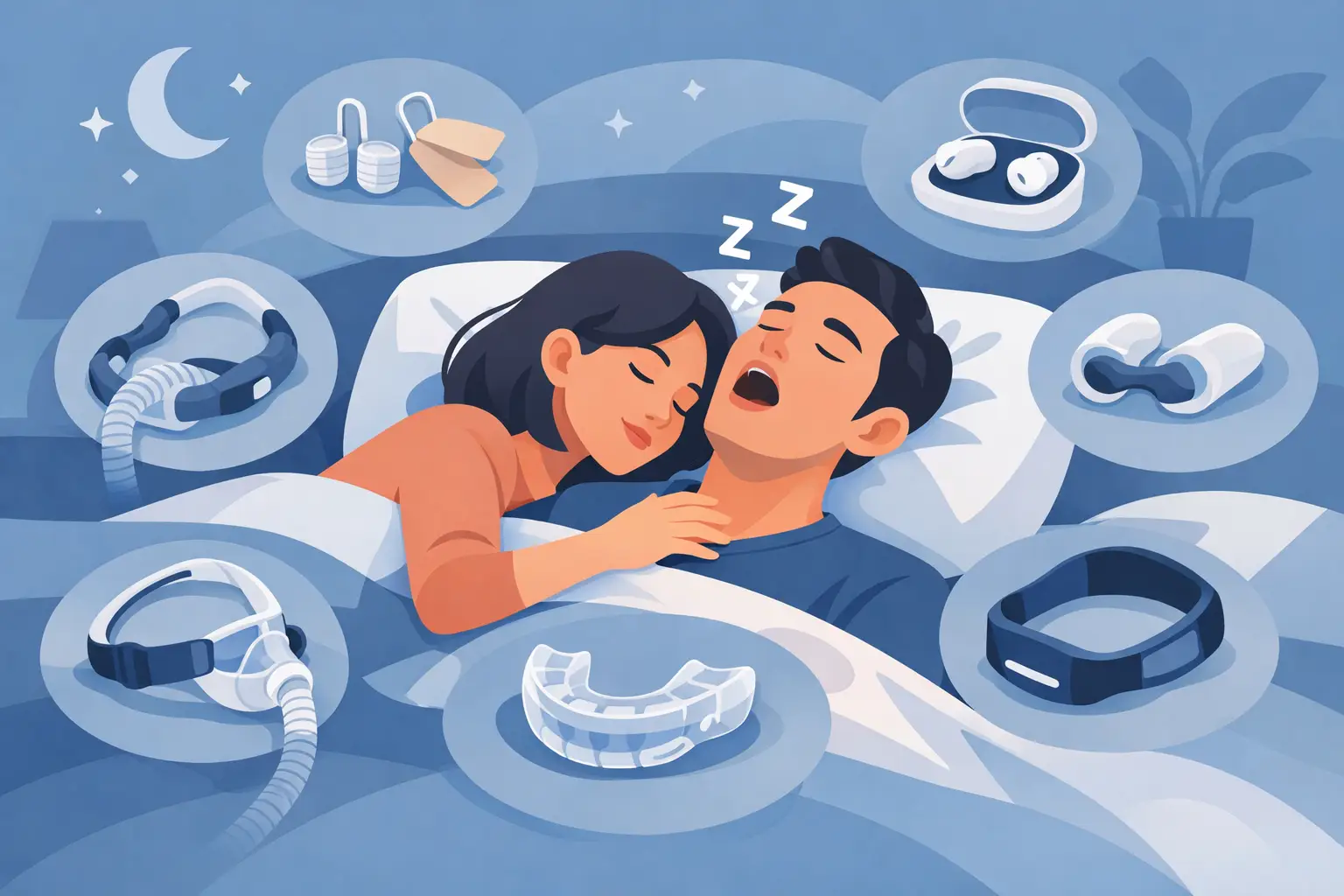
A lot of couples do not start by searching for the best snoring aids for couples. They start at 2:13 am, with one person staring at the ceiling and the other being nudged for the third time. After enough broken nights, it stops feeling like a small annoyance and starts affecting mood, patience and how you feel about going to bed at all.
That is why the right anti-snoring aid is not really about gadgets. It is about finding something you will actually use, something your partner can trust, and something that does not make bedtime more complicated than it already is. The best option depends on what is causing the snoring, how severe it is, and how much comfort matters to you both.
What makes the best snoring aids for couples?
For couples, the bar is higher than simply finding a product that might reduce noise now and then. It needs to be practical night after night. If an aid is bulky, embarrassing, hard to clean or uncomfortable after an hour, most people stop using it. When that happens, the snoring returns and so does the frustration.
The best snoring aids for couples usually share a few qualities. They are easy to wear, discreet, low-fuss and realistic for long-term use. They should also suit simple snoring rather than pretending to fix every possible cause. Honest products make that distinction clear.
If snoring is linked to suspected sleep apnoea, frequent choking sounds or major daytime fatigue, you should speak to a medical professional rather than relying on over-the-counter aids alone. For straightforward snoring, though, there are several sensible options worth considering.
1. Anti-snoring rings
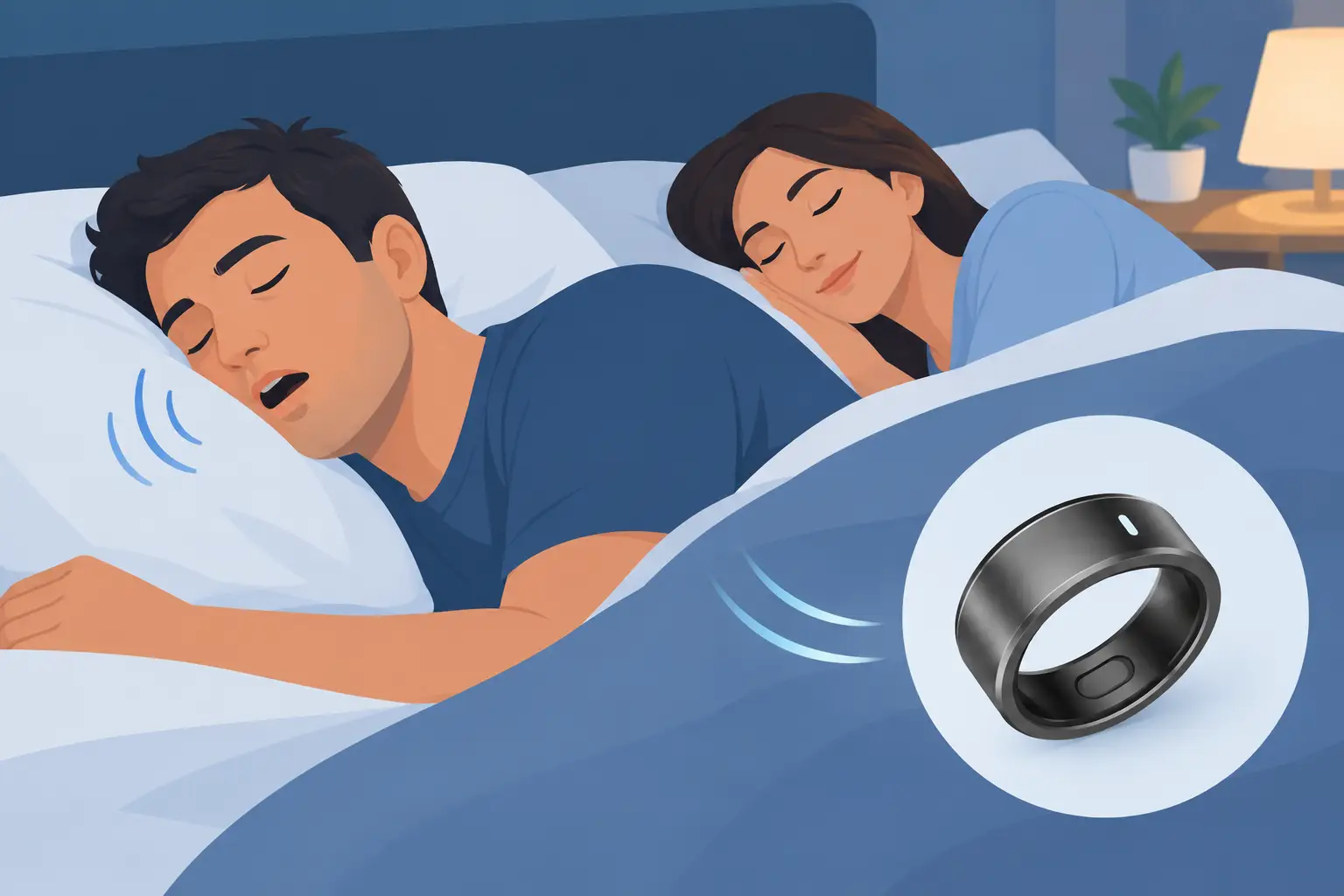
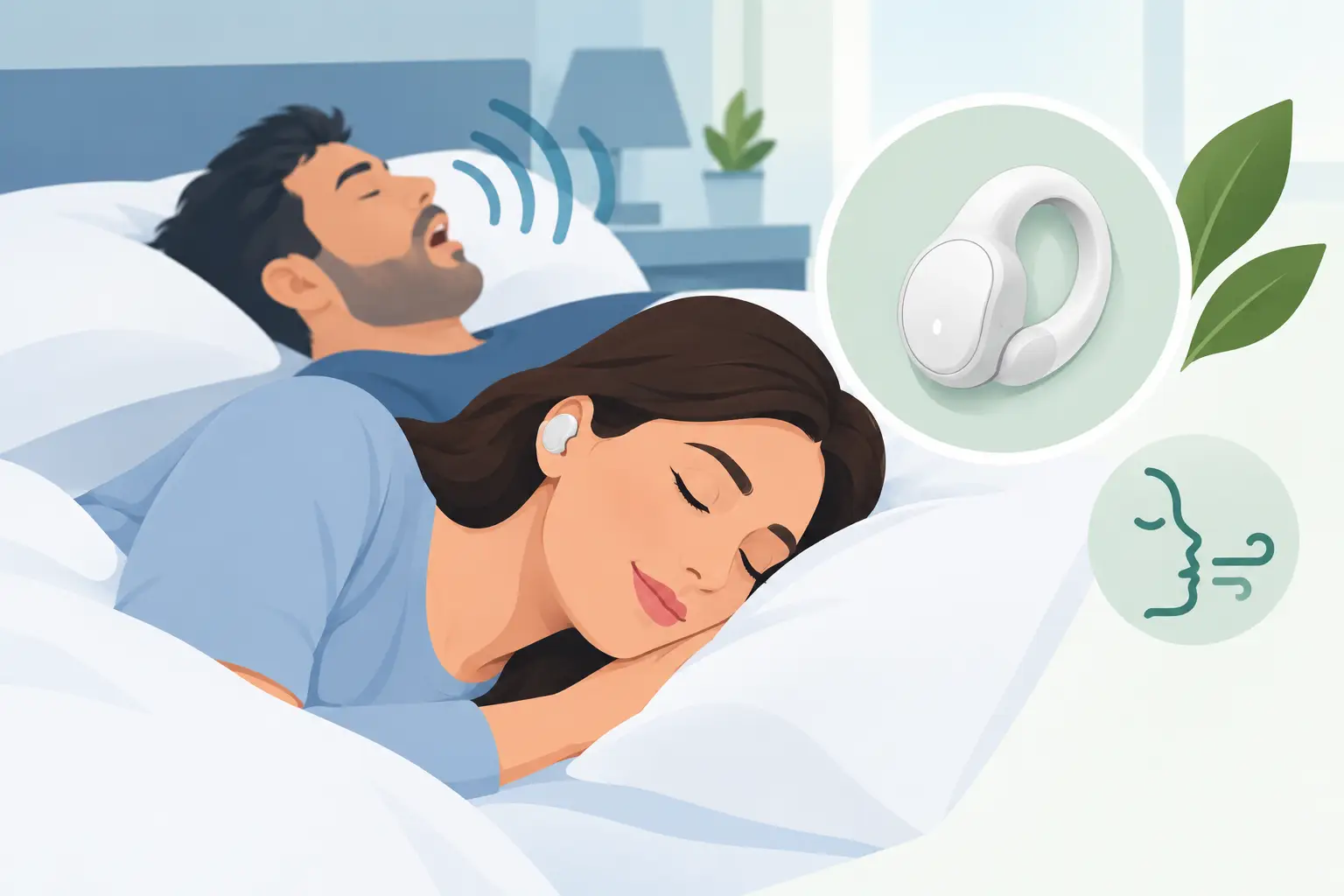
For many couples, anti-snoring rings are one of the most appealing places to start because they are simple and non-invasive. Instead of sitting in the mouth or forcing the jaw into position, they are worn on the little finger and use acupressure points associated with reducing simple snoring.
The main advantage is comfort. A ring is small, discreet and easy to make part of your normal bedtime routine. It also avoids many of the objections people have to more intrusive products. There is nothing to boil, mould, plug in or strap on. That matters when consistency is the difference between a product that helps and one that ends up in a drawer.
Of course, this kind of aid is not a magic fix for everyone. No credible brand should claim otherwise. But if you want a natural option that feels elegant rather than clinical, the original clinically trialled stop-snoring ring from Good Night Health is the sort of product couples often find easier to live with than mouthpieces or bulky devices. The fact that it is FDA-cleared in the US and sold with a money-back guarantee also matters to buyers who are tired of cheap copycats and overblown promises.
2. Mandibular advancement mouthpieces
Mouthpieces are one of the most common anti-snoring products on the market. They work by gently moving the lower jaw forward to help keep the airway more open during sleep. For some people, especially those whose snoring gets worse when the jaw relaxes backwards, they can be effective.
The trade-off is comfort. Many people struggle with the bulk, the fit or the feeling of sleeping with something clamped around the teeth. Some also notice jaw soreness, drooling or a dry mouth. If you already dislike retainers or gum shields, this may not be the option you stick with.
For couples, mouthpieces can still be worth trying if snoring is strong and positional changes have not helped. But they tend to work best for people who are highly motivated and willing to accept a more intrusive solution.
3. Positional sleep aids
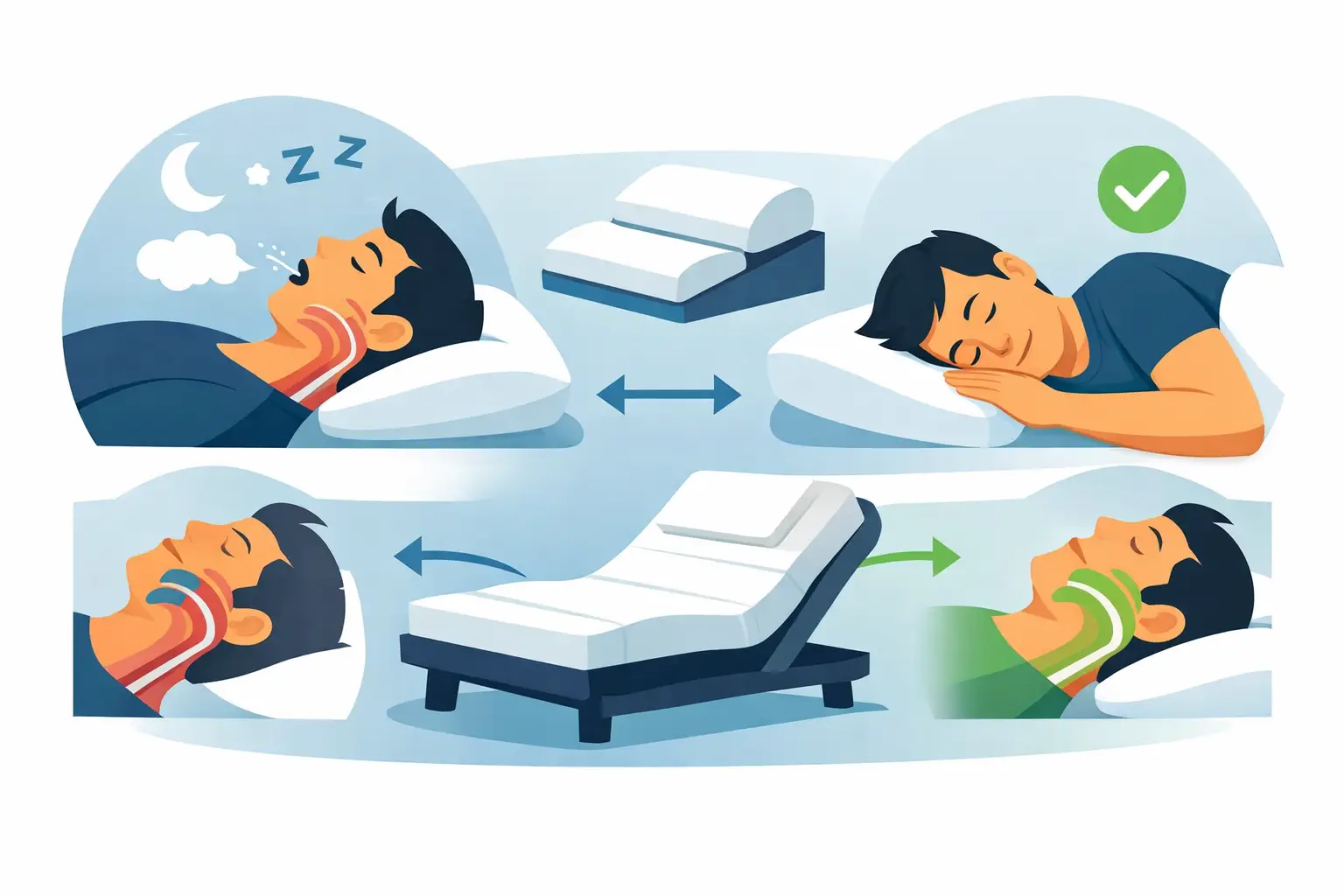
A lot of snoring gets worse when someone sleeps on their back. In that position, the tongue and soft tissues are more likely to fall backwards and narrow the airway. Positional aids are designed to encourage side sleeping.
This can be as basic as a backpack-style device, a body pillow or a wearable reminder that makes back sleeping less comfortable. The benefit is obvious – it is drug-free and can work surprisingly well for people with clearly positional snoring.
The downside is that it only helps if back sleeping is the main trigger. Some people also find these aids irritating because they disturb natural movement in bed. If one partner already sleeps lightly, constant shifting can become its own problem.
4. Nasal strips and nasal dilators
If the snoring is linked to blocked or narrow nasal passages, nasal strips or internal nasal dilators may help. They improve airflow through the nose, which can reduce the need to breathe through the mouth and may lessen snoring in some cases.
These are often a good short-term option during a cold, hay fever flare-up or seasonal congestion. They are inexpensive and easy to test. For mild snorers, that simplicity is appealing.
Still, they have limits. If the snoring is coming from the throat rather than the nose, they may do very little. Couples often try these first because they are accessible, but they are not the strongest option for more persistent snoring.
5. Chin straps
Chin straps are designed to hold the mouth closed during sleep, encouraging nasal breathing. In theory, that sounds straightforward. In practice, results are mixed.
They may help people whose snoring is mainly caused by sleeping with the mouth open, but they can feel restrictive and are not especially elegant. Many people dislike the look and feel of a strap around the head, and that matters more than brands like to admit. If something feels awkward or unflattering every night, adherence drops quickly.
For couples looking for a discreet answer, chin straps are rarely the most attractive first choice. They can work in narrow cases, but comfort tends to be the sticking point.
6. Humidifiers and bedroom air changes
Dry air can irritate the nose and throat, which may make snoring worse for some people. A humidifier will not cure structural snoring, but it can support better breathing conditions, particularly in winter or in homes with very dry heating.
This is best seen as a support measure rather than a core anti-snoring aid. It may take the edge off irritation, but it is unlikely to solve a long-running snoring issue on its own. Still, for couples trying to improve sleep as a whole, room conditions are worth checking. Temperature, dryness and allergens can all affect how noisy the night becomes.
7. Lifestyle-based snoring aids
Not every useful snoring aid is a device. Weight changes, evening alcohol, heavy late meals and smoking can all worsen snoring. For some people, the most effective improvement comes from changing what happens before bed rather than what they wear in bed.
That said, couples should be realistic here. Lifestyle changes can help, sometimes a lot, but they usually take time and discipline. They are also not always enough on their own. If your partner needs quieter nights now, a practical wearable or mechanical aid may still be the better short-term answer while longer-term habits improve.
How couples should choose between snoring aids
The best choice usually comes down to tolerance, cause and consistency. If the snorer hates anything bulky, a ring or nasal option is more likely to be used than a mouthpiece. If the snoring is severe and linked to jaw position, a mouthpiece may offer stronger mechanical support, but only if the wearer can tolerate it. If the noise mainly appears when sleeping on the back, positional aids may be enough.
It also helps to think beyond the first night. Couples often buy based on desperation, then discover the product is too awkward for nightly use. A better question is this: can we imagine using this comfortably for the next three months? If the answer is no, it is probably not the right fit, however impressive the marketing sounds.
Trust matters as well. The anti-snoring market is full of copied designs and exaggerated claims. Look for brands that explain who the product is for, acknowledge that no aid works for everyone, and reduce risk with a clear guarantee. That is usually a better sign than dramatic before-and-after promises.
When snoring needs more than an aid
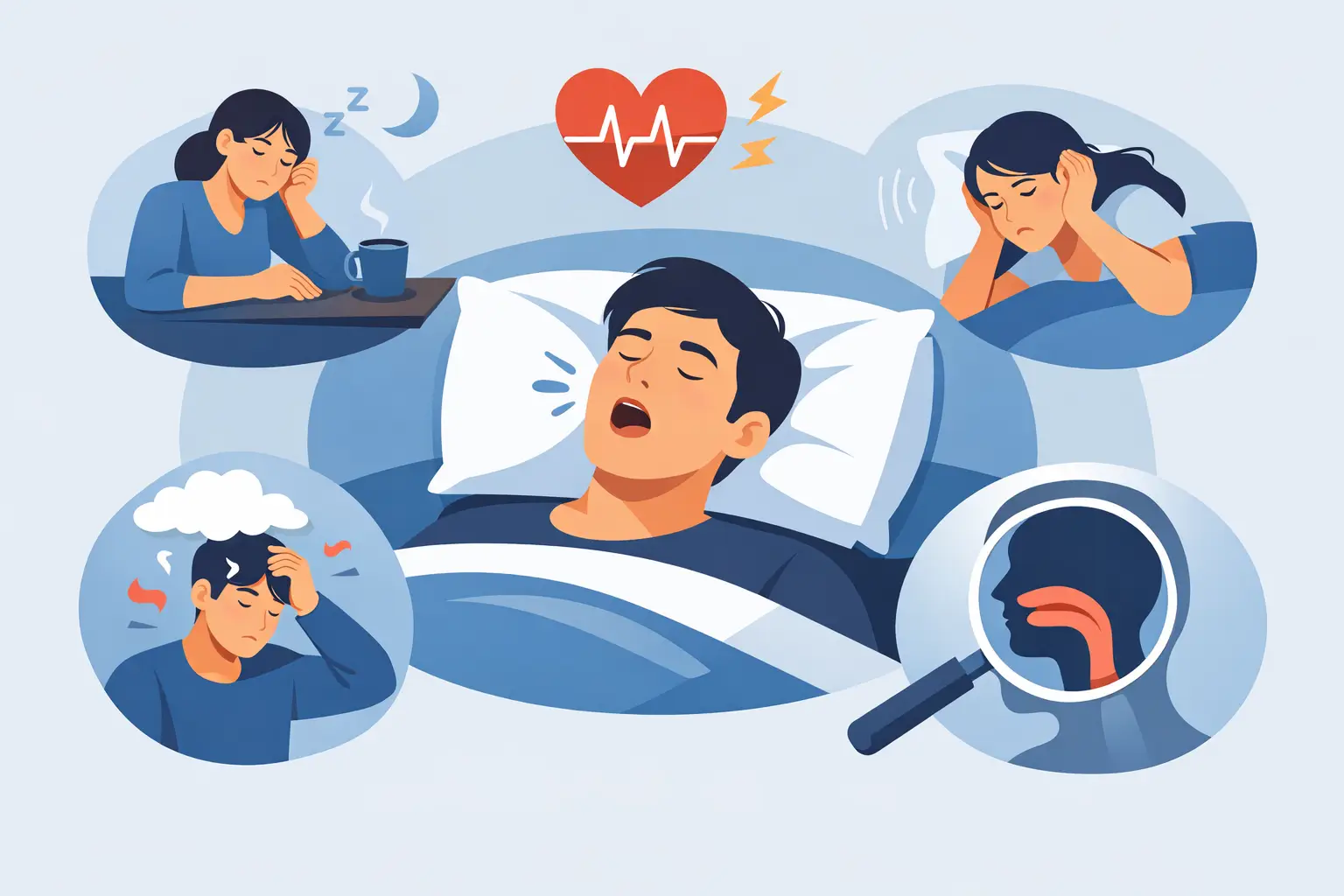
If snoring is paired with gasping, choking, witnessed pauses in breathing, morning headaches or extreme tiredness, it is time to look beyond consumer products. Those signs can point to sleep apnoea or another medical issue that needs proper assessment.
That does not mean every loud snorer has a serious condition. But couples should not ignore warning signs in the hope that a quick purchase will sort everything out. The right solution starts with the right problem.
For many couples, better sleep starts when the solution feels manageable, not miserable. The product that gets used every night is usually the one that makes the real difference.