Blog
Single Post
Snoring Relief Without Medication That Works
If you are searching for snoring relief without medication, you are probably past the stage of gimmicks. You want a quieter night, your partner wants uninterrupted sleep, and neither of you wants to turn bedtime into a medical procedure. That is exactly why non-drug options matter – they can be simpler, more comfortable, and easier to stick with over time.
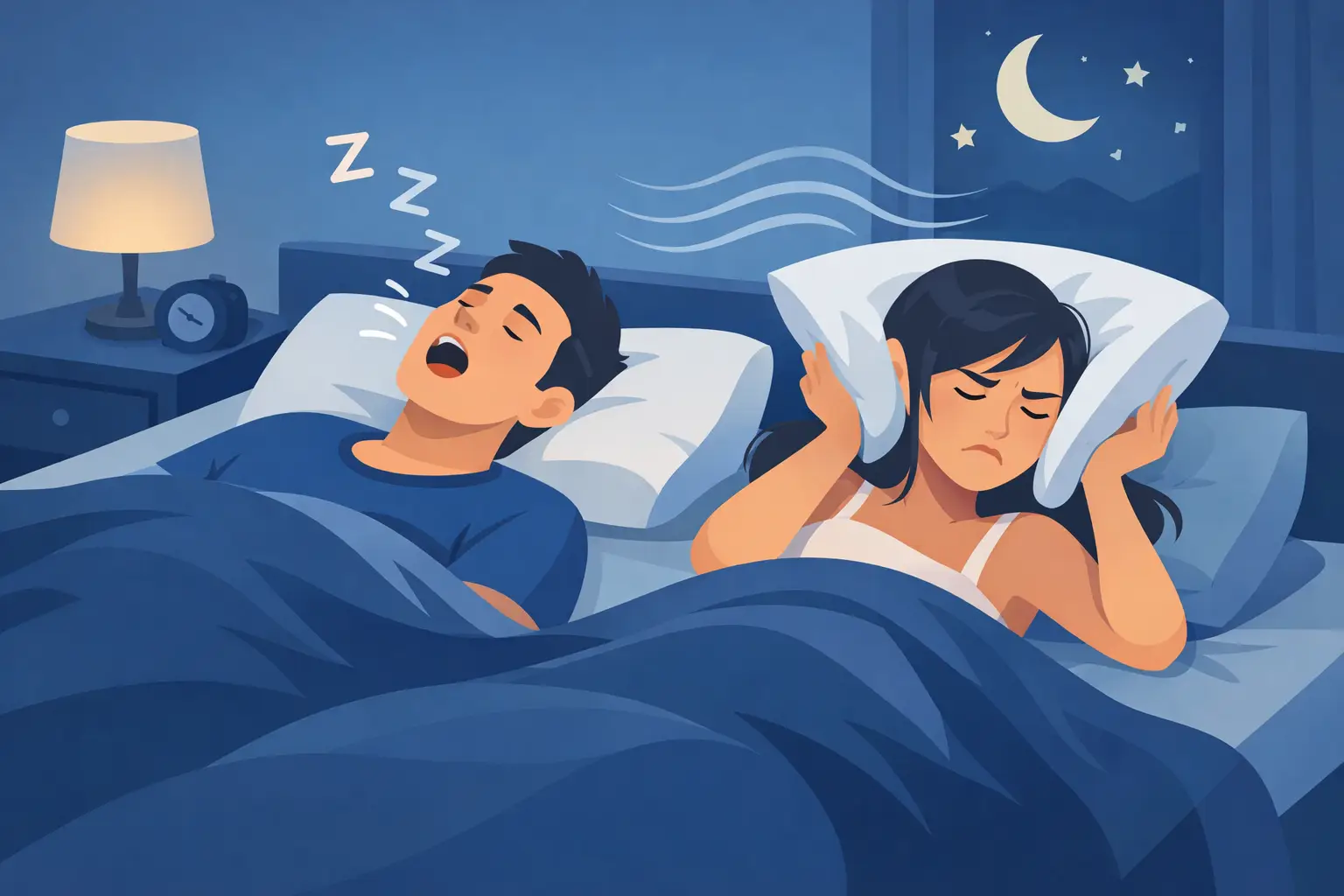
Snoring is common, but that does not make it harmless to live with. For some couples, it becomes the nightly argument nobody wants to have. One person is exhausted from the noise, the other wakes up defensive, embarrassed, or both. The good news is that simple snoring often responds well to practical changes and non-invasive support. The less good news is that not every remedy works for every snorer.
Why people want snoring relief without medication
Medication is not the obvious answer for simple snoring in the first place. Snoring usually happens because airflow is partially obstructed as throat tissues relax during sleep. In other words, it is often a mechanical problem, not something best solved with a tablet. Many people also want to avoid side effects, dependency, drowsiness, or adding another product to their routine unless it is truly necessary.
There is also a comfort issue. If you already dislike bulky mouthguards, nasal gadgets, or anything that feels clinical, medication can seem like another compromise rather than a real solution. Most adults want something discreet, low effort, and realistic to use every night. That is why the best non-drug approaches tend to be the ones people will actually keep using.
What actually helps with snoring relief without medication
The most effective approach depends on why you snore. That is the part many products gloss over. A remedy that helps when snoring is linked to sleeping position may do very little if the main issue is congestion, weight gain, alcohol before bed, or a narrow airway. Honest advice starts there.
Positional changes can make a real difference
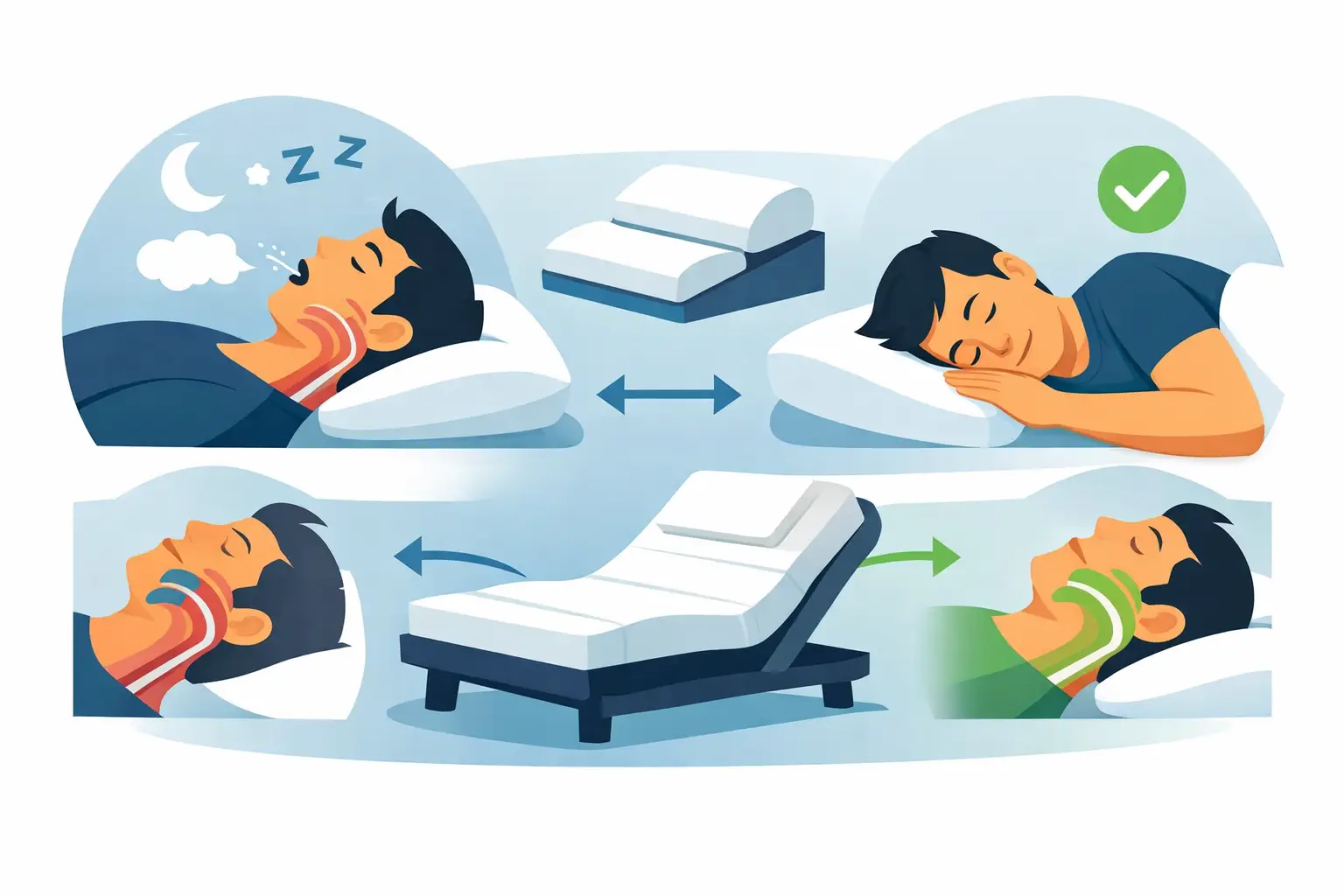
A lot of simple snoring gets worse on the back. When you sleep flat in that position, the tongue and soft tissues are more likely to fall backwards and narrow the airway. Side sleeping can reduce that collapse and, for some people, the difference is obvious from the first night.
This is one of the easiest things to test because it costs nothing. But it also has limits. If you naturally roll onto your back during the night, good intentions at bedtime may not last until morning. Position-based snoring can improve quickly, but only if you can maintain the position consistently.
Weight, alcohol, and late meals matter more than people like to admit
No one enjoys hearing lifestyle advice when they are desperate for sleep, but some triggers are hard to ignore. Even modest weight gain can increase tissue around the neck and throat, making snoring more likely. Alcohol in the evening can relax airway muscles further. Heavy meals close to bedtime can also make sleep less comfortable and breathing less steady.
That does not mean every snorer needs a complete life overhaul. It does mean that if your snoring has gradually worsened, these factors are worth looking at honestly. Sometimes reducing evening alcohol or losing a small amount of weight improves snoring more than another gadget ever will.
Nasal breathing support helps when the nose is the problem
If your nose is blocked, dry, or congested, you are more likely to breathe through your mouth, and mouth breathing often makes snoring louder. Some people get relief from simple humidity changes, allergen control, or keeping the nasal passages clearer before bed.
This tends to work best when congestion is the main trigger. If your snoring comes more from throat relaxation than nasal blockage, the benefit may be limited. Again, this is where expectations need to stay realistic.
A discreet wearable can be a better fit than bulky devices
For adults who have tried mouthpieces and given up, comfort is often the deciding factor. It is hard to commit to a solution that feels intrusive, awkward, or impossible to sleep in. That is one reason interest has grown in simpler wearable options designed for snoring relief without medication.
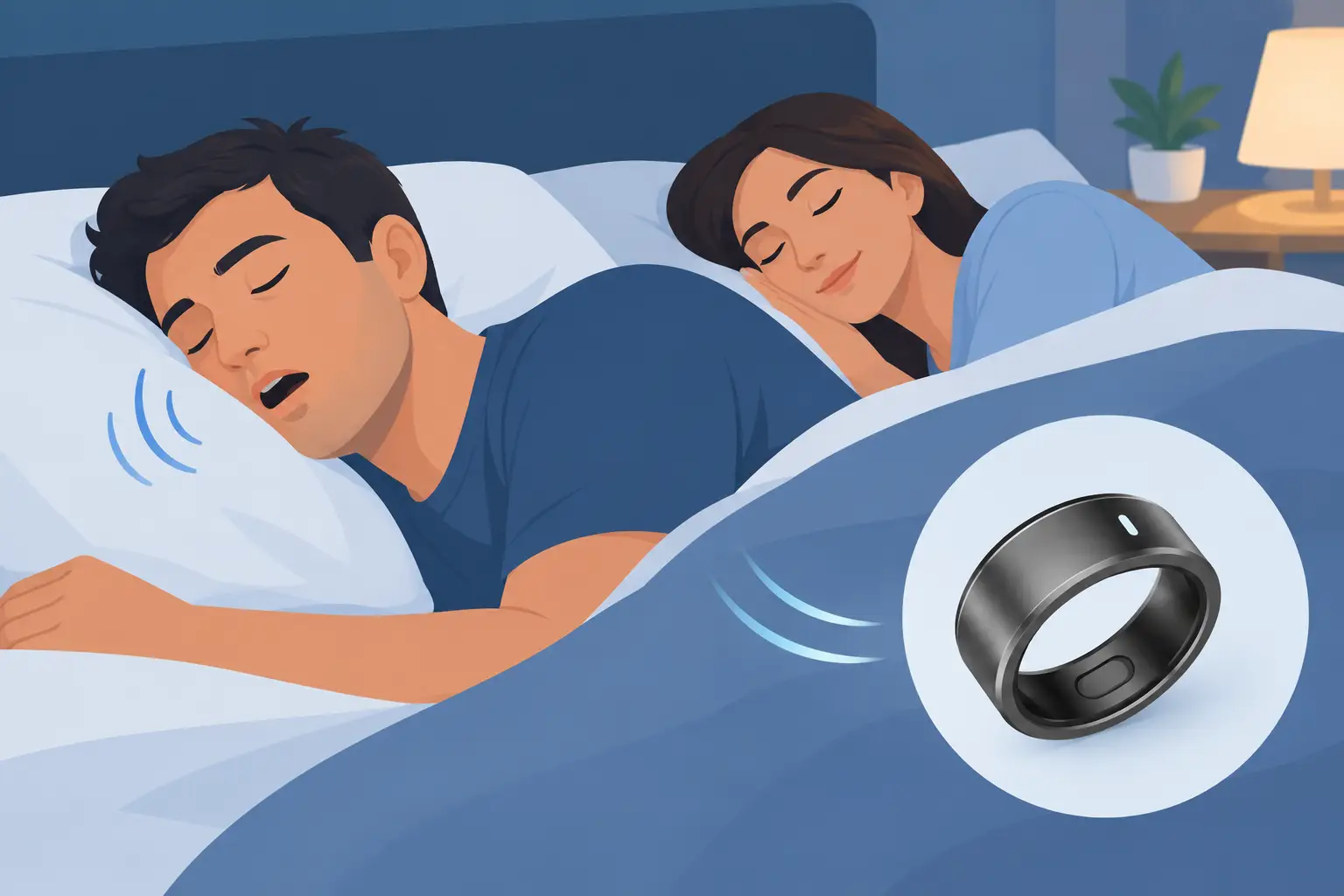
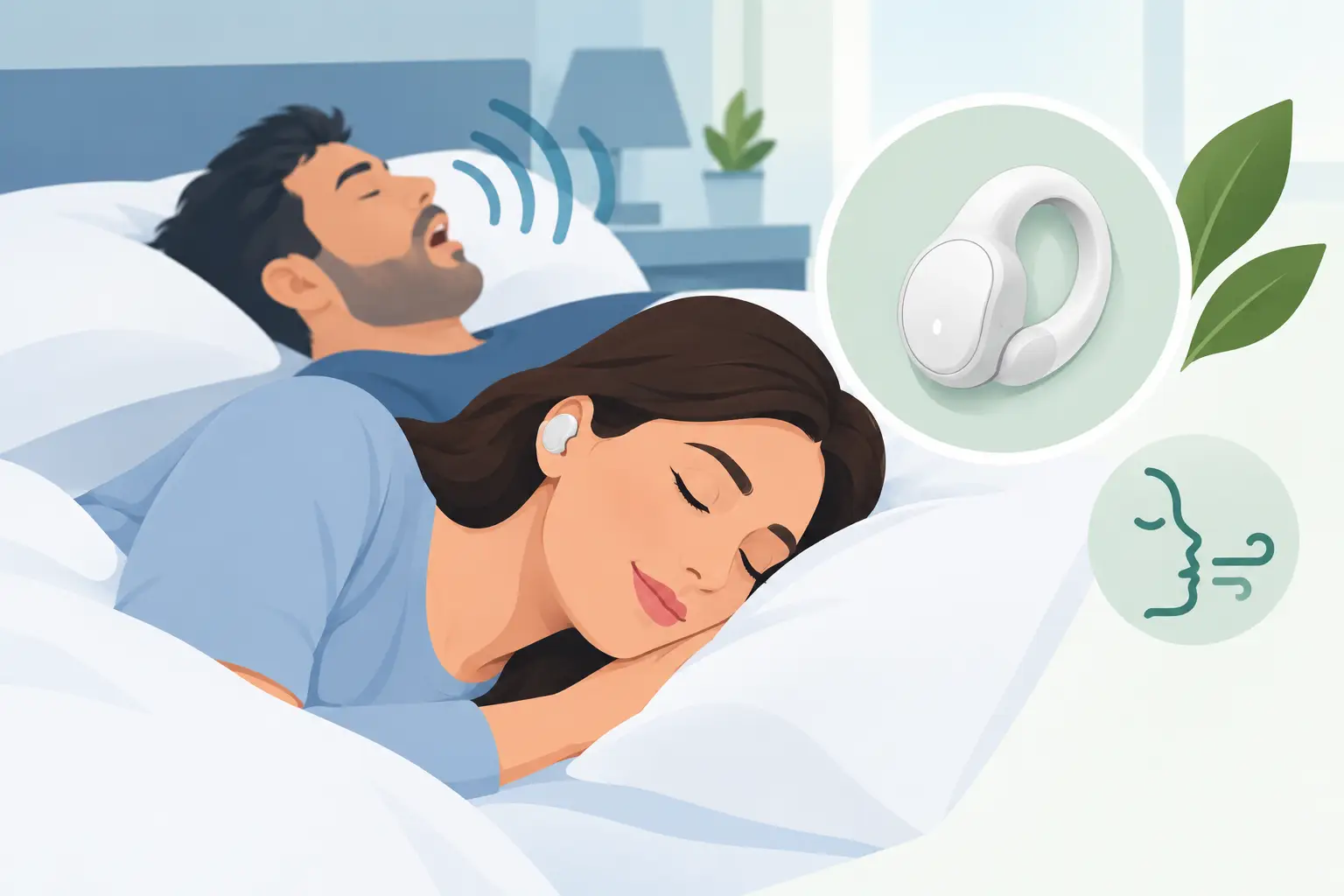
An acupressure-based anti-snoring ring appeals to many people because it is small, non-invasive, and easy to add to a normal bedtime routine. Instead of forcing the jaw or filling the mouth, it uses pressure on specific points on the little finger while you sleep. For the right user, that is a much more elegant alternative.
Good Night Health offers the original stop snoring ring, positioned around exactly that advantage. It is clinically trialled, FDA-cleared in the US, and backed by a 30-day money-back guarantee. That combination matters because this category is full of copycats and overblown promises. Just as importantly, a credible brand should say what many do not: it will not work for everyone. That honesty tends to be a better sign than exaggerated claims.
Why comfort and consistency matter more than hype
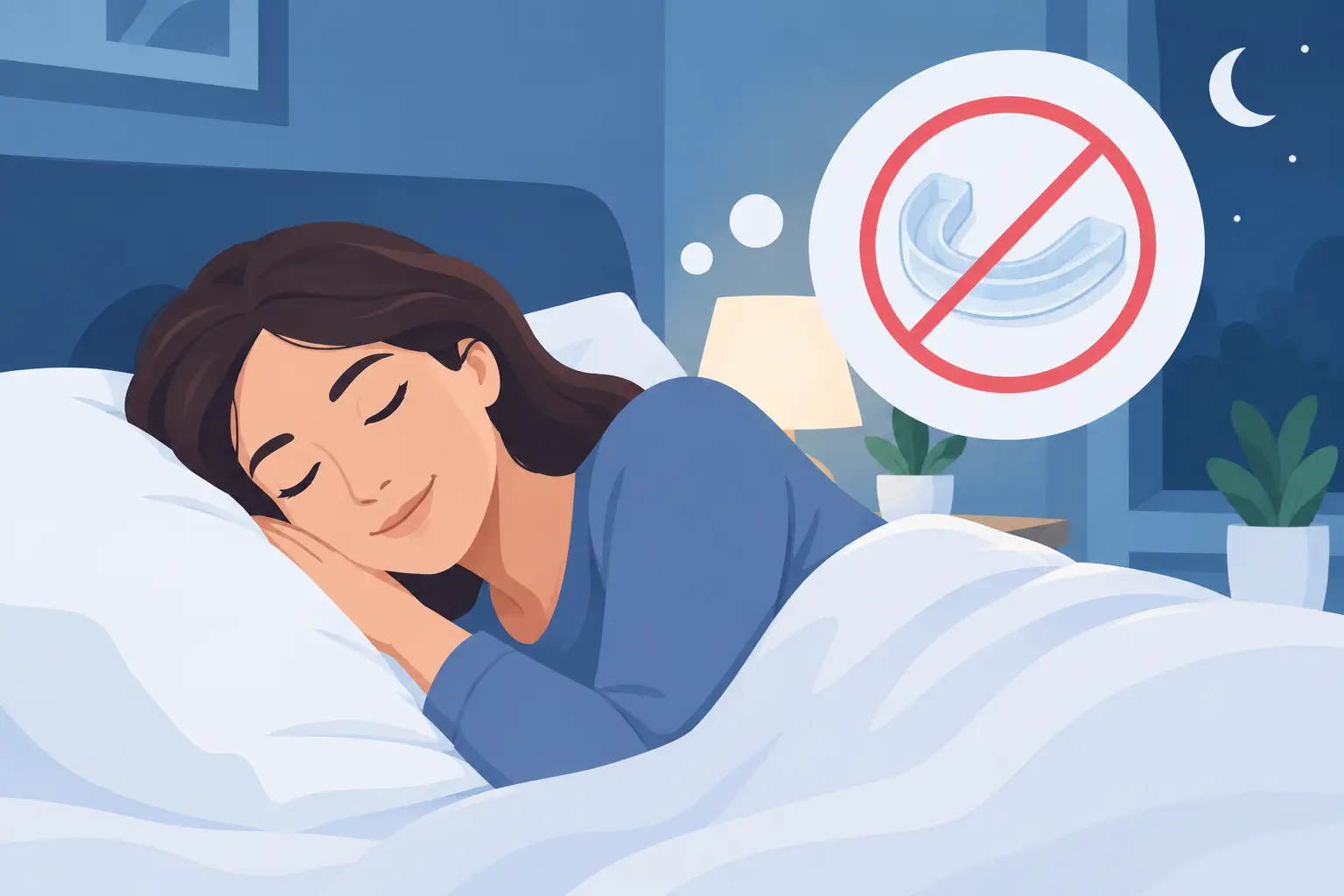
The best anti-snoring product is not the one with the biggest promise. It is the one you will use night after night without dreading it. This is where many conventional remedies fail. A mouthguard may help in theory, but if it feels bulky, affects saliva, or leaves your jaw sore, it often ends up in a drawer.
Comfort is not a soft extra. It is central to results. A discreet solution that slips into your existing routine has a better chance of becoming habitual, and consistent use is what gives any non-drug approach the best chance to work.
There is also the issue of partner acceptance. Some products are so cumbersome that they solve one sleep problem by creating another. Couples usually want less fuss at bedtime, not more. A simple, wearable option can feel far more manageable in a shared bed.
When non-medication snoring relief works best
Simple snoring, especially mild to moderate snoring, is where non-drug approaches often make the most sense. If the issue is occasional, position-related, or linked to everyday triggers, lifestyle changes and comfortable wearables can be a sensible first step. They are lower risk, less intrusive, and easier to trial.
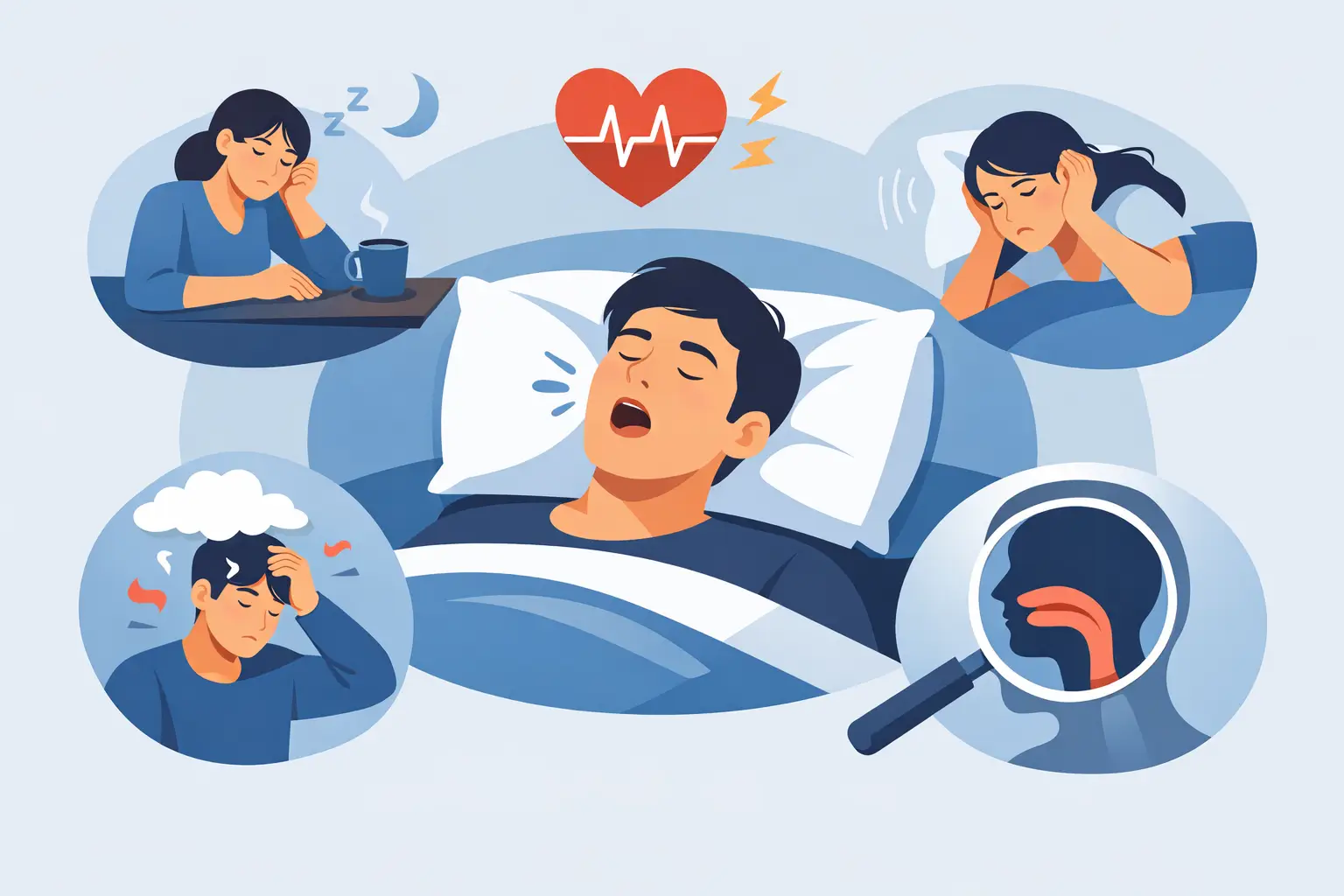
It becomes less straightforward if the snoring is severe, worsening, or accompanied by choking, gasping, morning headaches, or extreme daytime tiredness. Those signs can point to something more serious, including sleep apnoea. In that case, the right move is not to keep buying random remedies. It is to get proper medical advice.
That distinction matters because trustworthy sleep brands should not pretend every noisy sleeper needs the same fix. If your snoring is simple, a non-invasive solution may be exactly what you need. If it is not simple, pretending otherwise only delays help.
How to choose a non-drug option without wasting money
Start by being honest about what you will actually use. If you know you hate mouthpieces, there is no point forcing yourself into one because it worked for someone else. If your snoring is clearly worse on your back, test positional support first. If the issue feels broader or you want something discreet and low effort, a ring-style wearable may be the better place to start.
Then look at proof, not just promises. Clinical trials, product legitimacy, refund policies, and clear explanations matter. So does product origin. In a market full of cheap imitations, the difference between the original and a copy is not just branding – it can affect fit, trust, and whether you feel confident trying it at all.
Finally, give any sensible option a fair trial. One night is not always enough to judge. Bedtime variables change, and it can take a little consistency to see whether a solution is making a difference. A refund guarantee helps because it lowers the risk of trying something properly rather than giving up too soon.
For many adults, the real breakthrough is not finding a dramatic cure. It is finding a simple, credible option that fits ordinary life well enough to keep using. Quiet nights often start there.