Blog
Single Post
How Acupressure Helps Snoring
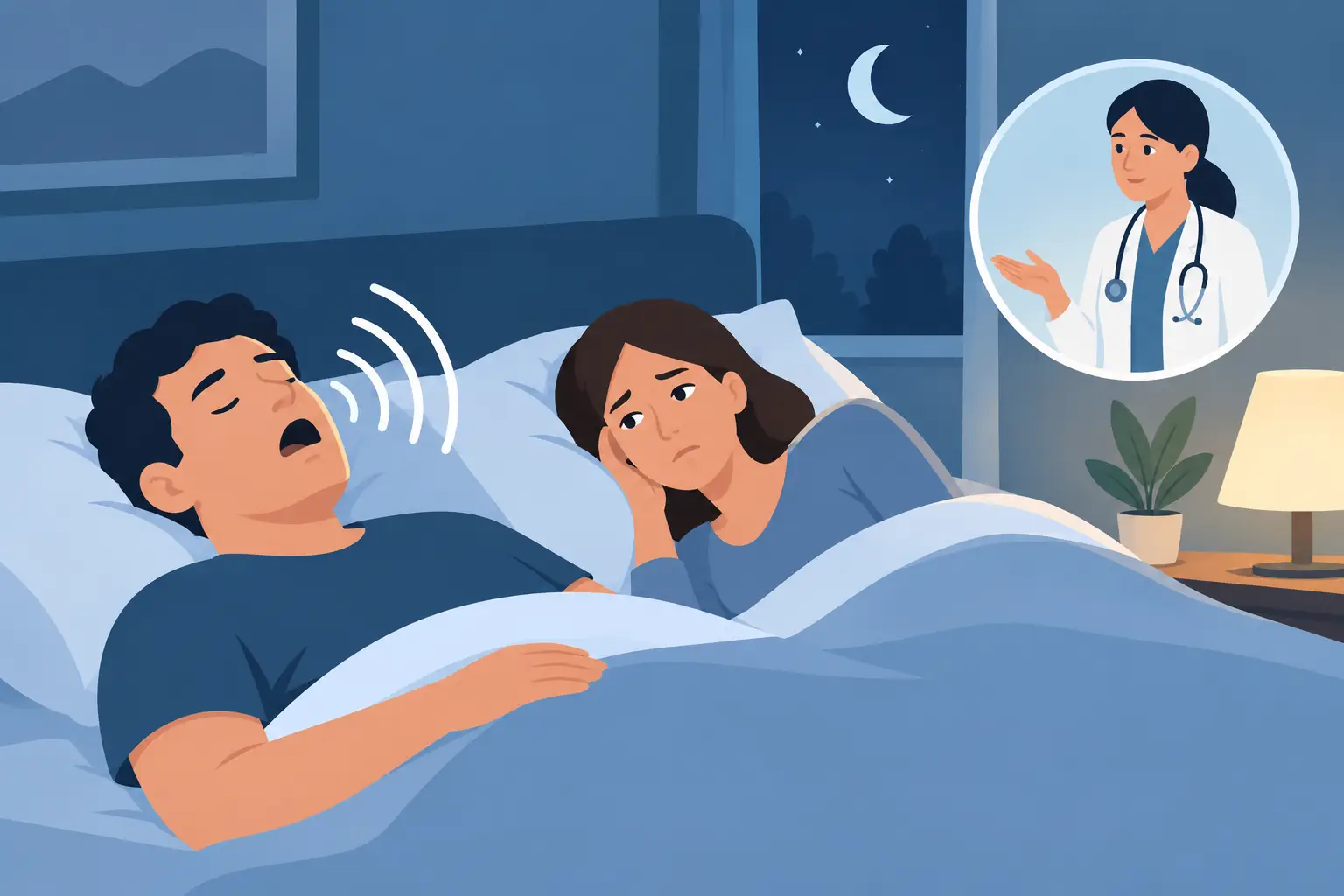
Snoring usually becomes a problem long before anyone does anything about it. One person lies awake listening to it, the other wakes up dry-mouthed, tired, and slightly defensive the next morning. That is exactly why interest in how acupressure helps snoring has grown – people want something simple, comfortable, and natural that does not involve a bulky mouthguard or an awkward machine by the bed.
How acupressure helps snoring in simple terms
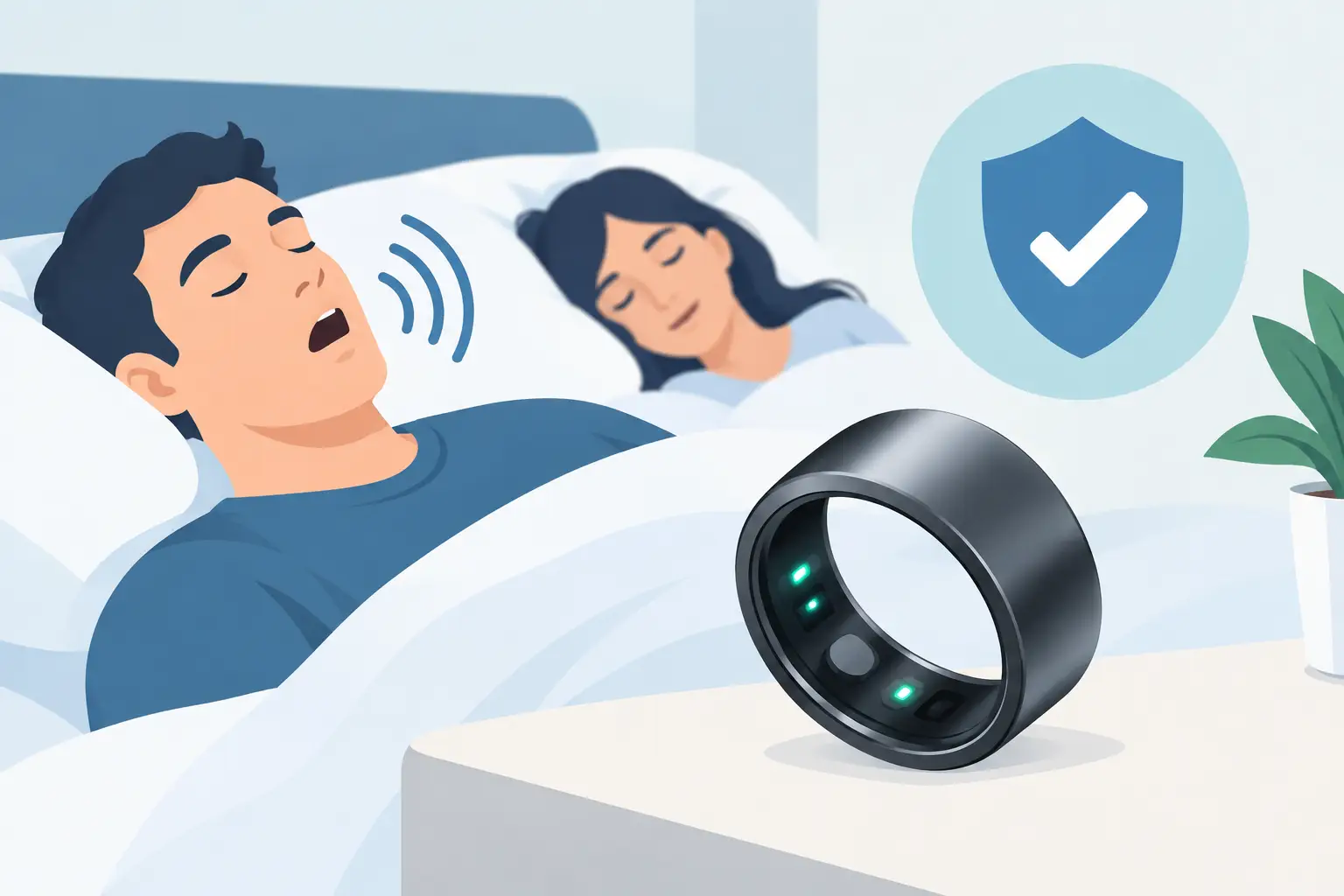
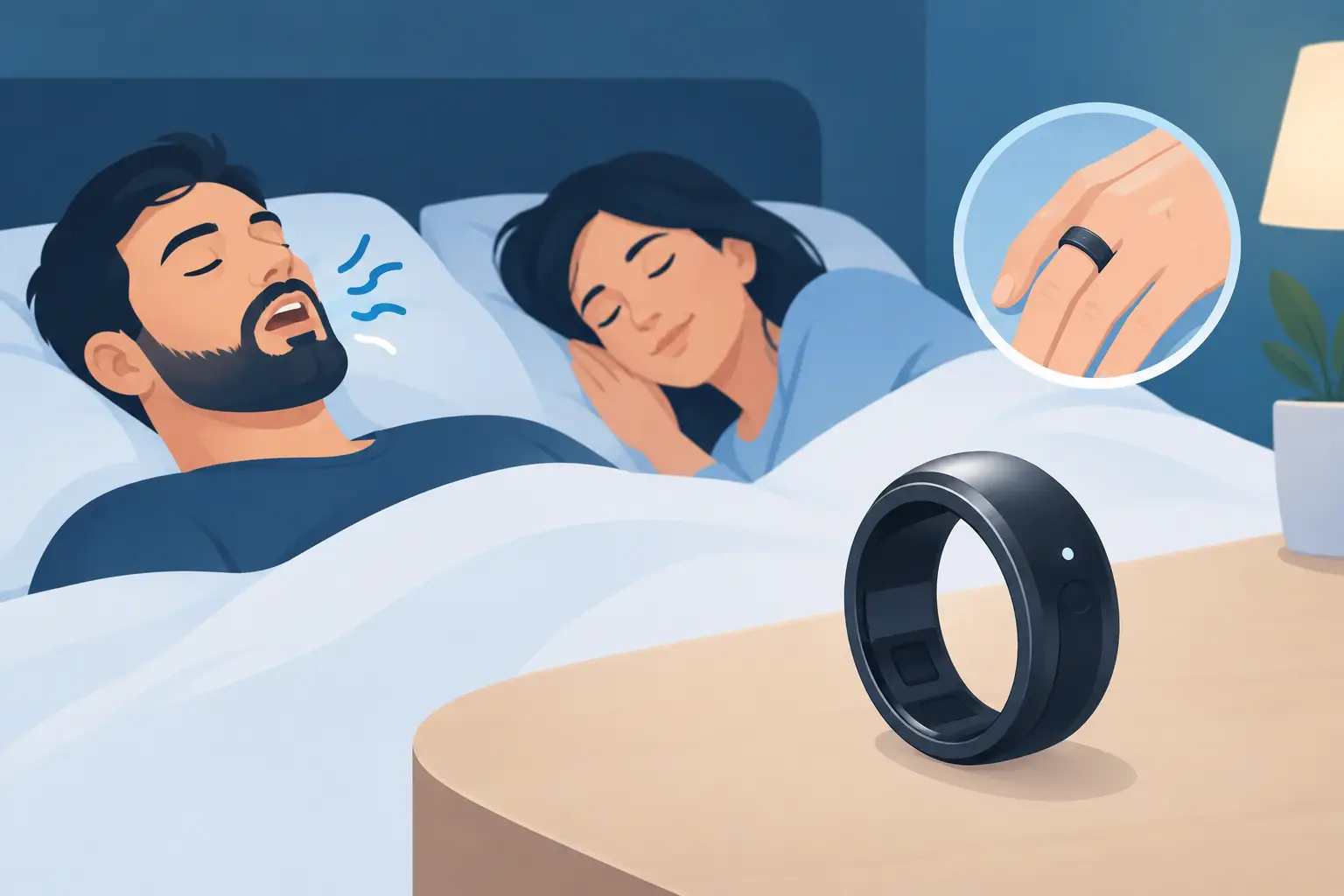
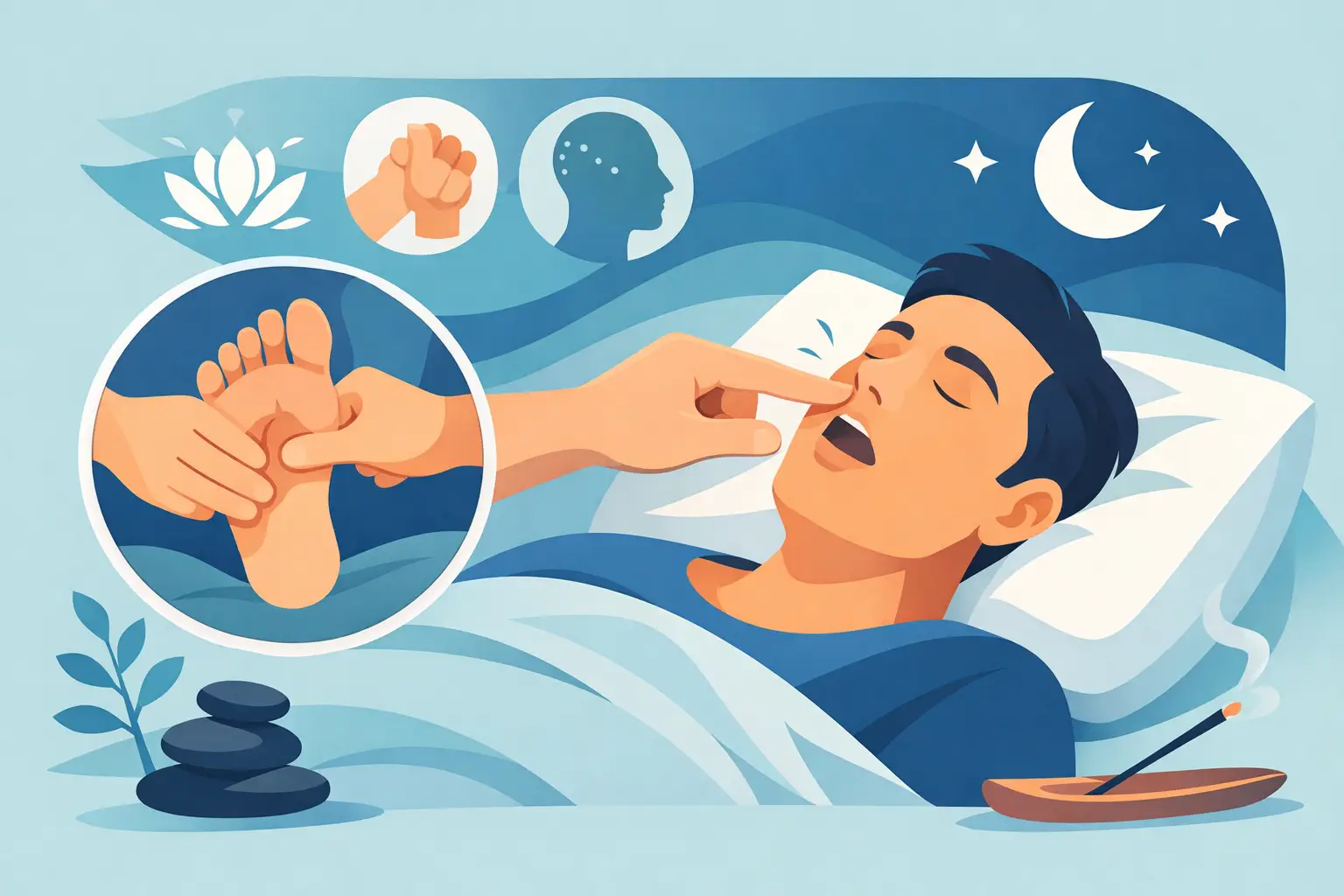
Acupressure works by applying steady pressure to specific points on the body. In the case of anti-snoring rings, that pressure is applied to carefully chosen points on the little finger while you sleep. The idea is straightforward: stimulate those points consistently night after night, and you may help reduce the tendency to snore.
For many people, the appeal is obvious. There is no medication involved, nothing to plug in, and no need to force your jaw into an uncomfortable position. Instead, it is a non-invasive approach designed to fit into a normal bedtime routine.
That said, plain honesty matters here. Acupressure is not a guaranteed fix for every kind of snoring. Snoring has different causes, and the right solution depends on why it is happening in the first place.
Why people snore at night
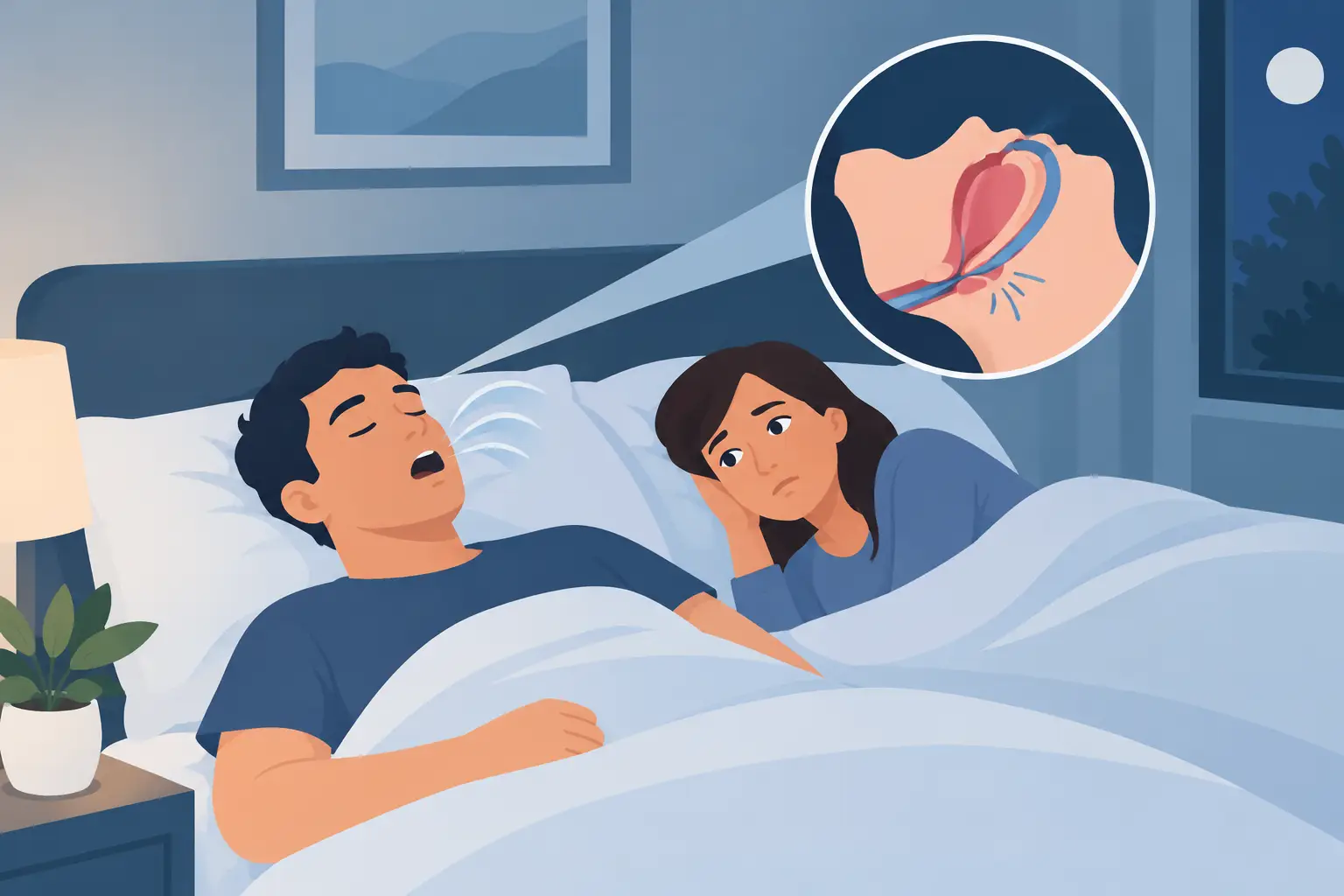
Snoring happens when air cannot move freely through the airway during sleep. As tissues in the throat relax, they can vibrate as air passes through, creating the sound that keeps bedrooms awake.
Sometimes that narrowing is linked to sleeping position, nasal congestion, alcohol before bed, or carrying extra weight. Sometimes it is simply part of how a person is built. And in some cases, loud frequent snoring can be a sign of obstructive sleep apnoea, which needs proper medical assessment rather than a consumer sleep product.
This distinction matters. A natural wearable may be a very appealing option for simple snoring, but it is not a substitute for medical care if someone stops breathing in their sleep, gasps, wakes choking, or feels overwhelmingly exhausted during the day.
What acupressure is trying to do
When people ask how acupressure helps snoring, they are usually asking whether pressure on the finger can really affect what happens in the throat. The theory behind acupressure is based on stimulating specific pressure points connected to bodily responses. In a modern sleep-wellness context, the goal is not to make grand promises. It is to offer a practical, low-risk method that may help reduce simple snoring for some users.
The benefit is less about drama and more about consistency. A ring applies pressure in the same place every night, without needing much effort from the wearer. That makes it easier to stick with than solutions people quietly abandon after three uncomfortable nights.
Comfort is not a small detail here. Many anti-snoring products fail not because the idea is poor, but because people cannot tolerate them for long. If a solution is awkward, invasive, or embarrassing, it often ends up in a drawer.
The case for a wearable approach
A wearable acupressure ring is designed for people who want the simplest possible intervention. You put it on before sleep, wear it overnight, and remove it in the morning. There is no moulding, charging, cleaning routine, or bedside set-up.
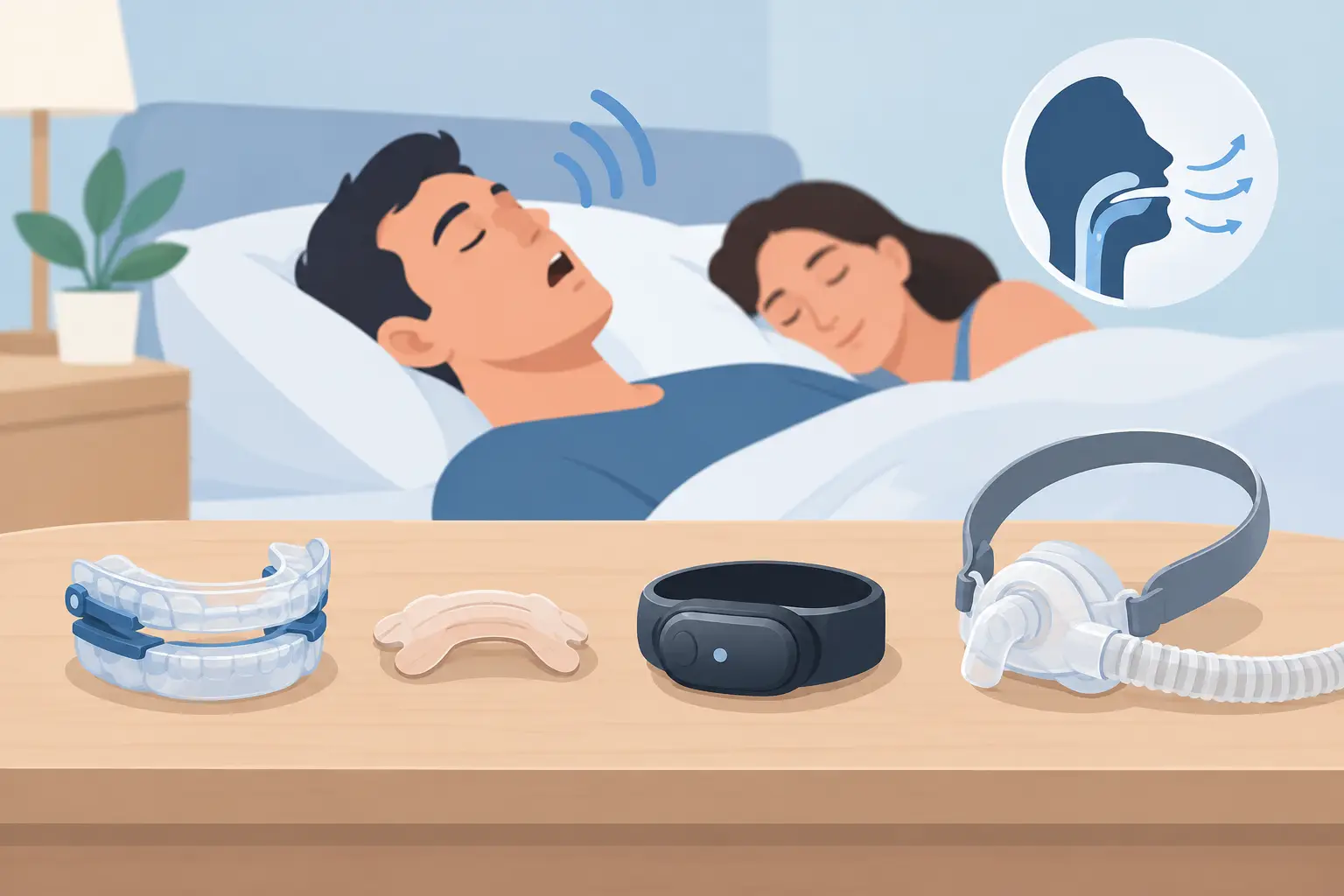
That simplicity is one of the strongest arguments in its favour. Snoring remedies are crowded with options that sound promising until real life gets in the way. Mouthpieces can feel clumsy. Nasal devices do not suit everyone. Adhesive strips can be hit and miss. Machines used for diagnosed sleep apnoea have an important clinical role, but they are not the answer for every snorer.
A discreet ring sits in a different category. It is aimed at adults who want a natural, non-intrusive option first, especially if they or their partner are fed up with trial-and-error purchases.
How acupressure helps snoring compared with other remedies
The main difference is that acupressure does not try to force the airway open mechanically in the same way as some oral appliances do. Nor does it rely on chemicals, sprays, or sedating ingredients. It is a pressure-based approach, which many people find more appealing when they want a gentle intervention.
That does not automatically make it better for everyone. If someone snores mainly because of severe nasal blockage, for example, a ring may not be the whole answer. If their snoring worsens sharply after drinking alcohol or sleeping flat on their back, lifestyle adjustments may still matter. And if their snoring is tied to sleep apnoea, the priority should be diagnosis and treatment.
But for simple snoring, the attraction is clear. It is comfortable, portable, and easy to use consistently. Those are not minor advantages. They often determine whether a product gets used at all.
Who may be a good fit
Acupressure-based snoring support tends to make most sense for adults who snore regularly but want to avoid invasive devices. It can also appeal to couples who are tired of disrupted sleep and want to try something that does not take over the bedroom.
It may be especially suitable for people who have already tested the obvious options and found them disappointing. Plenty of snorers have tried nasal strips, changed pillows, downloaded sleep apps, or bought products that looked clever online but were uncomfortable in practice. By the time they consider acupressure, they are often not looking for gimmicks. They want something credible, straightforward, and easy to live with.
That is also why trust matters. In a market full of lookalike products, consumers have every right to be cautious. Claims should be backed by proper testing, product quality should be clear, and buyers should not be cornered into taking all the risk themselves.
What results should you expect?
The most sensible answer is: it depends. Some users report a clear reduction in snoring quite quickly. Others notice a more modest improvement. Some do not get the result they hoped for.
That is not weakness in the message – it is honesty. No legitimate sleep brand should pretend that every snorer is identical. The real value of acupressure is that it offers a natural and comfortable route worth trying before moving to more intrusive options, provided the snoring is simple and not a sign of something more serious.
It also helps to judge success properly. For some couples, success means snoring stops entirely. For others, it means the noise is reduced enough that both people sleep through the night. A meaningful improvement still matters, even if it is not absolute silence.
Why legitimacy matters in this category
Anti-snoring products are easy to copy and easy to oversell. That is why consumers should look closely at what sits behind the product. Is it clinically trialed? Is there regulatory clearance where relevant? Is there a real refund policy? Does the company acknowledge that it will not work for absolutely everyone?
Those details tell you whether a brand expects to earn trust or simply borrow it. A serious acupressure ring should be presented as a credible option for simple snoring, not as magic. That balance of confidence and realism is what makes the difference.
Good Night Health has built its reputation around exactly that position with the original stop snoring ring – a clinically trialled, non-invasive wearable supported by a 30-day money-back guarantee. For cautious buyers, that matters because it reduces the downside of trying a new approach.
A sensible way to think about acupressure and snoring
If you are wondering how acupressure helps snoring, the fairest answer is that it offers a practical middle ground. It is more purposeful than wishful thinking, but far less intrusive than many traditional devices. It gives people a natural option they can use nightly without turning bedtime into a procedure.
For the right person, that can be the difference between another failed experiment and a routine they actually keep. And when snoring has been draining sleep, patience, and goodwill in the bedroom, a simple solution that feels easy to wear is often the one most worth trying.
Better nights rarely start with grand gestures. They usually start with one small change that is comfortable enough to last.