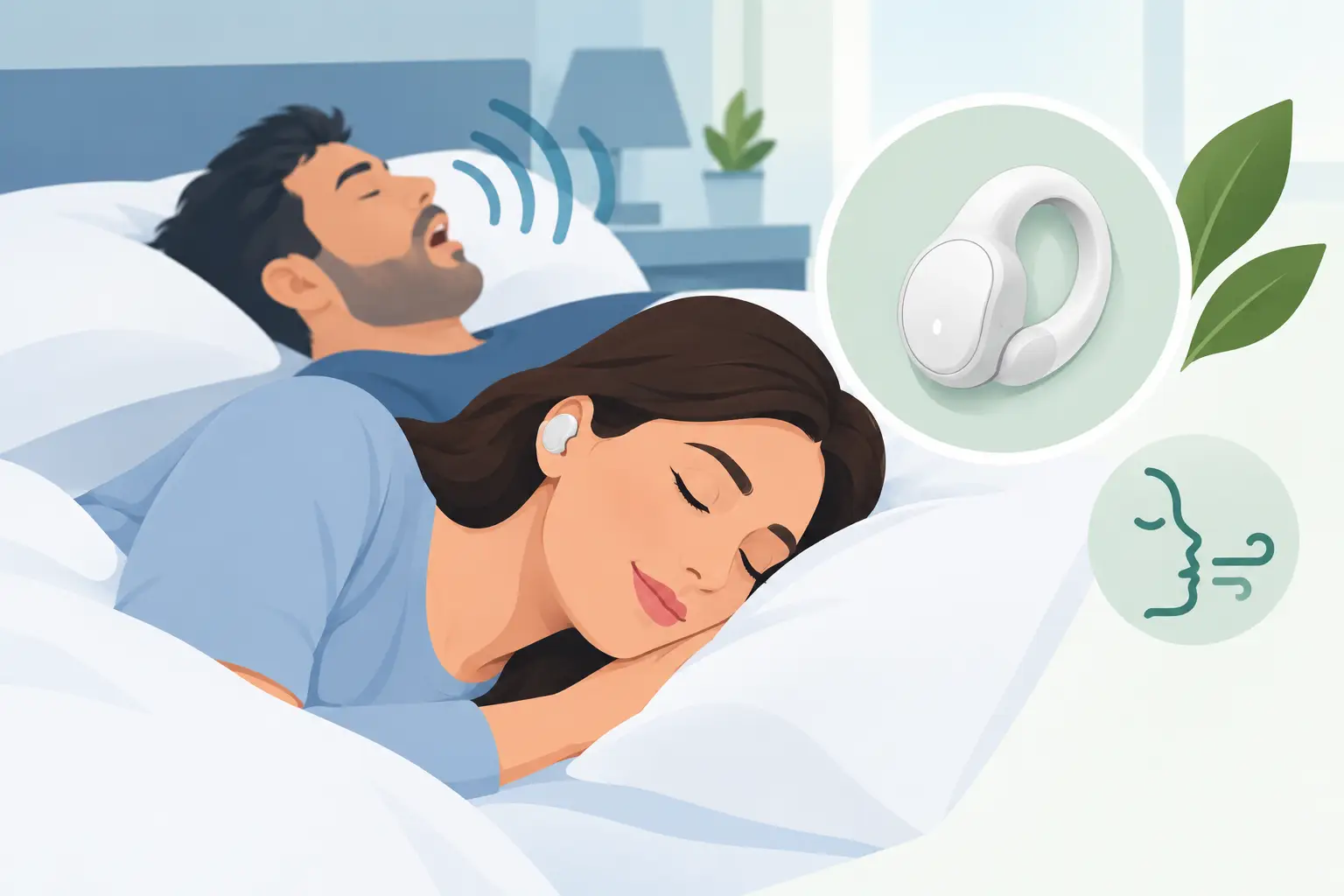
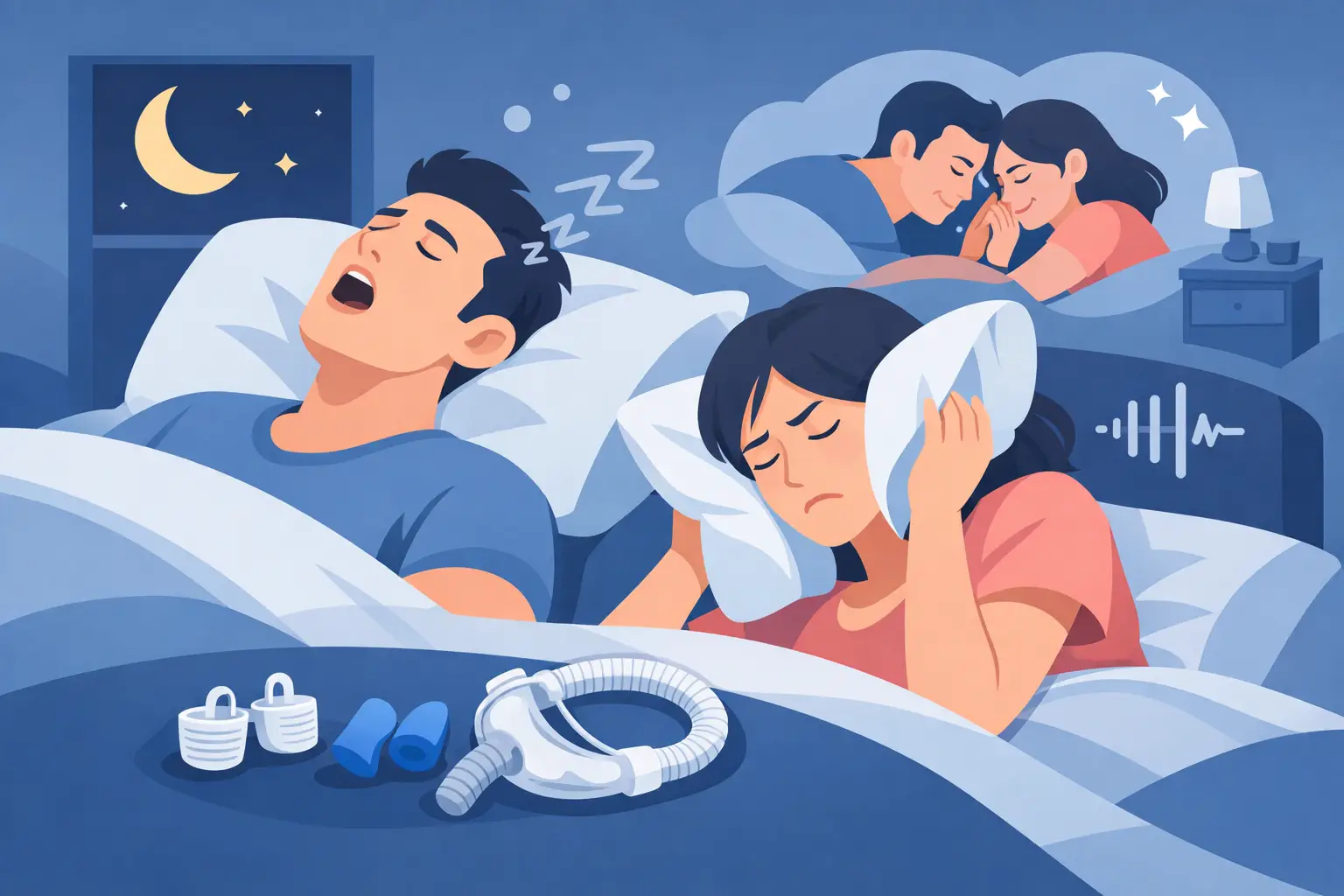
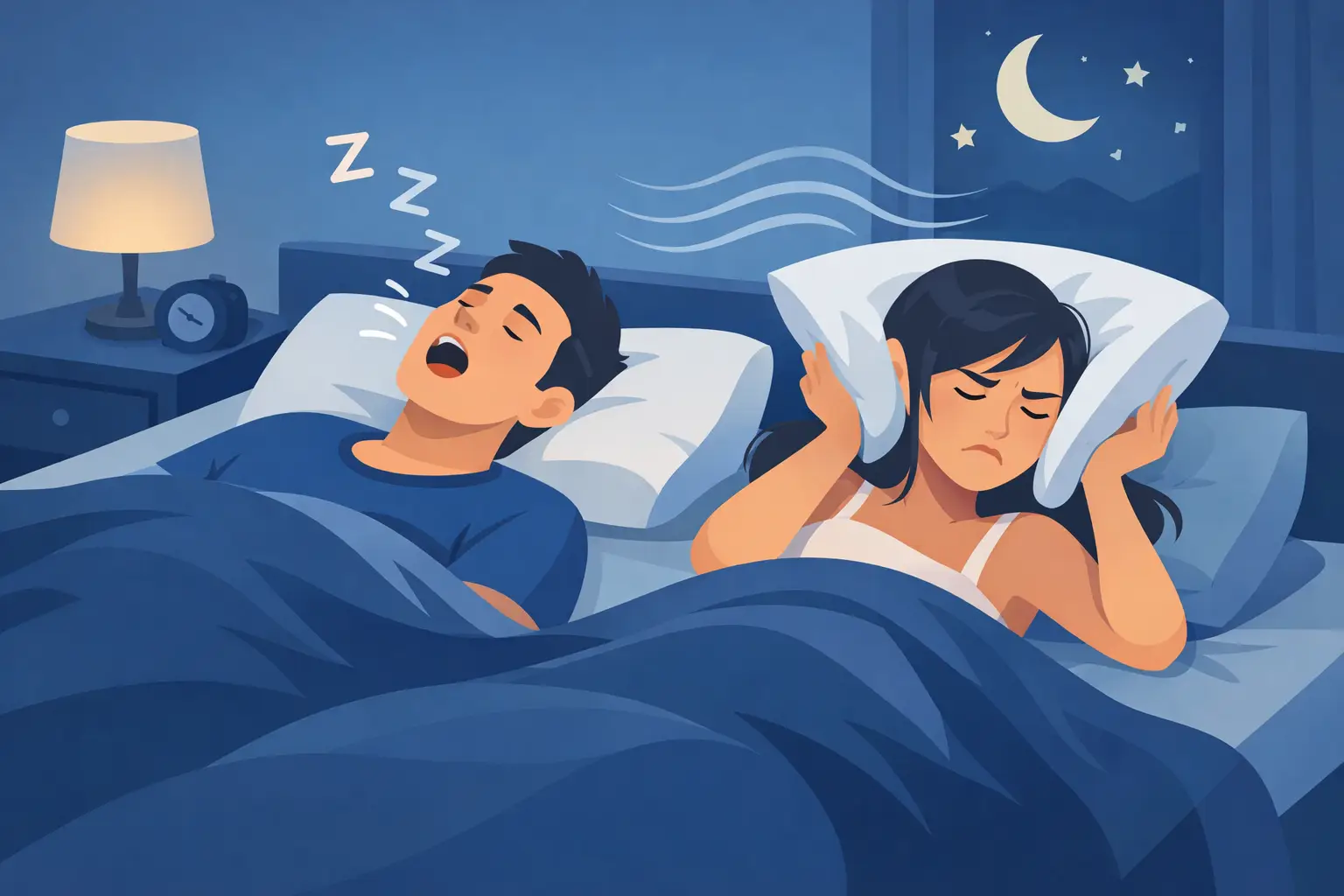
One of you is asleep in minutes. The other is lying awake, counting every rasp, nudge and frustrated sigh. Snoring relief for couples is not really about noise alone – it is about broken sleep, short tempers and the slow creep of resentment that can follow when neither person feels rested.
That is why the best approach is not to treat snoring as a joke or a minor habit. For many couples, it becomes a nightly problem that affects energy, patience, intimacy and even whether they can share a bed comfortably. The good news is that there are practical ways to improve it, and they do not all involve bulky devices or drastic changes.
Why snoring hits couples harder than the snorer
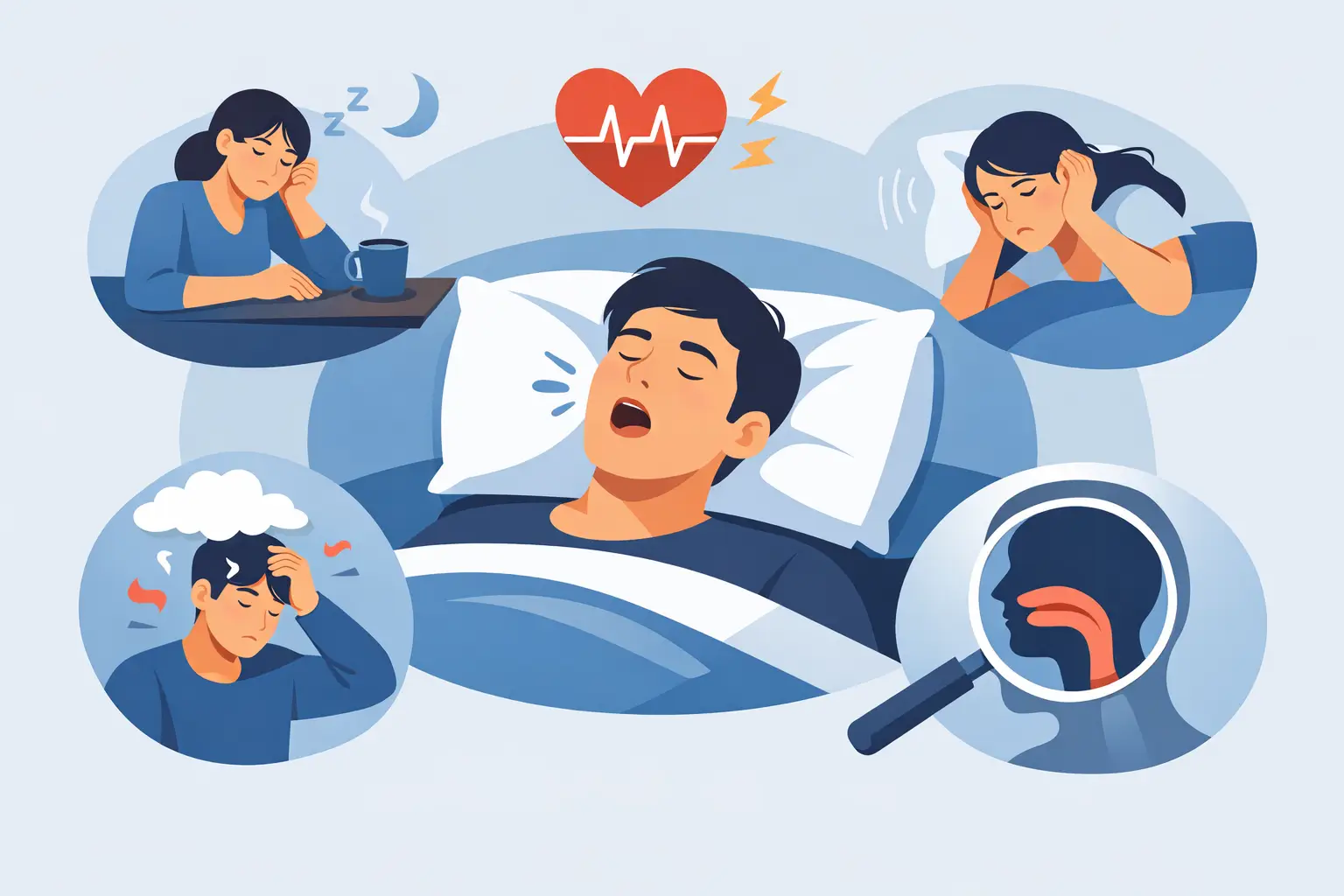
The person who snores is not always the one who suffers most in the moment. Quite often, the partner gets the lighter, more fragmented sleep. They wake repeatedly, struggle to settle again and start the next day already tired. Over time, that pattern can affect mood, concentration and relationship harmony.
For the snorer, there can be a different problem. Some people feel embarrassed, guilty or defensive, especially if they have already been told repeatedly that they are keeping their partner awake. Others have tried sprays, strips or mouthpieces and given up after finding them awkward or uncomfortable.
This is where couples often get stuck. One person wants immediate quiet. The other does not want to sleep in a contraption. Real progress usually starts when both people stop looking for a perfect miracle and start looking for a solution that is simple enough to use consistently.
Snoring relief for couples starts with the cause
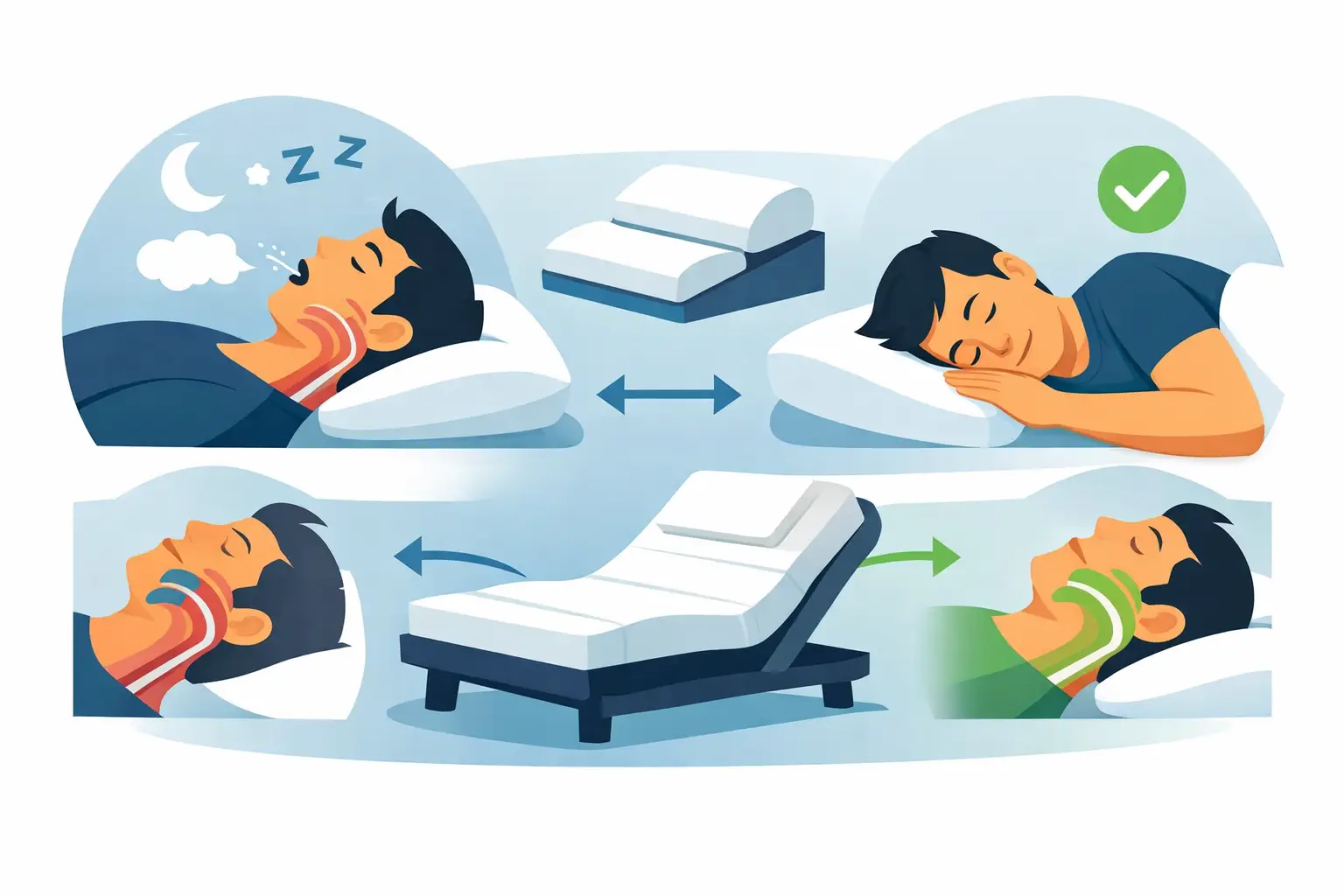
Not all snoring is the same, and that matters. Simple snoring is commonly linked to relaxed airway tissues, sleep position, congestion, alcohol before bed or being overtired. In these cases, a non-invasive approach can make a genuine difference.
But it depends on what is driving the noise. If snoring is loud every night, comes with gasping, choking, long pauses in breathing or severe daytime sleepiness, that needs proper medical attention. No responsible brand should pretend every case can be fixed with one product. Some people need assessment for sleep apnoea or another underlying issue.
For couples dealing with ordinary, habitual snoring, though, comfort matters just as much as effectiveness. A remedy only works if the snorer will actually wear or use it night after night.
Why many anti-snoring fixes fail at home
On paper, there are plenty of options. In reality, many couples have already worked through them.
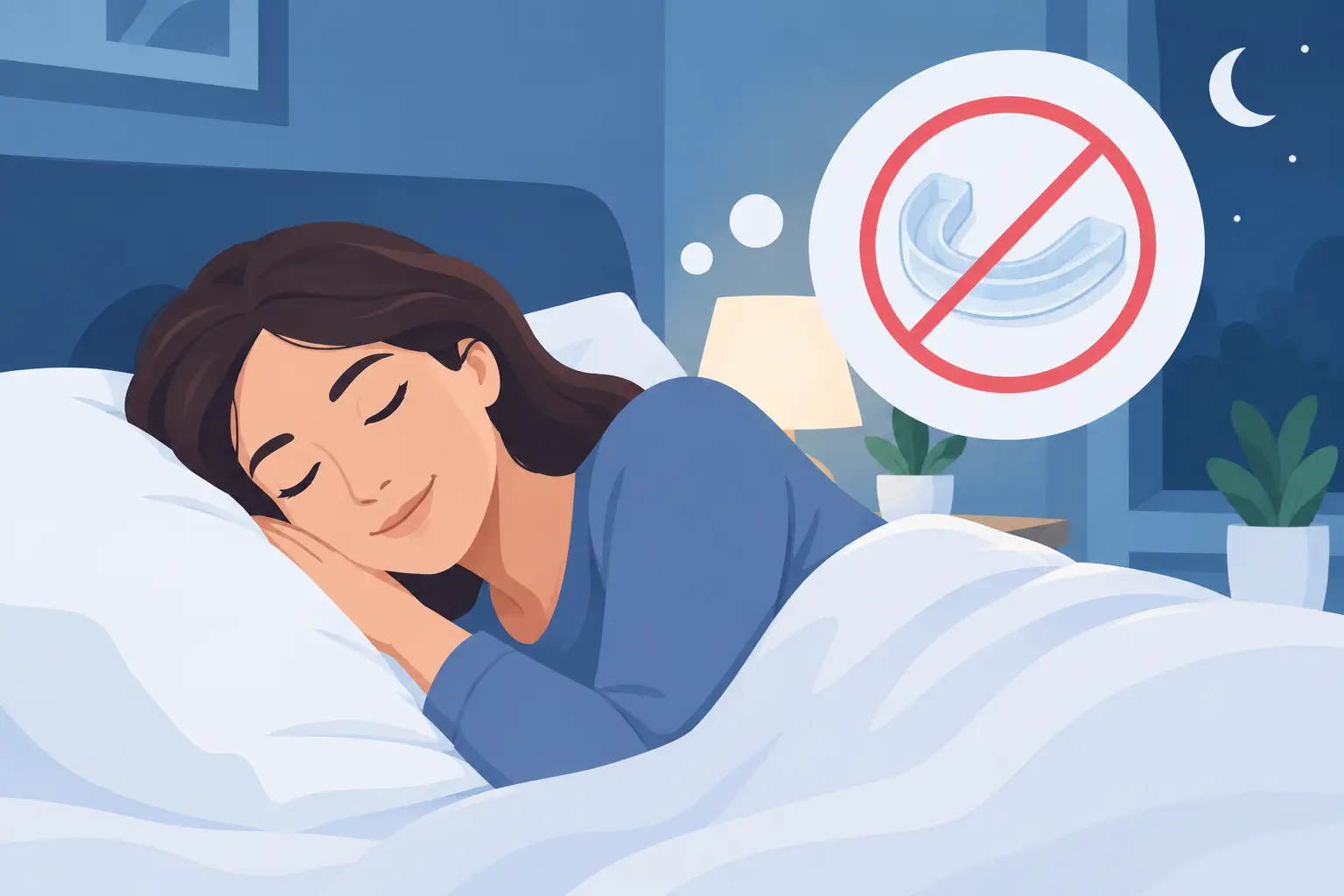
Nasal strips can help if the problem is mainly nasal blockage, but they are limited when snoring comes from deeper in the airway. Sprays and tablets appeal because they seem easy, yet results are often inconsistent. Mouthguards can be effective for some people, but many find them bulky, unpleasant or difficult to sleep in. Positional devices may reduce back sleeping, but they can feel intrusive and are not ideal for everyone.
This is the trade-off couples know well. The stronger the intervention seems, the less likely it is to feel comfortable. The easier it is to tolerate, the less likely it is to do much. That is why many people stop using anti-snoring products after a few nights.
A better fit is often a solution that sits in the middle – natural, discreet and easy to make part of a normal bedtime routine.
A simpler option couples are more likely to stick with
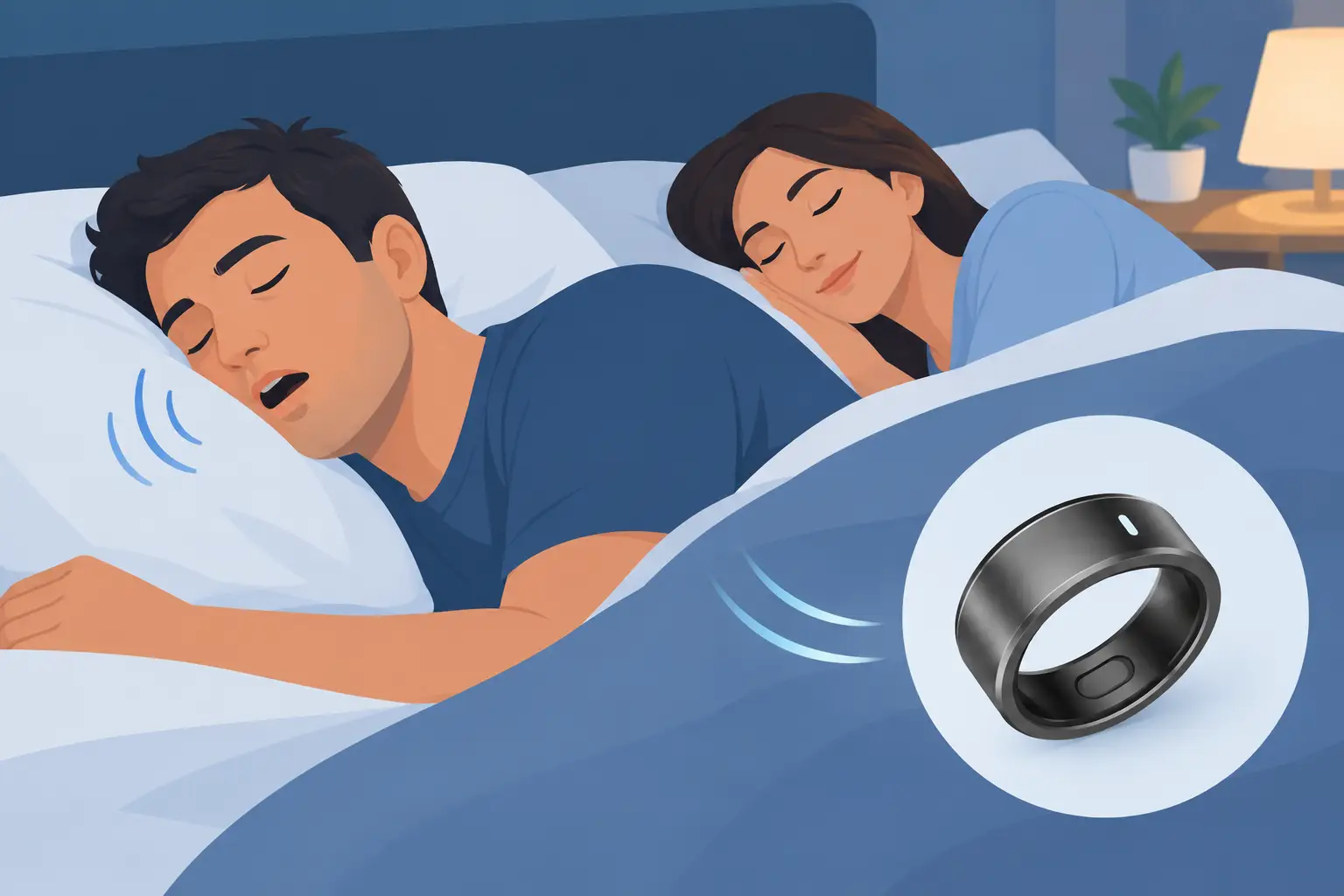
For people with simple snoring, a stop snoring ring offers a different route. Rather than forcing the jaw forward or relying on medication, it uses acupressure on specific points of the little finger while you sleep. That makes it a non-invasive option for adults who want something subtle and comfortable.
This kind of approach appeals to couples for obvious reasons. There is no bulky mouthpiece, no noisy machine and no elaborate nightly set-up. It is small, discreet and straightforward to wear. For many people, that simplicity is exactly the point.
Good Night Health offers the original stop snoring ring, positioned clearly against copycat products that look similar but do not offer the same level of credibility. It is clinically trialled, FDA cleared in the US and backed by a 30-day money-back guarantee. Those details matter because anti-snoring is a category full of exaggerated promises. People want proof, not hype.
Just as importantly, the brand is honest about the limits. It does not claim the ring works for absolutely everyone. That kind of honesty tends to build trust, especially among couples who have spent money on remedies that overpromised and underdelivered.
How couples can improve results together
The fastest way to turn snoring into conflict is to make it one person’s fault. The fastest way to improve it is to treat it like a shared sleep problem with a practical plan.
Start by noticing patterns. Is the snoring worse after alcohol, after a late meal, during hay fever season or when sleeping flat on the back? Small details can point to useful changes. Even modest adjustments, such as reducing alcohol late in the evening, managing congestion or changing sleep position, can support a better result.
If you are trying a wearable anti-snoring aid, give it a fair trial. One bad night does not mean it failed. Snoring can vary from night to night, so it helps to look at the trend across a couple of weeks rather than reacting to a single evening.
It also helps to keep expectations sensible. Some couples want total silence from night one. Sometimes that happens, but often the real win is fewer disturbances, less intense snoring and longer stretches of uninterrupted sleep. That is still meaningful progress.
What to look for in a snoring solution
If you are comparing options, the strongest questions are usually the simplest ones. Is it comfortable enough to use every night? Is it non-invasive? Is there any credible evidence behind it? Is there a refund policy if it does not suit you?
Those questions cut through a lot of marketing noise. A product can sound impressive and still end up in a drawer after three nights. For couples, consistency is everything. The best product is not the one with the longest list of claims. It is the one that offers a realistic balance of comfort, simplicity and trust.
That is also why cheap imitations can be a false economy. In a market crowded with lookalikes, it is worth checking whether a product is genuinely established, clinically supported and sold by a brand willing to stand behind it with a proper guarantee.
When separate bedrooms are not the only answer
Some couples end up sleeping apart because it feels like the only workable fix. For a few, that arrangement genuinely suits them. But many do not want separate rooms. They want the chance to share a bed without one person lying awake listening for the next snore.
That is a reasonable goal. Better sleep does not need to come at the expense of closeness. In many cases, the answer is not a dramatic overhaul but a more believable, lower-risk solution that addresses simple snoring without making bedtime harder.
If you have been through the cycle of nudging, apologising, trying random remedies and giving up, it makes sense to reset the approach. Look for something comfortable, clinically supported and easy to keep using. That is where couples usually see the difference between a product that sounded clever and one that actually helps in real life.
Sleep problems between partners have a way of spilling into the daytime. The right solution can do the opposite. A quieter night often means a kinder morning, and sometimes that is the change a couple has been needing all along.