Blog
Single Post
What Real Life Snoring Ring Stories Show
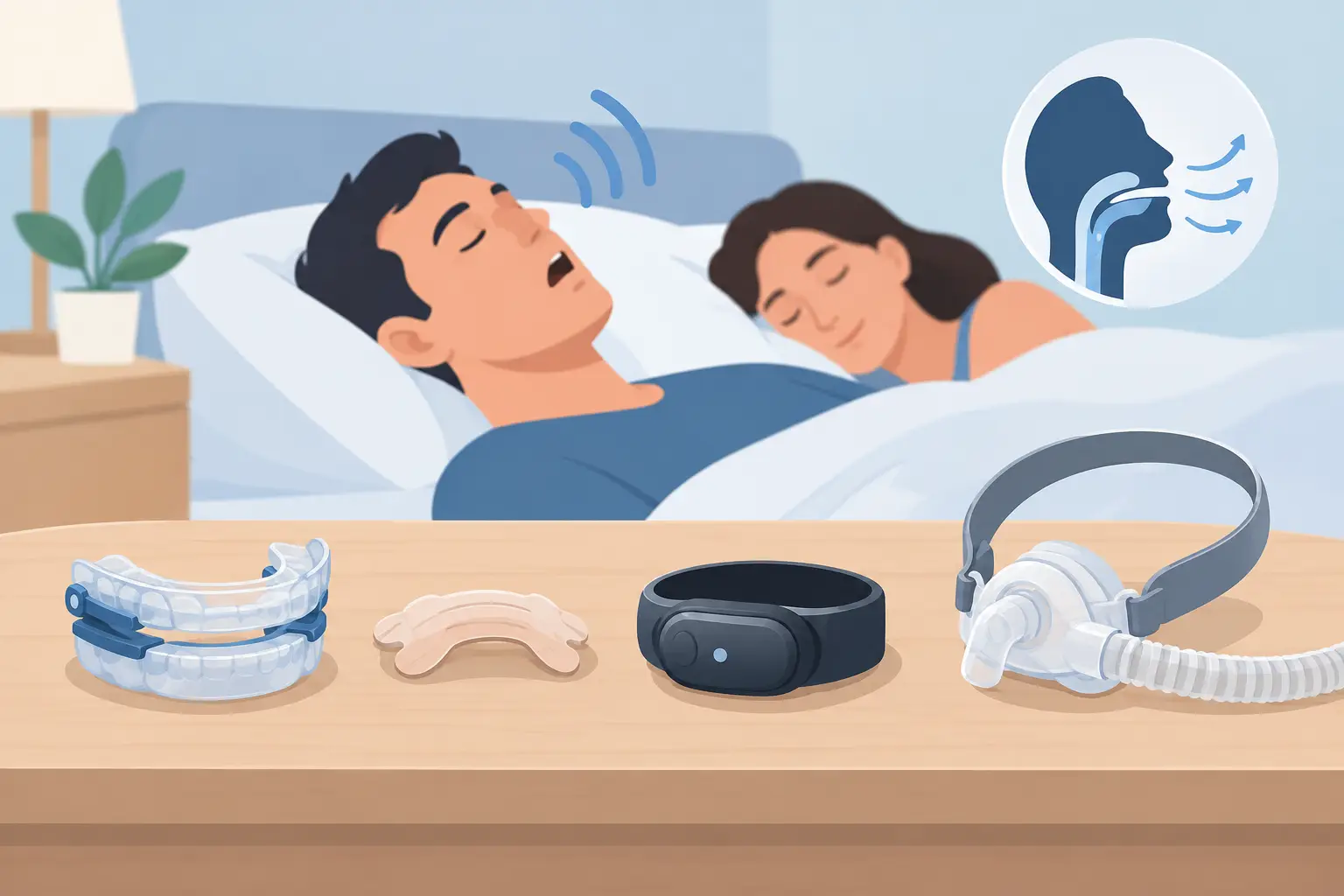
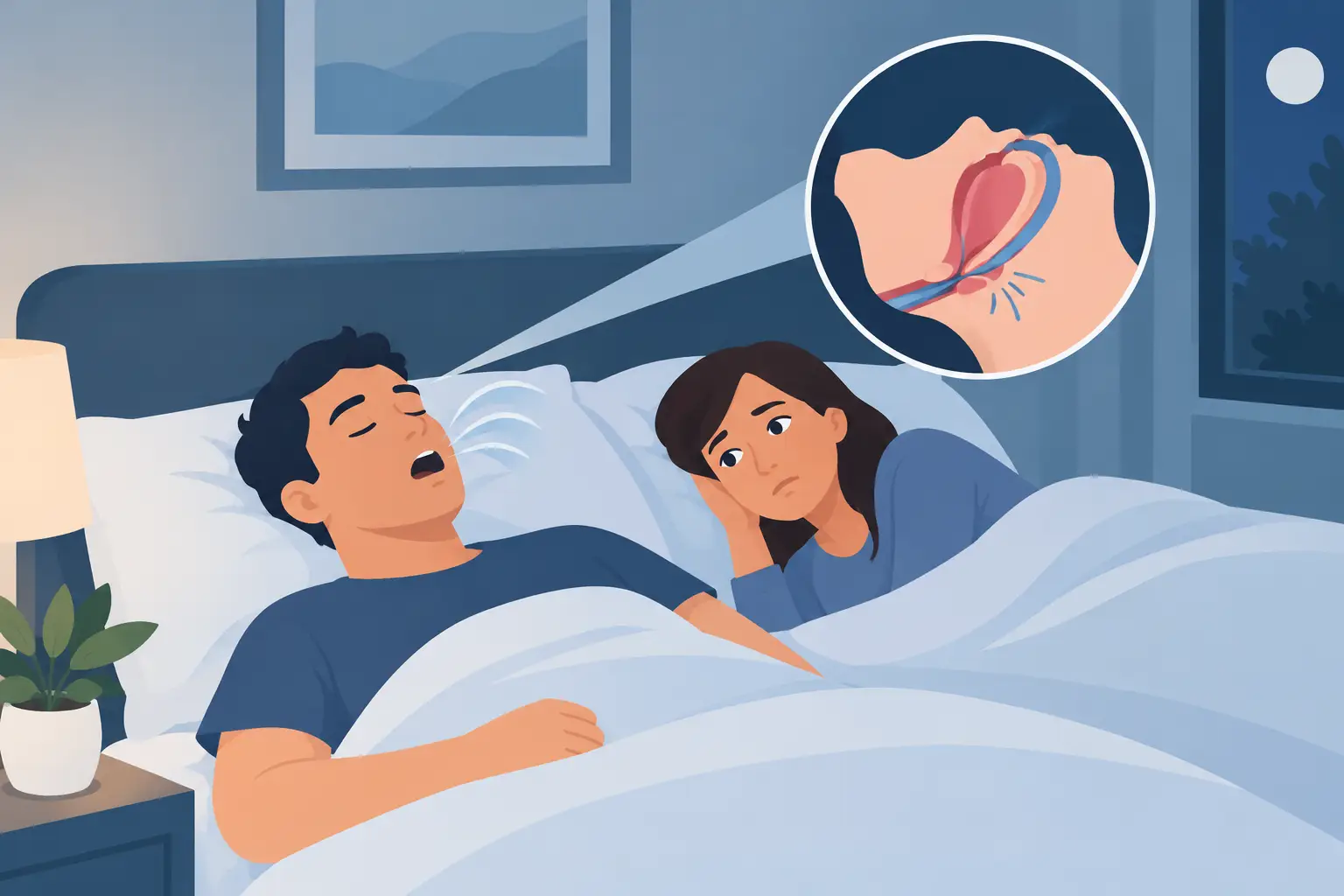
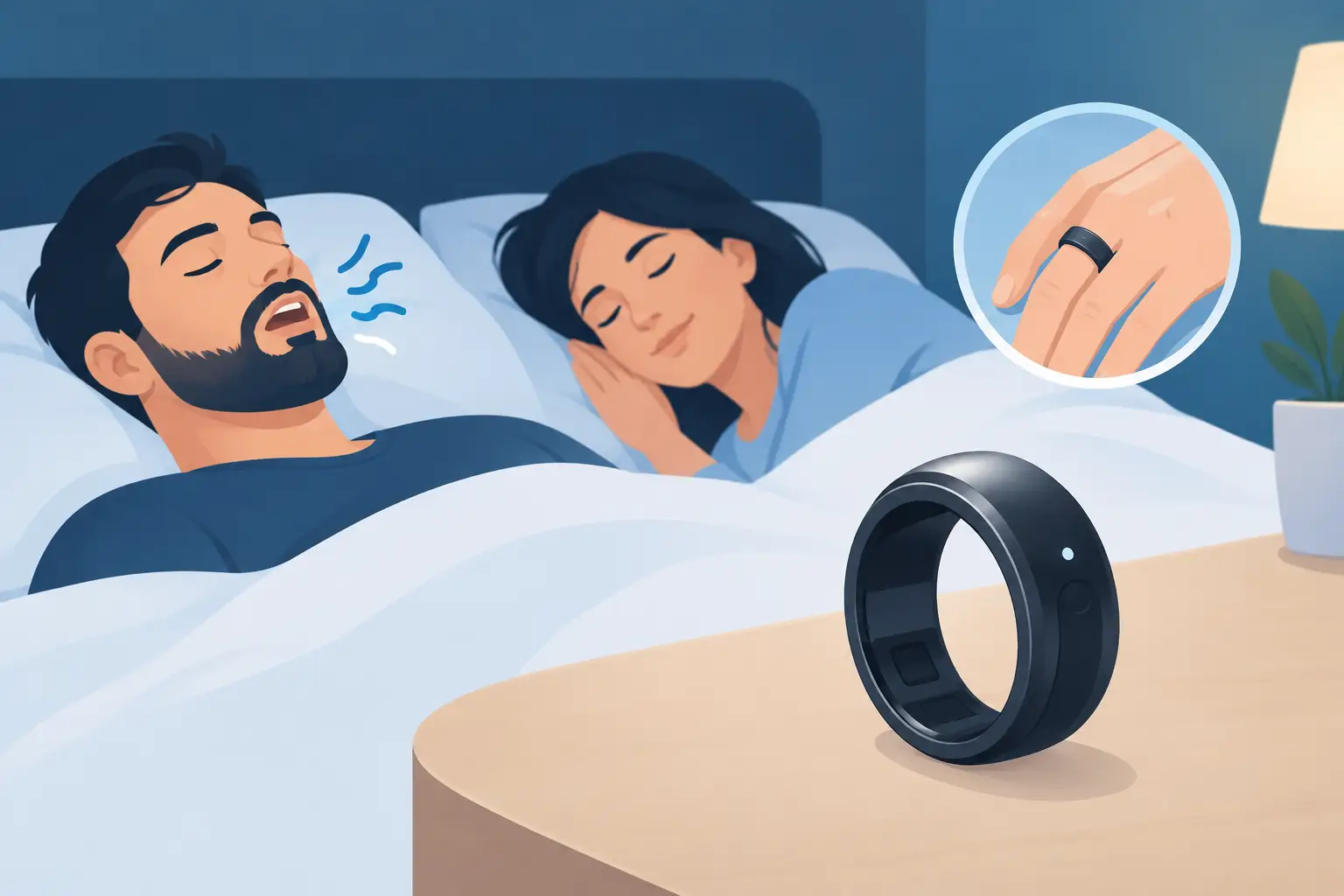
The most revealing real life snoring ring stories are rarely about a dramatic gadget or a miracle overnight. They are about a partner finally sleeping through the night, a couple no longer taking turns on the sofa, or a snorer waking without the familiar guilt of asking, “Was I loud again?” For many households, snoring is not a small annoyance. It can slowly chip away at rest, patience and closeness.
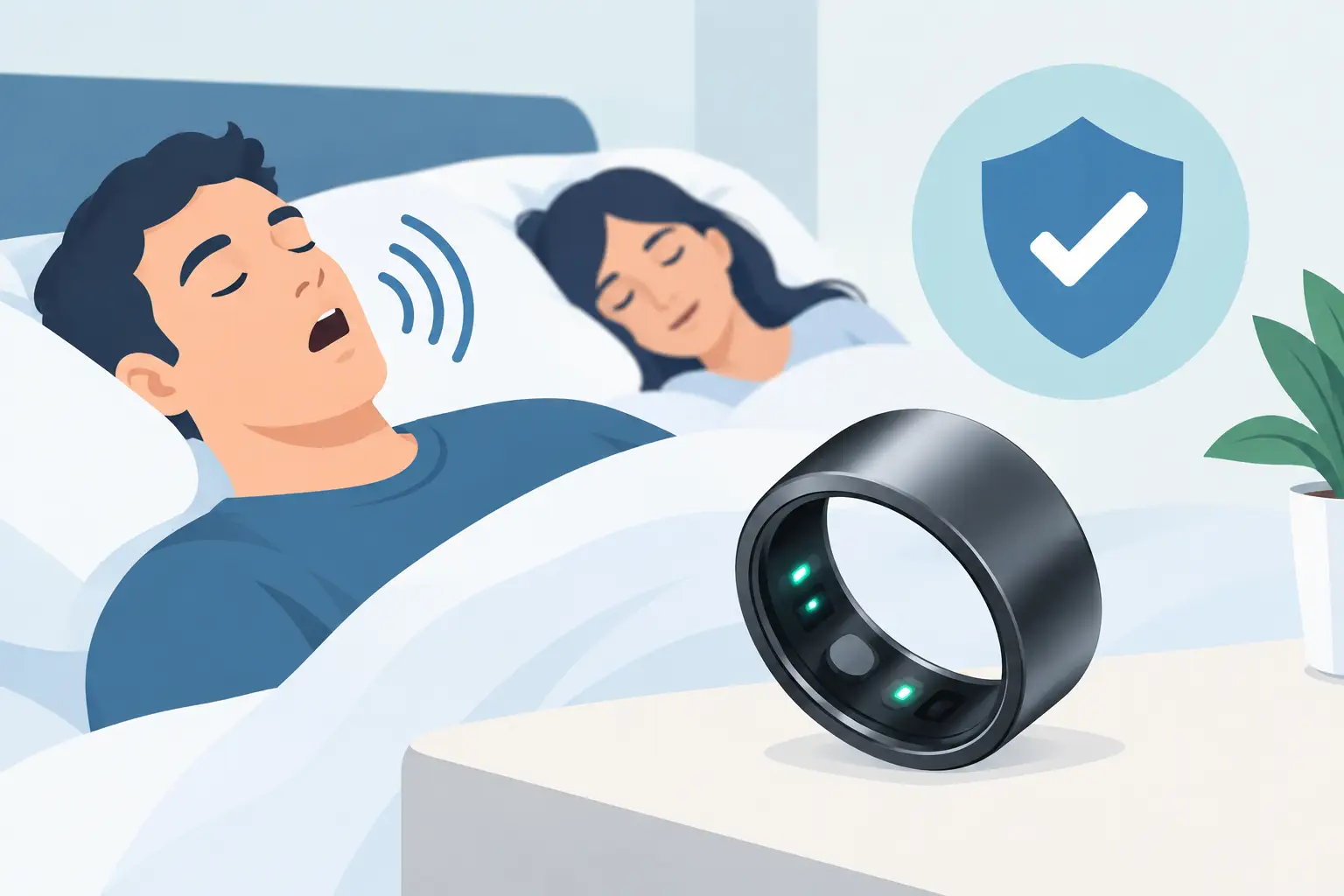
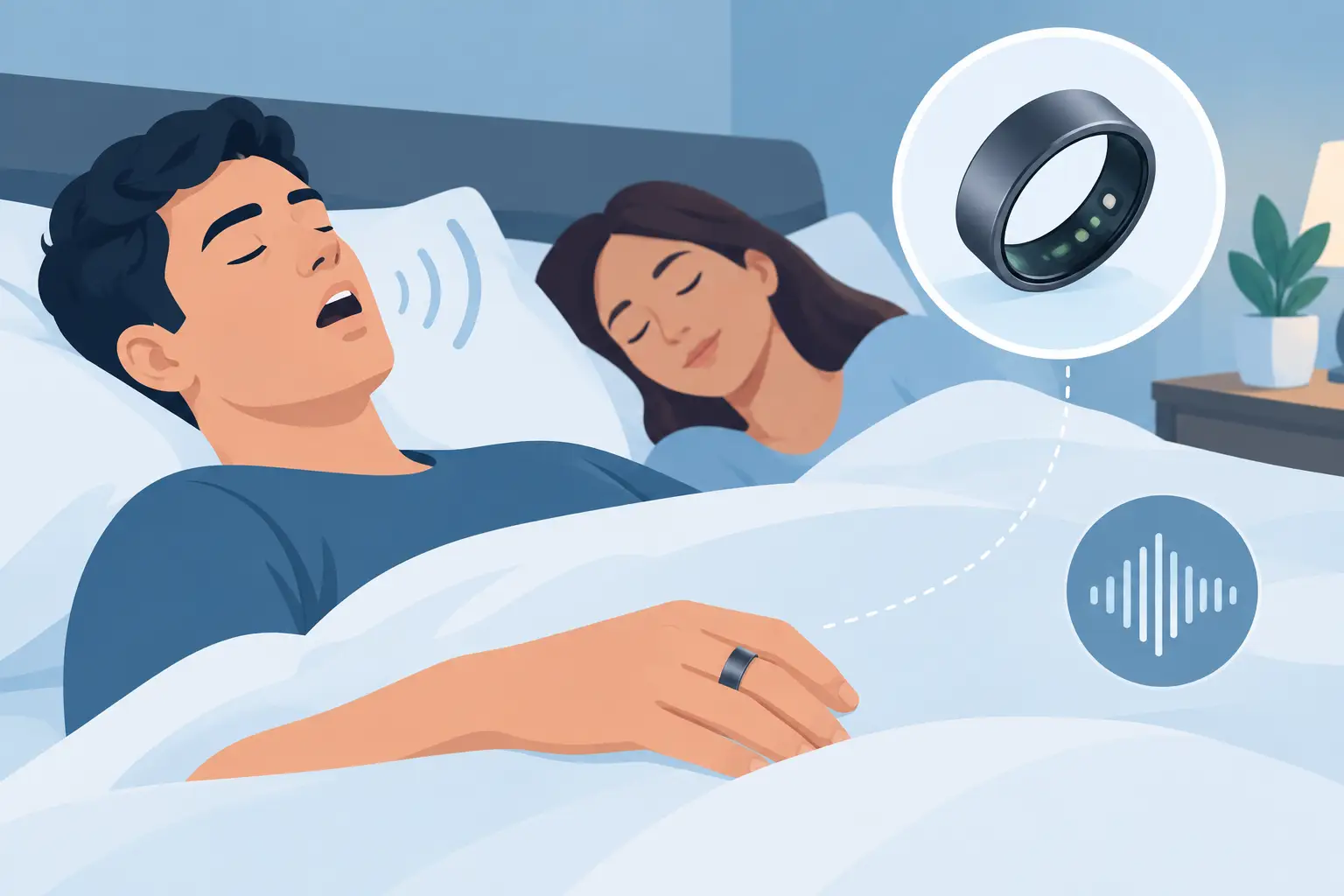
A snoring ring appeals because it offers a different route. There is no bulky mouthpiece to mould, no medication to take and no machinery beside the bed. It is a small, discreet wearable designed to apply acupressure to specific points on the little finger while you sleep. But honest stories also make one thing clear: results depend on the kind of snoring involved, how consistently the ring is worn and whether there may be a more serious sleep issue that needs medical attention.
Real life snoring ring stories often begin with the partner
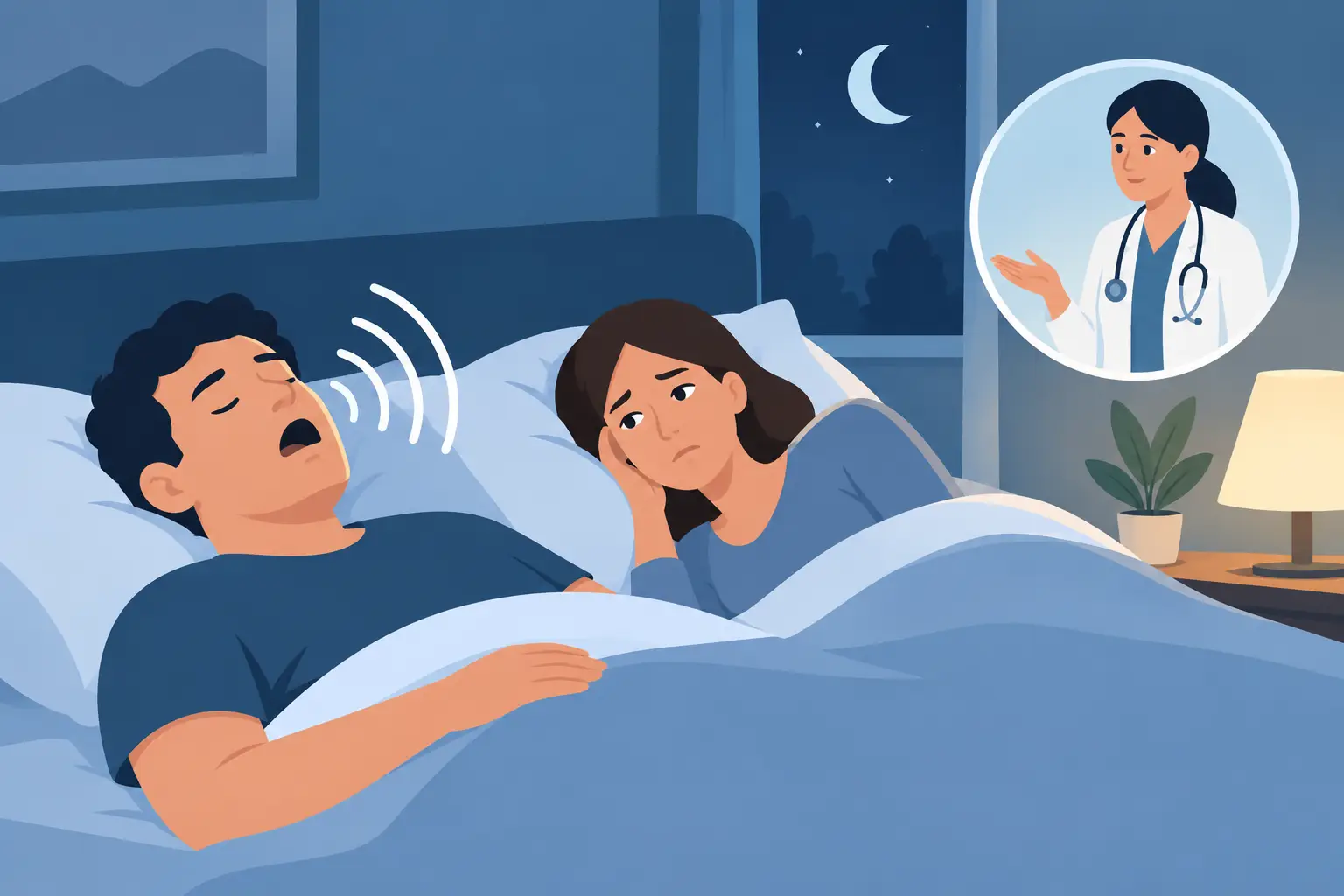
Partners are usually the first people to notice the pattern. They know the sound that begins after someone rolls onto their back. They know the early-morning nudge, the move to the spare room and the weary calculation of how much sleep they might get before the alarm.
One common experience is the couple who have already tried the obvious fixes. They may have changed pillows, used nasal strips, avoided a late-night drink or bought a mouthguard that lasted only a few uncomfortable nights. Nothing has felt sustainable. What they want is not another complicated bedtime routine. They want a simple option that does not make sleep feel clinical.
That is where a ring can make sense. The appeal is practical: put it on correctly, wear it every night and give the approach a fair chance. When people report a positive change, it is often described in ordinary terms. The snoring becomes quieter. It happens less often. A partner stops waking repeatedly. The snorer feels less self-conscious about sharing a bed or travelling away.
Those details matter more than exaggerated claims. Better sleep is not always about complete silence from the first night. For some couples, a reduction that allows both people to stay asleep is already meaningful. For others, anything less than silence will not be enough. Both responses are valid, and a credible anti-snoring solution should leave room for that difference.
The story of the reluctant wearer
Another familiar pattern comes from people who dislike the idea of wearing anything at night. They have rejected mouthguards because of jaw discomfort, found chin straps restrictive or simply do not want to depend on sprays and tablets. A ring is easier to consider because it is lightweight and unobtrusive.
Still, comfort is personal. A ring needs to fit securely without feeling painfully tight. It must be positioned as directed so that the acupressure points can be engaged. Someone who wears it once, removes it halfway through the night and decides it has failed has not really tested the method. Consistent use matters, especially while you are working out whether it suits your sleep pattern.
The story of the cautious buyer
The cautious buyer has usually seen cheap rings advertised with bold promises. That hesitation is sensible. The anti-snoring market is crowded, and products that look similar can vary greatly in design, support and evidence behind their claims.
A genuine account should not read like a guarantee. It should explain what changed, how long the person used the ring and whether their snoring was occasional, position-related or a longstanding problem. Look for honest language rather than claims that every snorer will get the same result. The right product should also give you a realistic way to try it without being trapped if it is not right for you.
What real life snoring ring stories cannot tell you alone
Stories are helpful because snoring is deeply personal. They show the everyday consequences that a technical product description cannot: the embarrassment, resentment and exhaustion that can build in a relationship. Yet they are only one part of a good decision.
A ring designed for simple snoring may be worth trying if the problem is mild to moderate, particularly if you want a natural, non-invasive alternative. It may also suit someone whose partner has noticed snoring linked to certain sleeping positions, alcohol or nasal congestion. In these cases, a discreet nightly routine can feel far more manageable than a device that changes how your mouth or jaw sits.
But not all snoring is simple snoring. Loud, persistent snoring accompanied by pauses in breathing, choking or gasping, morning headaches, severe daytime tiredness or difficulty concentrating should not be treated as a product-shopping problem. These can be signs of obstructive sleep apnoea and should be discussed with a GP or sleep specialist. No ring should delay proper assessment where those warning signs are present.
Weight changes, allergies, blocked nasal passages, sleep position and alcohol can also affect results from one night to the next. That is why the fairest stories tend to be measured over a period of regular use, not judged from a single unusually good or bad night.
Why a small ring can be easier to stick with
The best anti-snoring approach is often the one you will actually use. That does not mean a ring is automatically the best choice for everyone. It means convenience deserves a place in the decision.
A mouthpiece may help some people, but others cannot tolerate the feel or find that it interrupts sleep. Lifestyle changes can be valuable, yet they take time and may not fully resolve the problem. Nasal products may help when congestion is the main issue, but are less likely to address every cause of snoring. A ring offers a different proposition: a non-drug, non-invasive tool that fits into the bedtime routine in seconds.
Good Night Health’s original stop snoring ring is clinically trialled and backed by a 30-day money-back guarantee. That guarantee matters because it recognises a simple truth: nobody should have to pretend a solution works for them when it does not. Trying a product with clear instructions and a straightforward refund option is far more reassuring than buying a copycat ring with little accountability behind it.
How to judge your own experience fairly
If you decide to try a snoring ring, agree with your partner on what improvement would look like before you begin. It may be fewer wake-ups, less time spent in separate rooms or a noticeable reduction in volume. A clear measure keeps expectations realistic and helps you avoid judging every night in isolation.
Wear the ring as instructed and give it a consistent trial. Keep the rest of your routine reasonably stable where possible. If you suddenly change your alcohol intake, sleep position, room temperature and bedtime at the same time, it becomes difficult to know what has made the difference.
It can help to ask your partner for straightforward feedback after several nights. Was the snoring less frequent? Less intense? Did they sleep for longer stretches? Their answer may be more useful than trying to judge your own snoring from how refreshed you feel in the morning.
Also pay attention to comfort. A solution that reduces snoring but leaves your finger sore or repeatedly wakes you up needs reconsidering. Effective sleep support should improve the night overall, not exchange one problem for another.
A quieter night can change more than sleep
The strongest stories are not really about the ring itself. They are about what returns when the nightly disruption eases: a shared bed, an easier morning, a partner who no longer feels on alert for the next burst of noise. For people who have spent months looking for a simple answer, that is a meaningful change.
Approach any snoring solution with sensible expectations, use it consistently and seek medical advice when symptoms suggest something more serious. A quiet, comfortable night is worth pursuing, but it should always be pursued with honesty about what your body is telling you.