Blog
Single Post
How to Test Simple Snoring at Home Safely
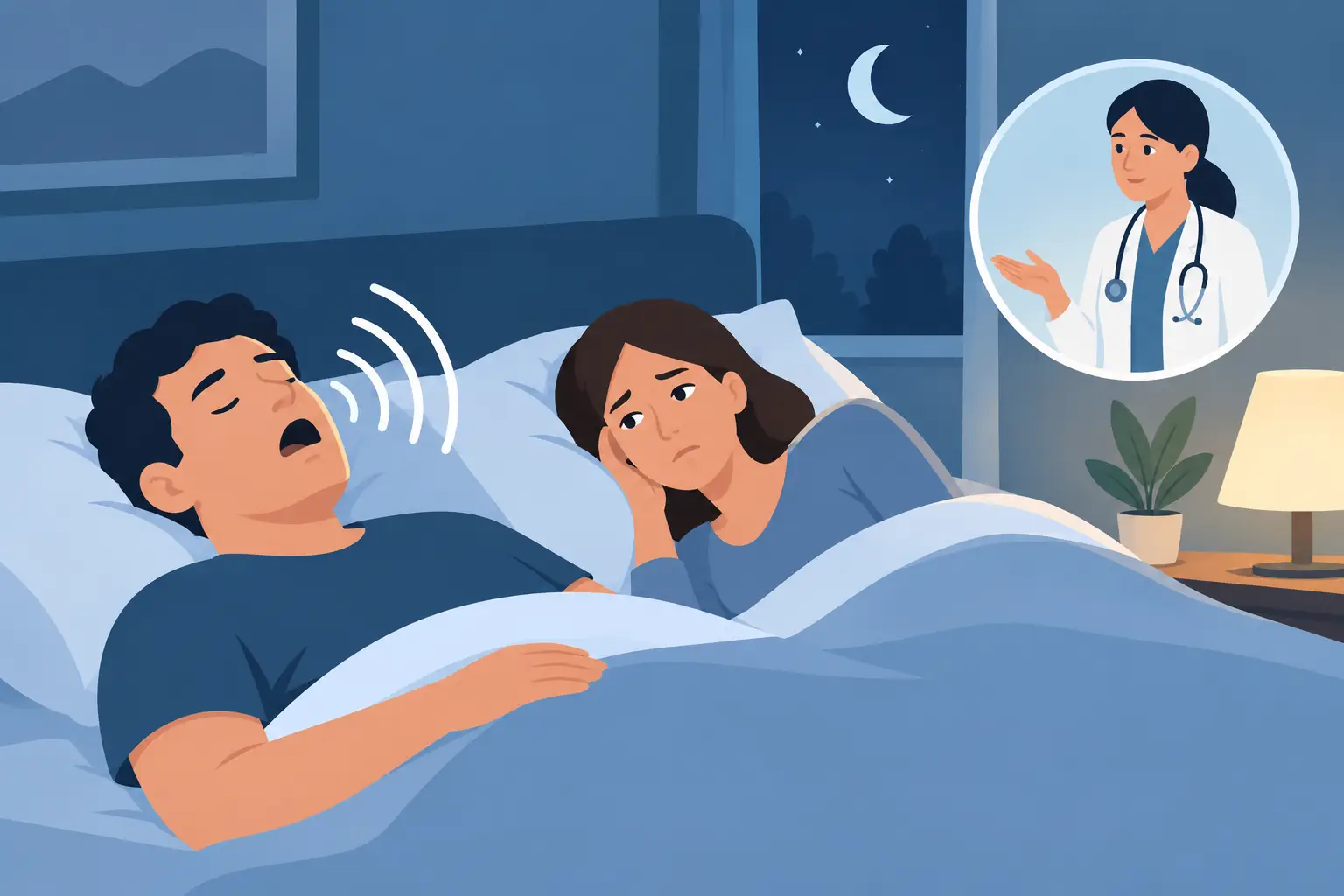
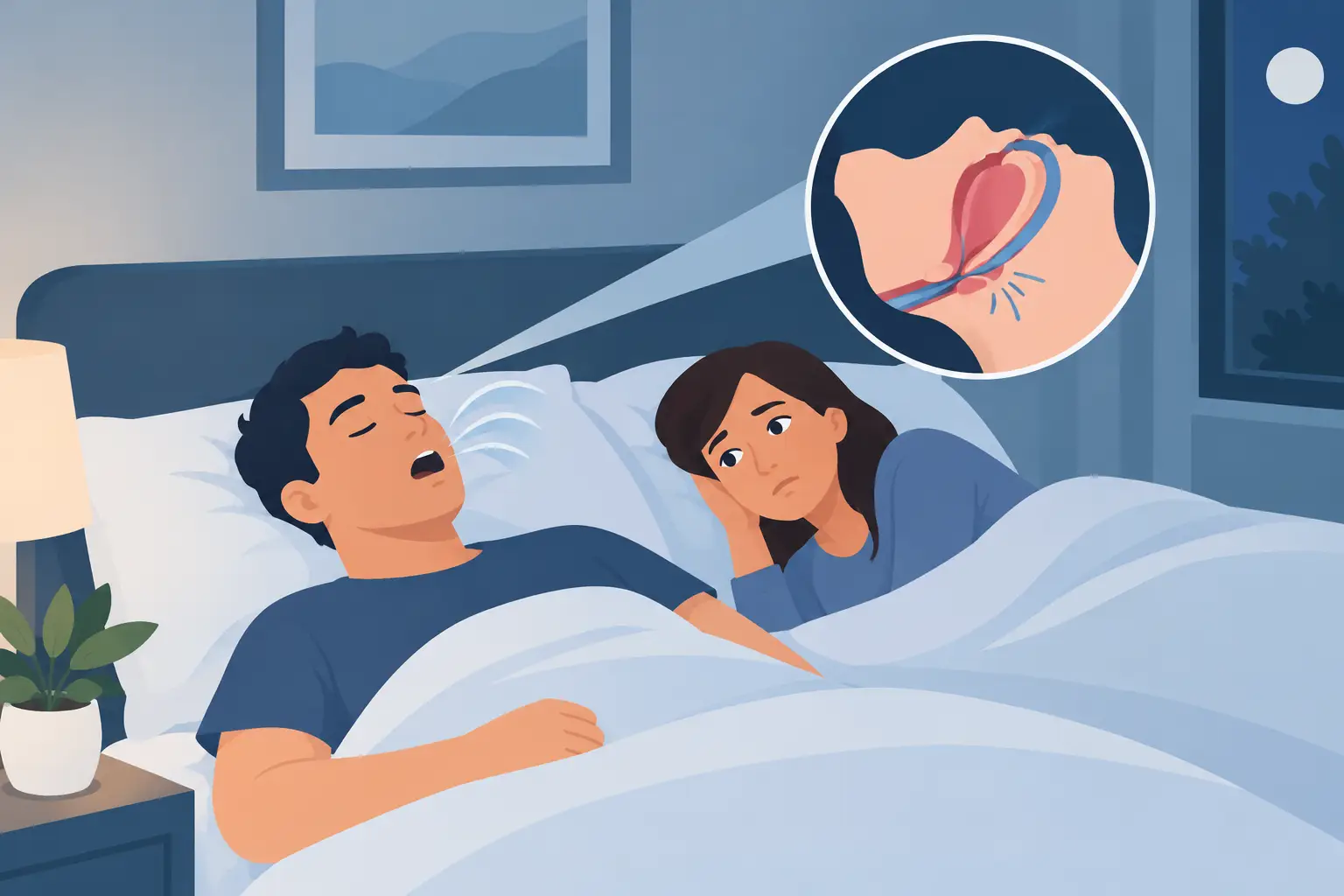
If snoring is keeping someone awake beside you, the temptation is to buy the first remedy that promises a quiet night. But before you spend money or blame yourself for every tired morning, it helps to know how to test simple snoring properly. A few nights of focused observation can show whether the noise is likely to be ordinary snoring, what is making it worse and when it needs a medical check instead.
Simple snoring is common. It happens when relaxed tissues in the nose, mouth or throat vibrate as air moves past them during sleep. It can be loud, frustrating and hard on a relationship, but it is not automatically a sign of a serious sleep disorder. The key is not to dismiss every snore, nor to panic at every sound.
First, check whether it may be simple snoring
A home test cannot diagnose sleep apnoea. What it can do is help you identify a pattern and decide whether you should speak to your GP or arrange a sleep assessment.
Simple snoring is more likely when the sound is fairly steady, happens mainly in certain positions or after clear triggers, and is not accompanied by major breathing changes. For example, it may become much louder after alcohol, when you have a cold, during allergy season or when you sleep flat on your back. Your partner may notice snoring, but not repeated pauses in breathing.
Be more cautious if there are gaps in breathing followed by choking, gasping or a loud snort. Other warning signs include waking with headaches, feeling overwhelmingly sleepy during the day, struggling to concentrate, waking frequently to pass urine, or having high blood pressure. These can be associated with obstructive sleep apnoea, which needs proper clinical advice rather than a DIY solution.
Your partner’s observations matter here. Snorers rarely hear the full pattern themselves. Ask for an honest account of what happens during the night, including whether the snoring is constant, whether it changes with position and whether there are any worrying pauses.
How to test simple snoring over one week
A single noisy night proves very little. Congestion, a late meal, stress, alcohol or an awkward sleeping position can all make snoring worse temporarily. A seven-night baseline gives you a far more useful picture.
Keep your routine as normal as possible
For the first week, do not try several new remedies at once. Go to bed at roughly your usual time and keep a brief note each morning. Record whether you drank alcohol, felt congested, slept on your back or side, took any sedating medicine, and how rested you felt on waking.
Also ask your partner to rate the snoring on a simple scale from 0 to 5. Zero means no snoring noticed; five means loud enough to disturb their sleep significantly. If you sleep alone, an audio-recording app can help capture the timing and volume of sound. Treat the recording as a diary, not a diagnosis.
The aim is to find repeatable links. Perhaps snoring appears only after a few drinks. Perhaps it is worst between 2am and 4am. Perhaps it settles when you turn onto your side. Those details give you something concrete to test.
Record the pattern, not just the volume
A loud snore is not necessarily more concerning than a quieter one. Look at the shape of the night. Does the noise come and go with normal movement and position changes? Is it worse when you are on your back? Does it become more noticeable when your nose is blocked?
If your partner reports repeated silence followed by a gasp, write that down separately. Do not try to interpret it from an app recording alone. Phone microphones can miss breathing sounds, and most consumer apps cannot tell the difference between simple snoring and sleep apnoea.
It can also help to note daytime effects. Give your morning alertness a score from 1 to 5, then record whether you nodded off unintentionally, needed more caffeine than usual or felt irritable. Snoring that is noisy but leaves you refreshed is different from snoring paired with persistent exhaustion.
Check position and nasal comfort
For two or three nights after your baseline, make one sensible change. If you usually sleep on your back, try settling on your side with a pillow that helps you stay there. If you are blocked up with a cold or allergies, focus on treating the congestion in an appropriate way and see whether the snoring changes once your nose is clearer.
Do not alter everything together. If you change your pillow, stop alcohol, use a nasal product and start a wearable on the same night, you will not know what helped. One change at a time is slower, but it gives you an answer you can trust.
Test likely triggers without guessing
For many people, simple snoring is not identical every night. It responds to habits and circumstances. After your baseline, test the factors that are most relevant to you.
Alcohol close to bedtime can relax throat tissues and make snoring louder. A later, heavier evening meal may affect some people too. Being overtired can deepen sleep and worsen the noise. Smoking and regular exposure to irritants may contribute to nasal and throat irritation. Weight can also play a part, although it is not the only cause and should not be used to make assumptions about someone’s health.
Choose one trigger to avoid for several nights, then compare the partner score, recordings and morning alertness with your baseline. The result may be clear, or it may not. That is useful information in itself. If snoring does not shift despite obvious changes, it is worth considering a different approach or seeking advice.
Testing an anti-snoring solution fairly
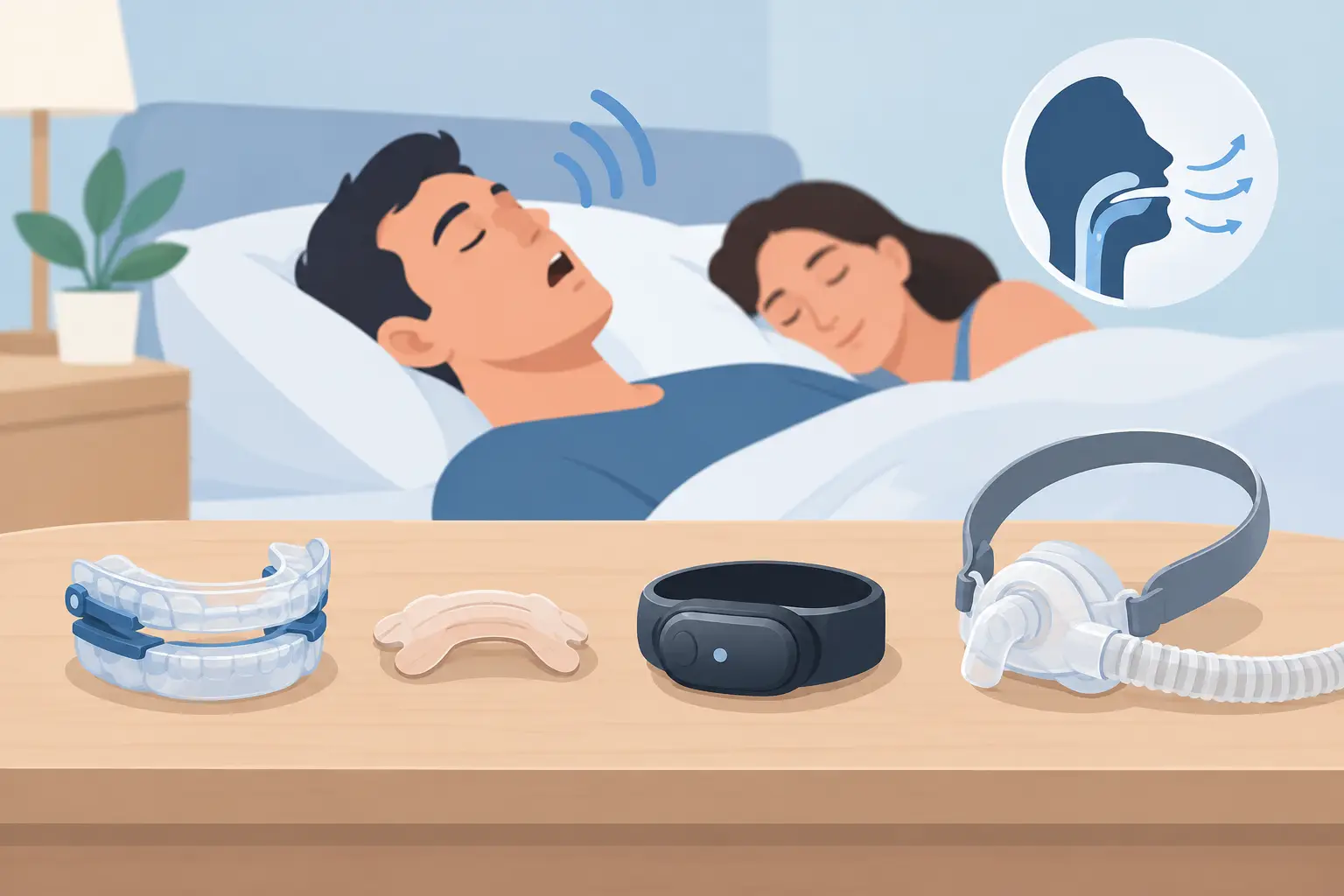
A remedy should be comfortable enough to use consistently. If it keeps you awake, causes jaw pain or feels impossible to tolerate, it is not solving the problem, however impressive the packaging sounds.
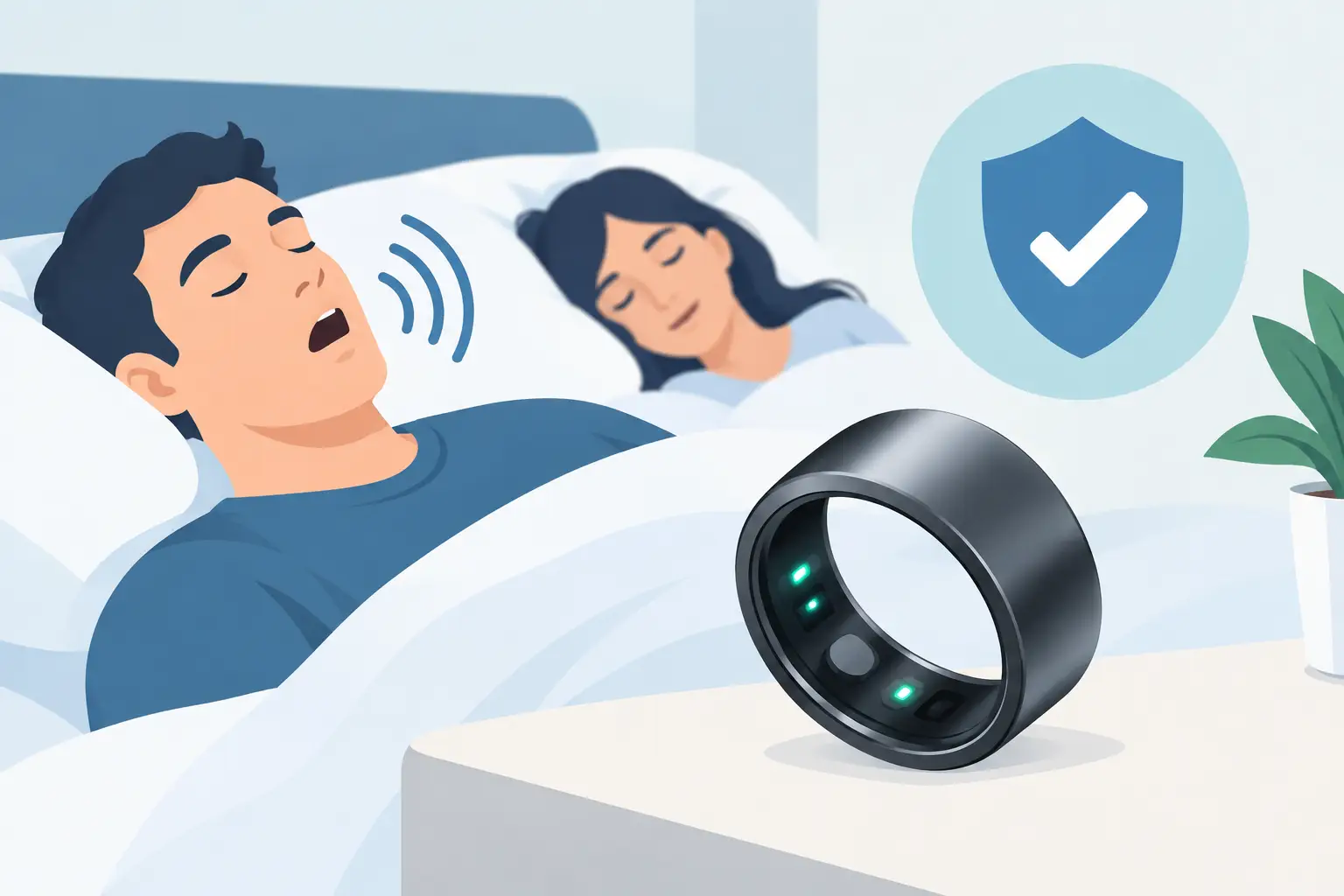
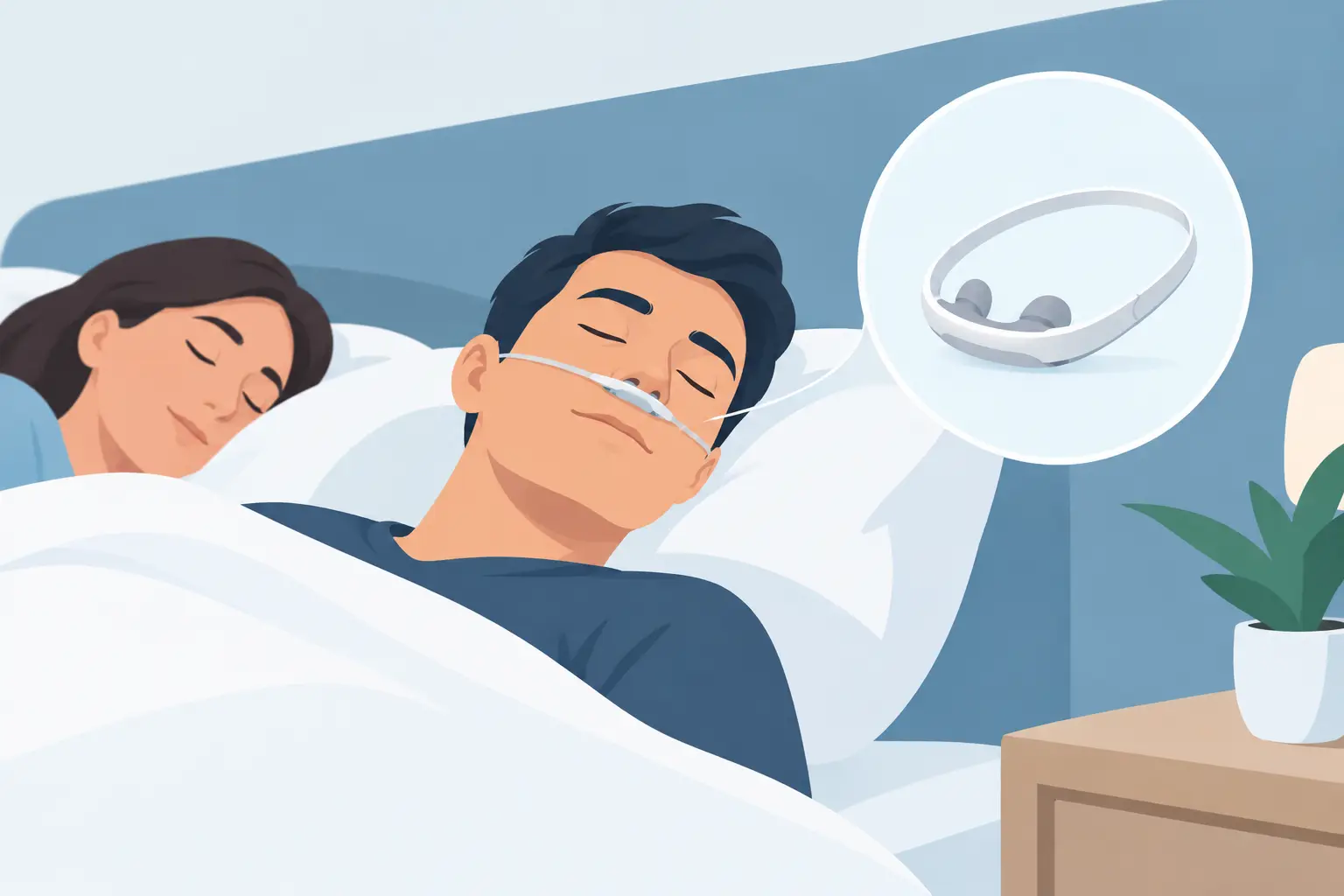
For people whose pattern appears to be simple snoring, a non-invasive option may be a sensible first step. The Good Night Anti-Snoring Ring is the original clinically trialled stop snoring ring, designed to apply acupressure to specific points on the little finger while you sleep. It avoids the bulk of mouthpieces and the inconvenience of medication-based approaches.
Give any wearable solution a fair test over at least 10 to 14 nights, unless it causes discomfort. Use it exactly as directed and keep the same diary you used for your baseline. Look for a consistent reduction in your snoring score and, just as importantly, a better night for your partner. A quiet first night is encouraging; a sustained improvement is more meaningful.
Be realistic about results. No anti-snoring product works for everyone because snoring has different causes. A company that offers a money-back guarantee gives you room to assess whether the product works for your sleep, rather than relying on someone else’s experience.
When a home snoring test is not enough
Stop self-testing and contact your GP if you notice breathing pauses, gasping, choking, severe daytime sleepiness or snoring that is affecting your health and daily safety. This is especially important if you feel drowsy while driving, operating machinery or caring for others.
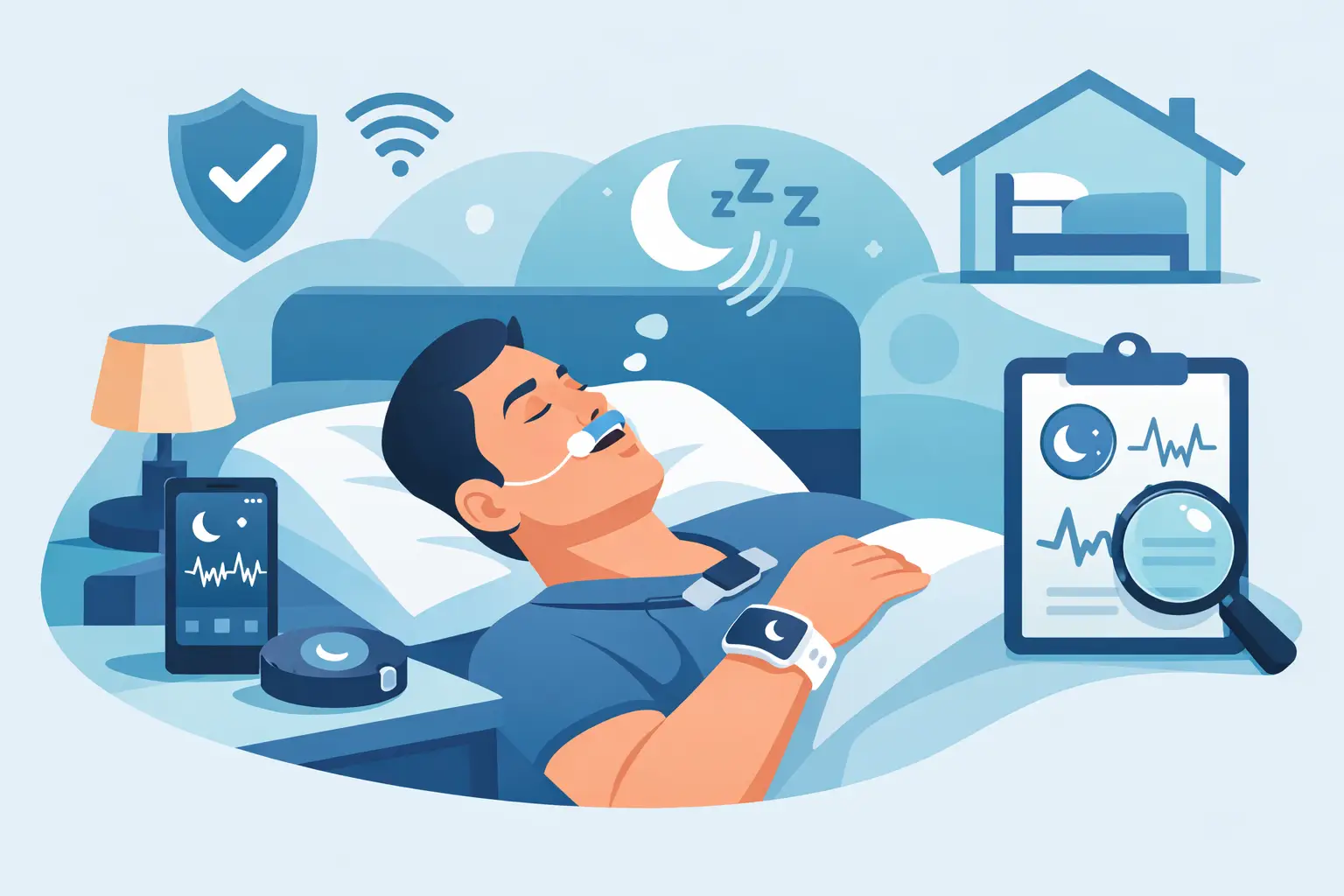
Your GP may ask about your sleep, health history and medicines, and may recommend a home sleep study or referral to a sleep clinic. These tests measure far more than sound. They can assess breathing, oxygen levels, heart rate and sleep disruption, which is why they are the right route when sleep apnoea is a possibility.
You should also seek advice for a child who snores regularly, or for any adult with new snoring alongside significant breathlessness, chest symptoms or unexplained weight changes. Snoring is often simple, but a sudden change deserves attention.
A better test starts with an honest conversation
Testing snoring works best when it is not treated as a personal failing or a joke at someone else’s expense. The person losing sleep and the person making the noise are on the same side. Keep the notes simple, test one change at a time and take warning signs seriously. That approach can turn another tense night into a clear, practical next step towards quieter sleep for both of you.