Blog
Single Post

How to Reduce Bedtime Snoring Naturally
The problem usually starts with a nudge in the ribs at 2am. One of you is snoring, the other is staring at the ceiling, and by morning both of you are tired and fed up. If you are looking for how to reduce bedtime snoring, the good news is that simple snoring often responds well to a few targeted changes – especially when you choose solutions that are comfortable enough to use every night.
Why bedtime snoring happens
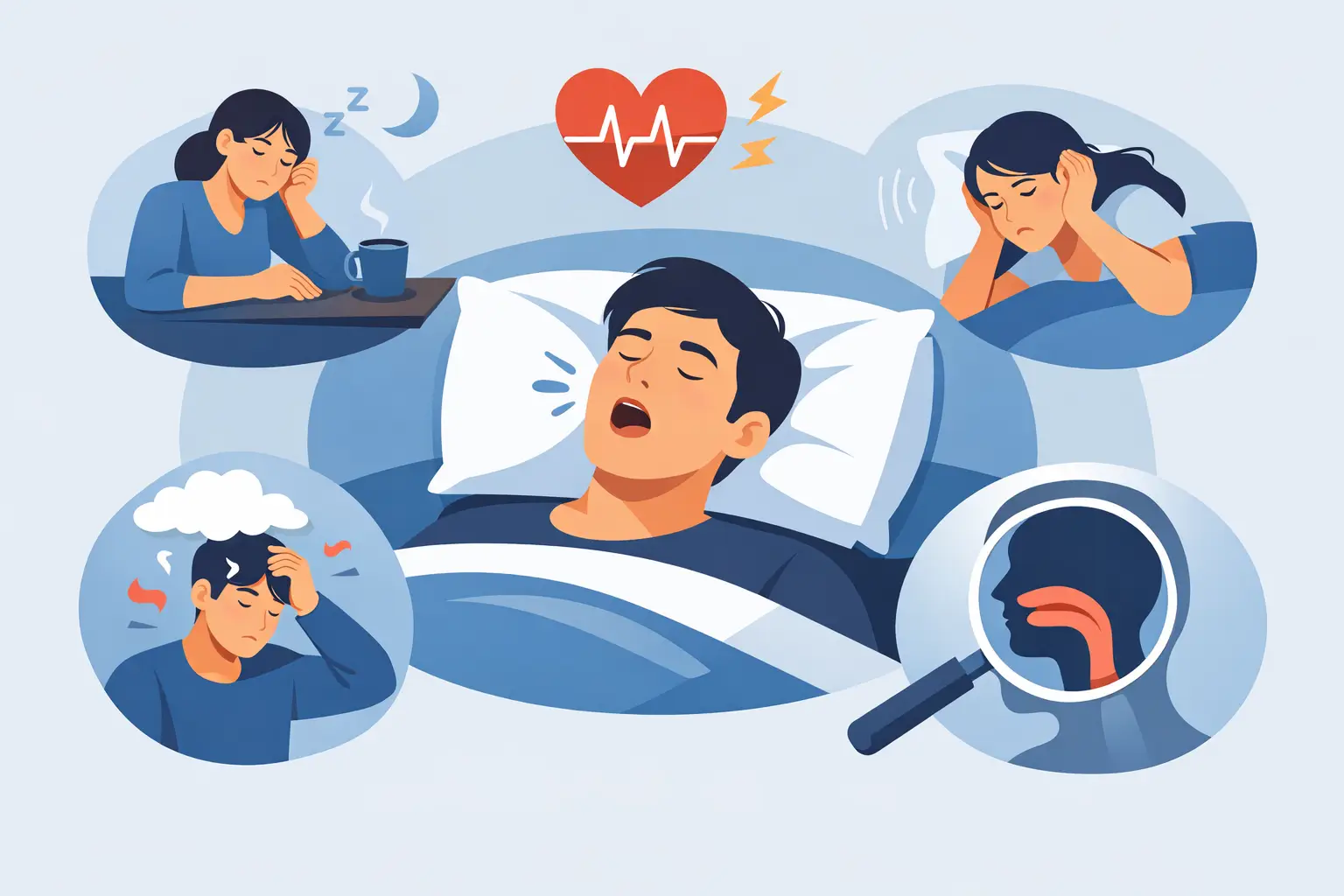
Snoring happens when air cannot move freely through the nose, mouth, or throat during sleep. As the airway narrows, nearby tissues vibrate. That vibration creates the sound. Sometimes it is mild and occasional. Sometimes it is loud enough to wake a partner in the next room.
The tricky part is that snoring is not always caused by one thing. For some people, it gets worse after alcohol. For others, it is linked to sleeping on their back, weight gain, nasal congestion, or simple muscle relaxation during deeper sleep. Age can play a part too, because tissues in the airway may become less firm over time.
That is why the best approach is usually practical rather than dramatic. You do not need to jump straight to bulky mouthguards or intrusive devices if your snoring is straightforward and not linked to a more serious condition.
How to reduce bedtime snoring without turning sleep into hard work
The most effective anti-snoring routine is one you will actually stick to. That matters more than grand promises. Many products fail not because they are useless in theory, but because they are uncomfortable, awkward, or impossible to tolerate night after night.
Start with the obvious triggers. If your snoring becomes noticeably worse after a drink in the evening, cutting back can make a real difference. Alcohol relaxes the muscles in the throat, which can increase vibration and narrow the airway. A heavy late meal can also leave you sleeping less comfortably, particularly if reflux is part of the picture.
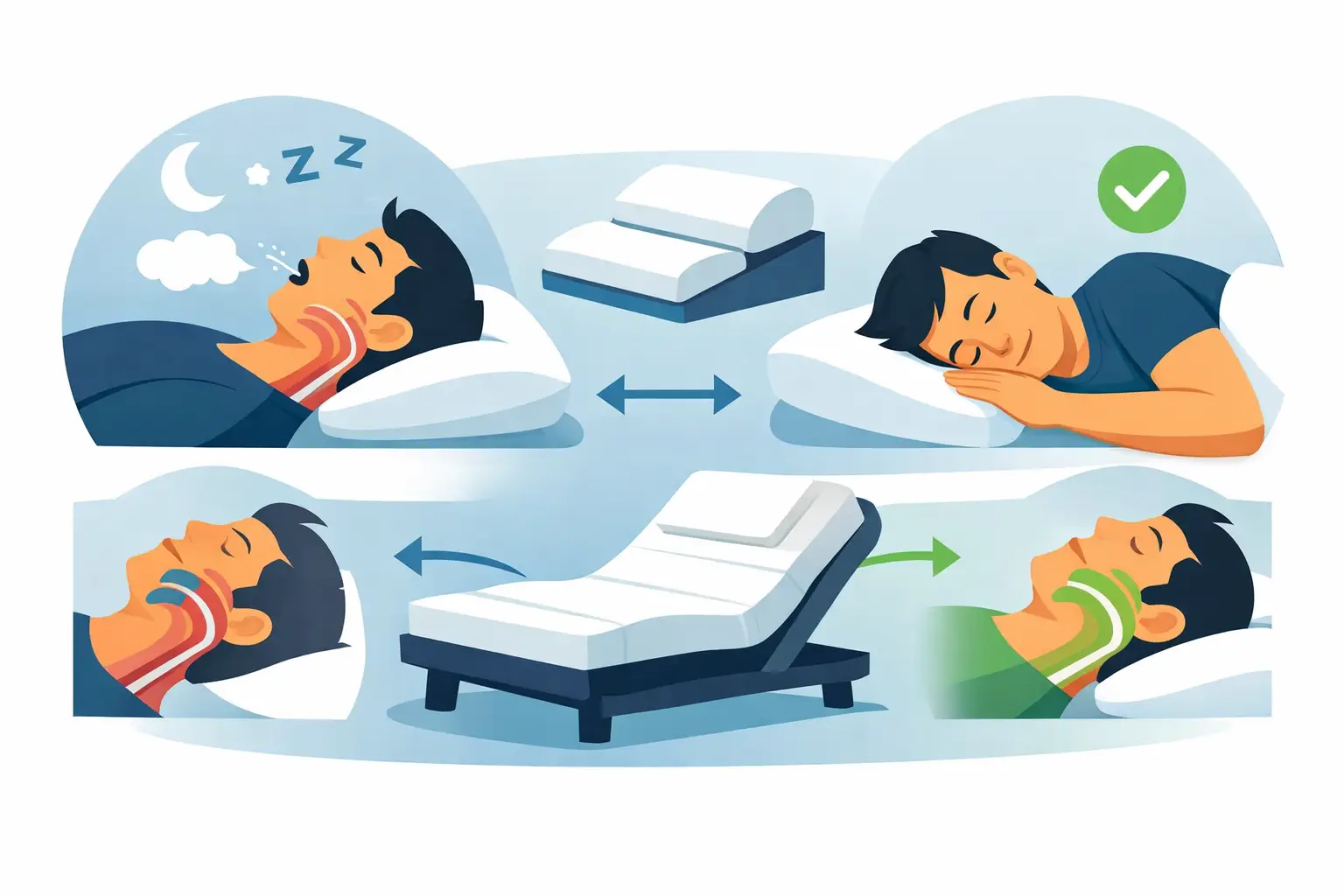
Sleep position is another common factor. Back sleeping encourages the tongue and soft tissues to fall backwards, which can increase airway obstruction. Some people find that side sleeping reduces snoring quite quickly. It is not a miracle fix for everyone, but it is one of the lowest-effort changes to test.
Congestion also deserves attention. If your nose is blocked, you are more likely to breathe through your mouth, and that can make snoring worse. A warm shower before bed, keeping the bedroom free from obvious allergens, and dealing with seasonal nasal irritation can all help. The point is not perfection. It is giving your airway the best chance to stay open during the night.
Natural options that people actually keep using
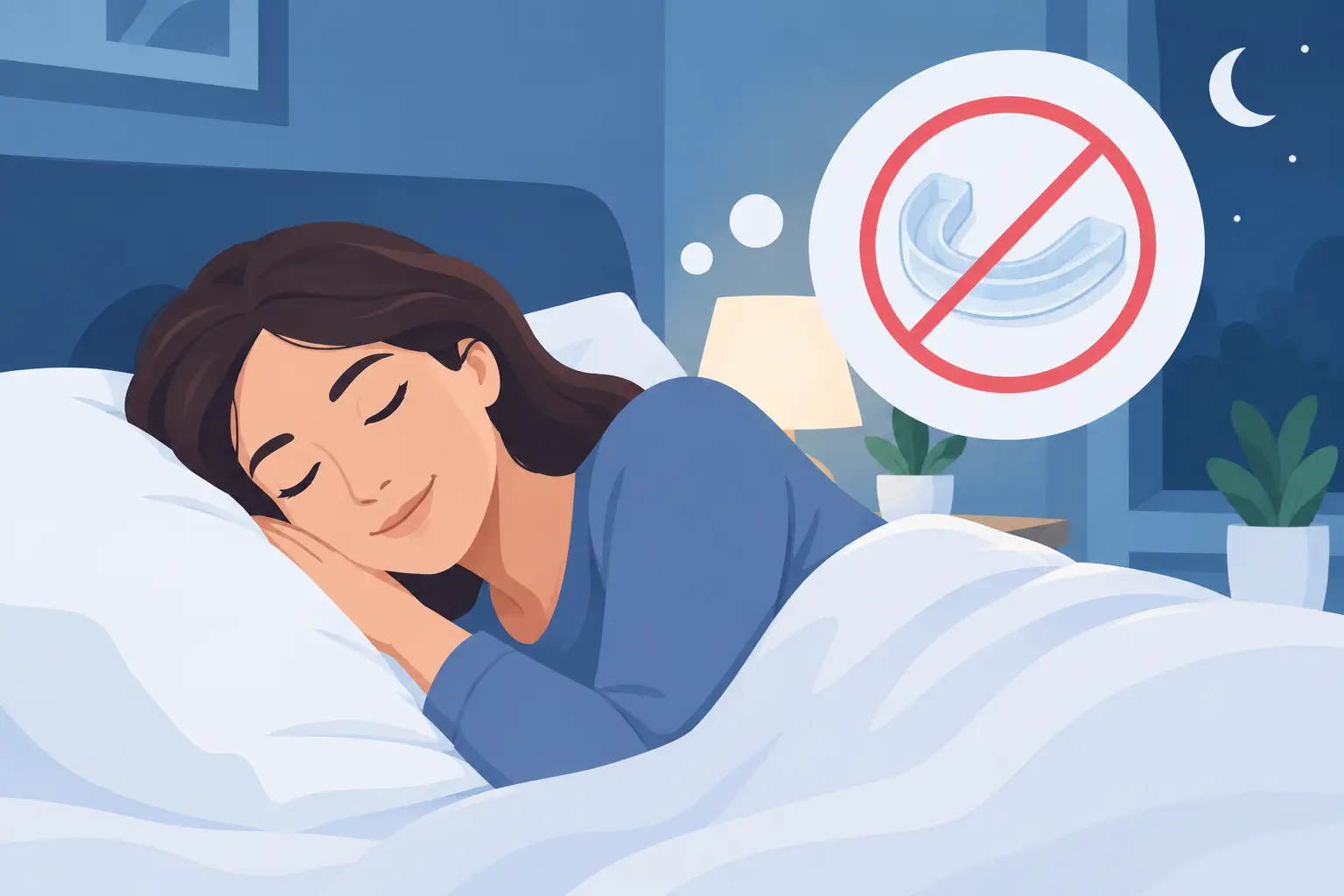
This is where many snorers get stuck. They know they should do something, but the usual options feel like too much. Mouthpieces can be bulky. Sprays may feel temporary. Taping and straps are not for everyone. If a solution feels invasive, many people abandon it within days.
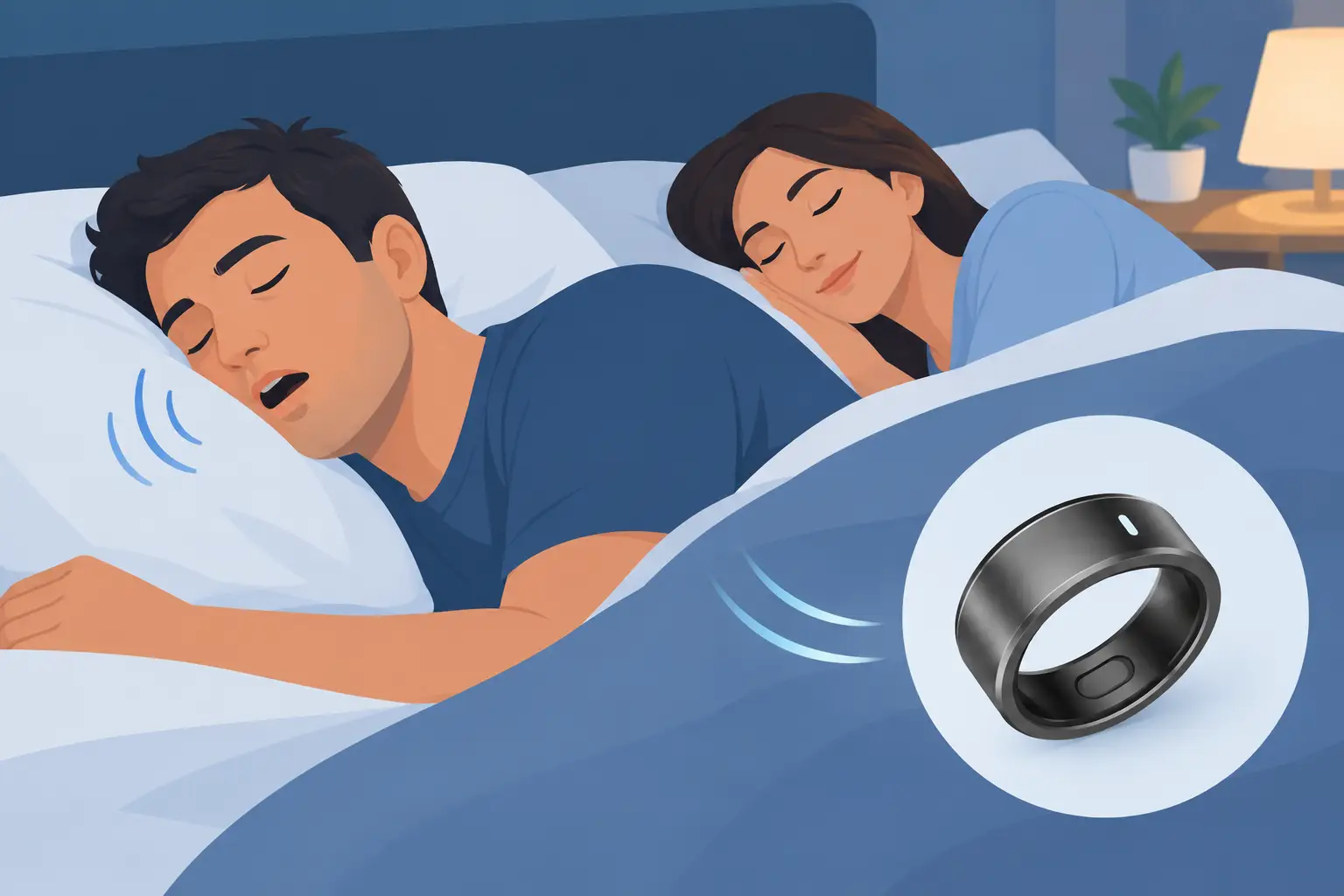
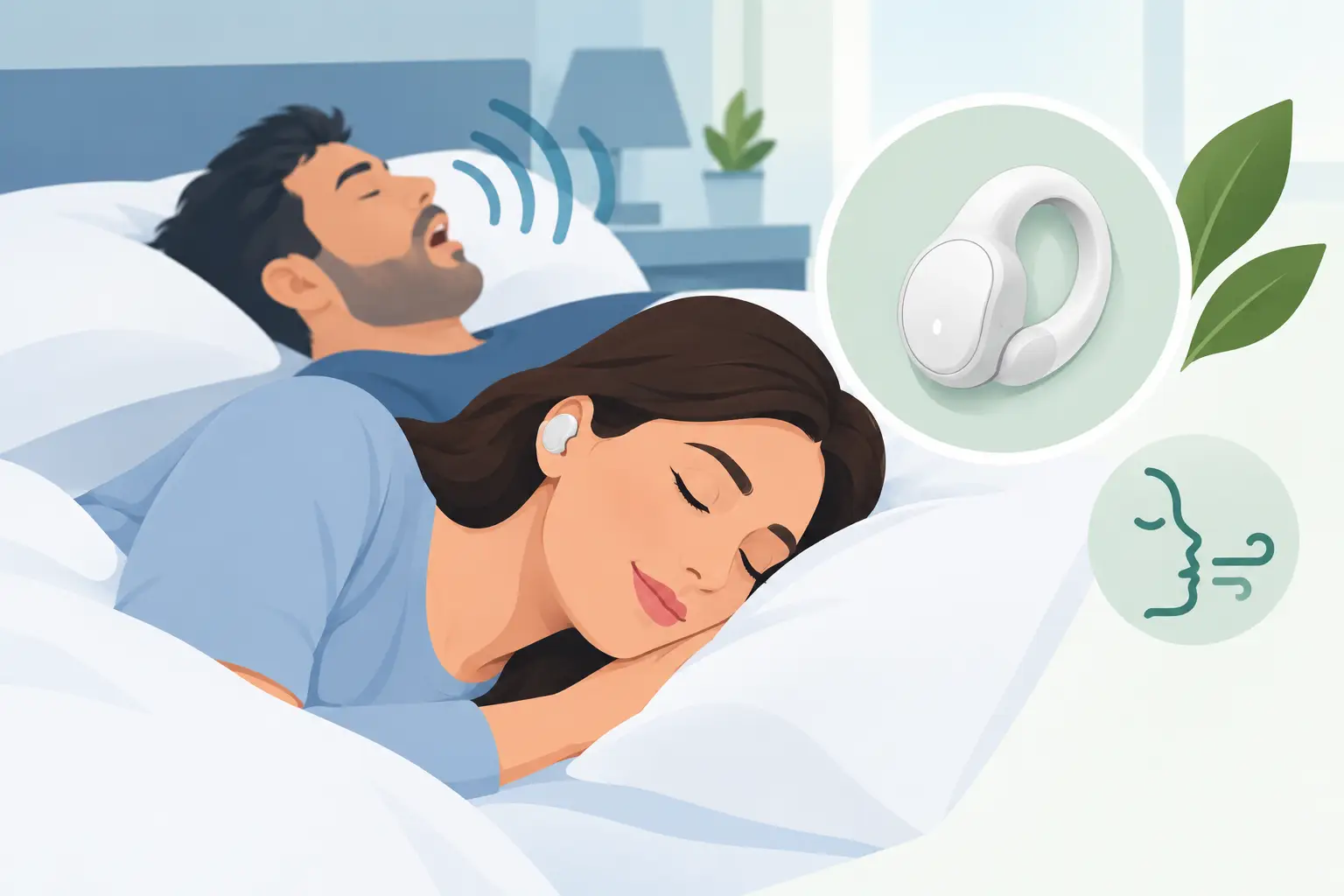
A natural, non-invasive option can be easier to live with. Acupressure-based anti-snoring rings are designed to apply gentle pressure to specific points on the little finger during sleep. For people with simple snoring, that can be an appealing middle ground between doing nothing and sleeping in what feels like dental equipment.
The appeal is straightforward. There is nothing to plug in, swallow, charge, or fit inside the mouth. You put it on as part of your bedtime routine and sleep normally. That simplicity matters, especially for couples who want less disruption rather than another nightly hassle.
Good Night Health offers the original stop snoring ring, a clinically trialled and FDA-cleared option designed for people who want a discreet alternative to more cumbersome snoring devices. Just as importantly, it is backed by a 30-day money-back guarantee. That does not mean it works for everyone, and honest brands should say so. But if you have tried other remedies and given up because they were too uncomfortable, a simpler wearable may be a more realistic place to start.
What helps, what does not, and where it depends
Anyone promising a guaranteed cure for every snorer is not being straight with you. Snoring has different causes, and results depend on what is driving it.
If your snoring is mainly positional, changing sleep posture may help quickly. If it is linked to congestion, the biggest win may come from improving nasal airflow. If it is simple snoring without a more complex underlying issue, a non-invasive wearable may be enough to reduce noise significantly.
Where people often waste time is by treating every kind of snoring as the same. A product can be good and still not be right for every person. That is not failure. It is simply why a low-risk approach matters. Comfortable solutions with a refund policy are easier to try with confidence than expensive devices that leave you committed whether they suit you or not.
Bedtime habits that support quieter sleep
A few small changes can make your anti-snoring efforts more effective. Try to keep a regular bedtime rather than collapsing into sleep at wildly different hours. Overtired sleep can sometimes be heavier and noisier, especially if your breathing is already compromised by congestion or alcohol.
Bedroom air can matter too. If the room is too dry, nasal passages and throat tissues may become irritated. If it is dusty, blocked breathing can become more likely. You do not need to turn your bedroom into a laboratory, but clean bedding, decent airflow, and a comfortable sleep environment are worth the effort.
Weight can also play a role, though it is not the whole story. Extra tissue around the neck may increase pressure on the airway during sleep, so weight loss can reduce snoring for some people. Still, plenty of slim people snore and plenty of heavier people do not. It is one factor, not a moral judgement and not a complete explanation.
When snoring needs a closer look
If you are trying to work out how to reduce bedtime snoring, it is worth knowing when not to self-manage indefinitely. Loud habitual snoring paired with choking, gasping, long pauses in breathing, morning headaches, or extreme daytime sleepiness can point to sleep apnoea or another issue that needs medical advice.
The same applies if your partner notices repeated breathing pauses or if you regularly wake feeling as tired as when you went to bed. Natural and non-invasive snoring solutions can be helpful for simple snoring, but they are not a substitute for proper assessment when red flags are present.
That distinction matters because the goal is not only a quieter bedroom. It is better sleep and better health. A trustworthy approach should help people understand the difference.
Choosing a solution you will still use next month
The best anti-snoring product is not necessarily the most complicated one. It is the one that fits real life. If it feels embarrassing, uncomfortable, noisy, or high-maintenance, there is a good chance it will end up in a drawer.
That is why so many adults now look for discreet, natural options first. They want something they can use without fuss, especially if a partner is already frustrated and patience is wearing thin. A clinically trialled anti-snoring ring makes sense in that context because it removes much of the discomfort people associate with traditional snoring aids.
If you are sceptical, that is reasonable. Many people have already spent money on remedies that overpromised and underdelivered. Look for clear claims, proper product legitimacy, and a refund policy that gives you room to test whether it suits you. Confidence is earned, not assumed.
Better nights rarely come from one dramatic fix. More often, they come from choosing a sensible solution, using it consistently, and giving your sleep setup a few quiet improvements. If bedtime snoring has become the third person in your bed, start with something simple, comfortable, and realistic – because the right change is the one you can keep using when the novelty has worn off.