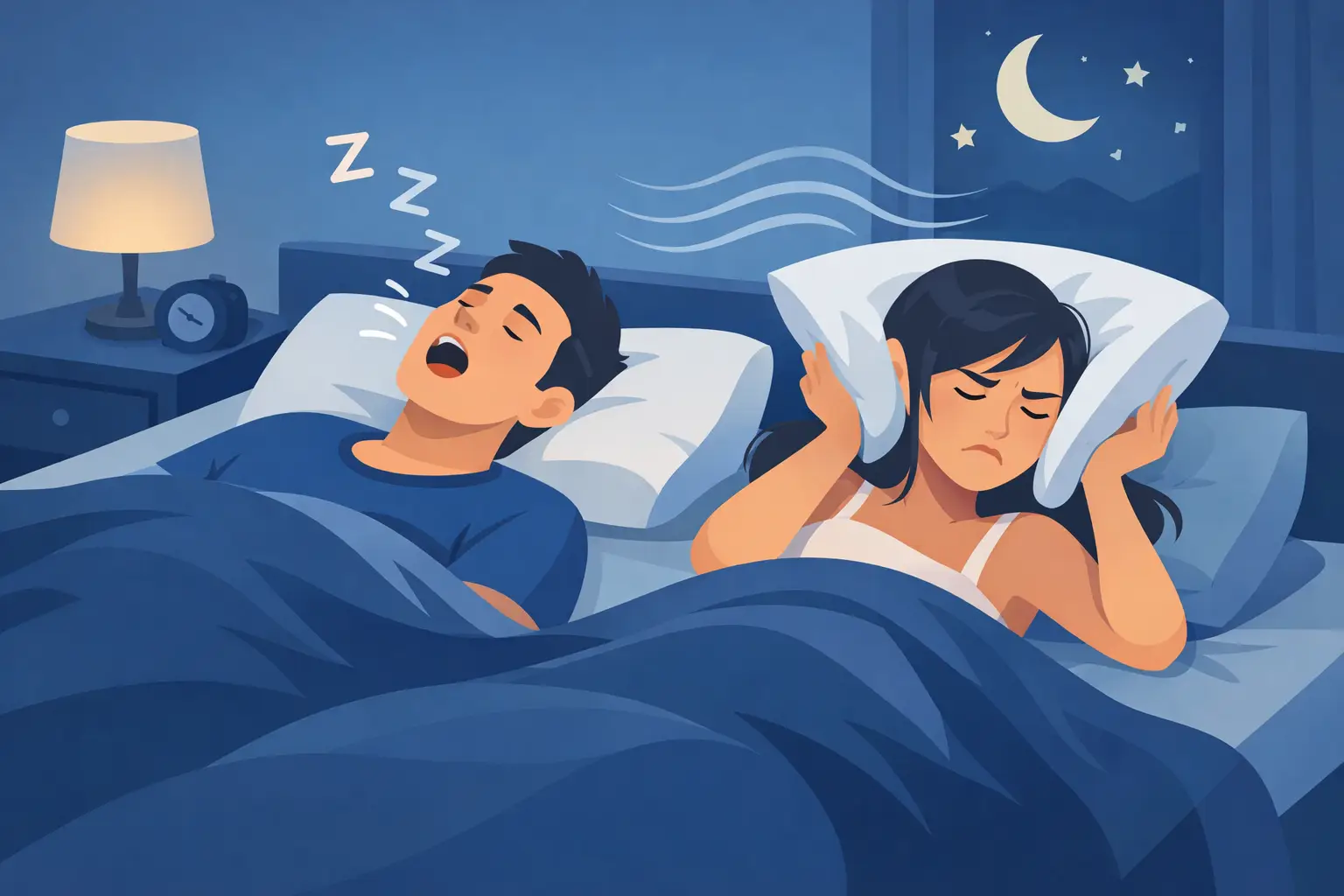
The five signs simple snoring needs help are not always about volume. A rattling sound that keeps your partner awake is frustrating enough, but changes in your breathing, energy, mood or sleep pattern can tell you far more. The aim is not to panic over every snore. It is to recognise when a straightforward nightly nuisance deserves a proper response.
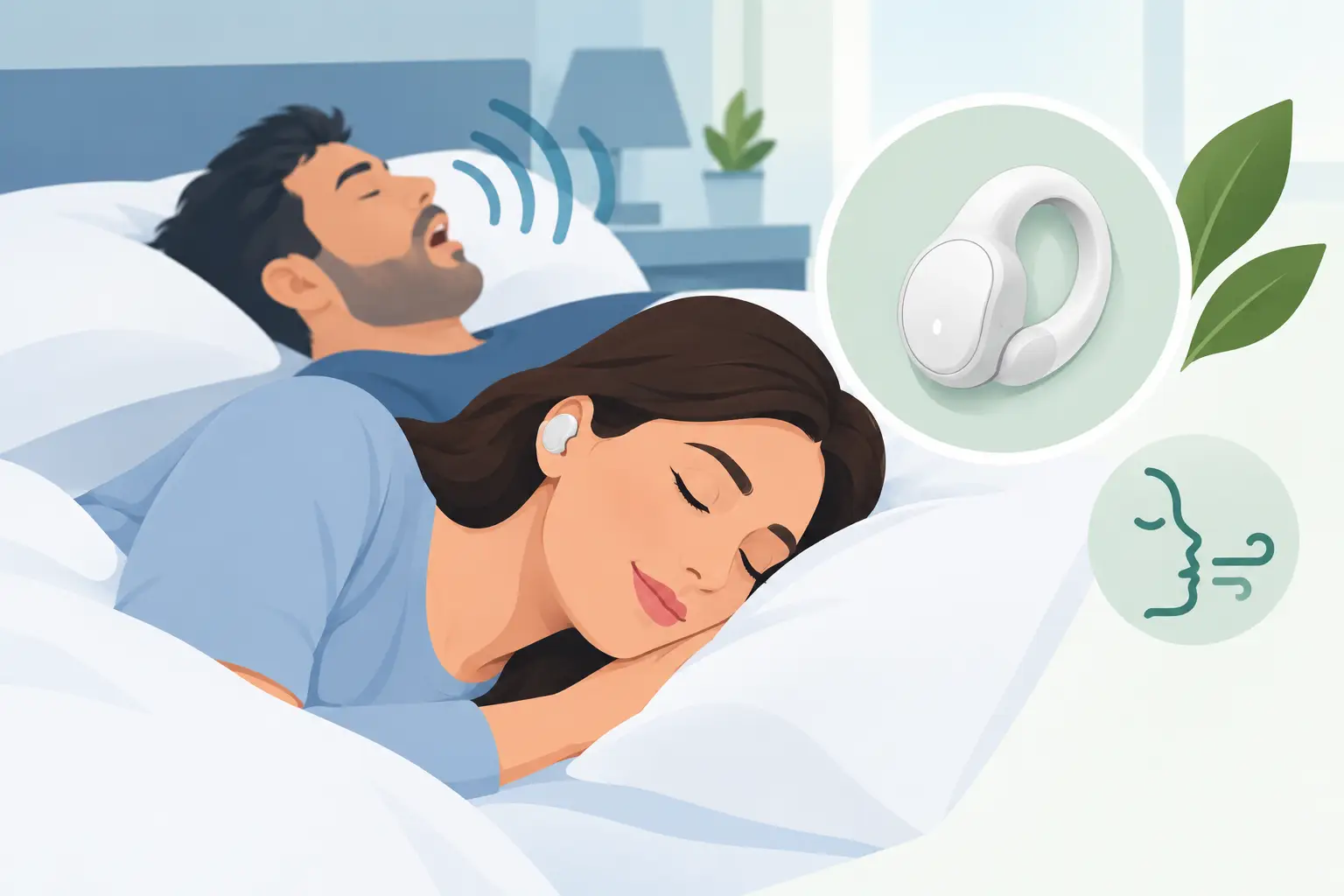
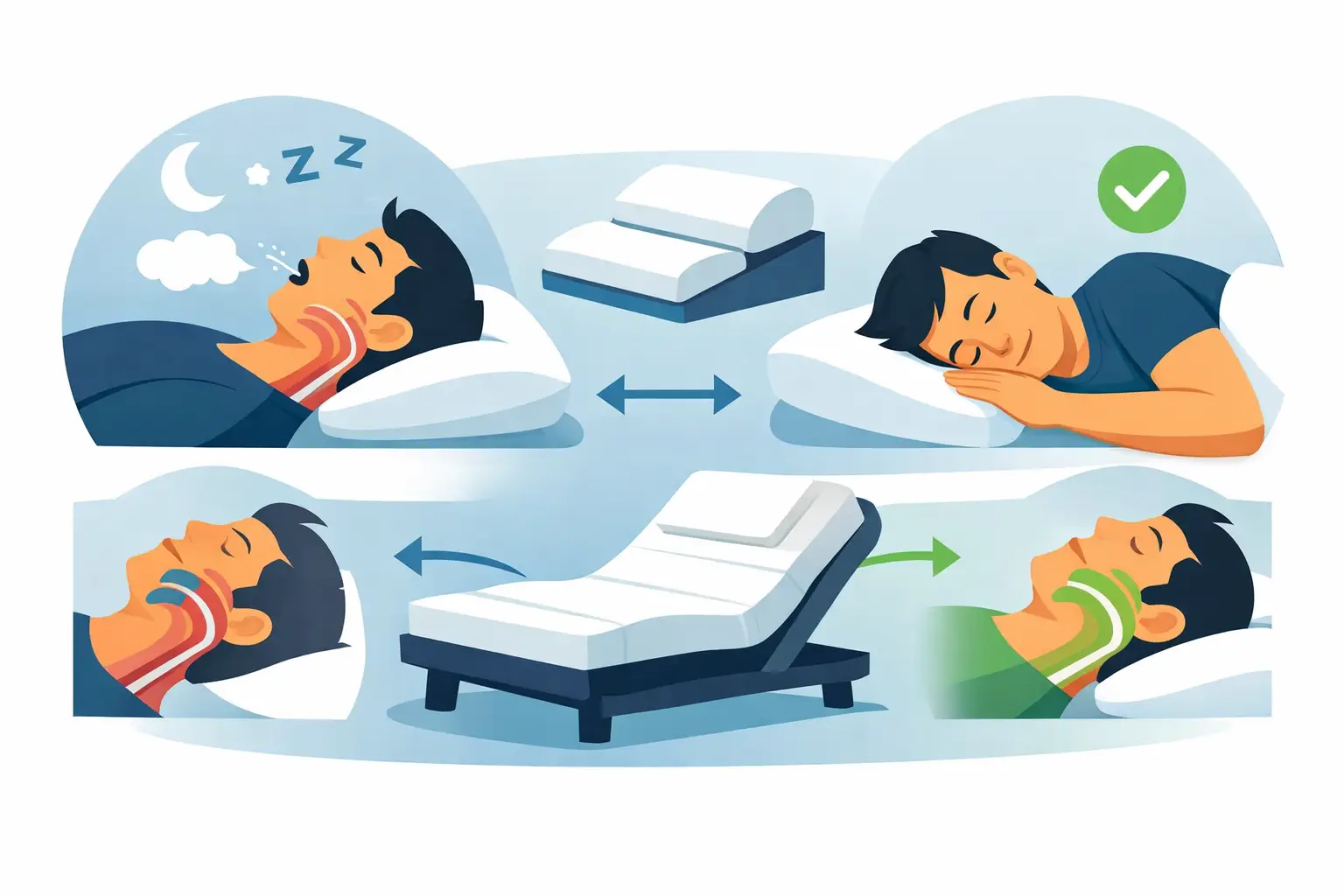
Simple snoring happens when relaxed tissues in the nose, mouth or throat vibrate as air moves past them during sleep. It can be made worse by sleeping on your back, alcohol, congestion, tiredness, weight changes or simply the shape of your airway. For many people, a comfortable non-invasive approach can be a sensible first step. For others, snoring is a clue that their breathing needs medical assessment.
1. Your snoring is suddenly louder or more frequent
A gradual snore that appears after a cold or a few late nights may settle once the trigger has passed. But a clear change matters. Perhaps your partner says the noise has become much louder, you now snore most nights rather than occasionally, or it has started after a change in medication, weight, alcohol intake or nasal symptoms.
This does not automatically mean something serious is wrong. It does mean it is worth looking at what has changed. Start with the practical basics: keep alcohol well away from bedtime, treat short-term congestion appropriately, try side sleeping and maintain a regular sleep routine. If the snoring remains persistent despite those changes, speak to a GP or pharmacist about possible causes such as allergies, blocked nasal passages or medication effects.
A simple anti-snoring solution is most relevant when the snoring is uncomplicated: regular breathing, no alarming pauses and no major daytime symptoms. It should not be used to explain away a noticeable change that continues to get worse.
2. Your partner notices pauses, choking or gasping
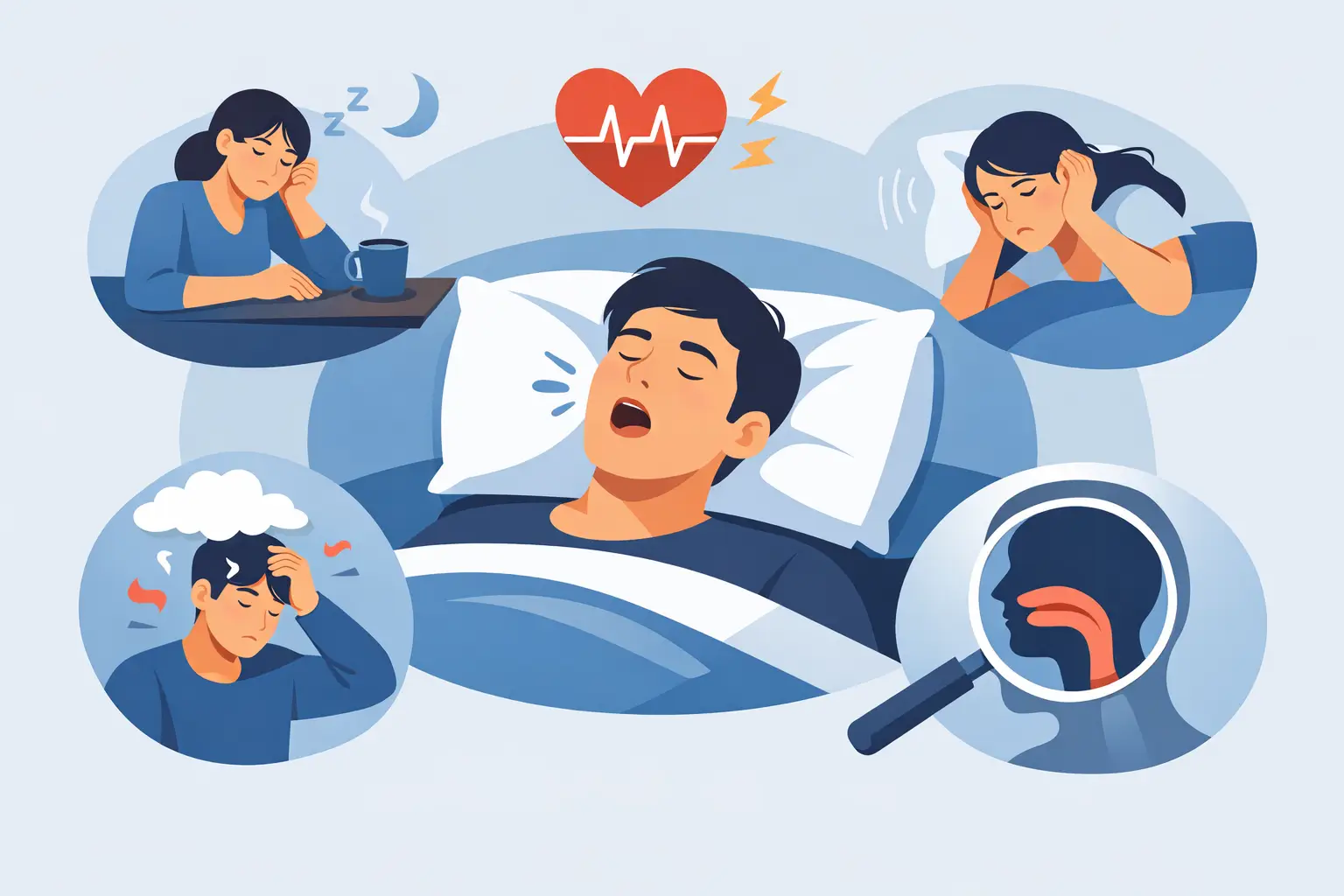
This is the sign to take most seriously. If someone hears you stop breathing, then snort, choke or gasp before breathing resumes, arrange an appointment with your GP. These can be signs of obstructive sleep apnoea, a condition in which the airway repeatedly narrows or closes during sleep.
Many people with sleep apnoea do not know it is happening. Their partner is often the first person to spot the pattern: loud snoring, silence, a sudden gasp, then snoring again. Recording a short audio or video clip, or keeping a note of what your partner observes, can help you describe it clearly at your appointment.
Sleep apnoea is not something to self-diagnose, and it is not a problem that a simple snoring aid is designed to treat. Assessment may involve questions about your sleep and daytime symptoms, followed by a home sleep test or referral if needed. Getting checked is a practical act of care for yourself and the person lying awake beside you.
3. You wake unrefreshed, even after enough time in bed
A full night in bed should not routinely leave you feeling as though you have barely slept. If you wake with a dry mouth, morning headaches or a heavy, foggy feeling that lingers through the morning, your sleep may be more disrupted than you realise.
Snoring itself can disturb sleep, particularly when it leads to brief awakenings. But persistent exhaustion can also point to sleep apnoea or another sleep, health or lifestyle issue. The key question is whether you are getting enough restorative sleep, not simply whether you managed eight hours under the duvet.
Take stock for two weeks. Note bedtime, wake time, alcohol, nasal congestion, how often you wake and how you feel the next day. If poor sleep quality is frequent, particularly alongside loud snoring or witnessed breathing pauses, book a GP appointment. Do not accept constant tiredness as an inevitable part of getting older, working hard or sharing a bed with a snorer.
4. Daytime sleepiness is affecting your safety or your life
Nodding off in front of the television after a long day is one thing. Struggling to stay awake in meetings, while reading, on public transport or, most concerningly, while driving is another. Excessive daytime sleepiness needs attention, whether snoring is involved or not.
Poor concentration, irritability, low mood and reduced libido can also follow broken sleep. These symptoms have many possible causes, so they do not prove that snoring is to blame. Still, they are good reasons to look beyond the noise and ask whether your sleep is doing its job.
Do not drive if you feel sleepy enough that your alertness is compromised. Seek medical advice promptly, especially if you have had near misses, have been told you look as though you are falling asleep during the day, or combine daytime sleepiness with choking, gasping or breathing pauses at night.
5. Snoring is putting pressure on your relationship
Sleep loss has a way of making small things feel enormous. One partner starts sleeping in the spare room. The other feels embarrassed, defensive or guilty. Resentment builds because neither person is properly rested, and conversations about snoring become arguments at 2am.
This is a real reason to get help, even when there are no warning signs of sleep apnoea. Simple snoring can affect both people in the bed. Addressing it is not about blaming the snorer. It is about protecting shared sleep, patience and closeness.
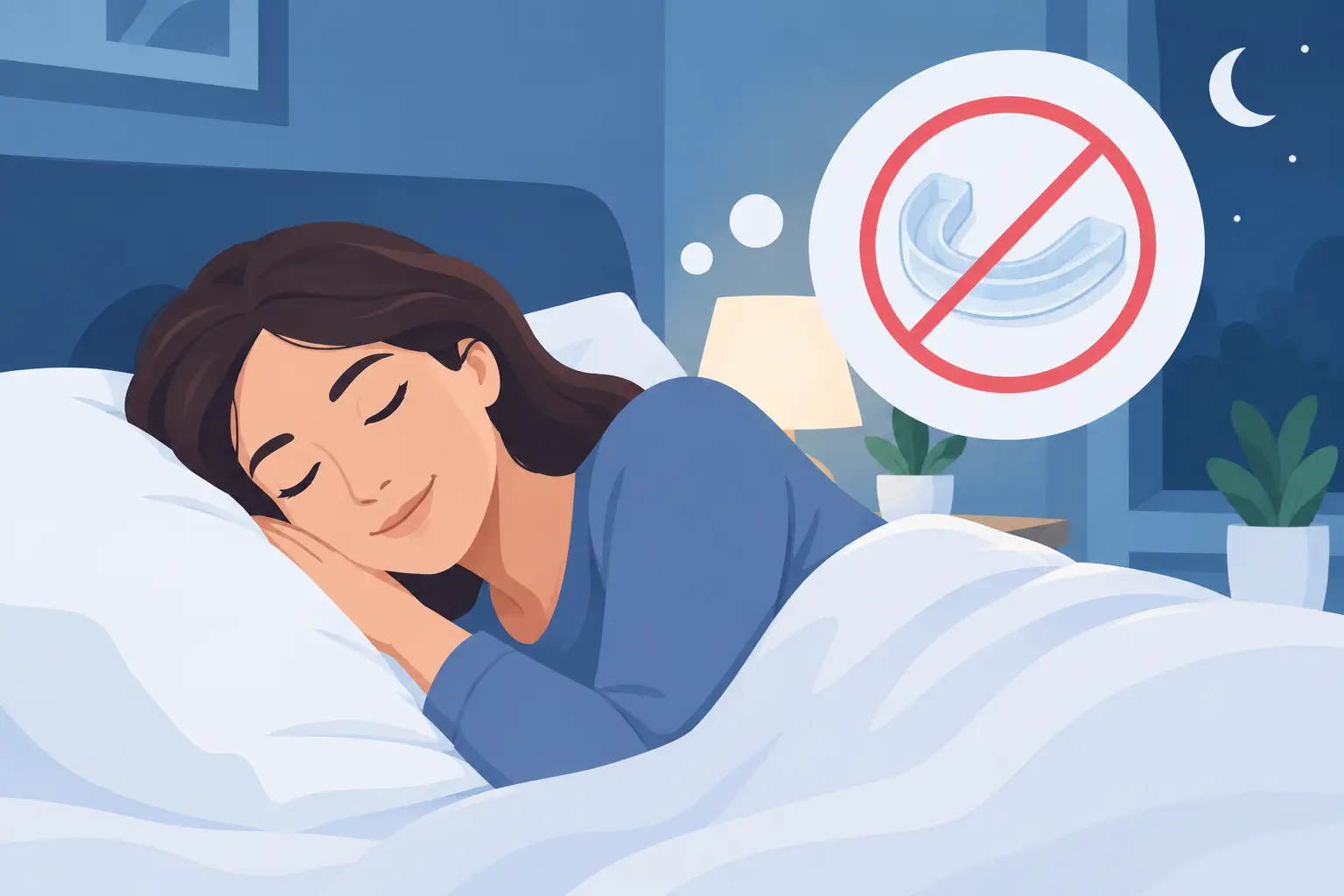
Be specific with each other. Is the noise worse after alcohol? Is it mainly when sleeping on the back? Has a blocked nose become a regular issue? A calm conversation in daylight can turn a vague complaint into a useful plan. If the pattern appears to be simple snoring, a discreet, comfortable solution may be preferable to bulky mouthpieces, medication or separate bedrooms.
When a simple snoring approach makes sense
If there are no witnessed pauses in breathing, gasping, severe daytime sleepiness or other worrying symptoms, it is reasonable to try practical measures for simple snoring. The best choice depends on the person. Positional changes suit some people, while nasal support may help when congestion is a clear factor. Mouthpieces can work for certain snorers, but many people find them uncomfortable or difficult to tolerate nightly.
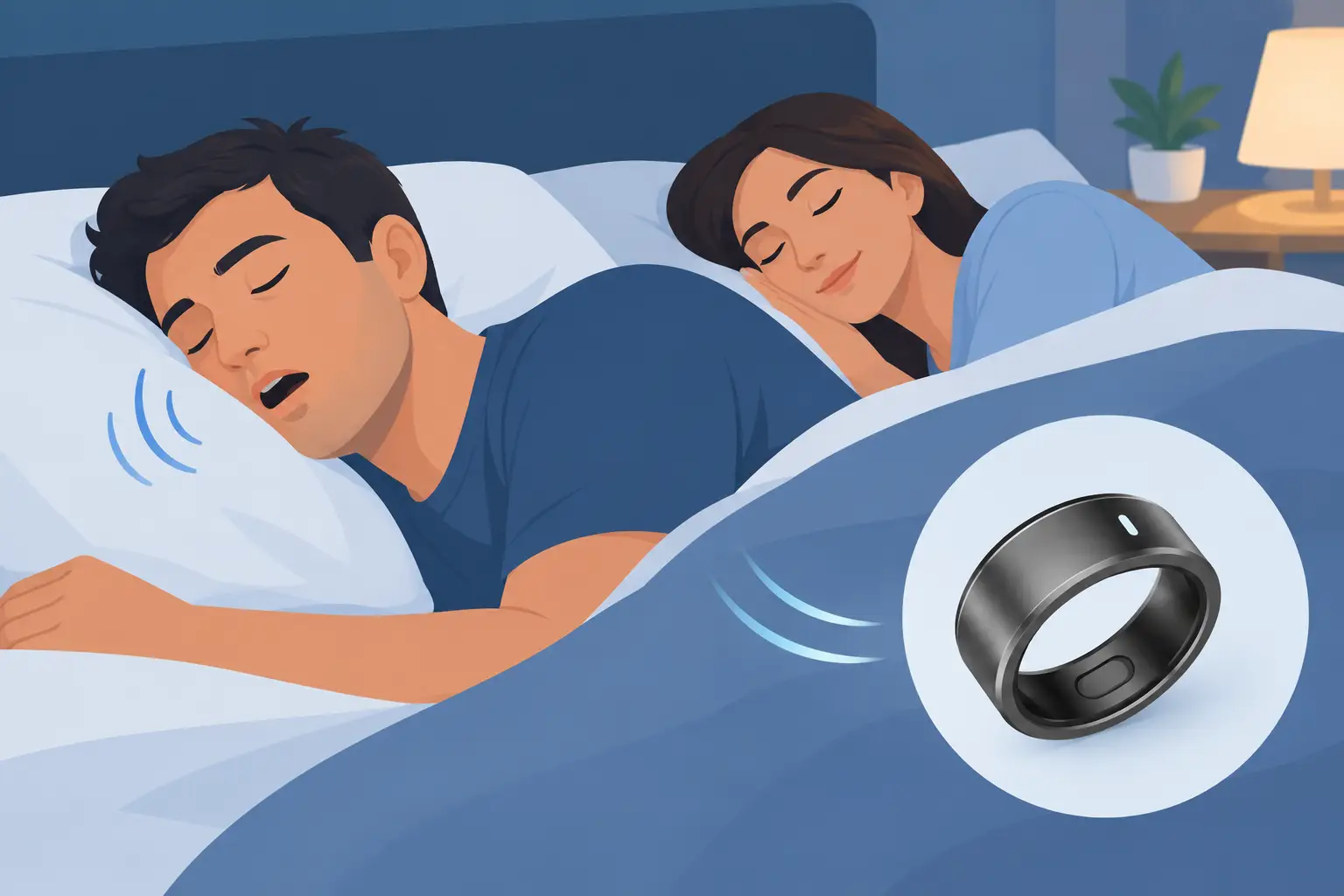
For people who want a drug-free, wearable alternative, the Good Night Anti-Snoring Ring is designed to apply acupressure to specific points on the little finger while you sleep. It is the original stop snoring ring and has been clinically trialed, but it is not presented as a cure for every type of snoring. That honesty matters: no anti-snoring product should replace medical advice where sleep apnoea is suspected.
Comfort matters because consistency matters. A solution only has a fair chance if you can wear or use it night after night. Give a simple snoring aid enough time to judge it fairly, while asking your partner for honest feedback. If it makes no difference, or symptoms point beyond simple snoring, move on to professional advice rather than endlessly buying different remedies.
A better next night starts with the right question
The useful question is not, “How do I silence every snore immediately?” It is, “What is my snoring telling me?” If it is uncomplicated, a comfortable, non-invasive routine may help bring quieter nights back within reach. If there are pauses, gasps or significant fatigue, getting assessed is the stronger choice. Either way, you and your partner deserve sleep that feels restful, not something to endure.