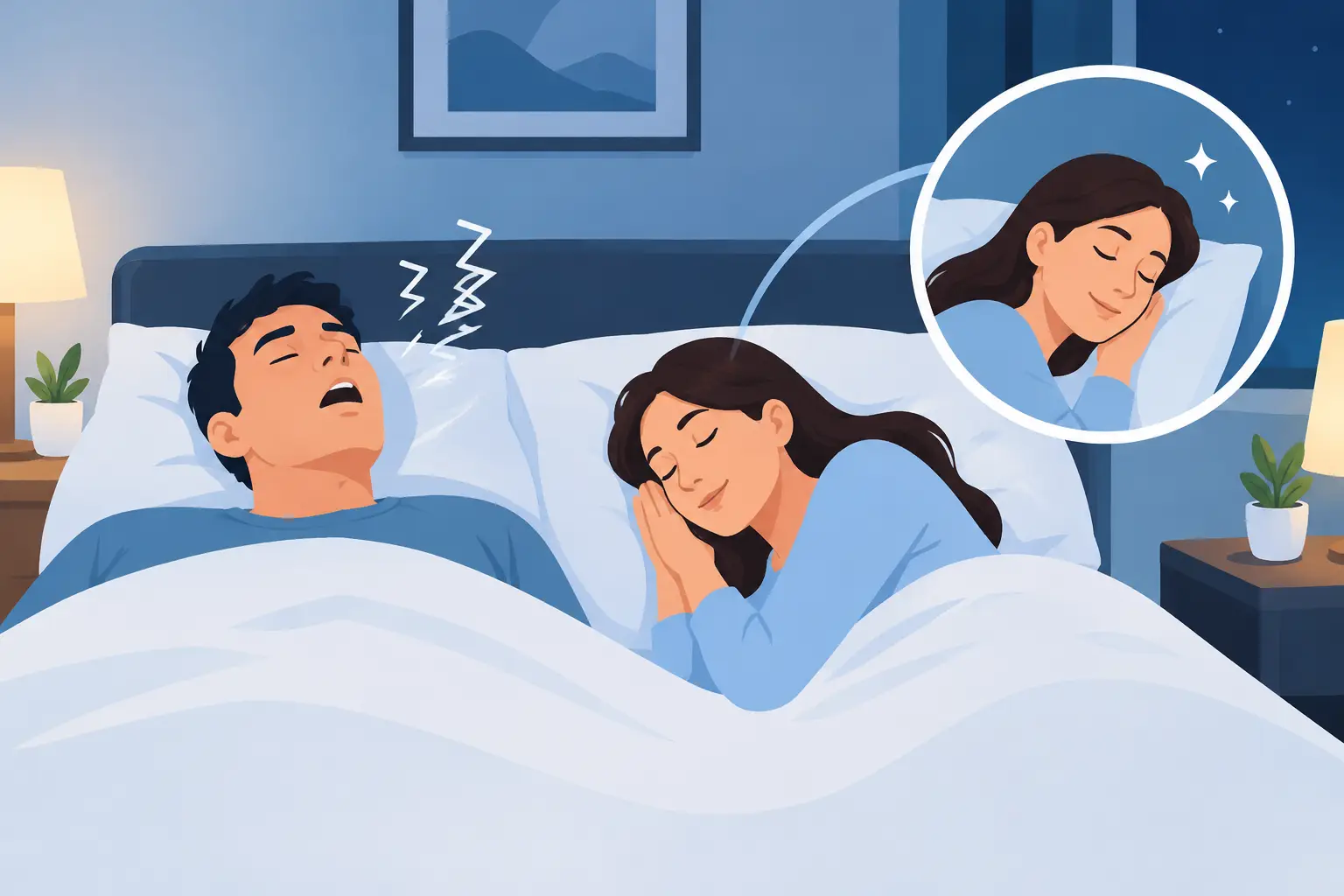
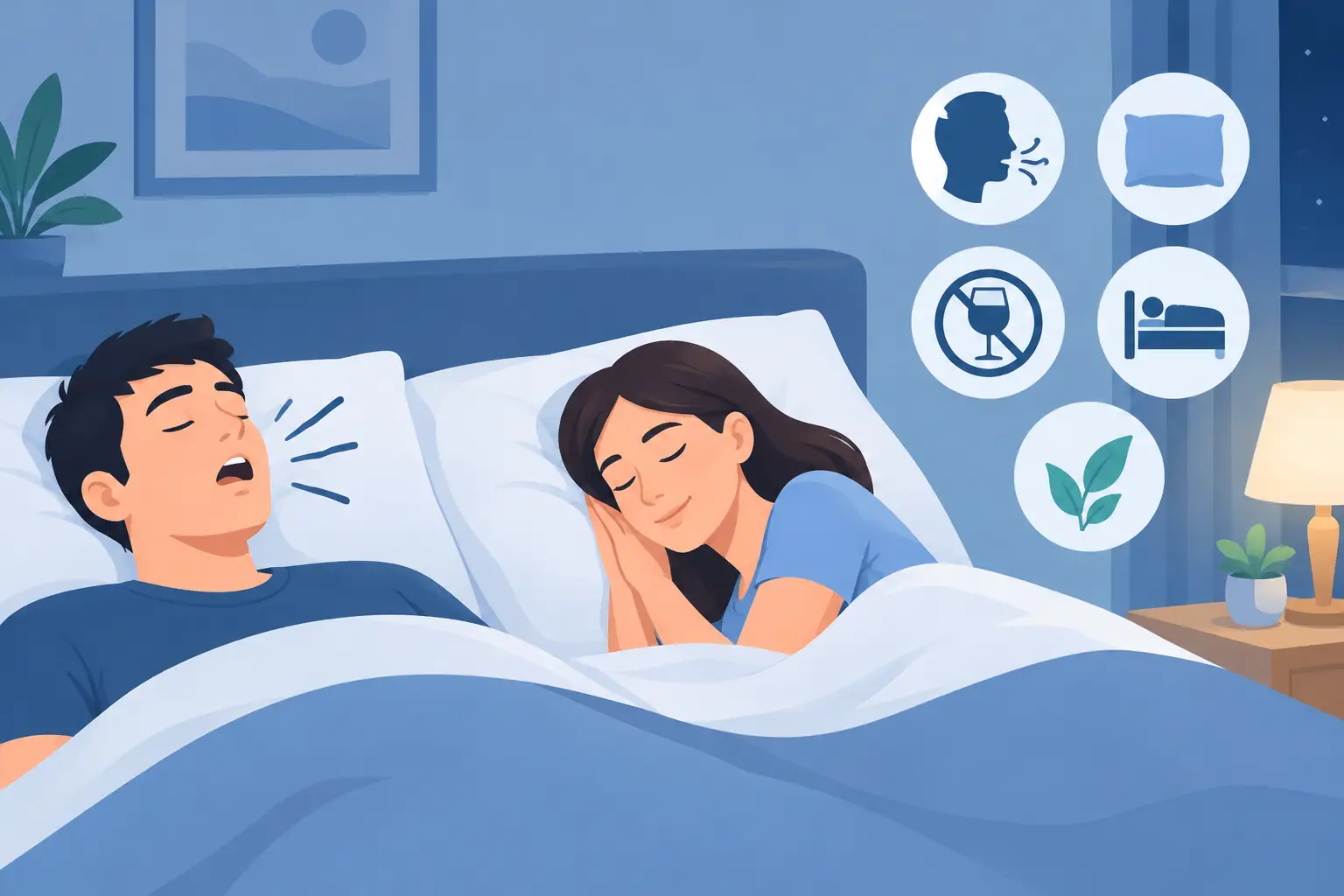
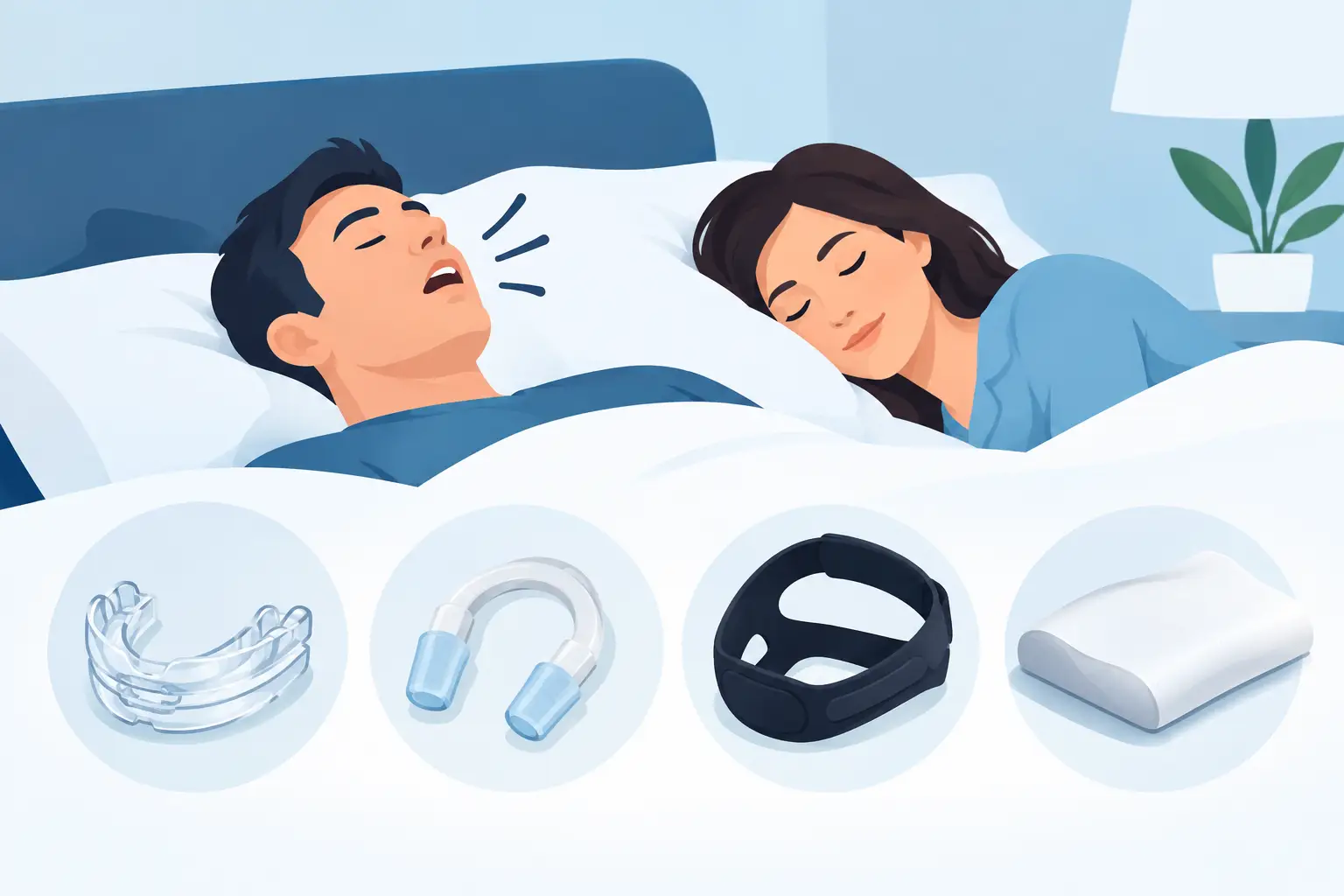
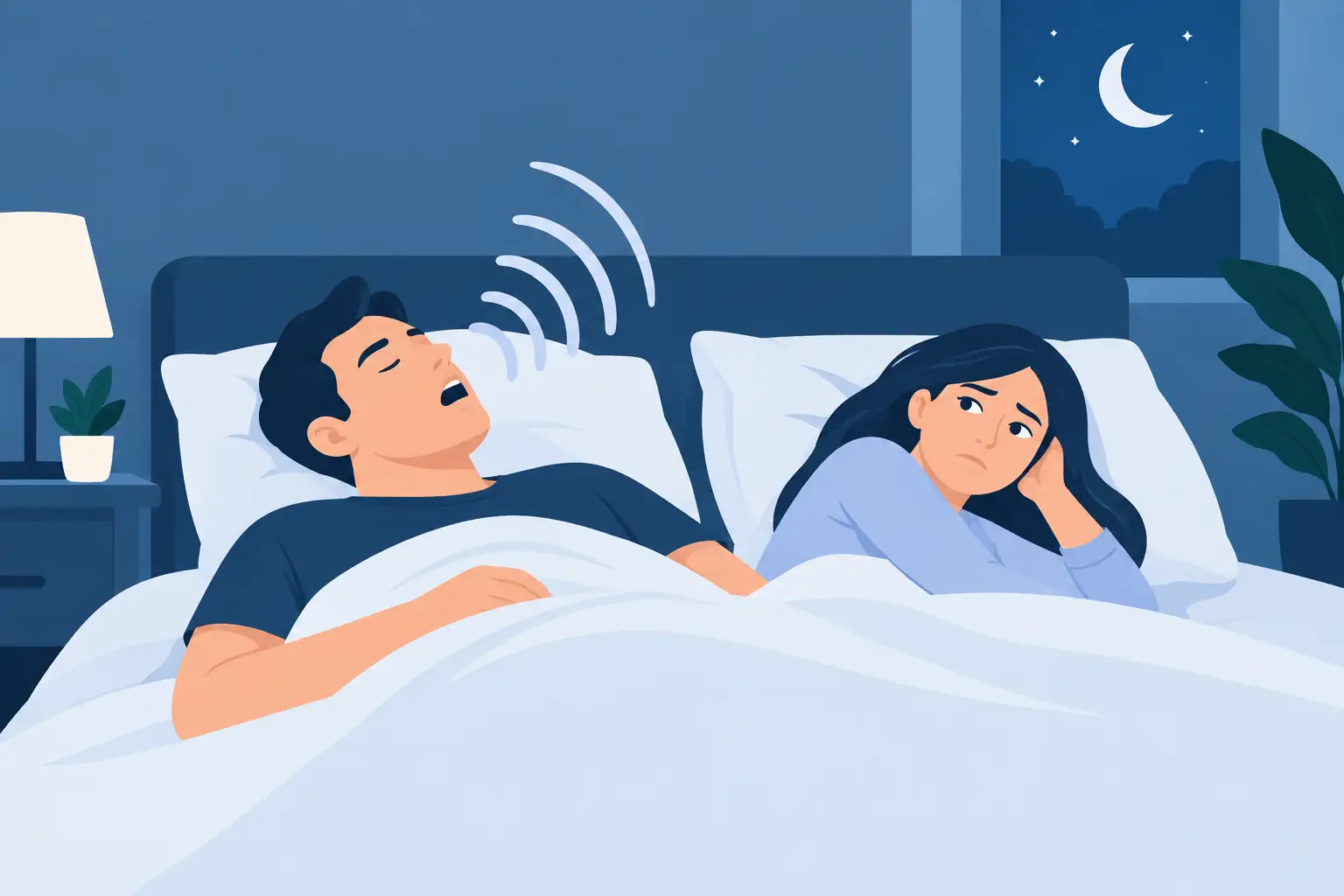
A noisy night rarely starts with just one cause. It is often the late glass of wine, a blocked nose, sleeping flat on your back, or an overheated bedroom combining at the wrong moment. Learning how to reduce snoring triggers gives you and your partner a practical place to start – without immediately resorting to medication, bulky mouthguards or uncomfortable equipment.
Simple snoring happens when airflow makes the relaxed tissues in the nose, mouth and throat vibrate during sleep. The aim is not perfection. It is to identify what makes those tissues more likely to narrow or relax, then make a few realistic changes you can actually keep up.
Start with the triggers closest to bedtime
The final few hours before sleep can make a surprising difference. Alcohol is one of the most common snoring triggers because it relaxes the muscles in the throat more than usual. For some people, even a couple of drinks with dinner can make the night noticeably louder. If you drink, try finishing earlier in the evening or keeping alcohol for occasions when the next morning is less demanding.
Sedating medicines can have a similar effect. This does not mean you should stop prescribed medication. It does mean it is worth discussing snoring with your GP or pharmacist if you use sleeping tablets, sedating antihistamines, strong pain relief or other medicines that make you drowsy. There may be a safer timing or alternative to consider.
A very large or late meal can also work against a quieter night. Reflux and indigestion may irritate the throat and disrupt breathing, particularly when you lie down soon afterwards. Give yourself two to three hours between a substantial evening meal and bed where possible. This is not about going to bed hungry. A light snack is usually easier on the body than a heavy takeaway just before turning in.
Reduce snoring triggers in the bedroom
Your sleep environment cannot fix every cause of snoring, but it can remove several avoidable irritants. A dry, stuffy room may leave nasal passages feeling more congested. A bedroom that is too warm can also make sleep more restless, which tends to make snoring more noticeable for both people in the bed.
Keep the room comfortably cool, air it regularly and wash bedding often if allergies are a problem. Dust, pet dander and pollen can all contribute to a blocked nose. If seasonal allergies are likely, showering before bed and keeping windows closed on high-pollen evenings may help reduce what you bring into the bedroom.
Nasal congestion matters because when the nose is blocked, you are more likely to breathe through your mouth. Mouth breathing can increase vibration at the back of the throat. A saline nasal rinse or spray may help some people, particularly during a cold or hay fever season. If congestion is frequent, persistent or mainly affects one side of the nose, seek professional advice rather than repeatedly masking the issue.
Make side sleeping easier, not miserable
Back sleeping is a major trigger for many snorers. When you lie on your back, gravity encourages the tongue and soft tissues to fall towards the airway. That can narrow the space available for air and make the familiar snoring sound much louder.
Side sleeping will not suit everyone, especially if you have shoulder pain, but it is a useful experiment. A supportive pillow between the knees can make the position more comfortable, while a pillow that keeps your head and neck in a neutral position may reduce strain. Avoid piling up soft pillows so high that your chin is pushed towards your chest, as that can restrict airflow rather than improve it.
If you naturally roll onto your back, focus on comfort first. The goal is not to spend the night battling your bedding. A consistent side-sleeping set-up often becomes easier after a week or two.
Look at the habits that affect your airway
Weight is a sensitive subject, but it can be relevant to snoring. Carrying extra weight around the neck and upper body may put more pressure on the airway during sleep. Even modest, sustainable weight loss can reduce snoring for some people. It is not an overnight answer, and it is not the only answer, but it is worth seeing as one part of a wider sleep-health plan.
Smoking and vaping can irritate and inflame the upper airway. That swelling may make snoring more likely, especially when combined with a cold, alcohol or allergies. Cutting down or stopping can benefit far more than your sleep, and support is available if going it alone has not worked before.
Regular movement can help too. The benefit is not about exhausting yourself before bed. Gentle daytime activity supports weight management, stress levels and sleep quality. A brisk walk, swimming session or cycle ride earlier in the day is often more helpful than a hard workout close to bedtime, which can leave some people too alert to settle.
Hydration is another small but worthwhile factor. When you are dehydrated, mucus in the nose and throat can become thicker and stickier. Drink regularly through the day, then ease off only if late-night trips to the loo are disturbing your sleep.
Choose a non-invasive nightly option
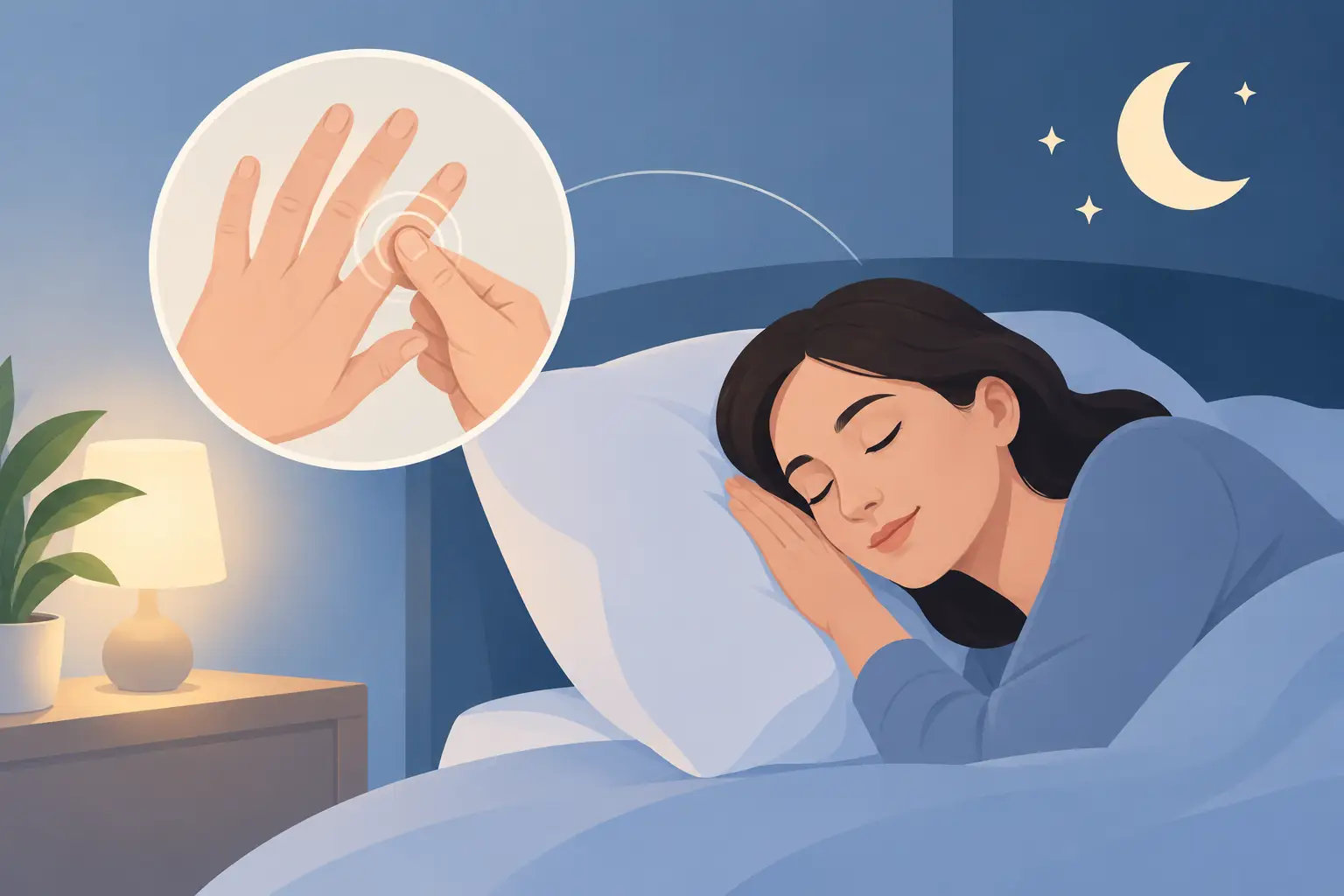
Lifestyle changes are valuable, but couples often need help now, not only after weeks of adjusting habits. That is where a simple, non-invasive option can fit into your routine. The Good Night Anti-Snoring Ring is the original stop snoring ring, designed to apply acupressure to specific points on the little finger while you sleep. It offers a discreet alternative for people who do not want medication, mouthpieces or cumbersome nighttime devices.
It will not work for everyone, because snoring does not have one universal cause. That honesty matters. But a clinically trialled approach with a 30-day money-back guarantee gives you a practical way to see whether it works for your own simple snoring, without committing to an intrusive solution.
The best approach is usually to change one or two triggers at a time while keeping the rest of your routine steady. For example, spend a week limiting alcohol close to bedtime, improving nasal comfort and prioritising side sleeping. This makes it easier to notice what is genuinely helping, rather than changing everything at once and guessing.
When snoring needs medical attention
Not all snoring is simple snoring. Loud, regular snoring accompanied by pauses in breathing, gasping, choking, morning headaches or severe daytime tiredness can be a sign of obstructive sleep apnoea. Your partner may notice these warning signs before you do.
Speak to your GP if those symptoms are present, if snoring has suddenly become much worse, or if tiredness is affecting your concentration, mood or driving. Do not assume that a snoring solution alone is the right response when breathing appears to stop during sleep. Proper assessment matters.
Children who snore frequently should also be assessed by a healthcare professional. Snoring in children has different potential causes and should not be treated as simply an adult problem in a smaller body.
A quieter night begins with one useful change
There is no prize for making your bedtime routine complicated. Start with the trigger that is most obvious in your household: late drinks, a blocked nose, back sleeping, a hot bedroom or an inconsistent routine. Give the change enough time to show whether it helps, and be kind to yourselves while you work it out.
A quieter bedroom is not a luxury for the person who snores or the person lying awake beside them. It is a route back to better rest, calmer mornings and the feeling that bedtime is something to look forward to again.