A quieter bedroom can feel like a small miracle when snoring has become part of every night. But realistic snoring results matter more than dramatic promises. The right solution should be comfortable enough to use consistently, simple enough to become routine, and honest about who it can help.
For many people, simple snoring is not a medical mystery. It is a noisy physical problem that can often be improved with the right approach. For others, particularly those with signs of disrupted breathing, it needs proper medical attention. Knowing the difference helps you choose wisely and protects both your sleep and your peace of mind.
What good snoring results actually look like
The best outcome is not always total silence from the first night. Some people do experience a dramatic reduction quickly. Others notice that the snoring is quieter, less frequent, or stops waking their partner several times a night. Those are meaningful improvements too.
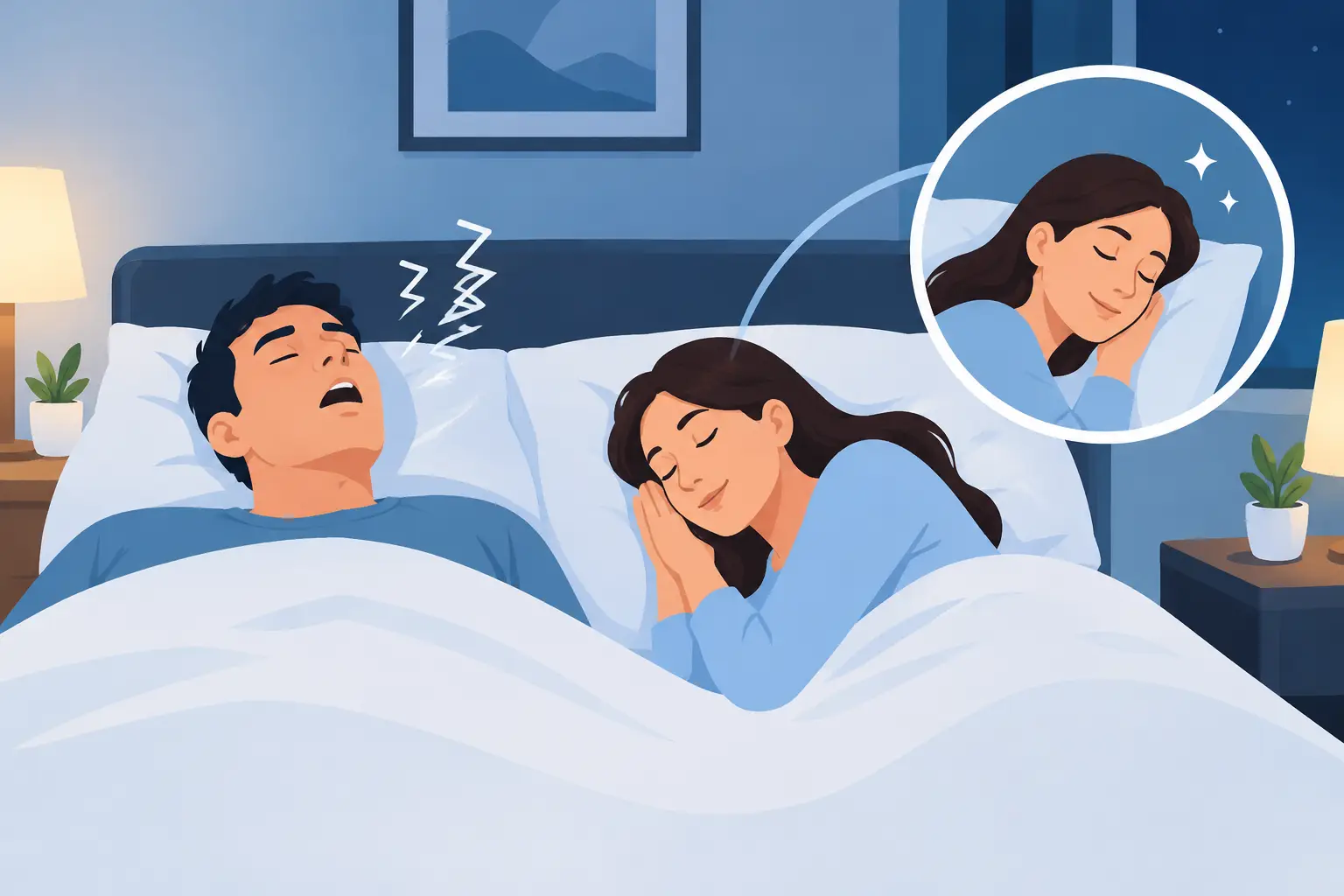
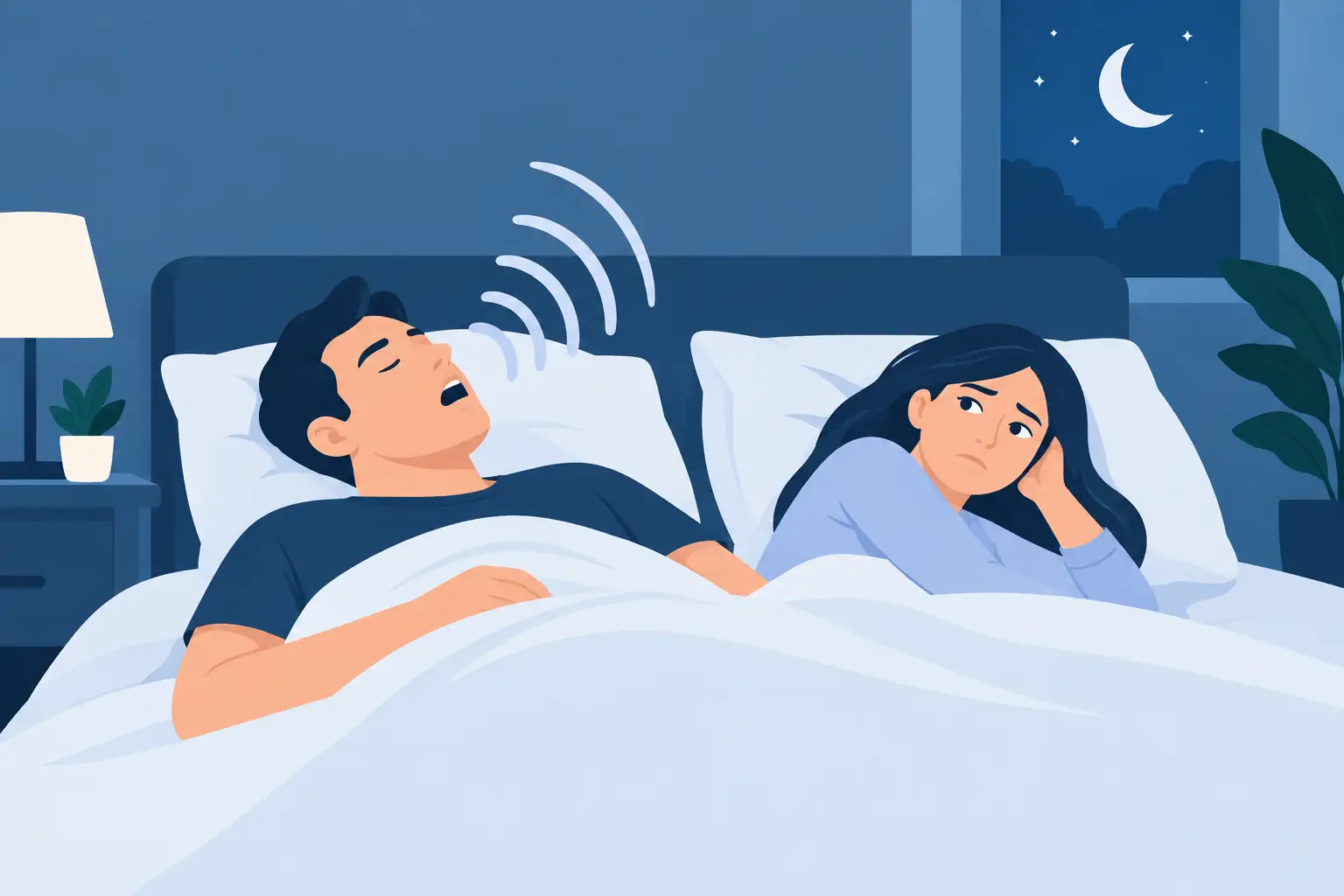
Good results tend to show up in everyday moments: your partner no longer moves to the spare room, you wake up feeling less embarrassed, or you both start the day less tired and irritable. Snoring affects more than the person making the noise. It can quietly put pressure on a relationship when one person is constantly losing sleep.
It is also worth judging results over several nights rather than one. Sleep position, alcohol, a cold, congestion, tiredness and room temperature can all change how much someone snores. A product that helps on most nights is far more useful than a complicated device you give up after a week.
Why snoring results vary from person to person
Snoring happens when airflow causes relaxed tissues in the throat, nose or mouth to vibrate during sleep. There is no single cause, which is why no responsible brand can promise that one solution will work for absolutely everyone.
Simple snoring is often made worse by sleeping on your back, drinking alcohol near bedtime, nasal congestion, smoking, excess fatigue or changes in weight. In these cases, a non-invasive aid may be a sensible first option, especially when you want to avoid a bulky mouthguard or medication.
The cause matters. A person who snores only after a few drinks at a weekend may need a different approach from someone who snores loudly every night regardless of position. Equally, a comfortable solution can be more effective in real life than an aggressive one, simply because it is worn consistently.
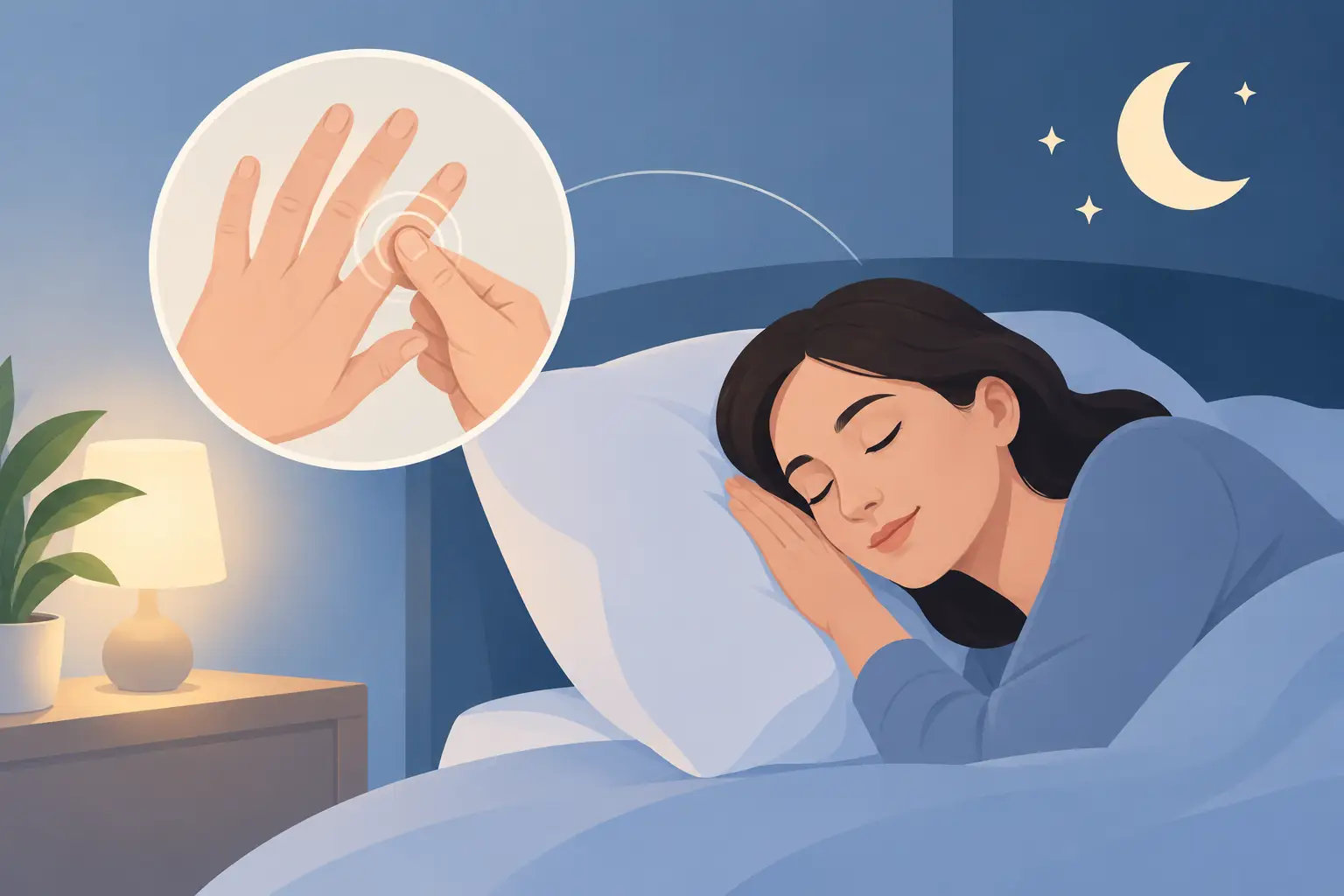
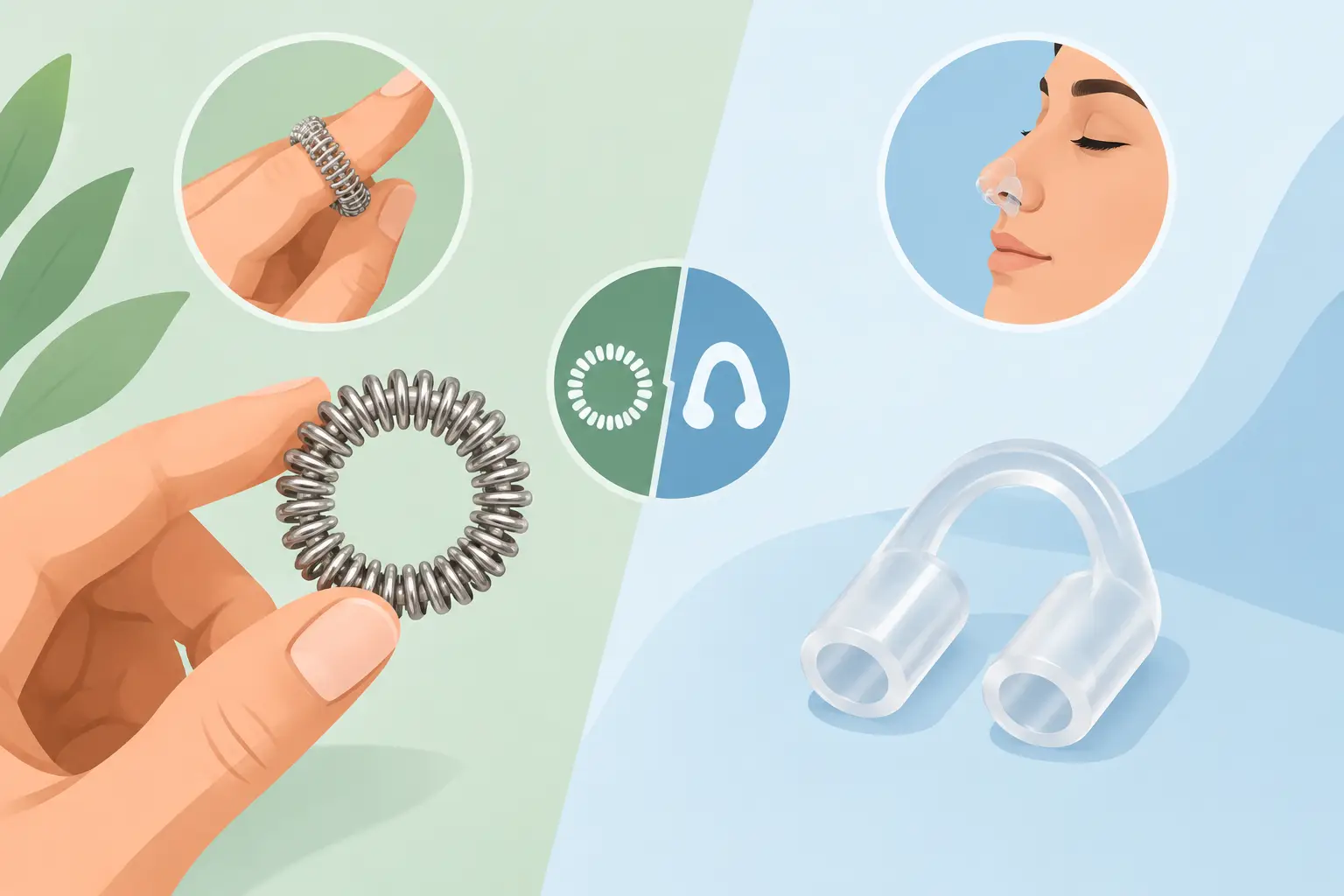
This is where the Good Night Anti-Snoring Ring offers a refreshingly straightforward alternative. The original stop snoring ring is designed to apply gentle acupressure to specific points on the little finger while you sleep. There is no mouthpiece, no medication and no machinery by the bed – just a discreet wearable intended to fit naturally into your bedtime routine.
What to expect in the first few weeks
Start by giving any anti-snoring solution a fair trial. Wear the ring as directed each night and pay attention to fit. It should feel secure and comfortable, not painfully tight. A poor fit can affect both comfort and your willingness to keep wearing it.
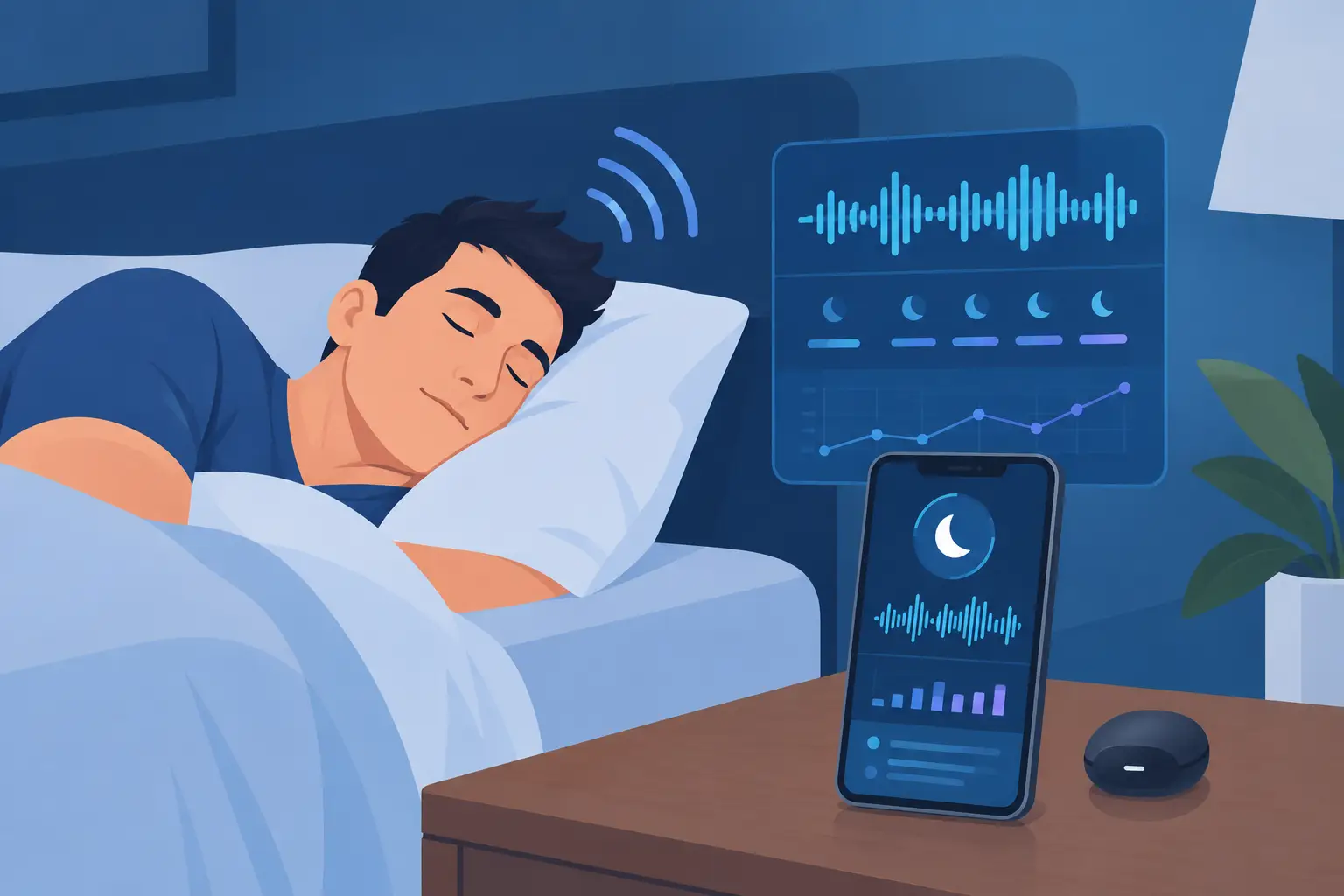
Your partner may be the first person to notice a change. Ask them whether the snoring starts later, sounds quieter, happens less often or has stopped altogether. If you sleep alone, a sleep-recording app can offer a general comparison from night to night, though it should not be treated as a medical diagnosis.
Keep the wider bedtime routine realistic. Avoiding alcohol close to sleep, dealing with temporary congestion and trying side sleeping can support better results. You do not need to turn bedtime into a complicated project. The point is to remove the obvious factors that can make any snoring worse.
A short period of adjustment is normal. If you have spent years sleeping one way, even a small change in your routine can feel unfamiliar at first. The advantage of a ring is that it does not force your jaw into a new position or make it difficult to speak, drink water or fall asleep comfortably.
A clinically trialled option without the nightly hassle
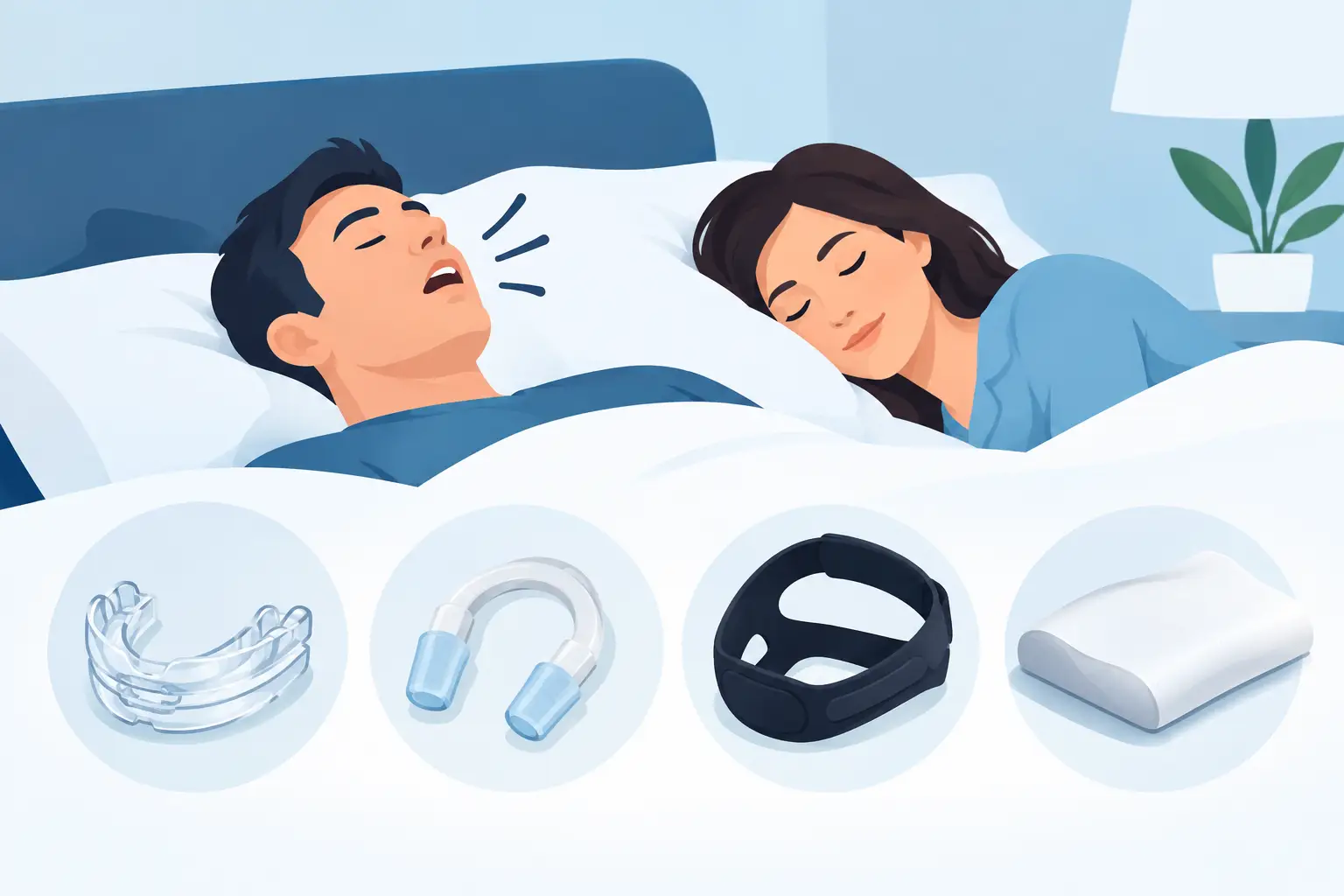
There are plenty of products that claim to stop snoring, from adhesive strips and sprays to jaw devices and electronic gadgets. The trade-off is often comfort. A mouthpiece may be useful for some people, but many find it intrusive. Sprays may feel convenient, but their effect can be short-lived. Lifestyle changes help, but they do not always solve the problem on their own.
A clinically trialled acupressure ring is different because it aims to make support easy to maintain. Its value lies in its simplicity. Put it on, sleep, and assess the difference over time.
That does not mean it is a cure for every kind of snoring. It means it is a practical, low-effort option for adults with simple snoring who want to try a natural, non-invasive approach before committing to more uncomfortable measures. The full refund guarantee also matters here. A genuine trial should not leave you stuck with a product that is not right for you.
When snoring needs medical advice instead
Snoring can sometimes be linked to obstructive sleep apnoea, a condition where breathing repeatedly stops and starts during sleep. An anti-snoring ring is not a substitute for diagnosis or treatment of sleep apnoea.
Speak to a GP if you or your partner notices choking, gasping or pauses in breathing during sleep. Other warning signs include severe daytime sleepiness, waking with headaches, difficulty concentrating, high blood pressure, or snoring that remains very loud and persistent despite trying sensible changes.
This is not about creating alarm. It is about not dismissing symptoms that deserve attention. Many people with ordinary snoring can explore a comfortable wearable solution with confidence. Those with possible sleep apnoea should seek proper assessment first, or alongside any changes they make at home.
How to judge whether a solution is worth keeping
Do not judge an anti-snoring aid only by its marketing. Judge it by what happens in your bedroom. Is it comfortable enough to wear every night? Is it easy to use correctly? Does your partner report fewer disturbances? Do you feel more rested because the tension around bedtime has eased?
Be wary of cheap copycat rings that look similar but provide little clarity about their design, testing or guarantees. When a product is worn for hours while you sleep, legitimacy and quality are not minor details. A clear trial period, credible product information and an honest acknowledgement that results vary are signs that a brand takes customers seriously.
The most useful solution is rarely the one with the biggest promise. It is the one that fits your life, feels comfortable at night and gives you a fair chance of quieter sleep. If snoring has been stealing rest from you or your partner, a simple, clinically trialled option may be the calm first step you have both been looking for.