Blog
Single Post
How to Wear an Acupressure Ring at Night
A snoring ring only has a chance to help when it is worn in the right place, for the full time you are asleep. That is why learning how to wear an acupressure ring properly matters more than simply slipping it on before bed. A correct fit keeps the pressure points in contact with your little finger without pinching, slipping or becoming a distraction when you should be winding down.
For people who have tried mouthpieces, nasal strips, sprays and sleeping on their side, an acupressure ring can feel refreshingly simple. There is no medication, no bulky equipment and no complicated bedtime set-up. Still, a few small details can make a meaningful difference to comfort and consistency.
How to wear an acupressure ring correctly
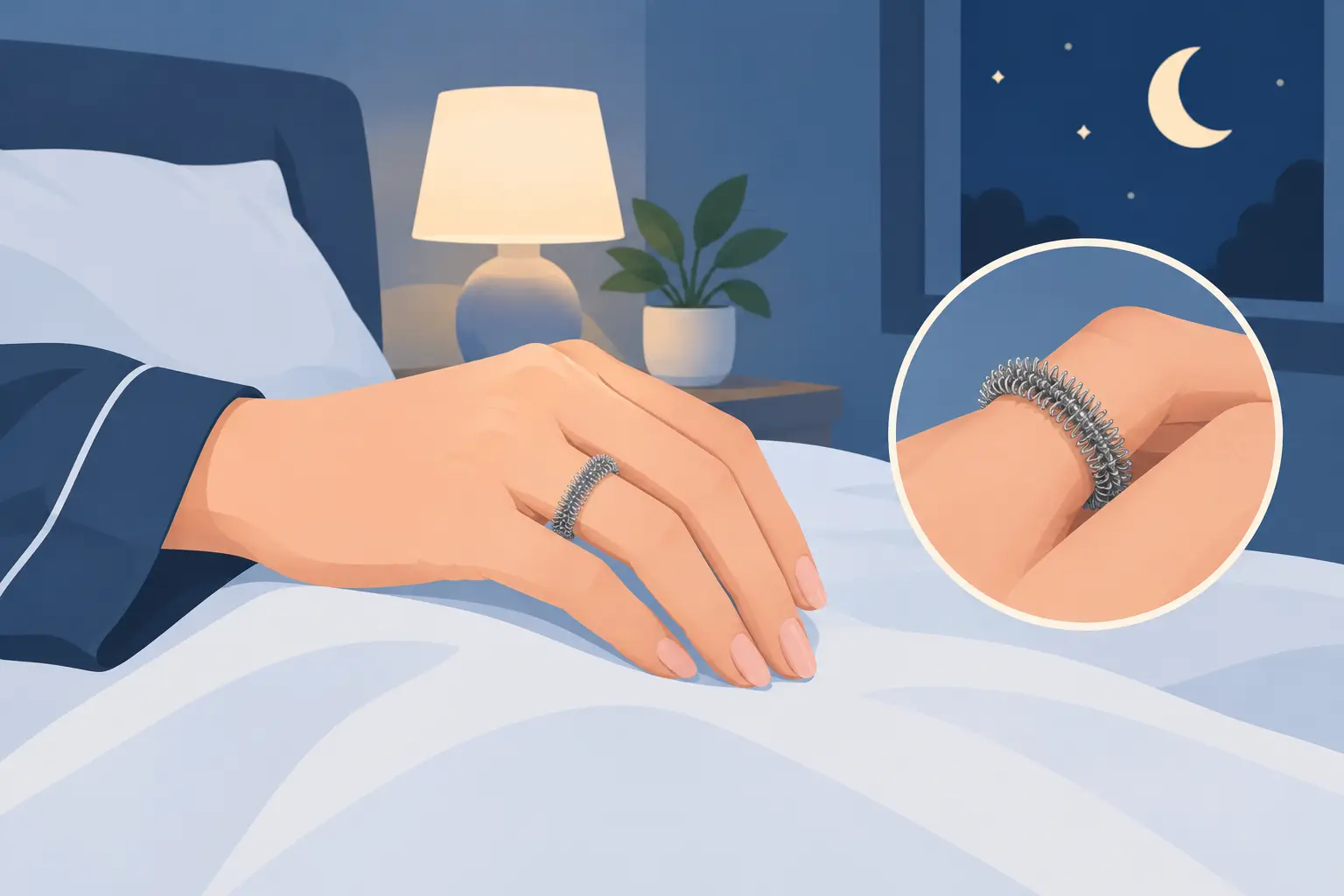
An anti-snoring acupressure ring is designed to be worn on your little finger at night. Its raised pressure points need to sit against the skin as intended by the ring’s design, rather than facing away from the finger or floating over a gap. Check the fitting guidance supplied with your particular ring first, as the placement and adjustment method can vary slightly between products.
Start by choosing the little finger that gives you the most secure, comfortable fit. Put the ring on shortly before you go to bed, when your hands are warm and relaxed. Slide it down gently until it sits firmly but comfortably, without forcing it over the knuckle. The pressure points should make clear contact with your finger, but the ring should never hurt.
A useful test is to wear it for five to ten minutes before settling down. Your finger should feel normal in colour and temperature, and you should be able to make a loose fist. You may be aware of the ring at first, particularly if you do not usually sleep in jewellery, but it should not cause sharp pain, numbness, tingling or throbbing.
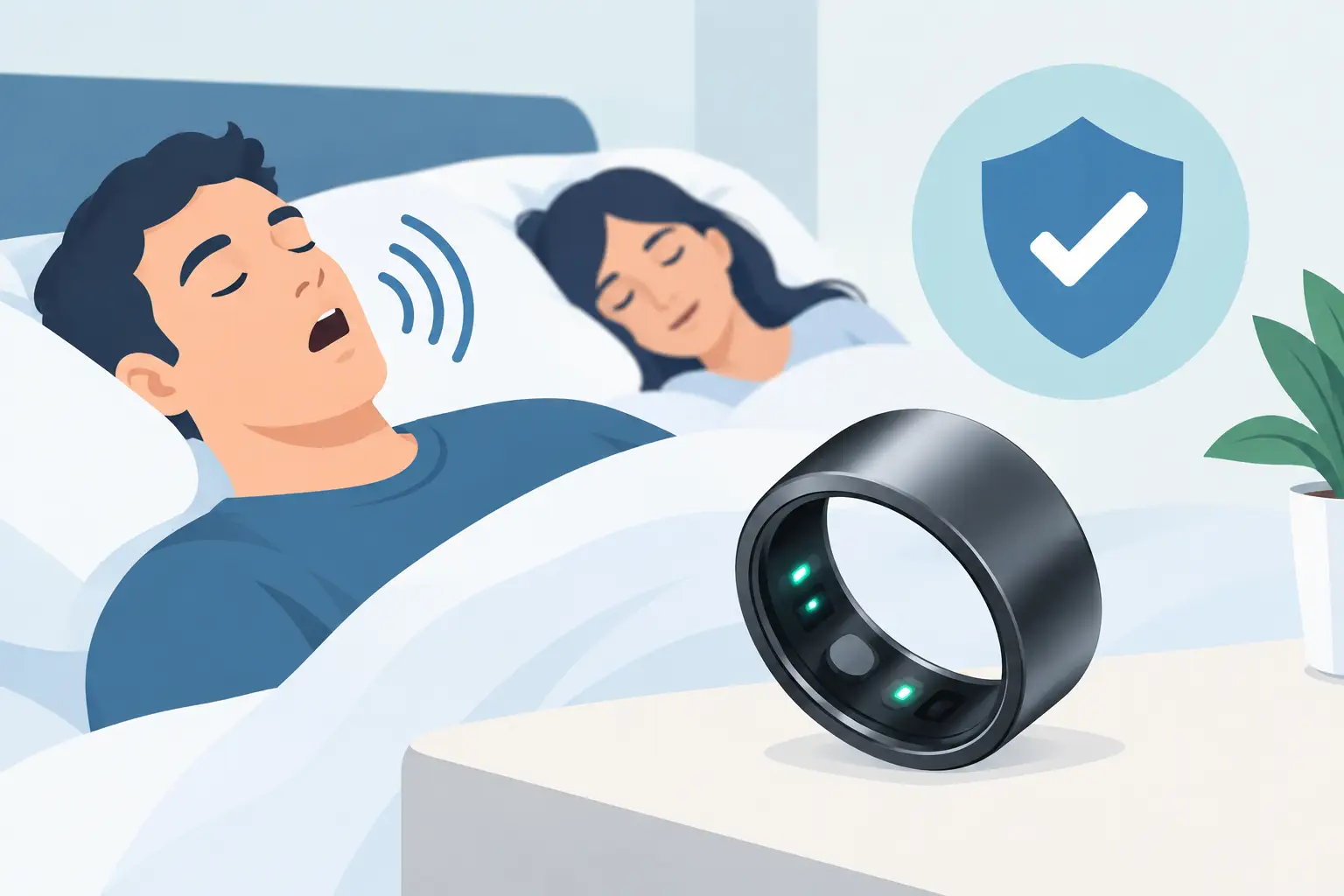
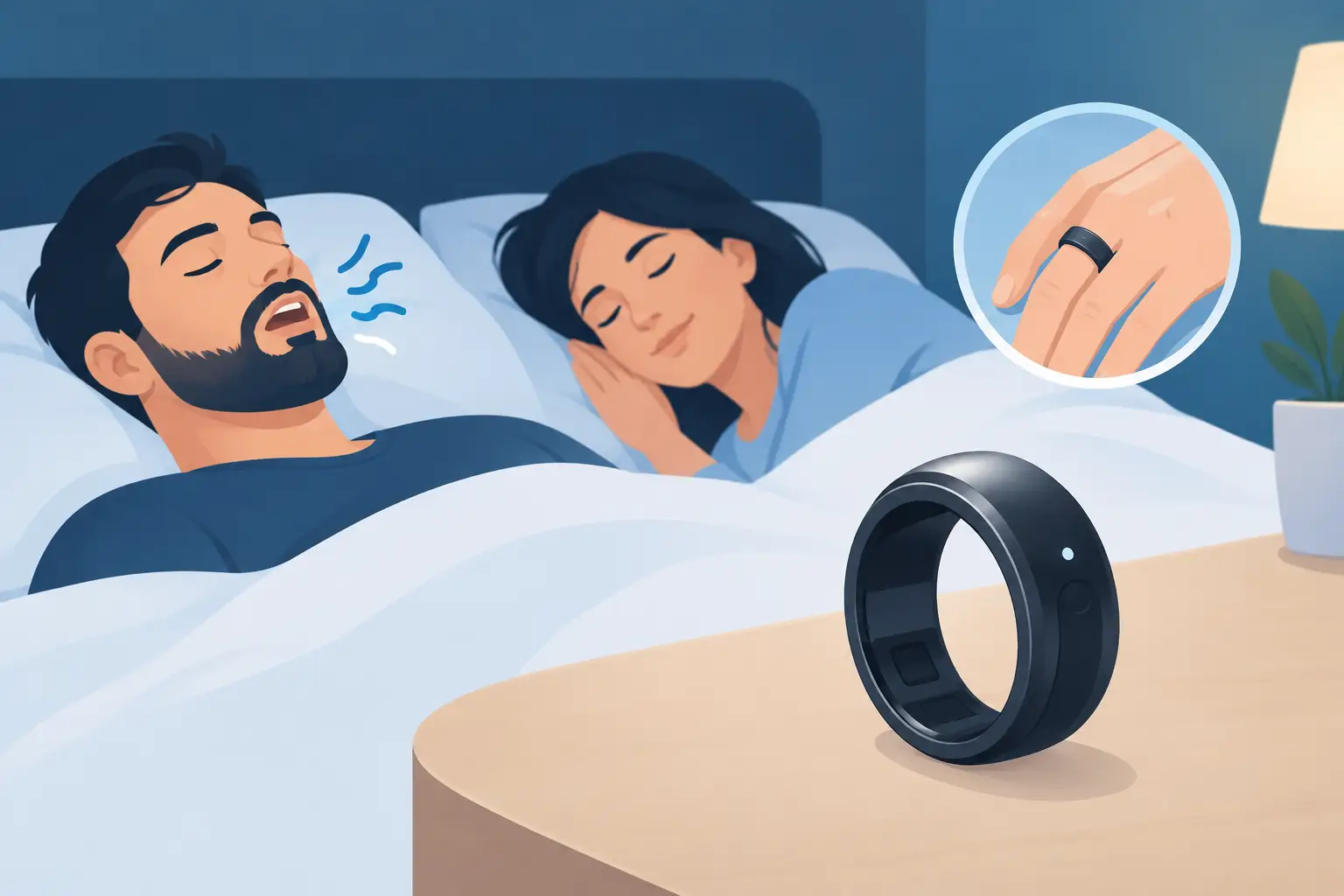
The Good Night Anti-Snoring Ring is designed as a discreet nightly wearable, applying acupressure to specific points on the little finger while you sleep. The aim is straightforward: give simple snoring sufferers a non-invasive alternative to intrusive devices.
Find a fit that stays put without feeling tight
The right fit is secure, not restrictive. A ring that is too loose can rotate, move away from its intended position or come off in the night. A ring that is too tight can leave deep marks, disturb your sleep and make you less likely to wear it consistently.
Finger size naturally changes through the day. Heat, salty food, alcohol, exercise and warm bedding can all make fingers swell slightly. If your ring felt fine when you tried it on in the afternoon but feels tight at bedtime, do not ignore that change. Remove it and reassess the fit rather than trying to push through discomfort.
Equally, a ring that fits well in a warm room may feel looser on a cold evening. If it rotates freely or slides over the knuckle with no resistance, it is unlikely to remain in the ideal position throughout the night. Getting the correct size is worth taking seriously. It is not a cosmetic ring, so a snug and stable fit matters more than how it looks on the hand.
Avoid wearing another ring directly beside it if the two rub together or push the acupressure ring out of place. If you use hand cream, let it absorb fully before putting the ring on. Lotion can make the ring slide and may leave residue around the pressure points.
Which little finger should you use?
Use the finger specified in your product instructions. Some acupressure rings are made for one particular side, while others can be worn on either little finger when positioned correctly. Do not assume that changing fingers is harmless if the design gives a clear recommendation. The pressure points are the whole purpose of the ring, so placement is not a detail to guess at.
If your ring can be worn on either hand, choose the side where it stays comfortable and secure. Your dominant hand may be more prone to movement if you read, scroll or do chores just before sleep, but once you are asleep this is less relevant than proper contact and comfort.
Make it part of your bedtime routine
Put the ring on at roughly the same point each evening. A simple routine makes it far easier to judge whether it is helping. Wear it after brushing your teeth or when you set your alarm, rather than leaving it on the bedside table and remembering it only after the lights are out.
Give yourself time to adjust. Some people notice a change quickly, while others need a period of regular nightly use before they and their partner can assess whether their simple snoring has reduced. One unusually noisy night after a few drinks, a cold or a late meal is not a fair test. Nor is one quiet night proof that every cause of snoring has been solved.
Keep a brief note for a couple of weeks. You do not need to turn bedtime into a science project. Simply record whether the ring was worn, whether you had alcohol, whether you were congested and what your partner noticed. This gives you a more honest picture than relying on a single tired morning.
It also helps to tackle obvious triggers alongside wearing the ring. Sleeping on your side, keeping the bedroom comfortably cool, avoiding excess alcohol close to bedtime and dealing with temporary congestion may all support quieter sleep. An acupressure ring is a practical tool, not permission to ignore every other factor affecting your nights.
What to do if the ring feels uncomfortable
Do not keep wearing an acupressure ring that causes pain, skin irritation, numbness or a change in finger colour. Remove it straight away. Check that it is not bent, damaged or being worn too tightly, and make sure the pressure points are positioned as directed.
A faint temporary impression on the skin can happen with a well-fitted ring, much like a mark from socks or a watch strap. Persistent soreness is different. The ring should not make you dread bedtime or wake you because your finger feels uncomfortable.
If the fit seems wrong, do not try to reshape a ring aggressively or force it smaller or larger. Doing so can damage the pressure-point alignment and may create sharp edges. Follow the supplier’s sizing or care guidance instead.
Remove the ring before any activity where it could catch, and keep it clean. A quick wipe with a soft, dry cloth is usually enough for routine care. If it becomes dirty, clean it according to its material and care instructions, then dry it thoroughly before wearing it again.
An acupressure ring is for simple snoring, not every snoring problem
Snoring has several possible causes. Nasal congestion, sleep position, alcohol, weight changes and relaxed throat tissues can all contribute. An acupressure ring may be a comfortable option for people with simple snoring, but no anti-snoring product is right for every person or every type of snoring.
Speak to a GP or qualified clinician before relying on a snoring aid if you have loud snoring with pauses in breathing, choking or gasping during sleep, severe daytime sleepiness, morning headaches or high blood pressure. These can be signs of obstructive sleep apnoea, which needs proper assessment. Your partner may spot breathing pauses before you do, so take their observations seriously.
Pregnancy, circulation concerns, nerve problems in the hands, skin conditions around the finger or a recent finger injury are also sensible reasons to ask a clinician before wearing a pressure-based ring overnight. A simple solution should still feel safe and comfortable.
Can you wear it every night?
Yes, if it fits correctly, feels comfortable and the product instructions say it is suitable for nightly use. Regular use is usually the fairest way to assess whether it makes a difference. Remove it if your finger becomes sore or irritated, and do not wear it through discomfort.
Can you wear it during the day?
The ring is intended for use while sleeping, so daytime wear is generally unnecessary. Wearing it only at night also helps you maintain a clear routine and reduces the chance of unnecessary pressure on the finger during normal daily activities.
Better sleep is rarely about finding the most complicated answer. Wear your acupressure ring correctly, give it a consistent trial and listen to both your own comfort and your partner’s experience. If it helps make the bedroom quieter, that small nightly habit can make a very real difference to both of you.