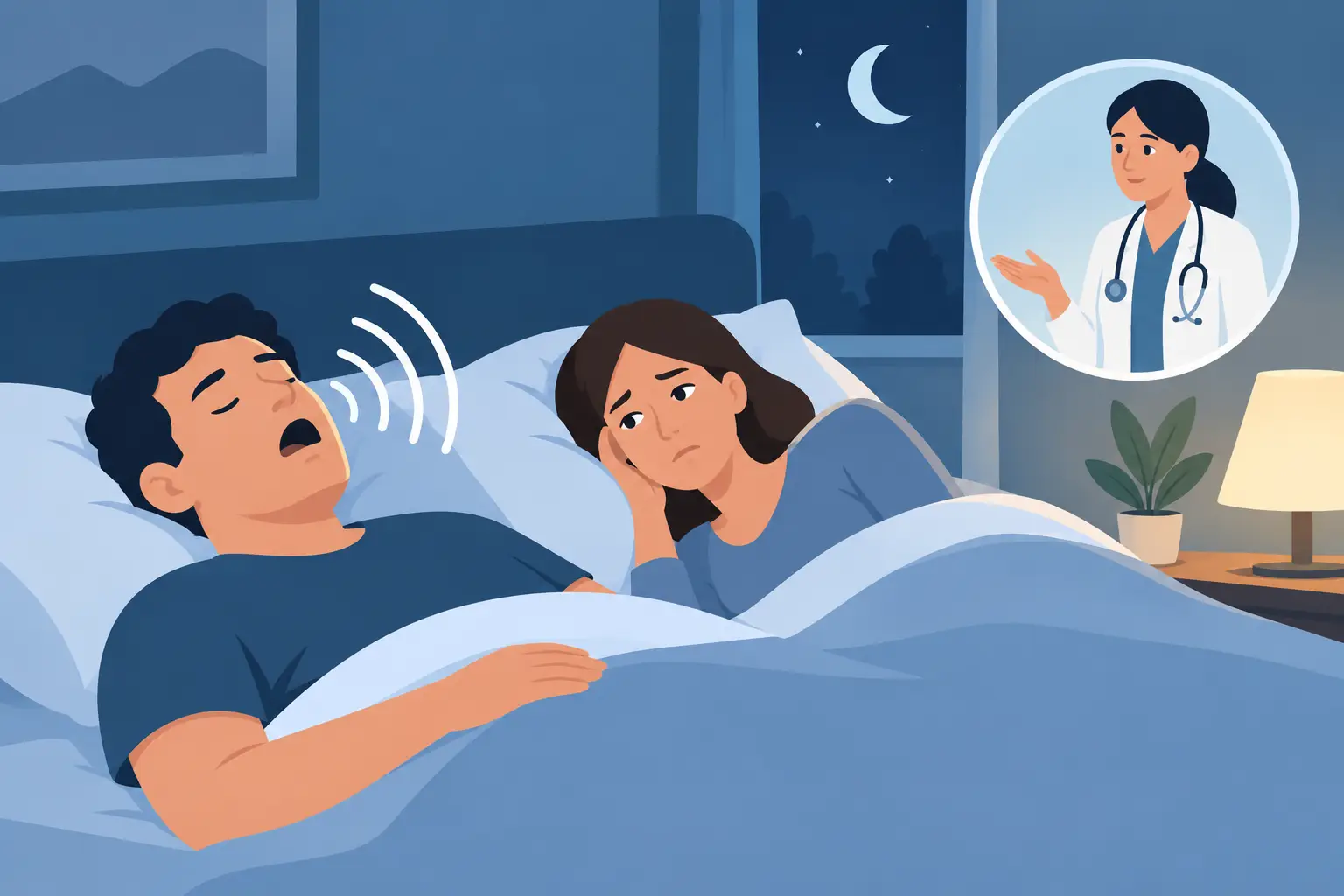
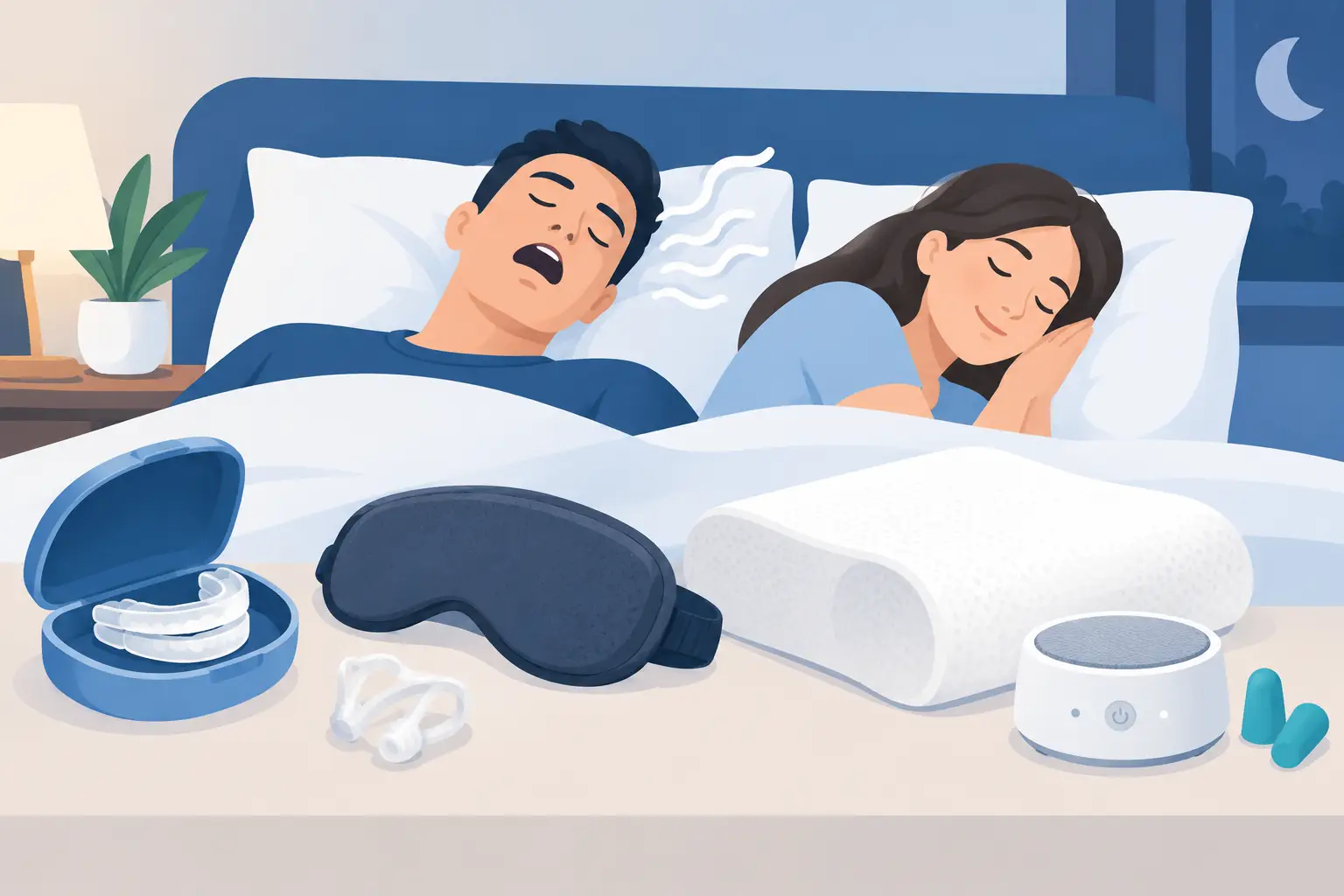
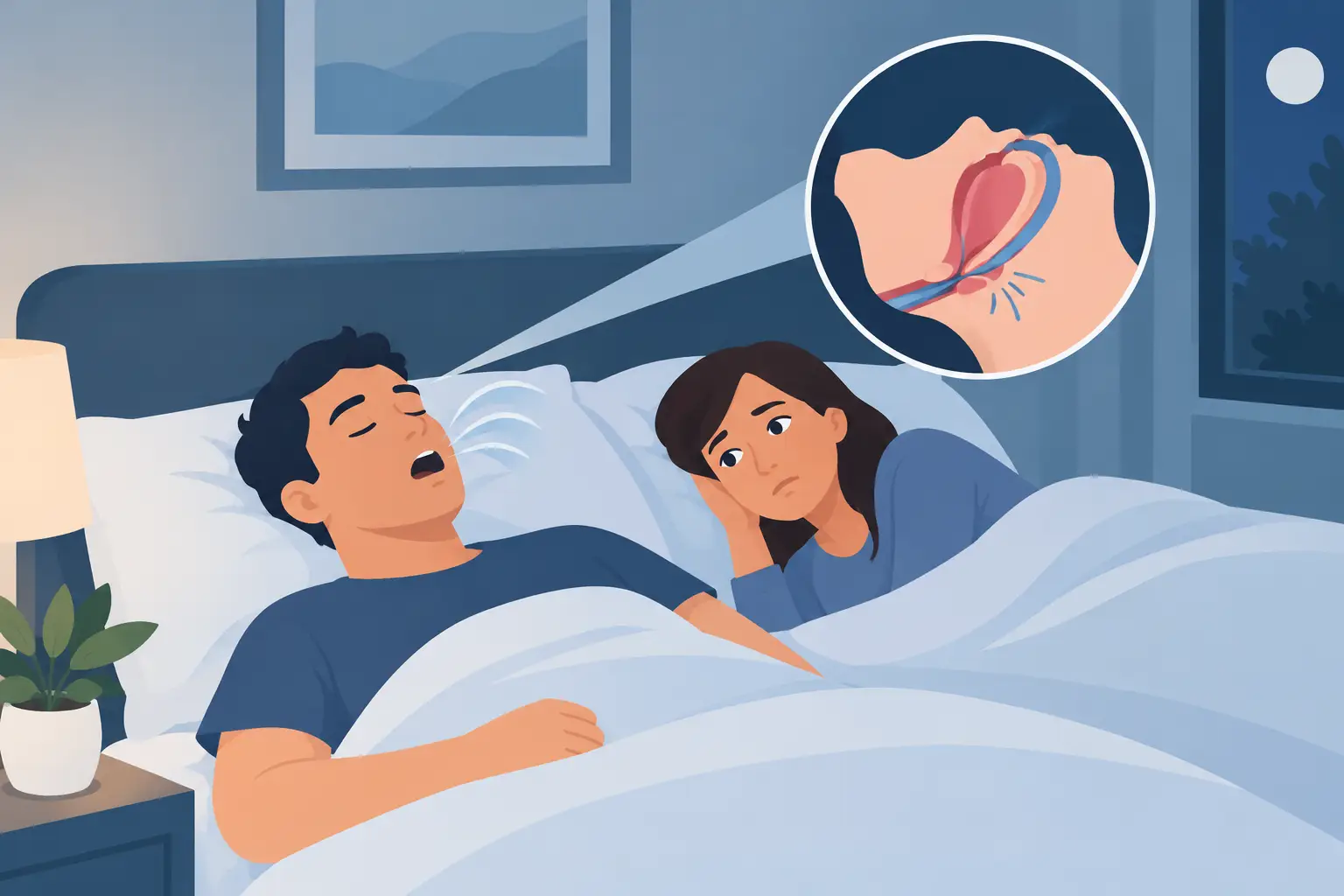
Your partner has nudged you awake again. You are tired of feeling self-conscious, and the thought of strapping something bulky around your head or placing a device in your mouth is hardly appealing. In the finger ring versus chin strap decision, the right choice comes down to one question: what is most likely to suit the way you snore, while still being comfortable enough to use every night?
Both options are non-drug approaches, but they work in very different ways. A chin strap aims to keep the jaw closed. An anti-snoring ring applies acupressure to points on the little finger. Neither is a universal cure, and neither should replace medical advice where there may be a more serious sleep-breathing issue. But for simple snoring, one may feel far more practical than the other.
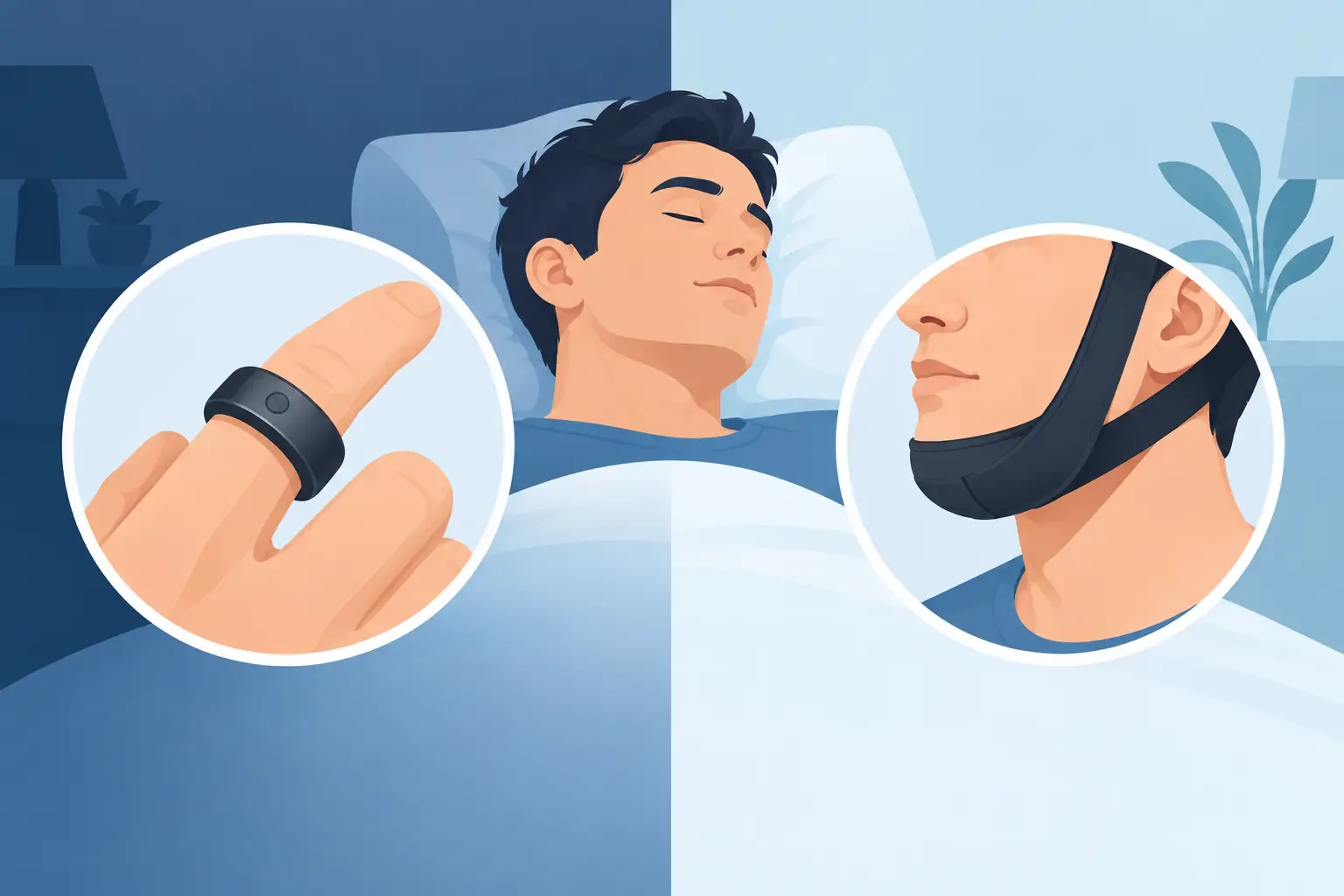
Finger ring versus chin strap: the key difference
A chin strap is usually a stretchy fabric band worn around the chin and over the top or back of the head. Its purpose is straightforward: it helps prevent the mouth falling open during sleep. For some people who snore mainly because they breathe through an open mouth, supporting the jaw can reduce the noise.
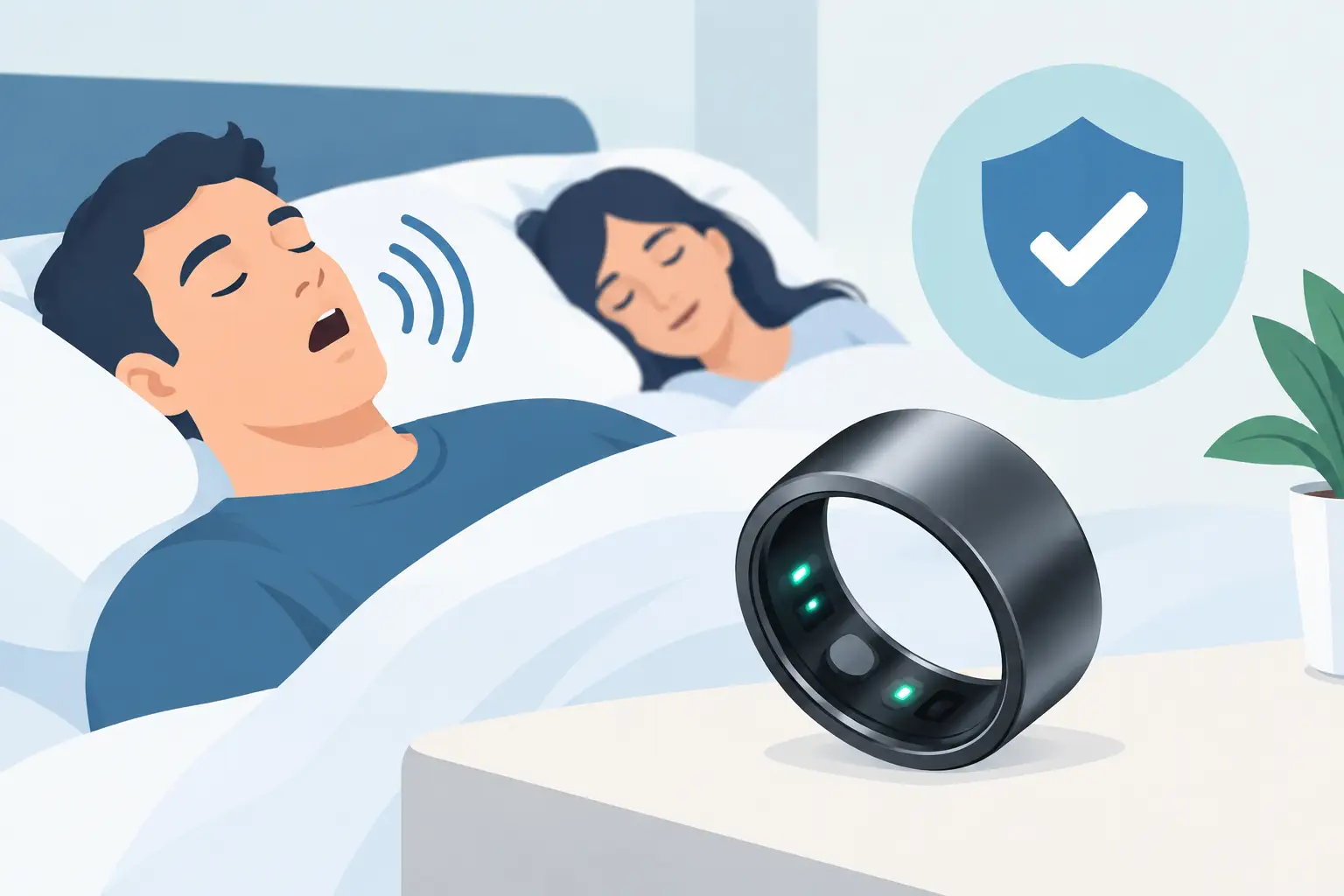
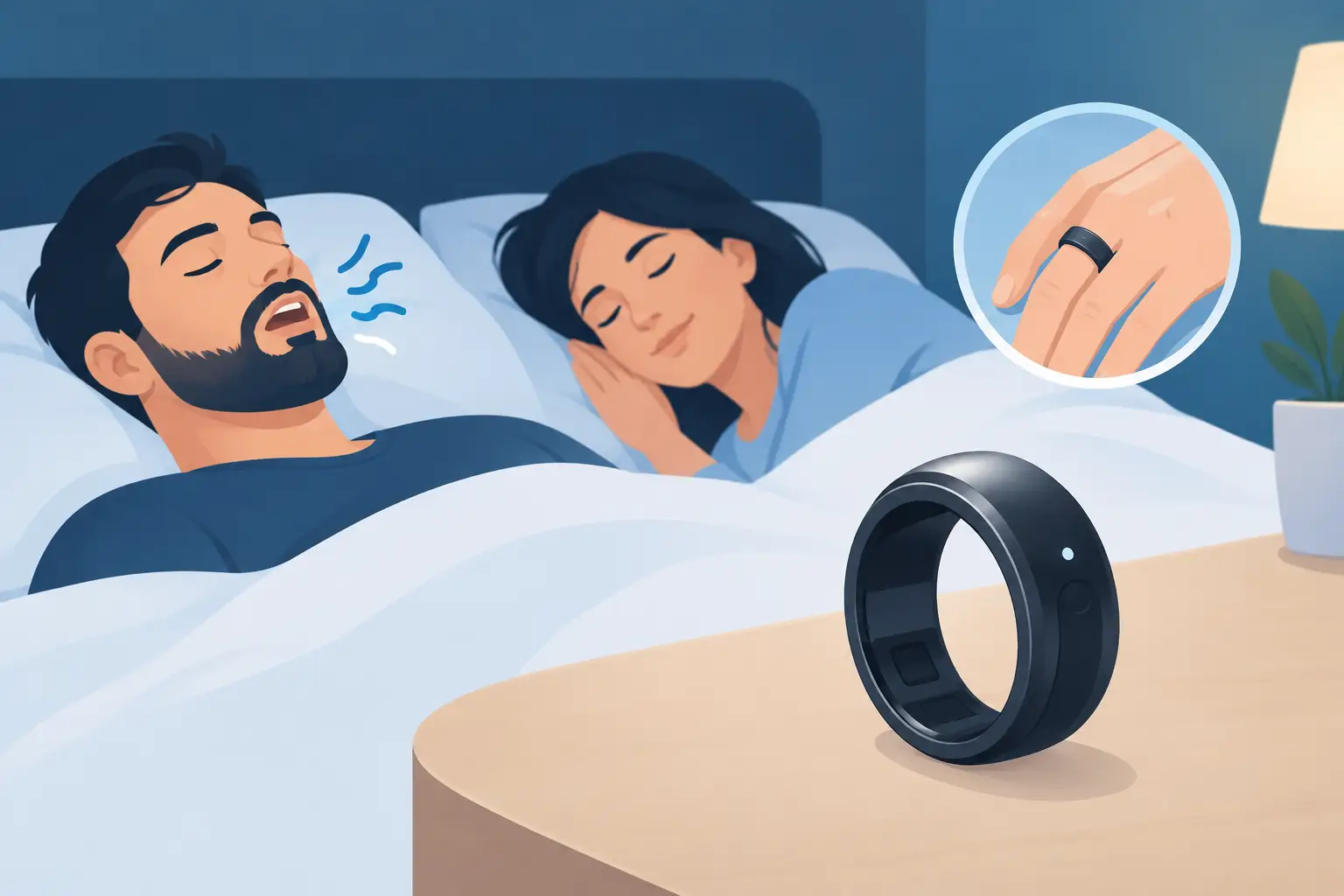
A finger ring takes a different route. The Good Night Anti-Snoring Ring is worn on the little finger, where it applies gentle, consistent pressure to specific acupressure points while you sleep. It is designed as an elegant, non-invasive option for people seeking relief from simple snoring without a mouthpiece, medication or headgear.
That difference matters. A chin strap attempts to change jaw position. A ring is small enough to become part of a normal bedtime routine, without covering the face, pressing on the hair or changing how you sleep on the pillow.
Comfort is not a minor detail
The most effective anti-snoring aid is often the one you can realistically keep using. If a device feels restrictive, hot or awkward when you turn over, it may soon end up in the bedside drawer.
Chin straps can be comfortable for some sleepers, particularly those who already know that open-mouth breathing is their main issue. However, fit is crucial. A strap that is too loose may slip during the night; one that is too tight can leave pressure marks, create jaw discomfort or feel claustrophobic. People with facial hair, sensitive skin or a tendency to feel warm at night may find the experience less appealing.
A properly fitted finger ring is much less noticeable. There is no fabric around the head and no adjustment required once the correct size is chosen. It is discreet for travelling, takes seconds to put on and does not interfere with side sleeping. For couples, that simplicity can be the difference between trying a solution for two nights and giving it a fair chance.
Comfort alone does not prove that a product will work for you. It does, however, make consistent use more likely. Snoring solutions need more than good intentions at 11pm.
When a chin strap may make sense
A chin strap may be worth considering if you reliably wake with a dry mouth, notice that your mouth falls open as you drift off, or have been told that your snoring is clearly linked to mouth breathing. It can offer physical support without placing anything inside the mouth.
There are limits. Keeping the mouth closed does not necessarily address snoring caused by nasal congestion, alcohol close to bedtime, sleeping on your back, weight changes or the natural relaxation of throat tissues during sleep. It is also not designed to treat obstructive sleep apnoea.
Some people try to make a chin strap work by tightening it further. That is rarely the answer. Snoring is not simply a matter of forcing the jaw into place, and a restrictive strap can make bedtime feel like a chore. If it is uncomfortable, slips off repeatedly or leaves you feeling unable to relax, it may not be the right long-term option.
Why many people prefer a snoring ring
A finger ring is often appealing because it removes much of the fuss. There is no headgear to wash, no bulky appliance to pack for a weekend away and no medication to take. You put it on your little finger before bed and remove it in the morning.
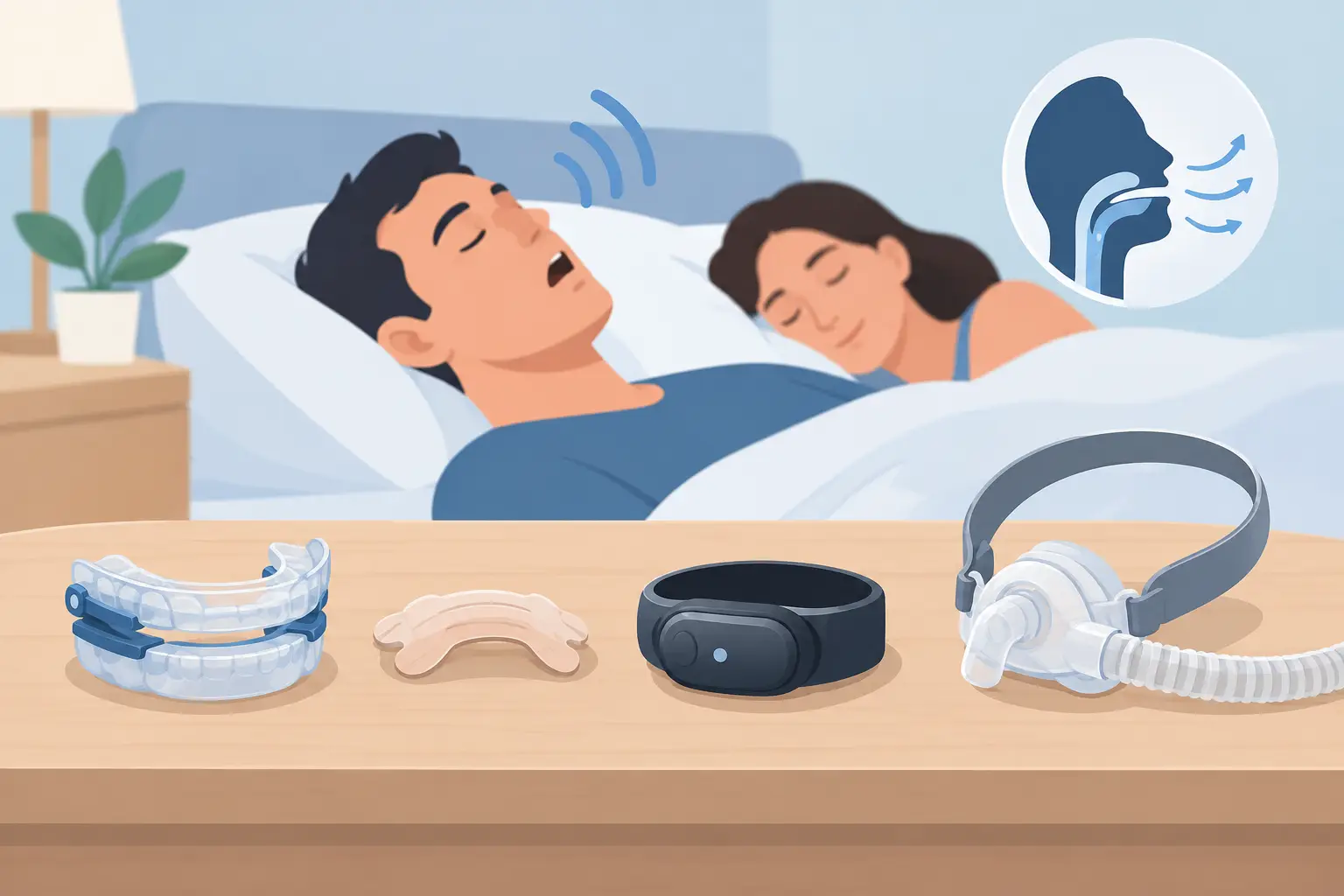
The original stop snoring ring is also a more discreet choice for people who want to deal with snoring without making sleep feel medicalised. That can be particularly valuable after you have already tried sprays, strips or mouthguards and found them uncomfortable, inconvenient or ineffective.
Good Night Health’s clinically trialled anti-snoring ring is made for simple snoring and is backed by a 30-day money-back guarantee. That does not mean it works for every person – an honest anti-snoring solution cannot promise that. It does mean you can assess whether it makes a meaningful difference to your sleep, and to the person lying beside you, without being locked into a complicated routine.
The ring may be especially suitable if your priority is comfort and ease of use, or if you have found devices around the head or mouth difficult to tolerate. It is not a mouth-closure device, so it is not dependent on staying perfectly positioned on your face through the night.
How to make a sensible choice
Start with your own pattern, rather than choosing the most dramatic-looking product. Ask your partner when the snoring is worst. Is it louder after alcohol? Does it happen mainly when you are on your back? Do you wake with a dry mouth? Are you congested, or do you feel rested despite the noise?
If open-mouth breathing appears to be the obvious trigger, a chin strap might be a reasonable option to test. Choose one that feels supportive rather than tight, and give it enough nights to judge whether it stays in place and improves the problem.
If you want a smaller, less intrusive approach to simple snoring, an anti-snoring ring may be the more natural first choice. Make sure the fit is correct and wear it consistently. One quiet night is encouraging, but a pattern over several nights gives a more useful answer, especially as stress, sleep position and bedtime habits can change from day to day.
It also helps to support any product choice with a few realistic changes. Sleeping on your side, keeping alcohol away from bedtime, treating temporary nasal congestion and keeping a regular sleep routine can all reduce common snoring triggers. These steps will not solve every case, but they can make an aid more likely to earn its place on your bedside table.
Do not ignore warning signs
Simple snoring is common, but loud snoring can sometimes be a sign of obstructive sleep apnoea. Speak to your GP if you experience repeated pauses in breathing, choking or gasping in sleep, severe daytime sleepiness, morning headaches, difficulty concentrating or high blood pressure. Your partner may be the first person to notice pauses or gasps, so take their observations seriously.
A chin strap and a finger ring are not treatments for sleep apnoea. Seeking an assessment is not overreacting – it is the sensible next step when the signs point beyond ordinary snoring.
Choose the solution you will actually use
The finger ring versus chin strap comparison is not about declaring one device right for every sleeper. A chin strap is designed for a specific mechanical issue: an open mouth and dropping jaw. A finger ring offers a gentler, more discreet acupressure-based approach for people with simple snoring who do not want headgear or mouth-based devices.
If you are tired of compromising on comfort, start with the option that feels achievable night after night. A quieter bedroom is not only about less noise. It is about waking with more patience, more energy and one less reason for you or your partner to dread bedtime.