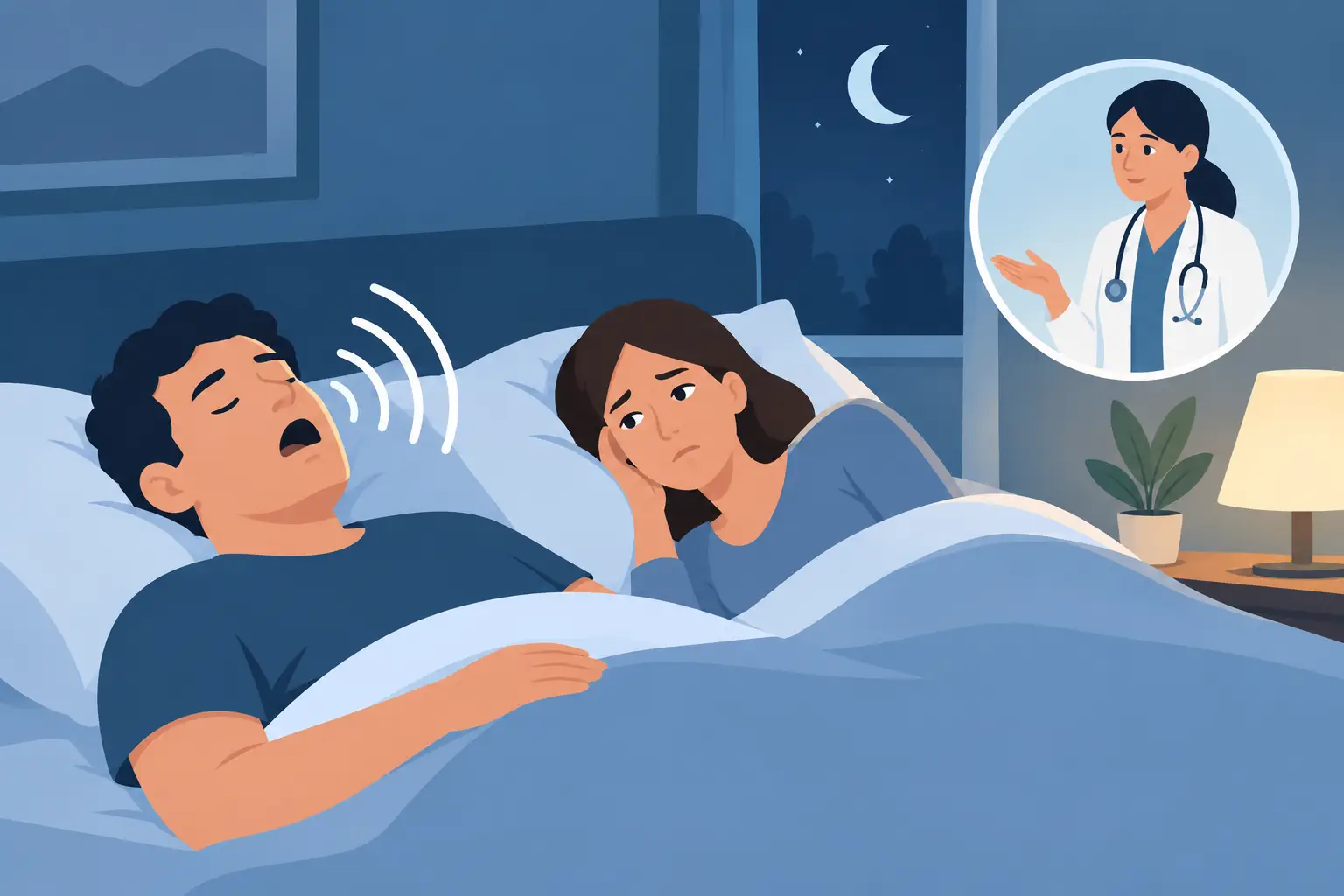
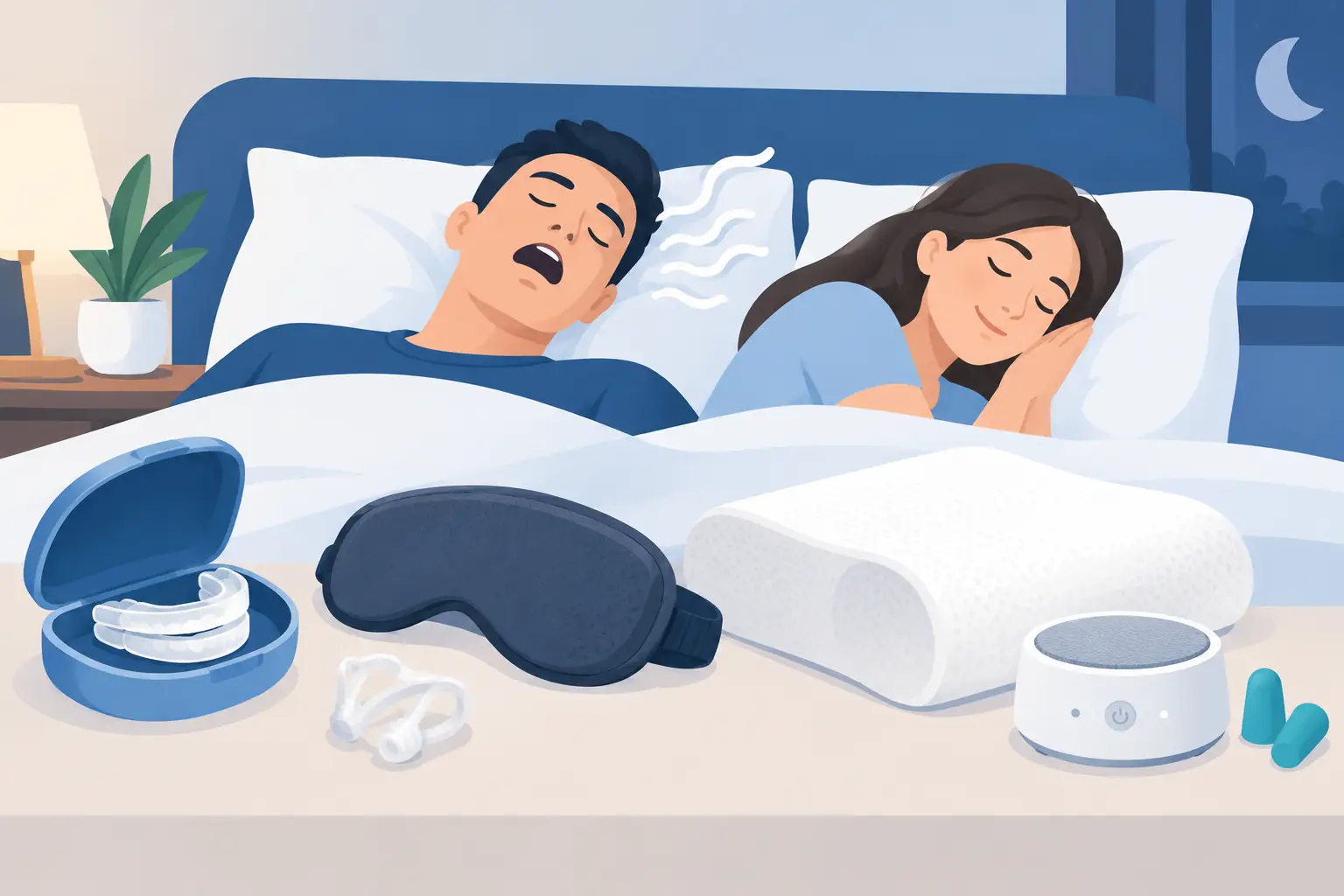
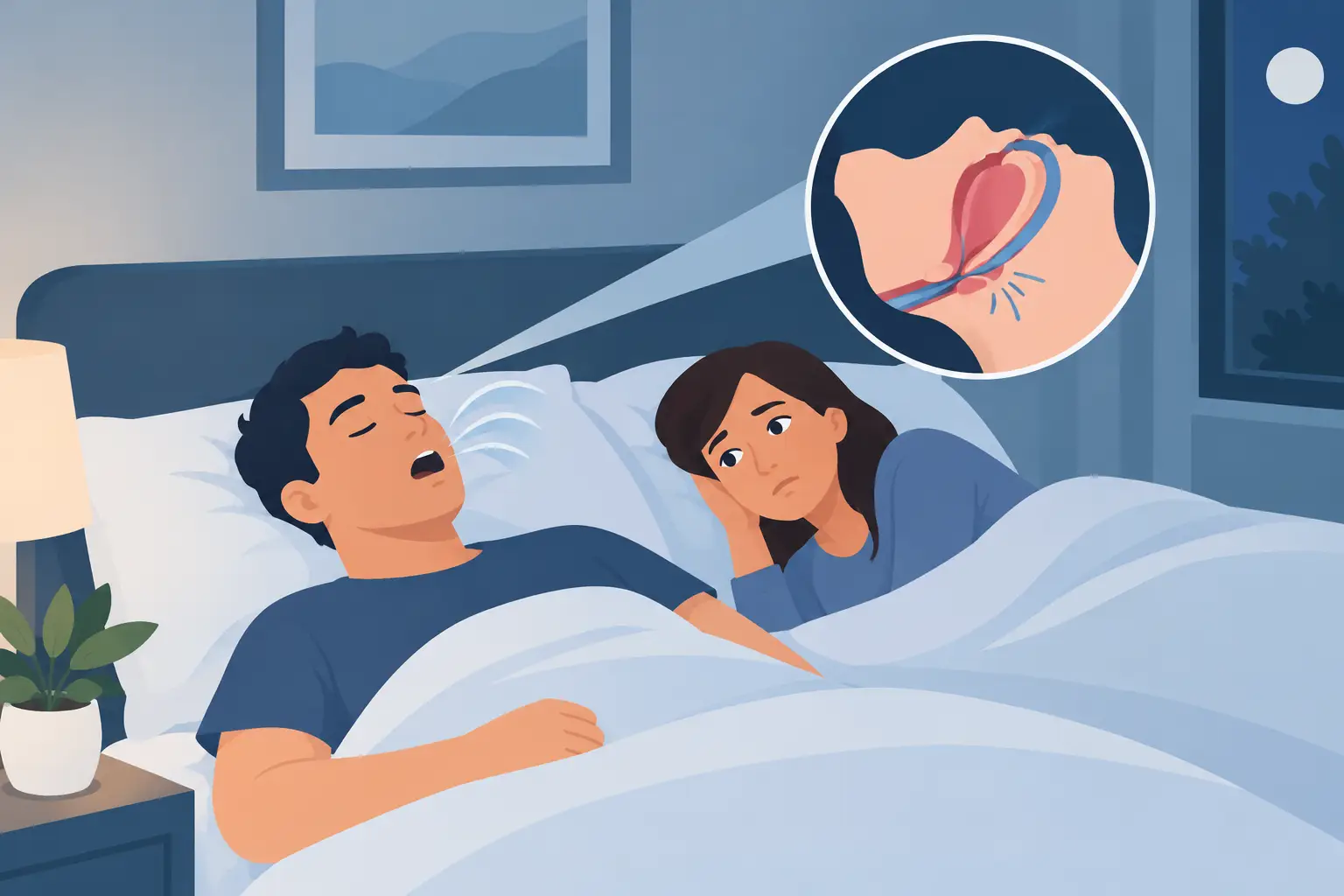
A partner nudging you awake at 2am is not a minor inconvenience. It can leave both of you tired, irritated and desperate for something that does not involve a bulky mouthguard or another night spent in separate rooms. Anti snoring ring customer results are encouraging for many people with simple snoring, but the honest answer is that results differ from one sleeper to the next.
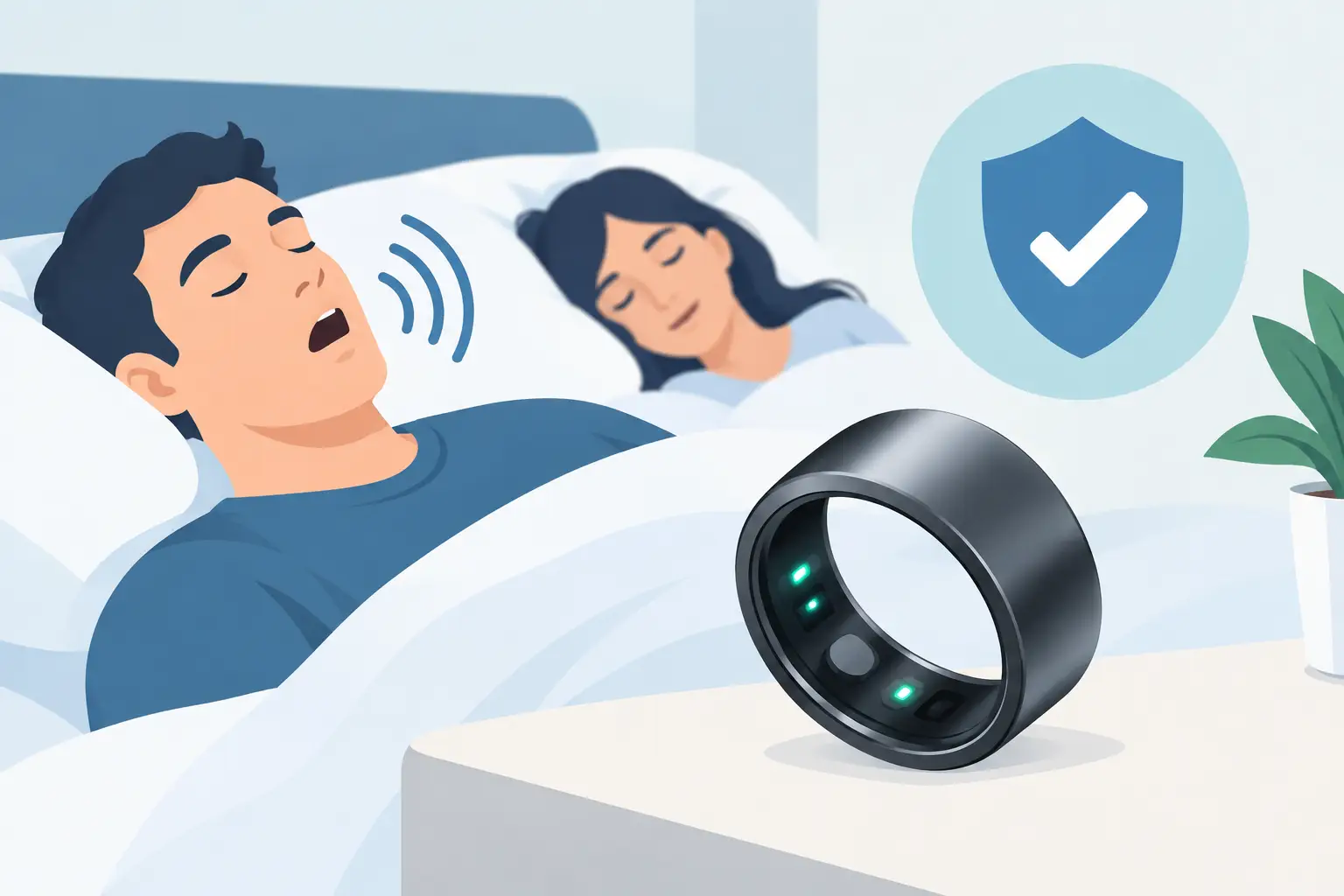
The most useful question is not simply, “Does a snoring ring work?” It is, “Is this likely to work for the kind of snoring I have?” An acupressure ring is designed as a comfortable, non-invasive option for simple snoring. It applies gentle, consistent pressure to specific points on the little finger while you sleep. For some customers, that small change becomes part of a quieter, more settled night. For others, it may reduce the volume or frequency of snoring rather than stop it entirely.
What anti snoring ring customer results show
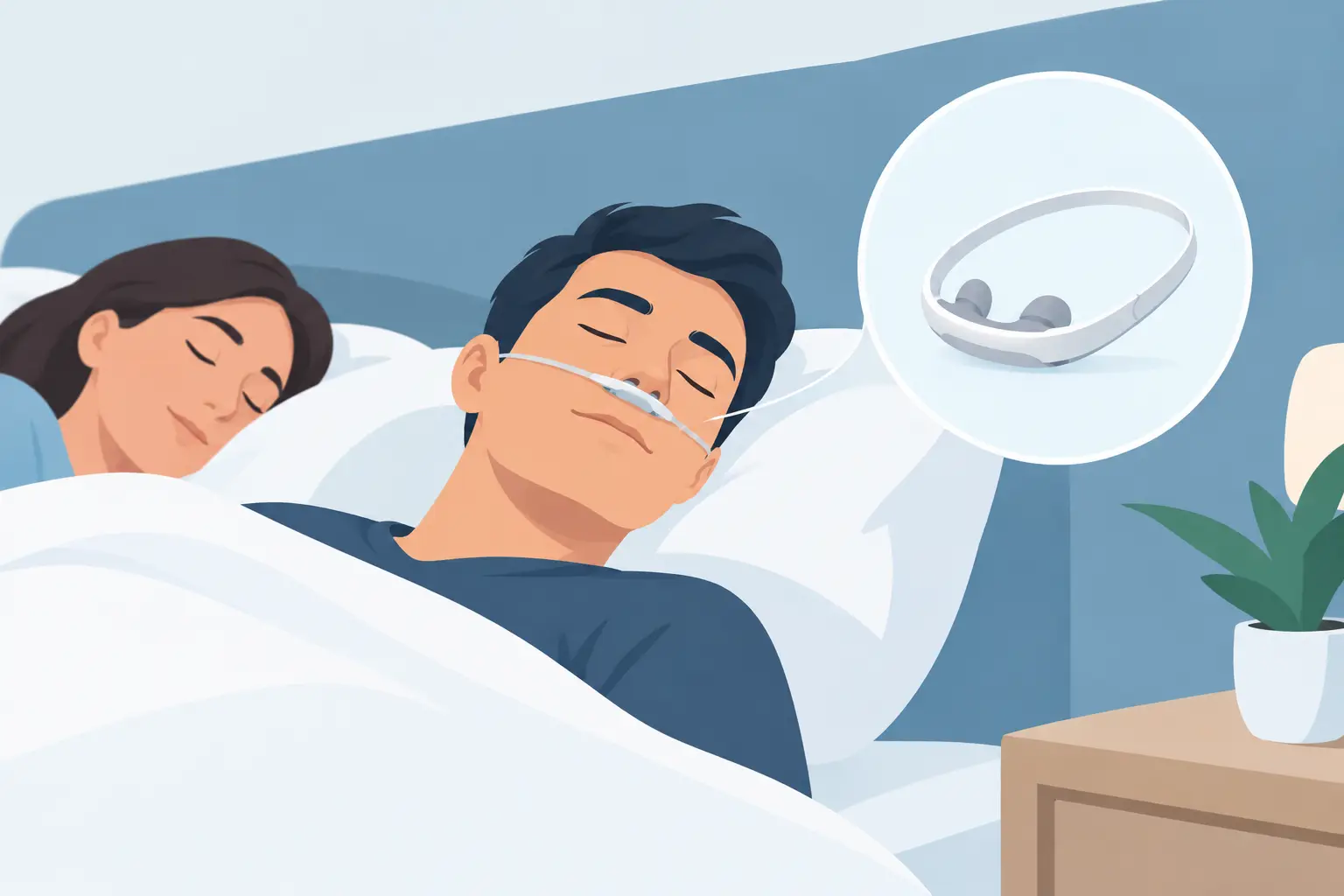
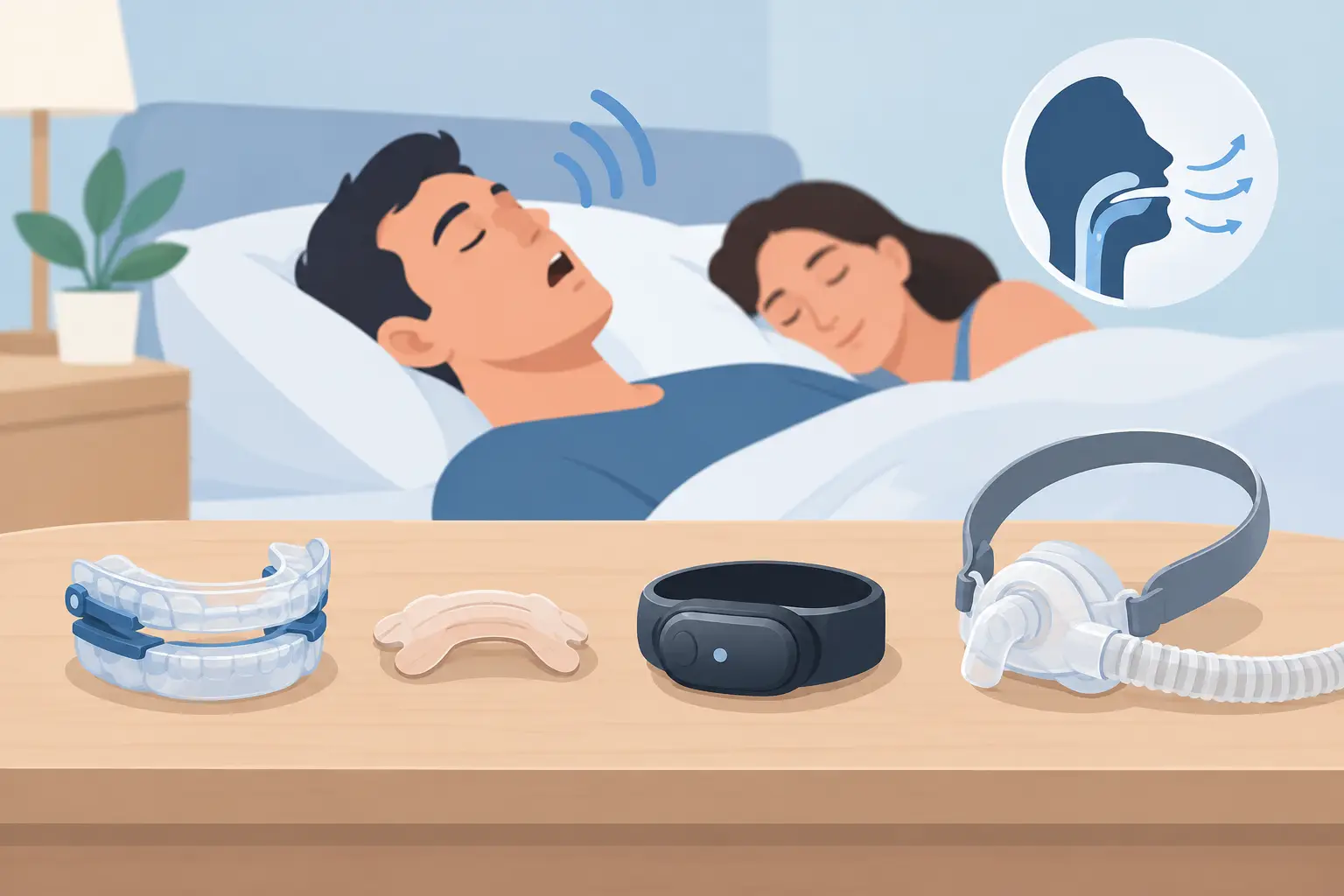
Customers tend to value the same things first: the ring is small, discreet and straightforward to use. Unlike devices that sit in the mouth or cover the face, it does not ask you to sleep with something intrusive. That matters when you have already abandoned a drawer full of anti-snoring products because they were too uncomfortable to wear consistently.
The strongest customer experiences usually describe a change that their partner notices before they do. Snoring may become quieter, happen less often, or stop on nights when it would normally disturb the room. Some people also report waking less often because their partner is no longer elbowing them awake. The benefit is not only about sound. It is about protecting both people’s sleep and removing a familiar source of tension at bedtime.
Still, no responsible anti-snoring product should promise identical results for every customer. Snoring has several possible causes. Nasal congestion, alcohol, sleeping position, weight changes, allergies and the natural relaxation of throat tissues can all play a part. A ring may be a practical fit for simple snoring, particularly if you want a drug-free option, but it cannot solve every underlying sleep or breathing issue.
Why some people see better results than others
Consistency is one of the clearest differences between a fair trial and a disappointing one. The ring needs to be worn correctly on the little finger and used night after night, rather than tried once after an especially late meal or a few drinks. Give your body and your household enough time to notice a pattern.
Your partner’s feedback is useful here. Snorers rarely hear the full extent of their own snoring, while the person beside them can often tell whether the noise starts later, happens less frequently or has become less intense. If you sleep alone, a snore-recording app can help you track trends, although it should not be treated as a medical diagnosis.
Lifestyle factors can make a real difference too. A ring is not a licence to ignore the common triggers that worsen snoring. Drinking alcohol close to bedtime, sleeping flat on your back, being overtired and going to bed with a blocked nose may all make the problem louder. Customers often get the clearest picture of their results when they keep their routine reasonably steady during the trial period.
Fit and comfort matter as well. A ring that feels secure but not restrictive is more likely to stay in place through the night. If a wearable is uncomfortable, people understandably stop using it. This is one reason a simple finger-worn design appeals to customers who have struggled with mouthpieces, nasal clips or more cumbersome equipment.
What a realistic trial looks like
A good trial is based on observations, not wishful thinking. Start by wearing the ring every night as directed. Ask your partner to make a quick note of what they notice over the first week: how often the snoring occurs, whether it wakes them, and whether it is quieter than usual. There is no need to turn bedtime into a laboratory experiment. A few honest observations are enough.
Then look at the second week. A useful result may be fewer wake-ups for your partner, less frequent nudging, or a calmer start to the morning. Total silence is a wonderful outcome, but it is not the only sign that a product is helping. Reduced snoring can still mean better rest for both of you.
If there is no change at all after consistent use, that information is valuable. It may suggest that your snoring has a cause that needs a different approach. Good Night Health positions its original stop snoring ring as clinically trialled and backs it with a 30-day money-back guarantee because customers deserve the chance to judge the product in their own bed, with their own sleeping habits, rather than rely on exaggerated promises.
When a snoring ring may not be the right answer
Simple snoring and obstructive sleep apnoea are not the same thing. If you stop breathing in your sleep, wake choking or gasping, feel excessively sleepy during the day, have severe morning headaches, or your partner notices repeated pauses in your breathing, speak to your GP. These can be signs of sleep apnoea, a condition that needs proper medical assessment.
The same applies if snoring suddenly becomes much worse, follows a significant health change, or affects your ability to function safely during the day. An anti-snoring ring is designed to support people with simple snoring. It is not a substitute for medical care where a sleep-breathing disorder may be involved.
It also helps to be realistic about expectations if you are dealing with a temporary trigger. A heavy cold, seasonal allergies or an evening of alcohol can overpower even a well-established routine. That does not automatically mean the ring has failed. Judge your results across ordinary nights, not only your worst ones.
How to avoid copycat disappointment
The popularity of anti-snoring rings has brought plenty of cheap imitations onto the market. They may look similar in a photograph, but appearance alone does not tell you whether a product has been developed, clinically trialled or supported by a company willing to stand behind it.
Before buying, check the claims carefully. Is the ring specifically designed for acupressure use during sleep? Is there a clear refund policy? Does the seller explain who the product is for and acknowledge that it will not work for everyone? Honest answers are a better sign than miracle claims.
A lower price can be tempting, especially if you have already spent money on sprays, strips and gadgets that did very little. But the real value of an anti-snoring solution is whether you can wear it comfortably, use it consistently and assess it without being trapped by the purchase. A proper guarantee gives you room to try it fairly.
The result that matters most
For some couples, the best customer result is silence. For others, it is less dramatic but just as meaningful: one uninterrupted night, fewer arguments about bedtime, or the relief of no longer having to choose between a mouthguard and sleeping apart.
Approach an anti-snoring ring with a clear-eyed expectation. Wear it consistently, pay attention to real changes and seek medical advice if your symptoms suggest more than simple snoring. Better sleep often starts with a small, comfortable change that you are genuinely willing to use every night.