A snoring ring is small enough to look almost too simple. That is exactly why snoring ring reviews can be confusing: one person calls it life-changing, another says it made no difference, and dozens of low-cost lookalikes promise the same result. The useful question is not whether every ring works for every snorer. It is whether the product is credible, comfortable and suitable for the kind of snoring you have.
For couples who have tried earplugs, nudging, separate bedrooms or another noisy night with little sleep, a discreet, non-invasive option is naturally appealing. But a ring should be judged on more than a five-star headline. The details matter.
What a Snoring Ring Is Designed to Do
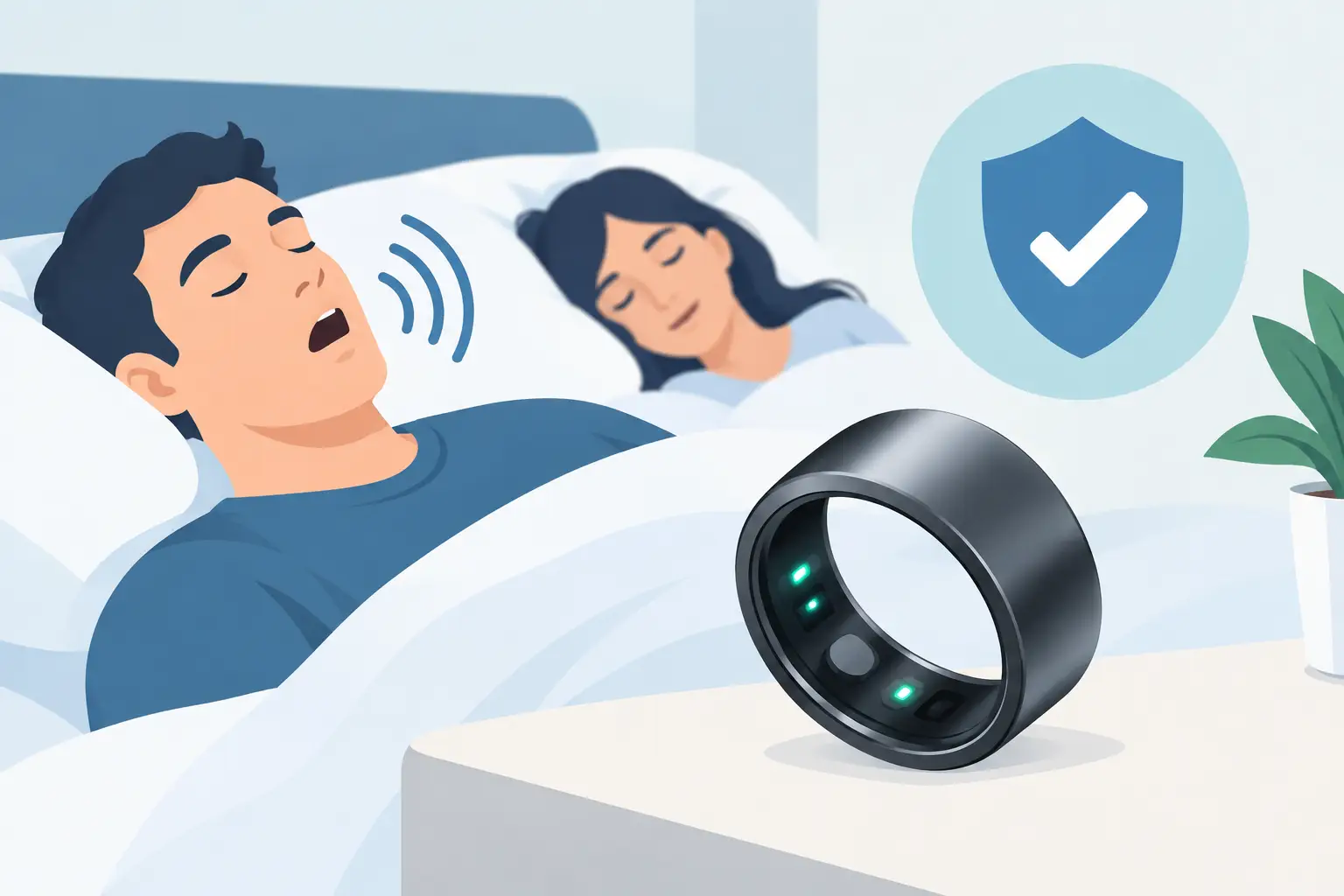
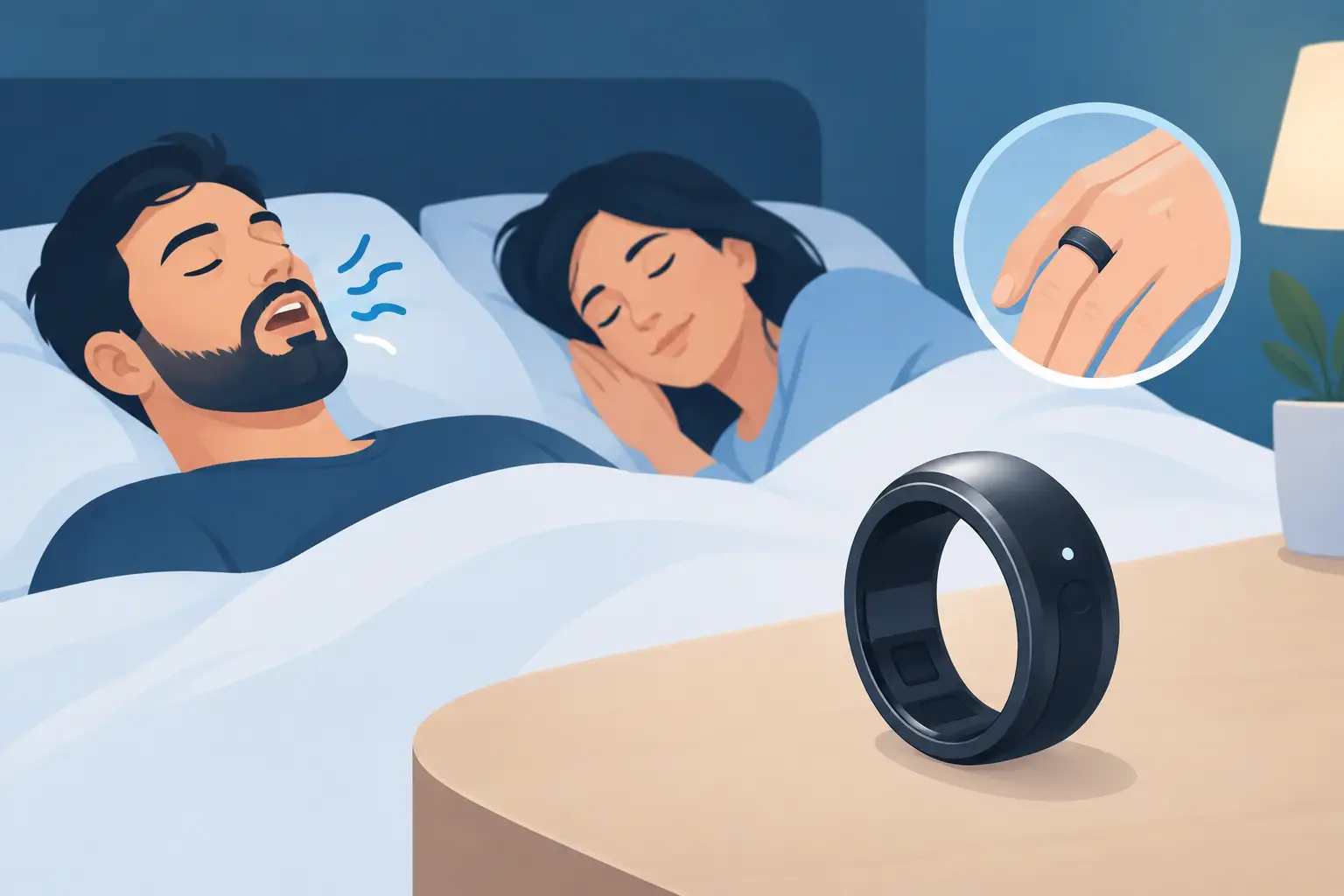
A genuine anti-snoring ring is worn on the little finger at night. It applies gentle pressure to specific acupressure points, with the aim of helping reduce simple snoring without medication, mouthguards, nasal gadgets or bulky equipment.
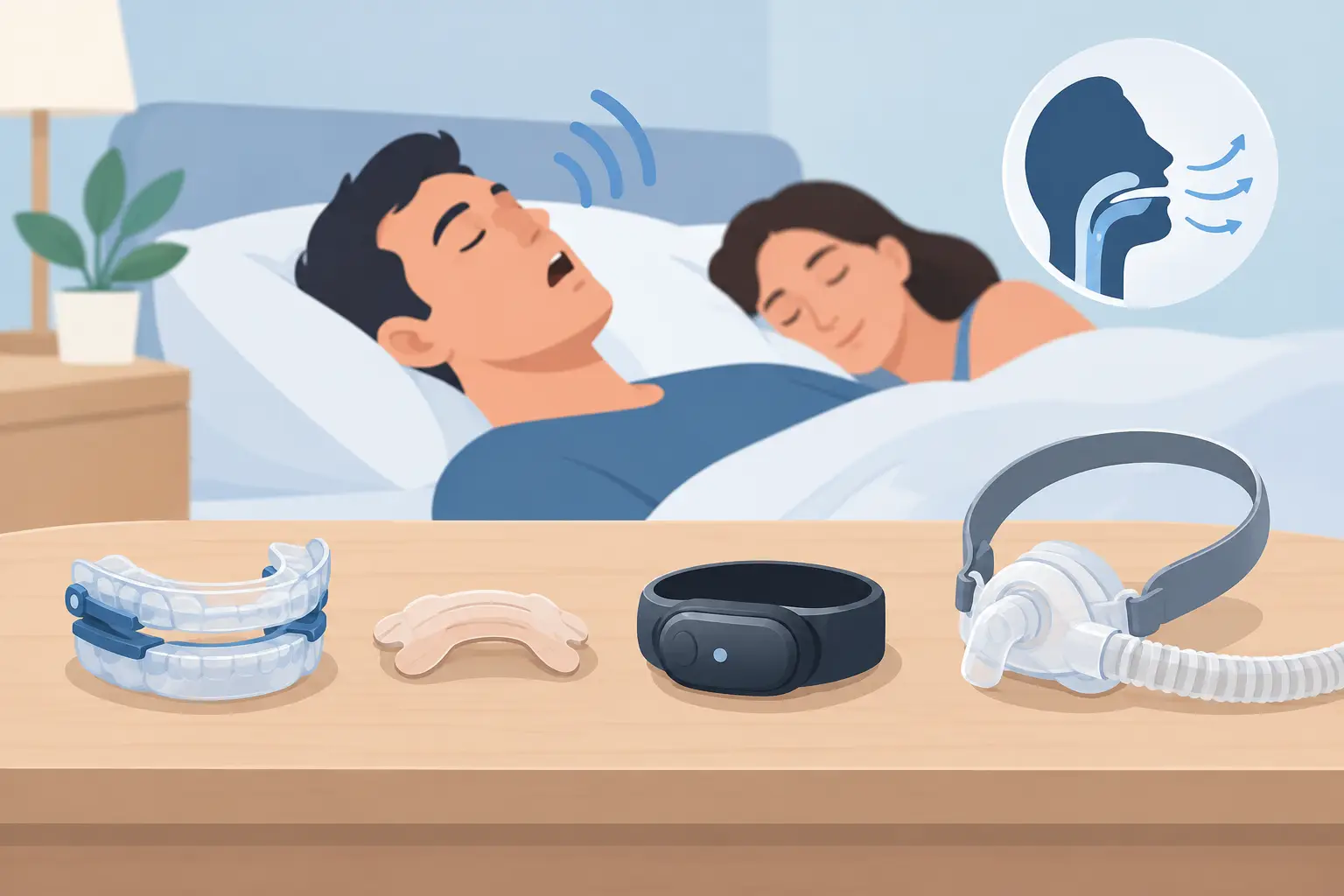
That makes it a very different proposition from a mandibular advancement device. A mouthpiece physically moves the jaw and can be effective for some people, but it may feel intrusive, cause jaw discomfort or be difficult to sleep in. A ring is intended to fit into a normal bedtime routine: put it on, sleep, and assess the difference over time.
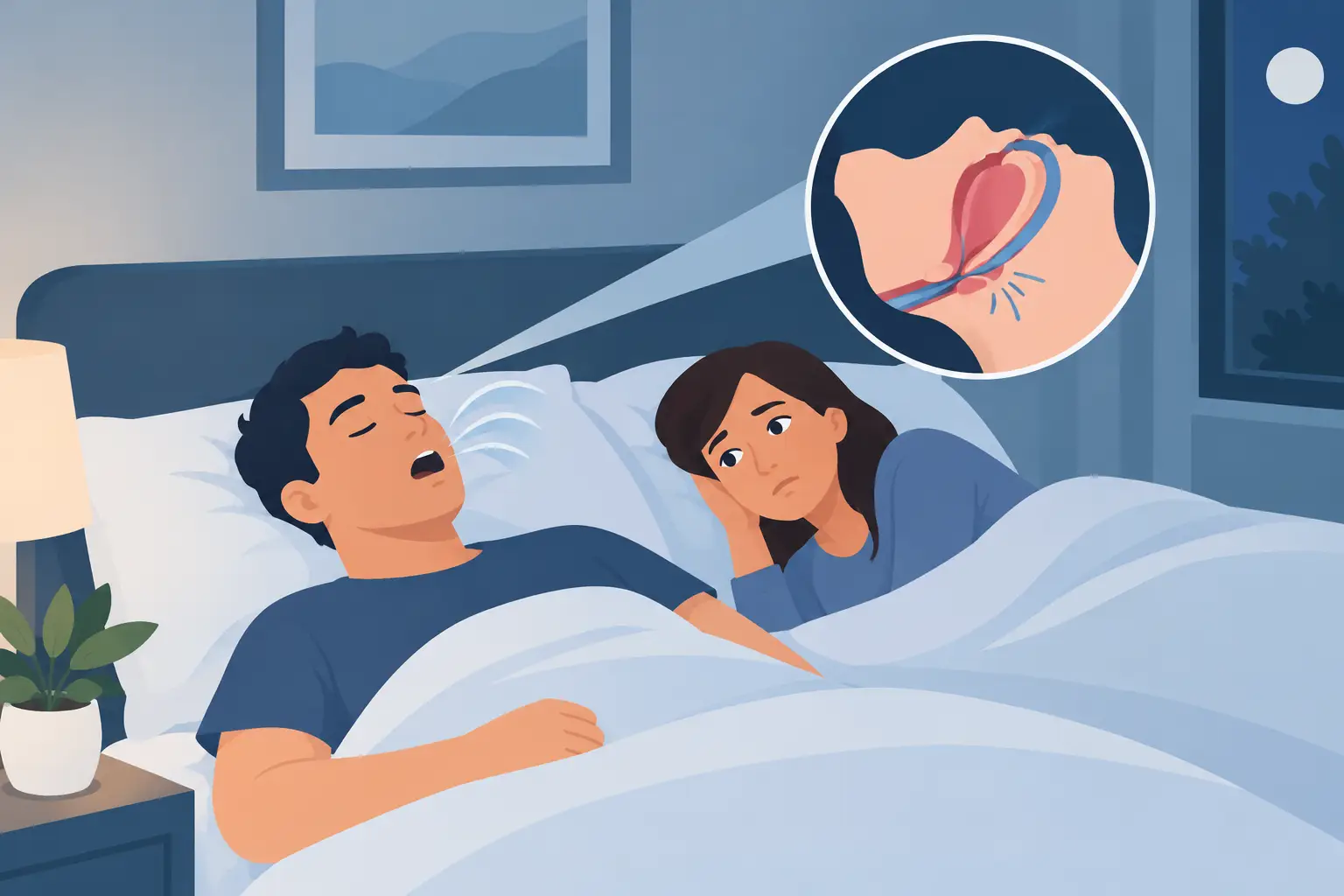
The key word is simple. Snoring can have several causes, including sleeping position, alcohol, nasal congestion, weight changes and relaxed throat tissues during sleep. A ring is designed for ordinary snoring, not as a treatment for every sleep or breathing condition.
Snoring Ring Reviews: What Is Worth Trusting?
The best reviews describe the starting problem, how consistently the ring was worn and what changed. “My partner slept through the night for the first time in months” is meaningful when it is paired with practical detail: perhaps the wearer found it comfortable, used it nightly and noticed a reduction after a settling-in period.
Be wary of reviews that promise an instant cure for everyone. No responsible anti-snoring product can make that claim. People have different causes of snoring, different finger sizes and different sensitivities to pressure. Honest feedback will reflect that reality while still making clear whether the product helped most users reduce the noise and disruption that brought them to it.
It also helps to separate product reviews from delivery or packaging comments. Fast post and attractive presentation are pleasant, but they do not tell you whether the ring stays comfortable through the night or helps a partner get better rest. Look for feedback that covers fit, overnight wear, durability and results after more than one night.
Check whether the product has a credible basis
The market is crowded with rings that resemble each other in photographs. Similar appearance does not mean similar quality, testing or design. Cheap copycats often rely on broad claims, vague descriptions and heavily edited testimonials while offering little clarity about who made the product or what supports it.
A more credible option should explain its mechanism plainly, identify that it is intended for simple snoring and be open about its evidence. Clinical trial history is a stronger trust signal than a generic promise to “improve sleep”. So is a company prepared to stand behind its product with a clear money-back guarantee.
Good Night Health positions its anti-snoring ring as the original clinically trialled stop snoring ring, with a 30-day money-back guarantee. That matters because buying a sleep product should not feel like taking a blind gamble. You need enough time to see whether it suits you, without being trapped with another drawer-bound remedy if it does not.
Fit and comfort are not minor details
A snoring ring only has a chance to help if you can wear it properly. The ring should sit securely on the little finger, with its pressure points aligned as directed, without pinching, slipping off or leaving you distracted by discomfort. A very loose ring may not apply the intended pressure; one that is too tight is not something you should tolerate overnight.
Read reviews for comments about sizing and adjustment, especially if you have narrow fingers, enlarged knuckles or swelling in your hands overnight. A well-made ring should be practical enough for regular use, not merely attractive in a product photo.
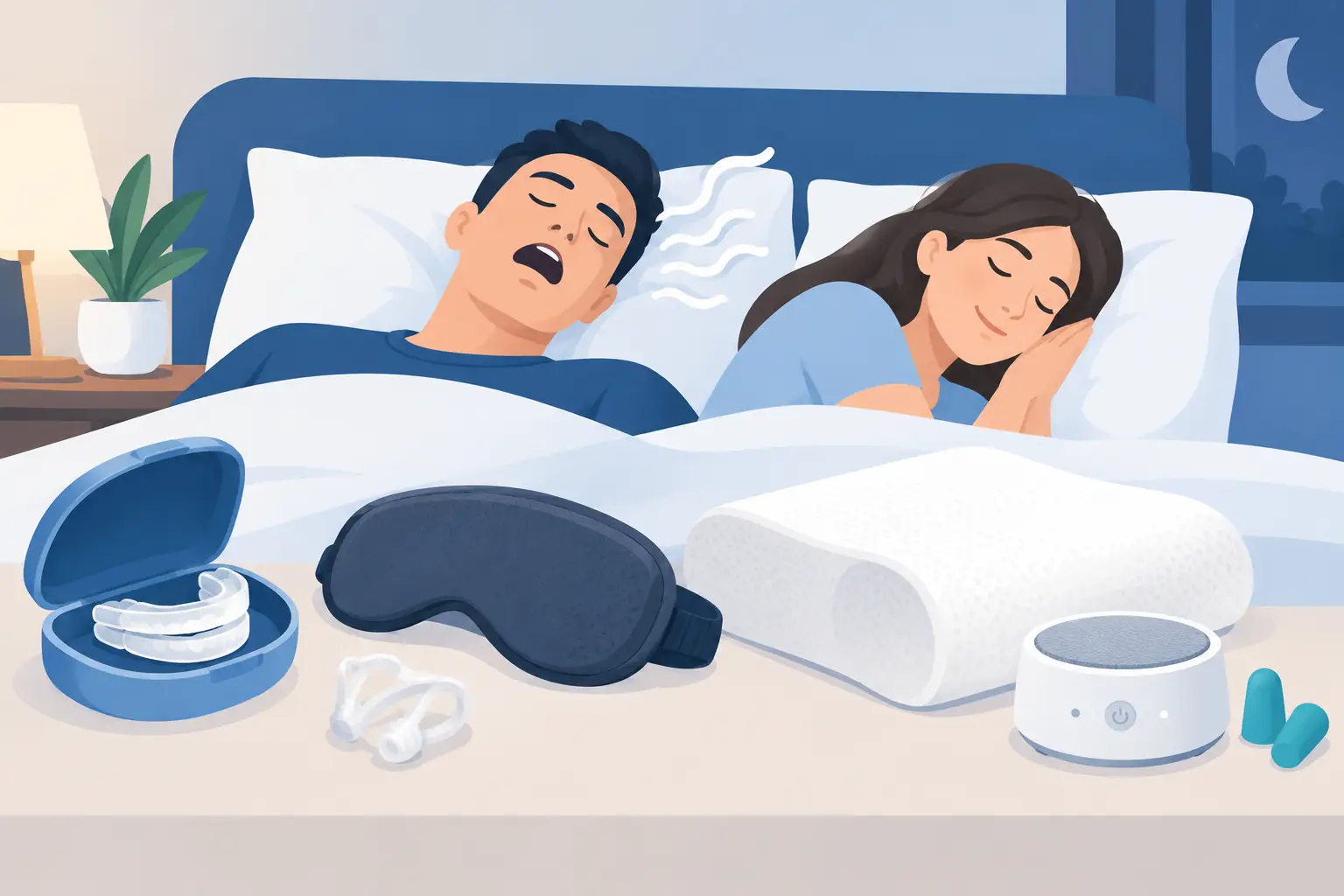
Comfort also means discretion. Many snorers are tired of solutions that make bedtime feel clinical. A small wearable can be preferable to a mouthguard that changes how you speak, a nasal device that feels conspicuous, or medication you do not wish to take. That preference is valid, but it should be balanced with realistic expectations about results.
Why Results Can Differ From One Sleeper to Another
Reviews can seem contradictory because snoring is not one single problem. Someone whose snoring worsens after a few drinks or when lying on their back may experience a different result from someone with ongoing nasal blockage. Consistency matters too. Wearing the ring occasionally, or putting it on after you have already fallen asleep, does not provide a fair test.
Give a suitable ring a reasonable trial period and wear it as instructed. Ask your partner to notice changes in volume, frequency and how often snoring wakes them. If you sleep alone, a recording app can offer a rough before-and-after comparison, although it is not a medical test and should not be treated as one.
Lifestyle factors can still make a difference. Keeping alcohol modest close to bedtime, treating temporary congestion appropriately and trying side sleeping may support better results for simple snoring. The ring is a focused, non-invasive tool, not a reason to ignore habits that clearly make the problem worse.
When a Ring Is Not the Right Next Step
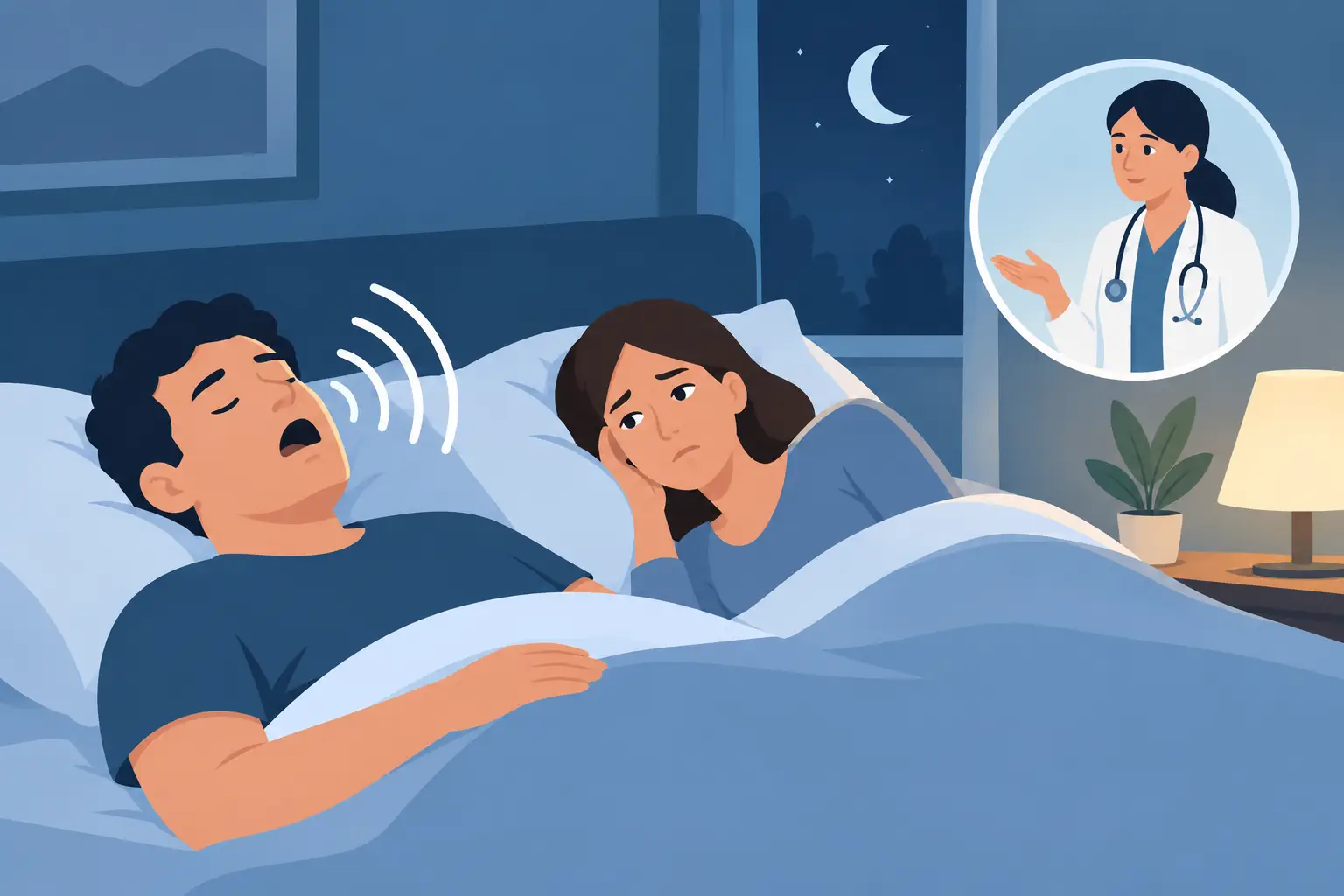
Consumer reviews should never replace medical advice. Snoring accompanied by pauses in breathing, choking or gasping, marked daytime sleepiness, morning headaches, high blood pressure or difficulty concentrating may point to obstructive sleep apnoea or another issue that needs professional assessment.
This is particularly important if a partner is regularly frightened by what they hear at night. A quiet period followed by a gasp is not simply an annoyance to solve with a new accessory. Speak with a GP or suitable sleep professional rather than relying on any over-the-counter anti-snoring product.
A ring may also be a poor fit if it causes skin irritation, numbness or persistent pain. Remove it and do not force yourself through discomfort. A sensible sleep solution should make nights easier, not give you another problem to manage.
A Better Way to Read Reviews Before You Buy
Instead of counting stars, look for a pattern. Are reviewers talking about a reduction in snoring rather than impossible perfection? Do partners mention sleeping more peacefully? Are there clear instructions and a straightforward returns policy? Is the company specific about who the ring is for and willing to say it will not work for everyone?
Those signs point to a business that understands both the frustration of snoring and the limits of a non-invasive product. They also protect you from the familiar cycle of buying the cheapest gadget, trying it once and writing off the whole category when it disappoints.
The right ring will not need wild promises to earn your confidence. It should offer a comfortable nightly routine, a credible reason to try it and a fair way out if it is not right for you. For many couples, that is a far more restful place to start than another night of nudging, resentment and interrupted sleep.