Blog
Single Post

Guide to Snoring Ring Sizing and the Right Fit
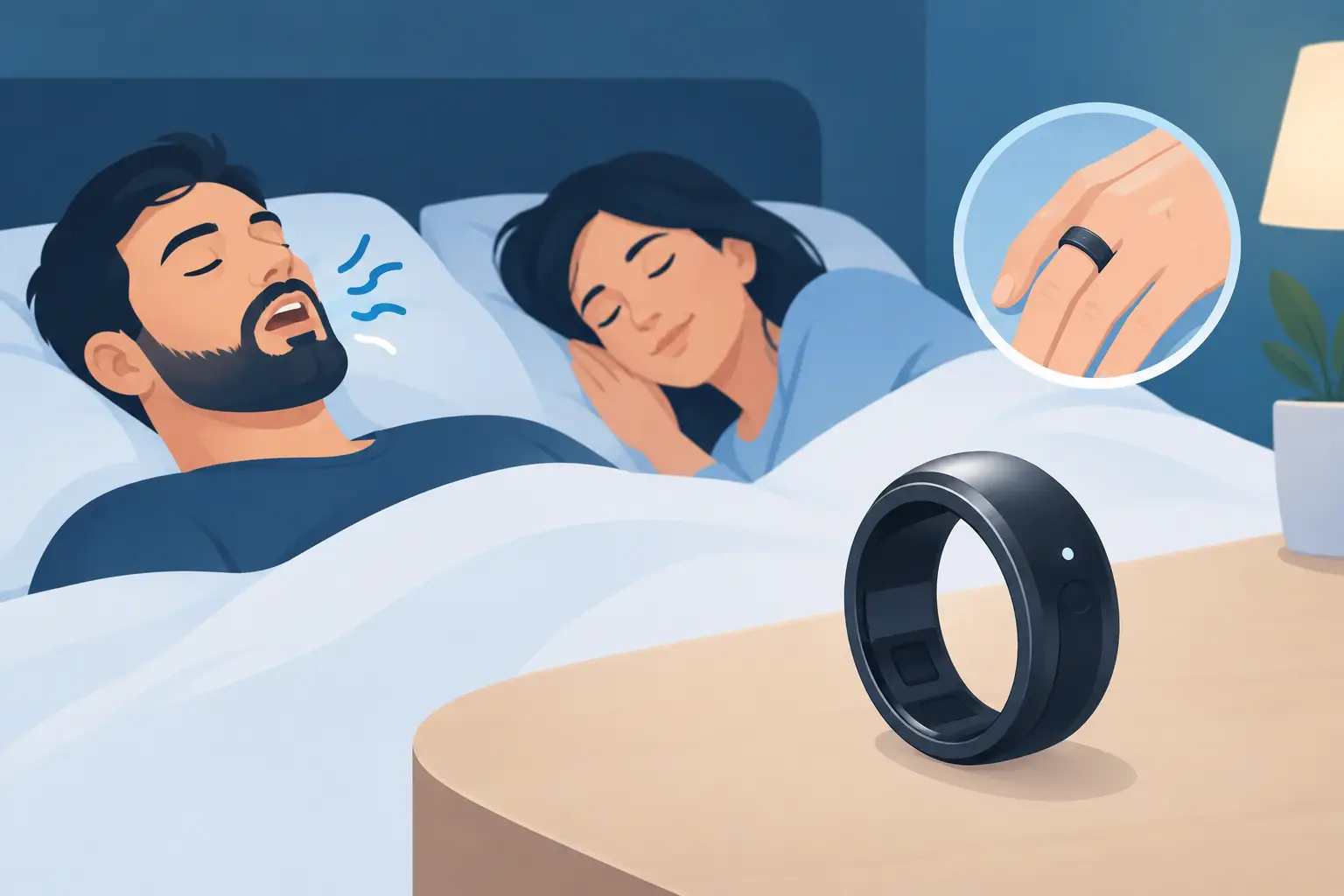
A snoring ring should be the last thing you notice when you are trying to sleep. If it slides around, pinches your little finger or feels loose by morning, it cannot deliver the consistent pressure it is designed for. This guide to snoring ring sizing will help you find a fit that feels secure, comfortable and practical for nightly wear.
The goal is not a tight ring. It is a stable one. A correctly sized anti-snoring ring sits on the little finger without spinning freely, while allowing normal circulation and comfortable movement. That balance matters because acupressure relies on steady contact with the intended points throughout the night.
Why snoring ring sizing matters
A ring that is too large can rotate or travel up and down the finger as you move in your sleep. When that happens, the pressure points may no longer sit where they should. A ring that is too small creates the opposite problem: it may feel uncomfortable, leave deep marks, cause numbness or become difficult to remove.
For people who have already tried mouthguards, nasal strips or other bulky devices, comfort is often the deciding factor. An anti-snoring ring is meant to be a simple, discreet part of your bedtime routine, not another reason to put off going to bed.
The little finger also changes size more than many people expect. Warm weather, exercise, salty food, alcohol and even the time of day can all cause mild swelling. That is why measuring carefully, rather than guessing from another ring you own, gives you the best starting point.
Guide to snoring ring sizing: measure the right finger
Measure the little finger on the hand you plan to wear the ring on. If you are unsure, measure both little fingers. They are not always the same size, particularly if you favour one hand for work, sport or daily tasks.
The most reliable approach is to use a proper ring sizer or the sizing guide provided with your ring. If you are measuring at home, wrap a narrow strip of paper around the base of your little finger, where the ring will sit. Mark where the paper meets, lay it flat and measure the length in millimetres. Compare that measurement with the relevant size chart.
Do not pull the paper tightly enough to compress your skin. You are measuring your finger as it is, not trying to create the smallest possible number. Equally, do not leave a visible gap. A loose measurement usually leads to a ring that shifts during sleep.
Measure later in the day if possible. Fingers are often at their smallest first thing in the morning, so an early measurement can produce a ring that feels too tight overnight. Take two or three measurements for consistency, especially if you are close to a size boundary.
Check the knuckle, not just the finger base
Your ring must pass over the knuckle to be worn and removed safely. Some people have a little finger that is narrower at the base but noticeably wider at the knuckle. In that case, account for the widest point the ring needs to pass over.
A good fit may offer slight resistance over the knuckle, then settle comfortably at the base of the finger. It should not require force, leave you struggling to remove it or cause pain. If it does, it is too small for comfortable nightly use.
What to do if you are between sizes
Being between sizes is common. There is no universal answer because finger shape, knuckle size and overnight swelling vary from person to person. As a rule, choose the option that can sit securely without restricting circulation.
If your fingers commonly swell, you sleep warm or you have found rings tight in the past, the larger size may be more comfortable. If your little finger is quite tapered and rings tend to turn around it, the smaller size may provide better stability. The deciding test is always the same: the ring should stay in position without pain, tingling or numbness.
How a correctly fitted snoring ring should feel
Once on, the ring should make gentle, consistent contact with the little finger. You may be aware of it for the first few nights, particularly if you do not normally wear jewellery to bed. That is different from discomfort.
A correctly fitted ring should not throb, make your fingertip cold, create pins and needles or leave deep grooves that persist. Mild temporary impressions can happen, as they can with a watch strap or sock, but any sign of impaired circulation means you should remove the ring and reassess the size.
It should also stay orientated as intended. If you wake up and find the ring has repeatedly spun around, it may be too loose. Before assuming it is the wrong size, check that you are placing it in the correct position each night. Consistent placement and consistent sizing work together.
Avoid the most common sizing mistakes
The first mistake is measuring only once, first thing in the morning. A second is choosing a size based on your ring finger or another piece of jewellery. Little fingers vary considerably, and a ring that fits one finger perfectly tells you very little about another.
Another common mistake is treating a snug acupressure fit as though it should feel restrictive. It should not. More pressure is not better pressure. The purpose is to support gentle contact at specific points, not to grip the finger as tightly as possible.
Finally, do not continue wearing a ring that causes persistent irritation just because you hope you will get used to it. Comfort is part of effective use. If the fit is wrong, address the fit rather than accepting a poor night’s sleep.
Give your fit a realistic bedtime test
Try the ring for a short period at home before relying on it overnight. Put it on in the evening, when your hands are more likely to reflect their usual end-of-day size. Move your hand normally, make a loose fist and relax your fingers.
If it feels secure but unremarkable, that is encouraging. If it turns easily with every movement, it may be too loose. If you are counting the minutes until you can take it off, it is too tight or not sitting correctly.
Then assess it after a full night. A good size should remain comfortable from bedtime to morning. If you wear the original clinically trialled Good Night Anti-Snoring Ring, follow its fitting instructions closely, as correct positioning is as important as selecting the right size.
When a snoring ring may not be the whole answer
Snoring has different causes. A ring may be a comfortable, non-invasive option for simple snoring, but it is not a substitute for medical assessment where there are signs of obstructive sleep apnoea or another health concern.
Seek advice from a healthcare professional if snoring is accompanied by pauses in breathing, choking or gasping, severe daytime tiredness, morning headaches, high blood pressure or concerns from your partner that you stop breathing in the night. These symptoms deserve proper attention, regardless of ring size or any other home remedy.
The same applies if you have reduced sensation, circulation problems, swelling in your hands or a skin condition affecting the finger. A comfortable fit is essential, and personalised medical guidance may be sensible before wearing any ring overnight.
Can I wear a snoring ring on either little finger?
That depends on the product’s instructions. Measure the intended finger and follow the recommended wearing position. If both hands are permitted, choose the side that gives the most secure, comfortable fit and is least likely to interfere with your sleep.
Should I size up for hot weather?
Not automatically. Measure when your fingers are at a typical evening size, and consider your own experience with swelling. Sizing up too far can make the ring move and reduce stable contact.
What if the ring leaves a mark in the morning?
A light, short-lived impression is not necessarily a problem. However, pain, numbness, tingling, coldness, discolouration or a deep mark that lingers are signs to remove the ring and reconsider the fit.
A well-fitted snoring ring should support your sleep without demanding your attention. Take a few extra minutes to measure carefully, listen to what your hands are telling you, and give yourself the best chance of quieter nights and more rested mornings for both of you.