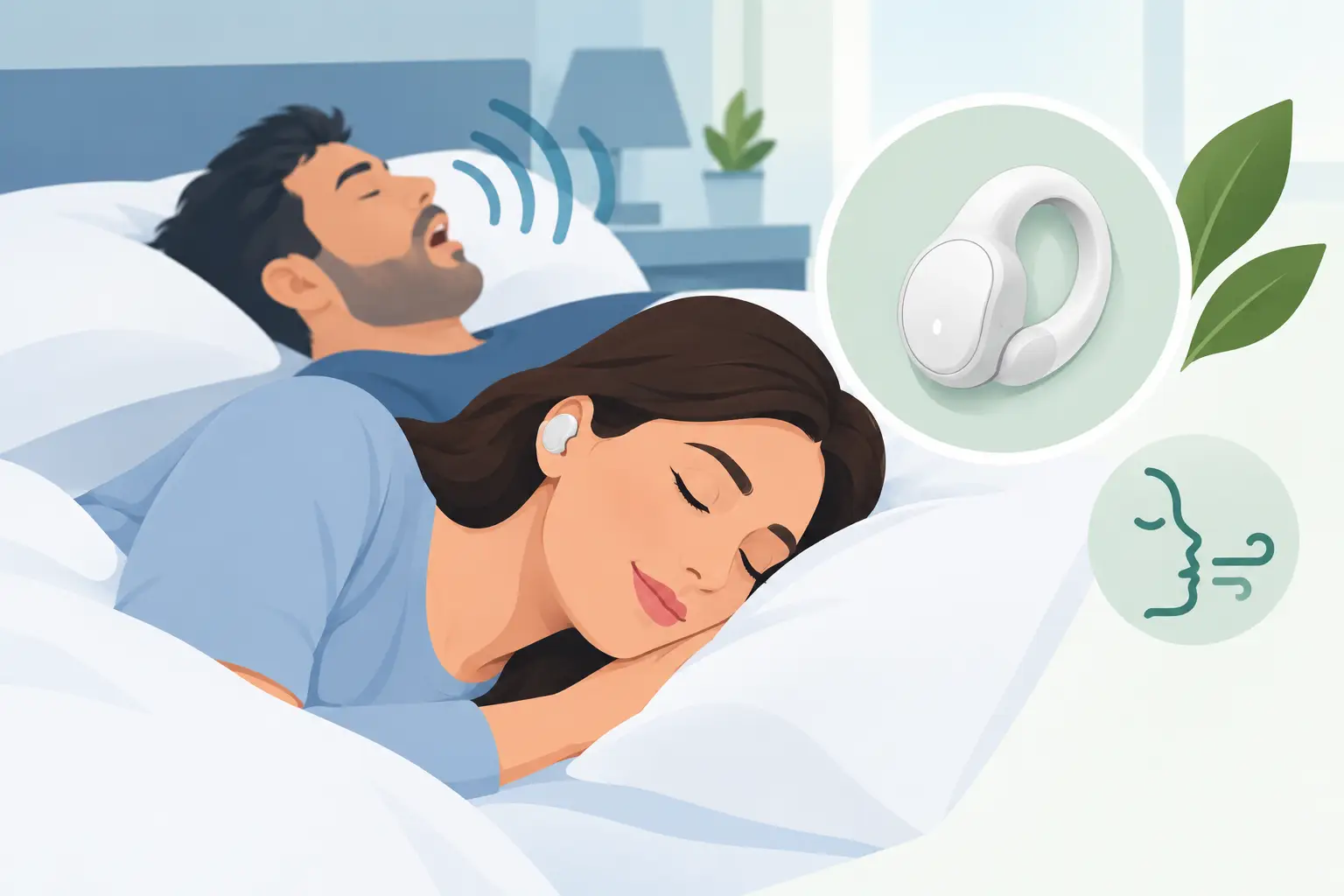
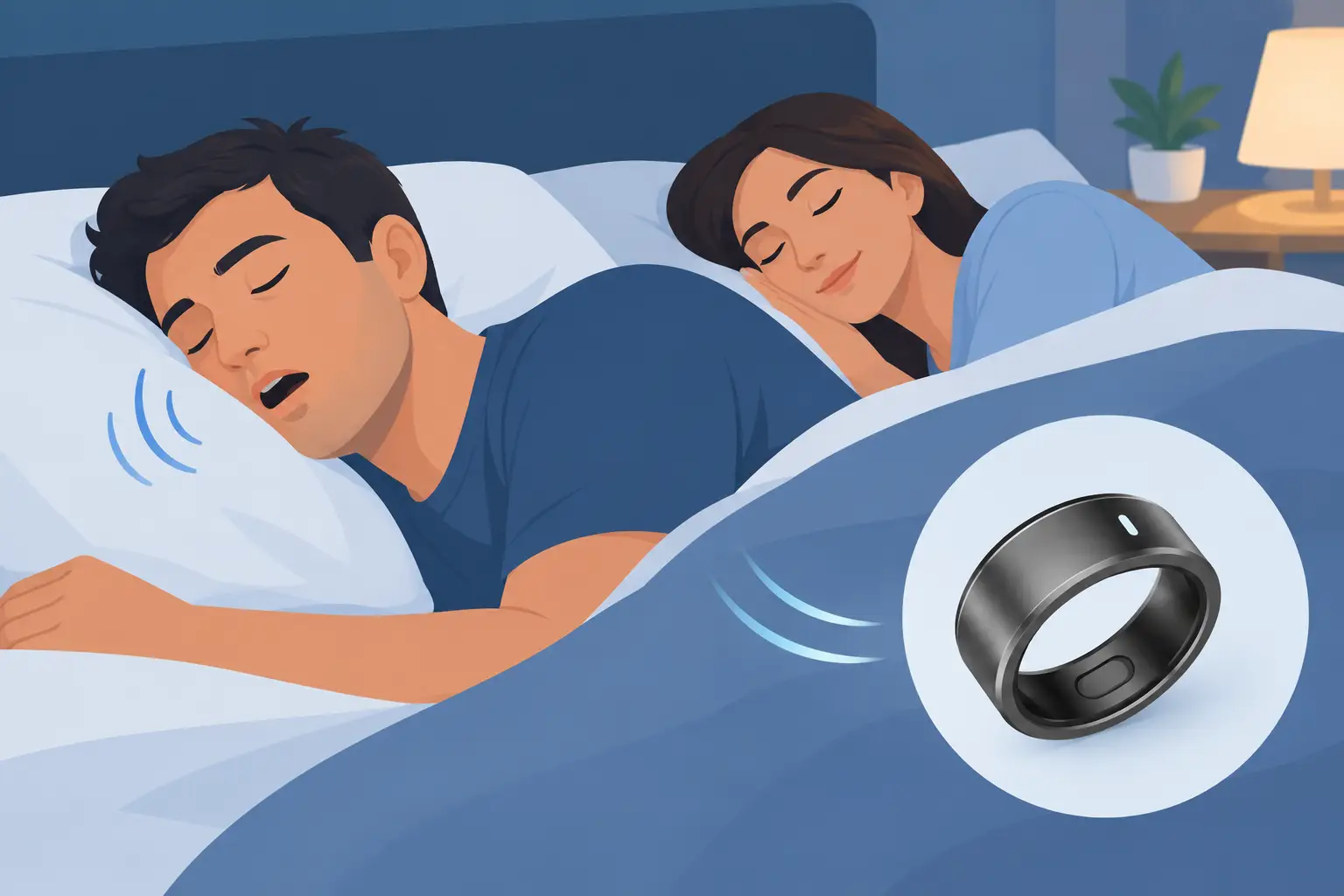
A partner lying awake at 2am does not need another complicated gadget on the bedside table. They need quieter sleep. That is why an acupressure snoring ring review should look beyond bold promises and ask the practical questions: is it comfortable enough to wear, is it credible, and is it suitable for the type of snoring you have?
An acupressure ring is a small, drug-free wearable designed to apply gentle pressure to selected points on the little finger while you sleep. For people put off by mouthguards, nasal strips and bulky devices, its appeal is obvious. It is discreet, simple and takes seconds to put on. But it is not a cure-all, and the best results depend on choosing a properly made ring and using it for simple snoring rather than ignoring a possible sleep-breathing condition.
What is an acupressure snoring ring?
The ring sits on the little finger, where raised pressure points rest against the skin. The principle is based on acupressure, a traditional approach that uses targeted pressure rather than needles. In this setting, the aim is to encourage a reduction in the muscle relaxation and airway vibration associated with simple snoring.
That matters because snoring is not one single problem. It commonly happens when the tissues in the throat relax during sleep and vibrate as air passes through. Alcohol, tiredness, nasal congestion, sleeping on your back and weight can all make it louder. A ring offers a non-invasive option for people whose snoring is occasional or uncomplicated, particularly when other remedies have felt too intrusive to use consistently.
The strongest point in its favour is not that it is high-tech. It is that it removes friction. There is no charging, no adhesive to replace, no medication and no awkward fitting process. Put it on correctly before bed, and it becomes part of the routine.
Acupressure snoring ring review: the benefits and limits
A fair review has to acknowledge both sides. Some people report a meaningful reduction in snoring and a more peaceful night for their partner. Others notice little change. That is not a contradiction – it reflects the fact that snoring has different causes, and no single product can suit every sleeper.
For the right person, an acupressure ring has several clear advantages. It is quiet, lightweight and far less conspicuous than a mandibular advancement mouthpiece. It does not rely on drugs, so there is no risk of waking groggy from a sedating remedy. It is also easy to travel with, whether you are spending a night away for work or going on holiday.
Comfort is a real consideration. A ring that pinches, slips off or has poorly placed pressure points is unlikely to be worn night after night. The pressure should be noticeable but not painful. If your finger becomes numb, sore or discoloured, remove the ring and check the fit. A good product should come in an appropriate size and be made from skin-friendly materials, rather than treating comfort as an afterthought.
The limitation is just as straightforward: an acupressure ring is designed for simple snoring, not for obstructive sleep apnoea. It cannot diagnose why you snore, and it should never be used to delay medical advice where warning signs are present.
Who may get the best results?
This is usually a sensible first option for adults who snore without known breathing interruptions and want to avoid invasive equipment. It can suit someone whose partner has started nudging them awake, someone whose snoring worsens after a glass of wine, or someone who has tried nasal strips with limited success.
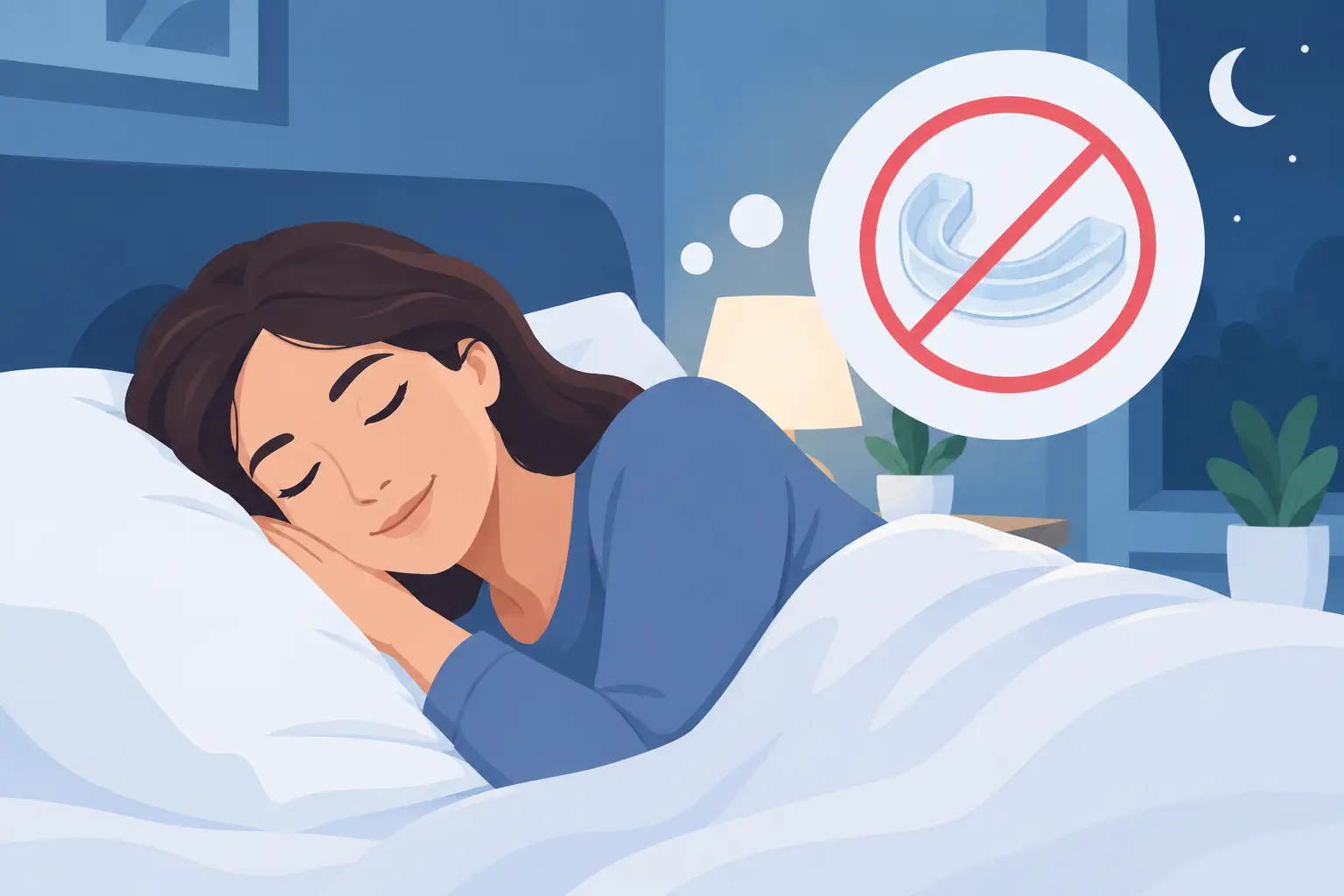
It may be especially appealing if the main barrier has been consistency. A mouthguard can work for some people, but many stop wearing one because it feels bulky or affects the jaw. Nasal strips may help when congestion is the main cause, yet they do not address throat vibration. A ring is not automatically better than either option, but it is a different approach – and one that many people find easier to keep wearing.
Expectations should still be realistic. Give a well-made ring several nights of consistent use rather than judging it after one restless evening. Ask your partner whether the volume, frequency or duration of snoring changes. If you sleep alone, a snoring-recording app can help you spot a pattern, though it is not a substitute for medical assessment.
When snoring needs medical advice instead
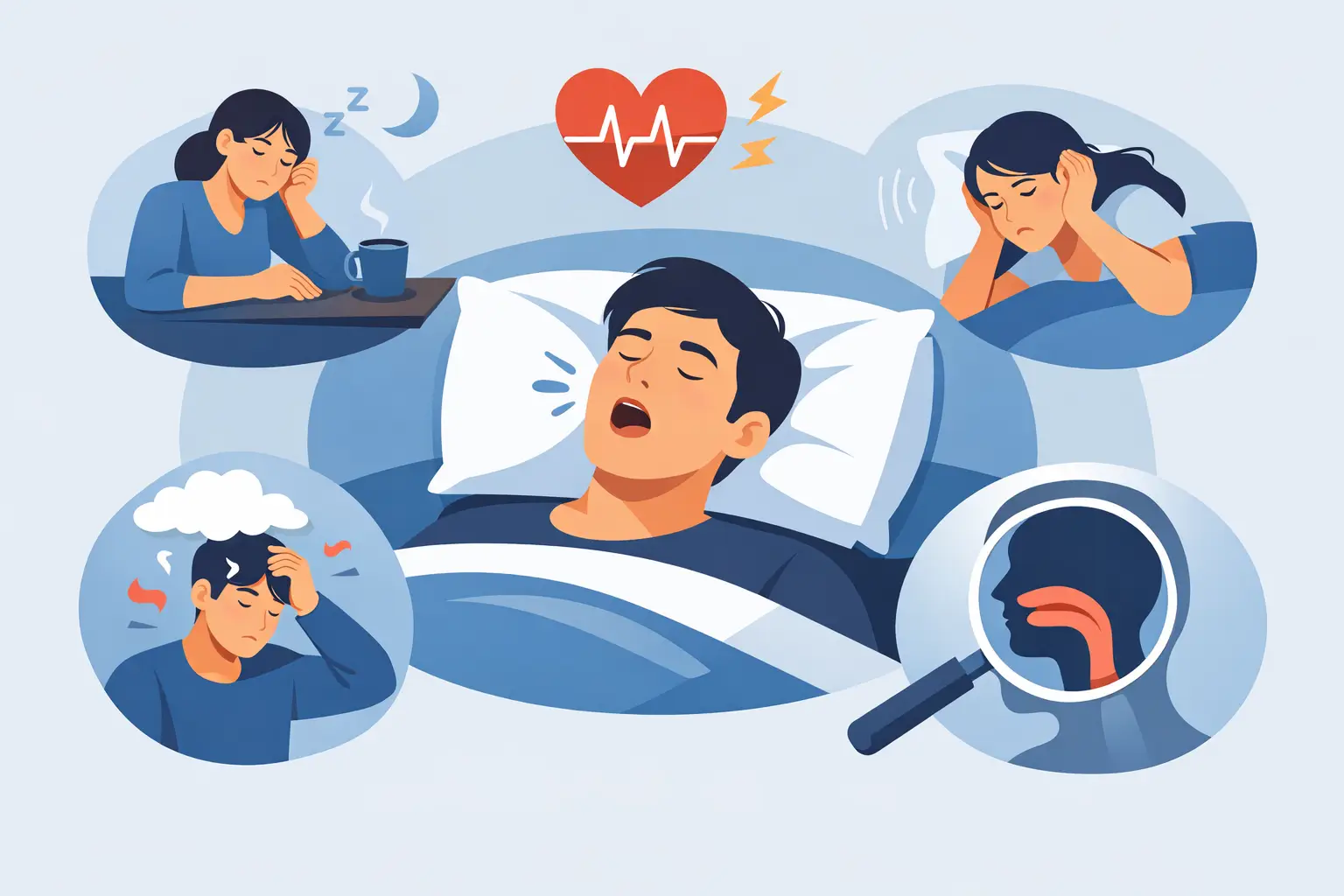
Loud snoring can be more than a relationship problem. Speak to a GP if you or your partner notice breathing pauses, choking or gasping during sleep, severe daytime sleepiness, morning headaches, difficulty concentrating, or high blood pressure alongside regular snoring. These can be signs of obstructive sleep apnoea, which needs proper assessment.
This is not a reason to panic, and it does not mean every loud snorer has sleep apnoea. It is simply the sensible dividing line between trying a comfort-focused product and seeking clinical guidance. A responsible anti-snoring brand should be clear about it.
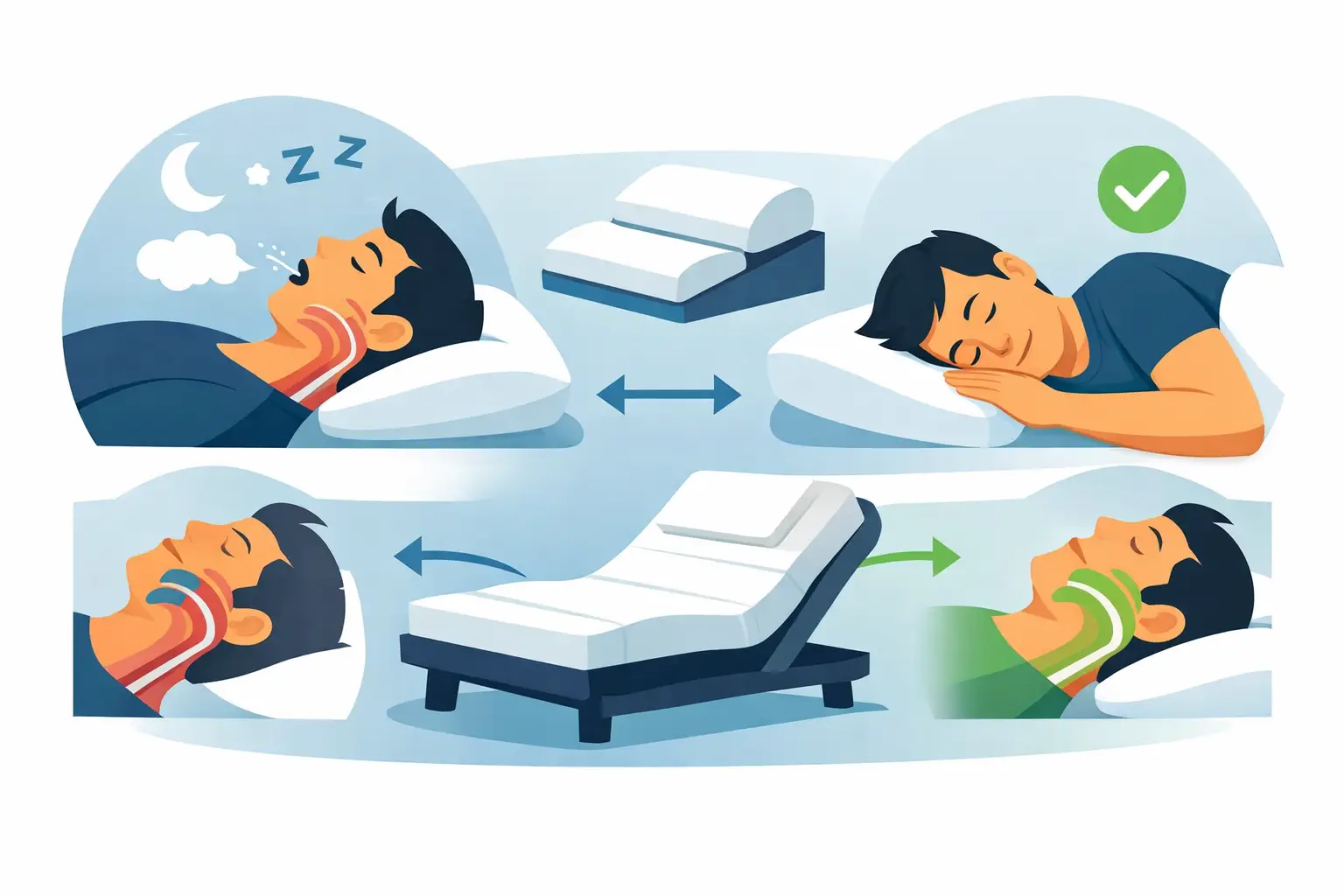
It is also worth considering the basics alongside any ring. Sleeping on your side, treating persistent nasal blockage, keeping alcohol away from bedtime and maintaining a healthy weight can all reduce simple snoring for some people. The ring is best viewed as a practical part of the plan, not a permission slip to overlook the factors making snoring worse.
How to tell a genuine ring from a cheap copy
The market is crowded with lookalikes, and that is where shoppers can waste money. A low-cost ring may look similar in a product photograph, but the details affect whether it is safe, comfortable and worth trying.
First, look for a clear explanation of how the product is intended to work and who it is for. Vague claims that promise to stop every kind of snoring overnight are a warning sign. Next, check whether the company provides proper sizing guidance, product materials and realistic instructions for use. Finally, look for evidence behind the product, not just anonymous reviews or before-and-after claims that cannot be checked.
Trial history and regulatory information are useful trust signals when presented clearly, but they should not be confused with a guarantee that every customer will get the same outcome. The most reassuring protection is a transparent trial period with a full refund available if the ring is not right for you. That lets you judge it where it matters: in your own bed, with your own snoring pattern.
The Good Night Anti-Snoring Ring is positioned as the original clinically trialled stop snoring ring, with a 30-day money-back guarantee for customers who do not see the result they hoped for. That is the standard worth looking for – a company prepared to stand behind a simple product without pretending it will work for absolutely everyone.
Is an acupressure ring worth trying?
For simple snoring, it can be a sensible, low-hassle option. Its biggest strength is that it offers a non-invasive alternative to mouthpieces and medication, while being discreet enough for nightly use. That does not make it the answer to every snore, but it can be a valuable choice for couples who want to try something comfortable before moving on to more intrusive solutions.
The key is to buy with your eyes open. Choose a credible ring, follow the fitting guidance, use it consistently for a reasonable trial and involve your partner in judging the difference. If there are signs of disrupted breathing, seek medical advice rather than relying on any over-the-counter product.
A quieter night is not a small thing. It can mean less resentment, more rest and the relief of waking up beside someone who has slept well too.