Blog
Single Post

Snoring Ring vs Nasal Strips: Which Works?
You do not need another anti-snoring gadget that ends up in the bedside drawer after three nights. When people compare a snoring ring vs nasal strips, what they usually want is simple: something comfortable, easy to use, and effective enough to stop the nightly nudging, elbowing, and broken sleep.
The truth is that these two options work in very different ways. One aims to support the nasal airway from the outside. The other is worn on the little finger and uses gentle acupressure while you sleep. That difference matters, because the best choice often depends on why you snore in the first place.
Snoring ring vs nasal strips: the key difference
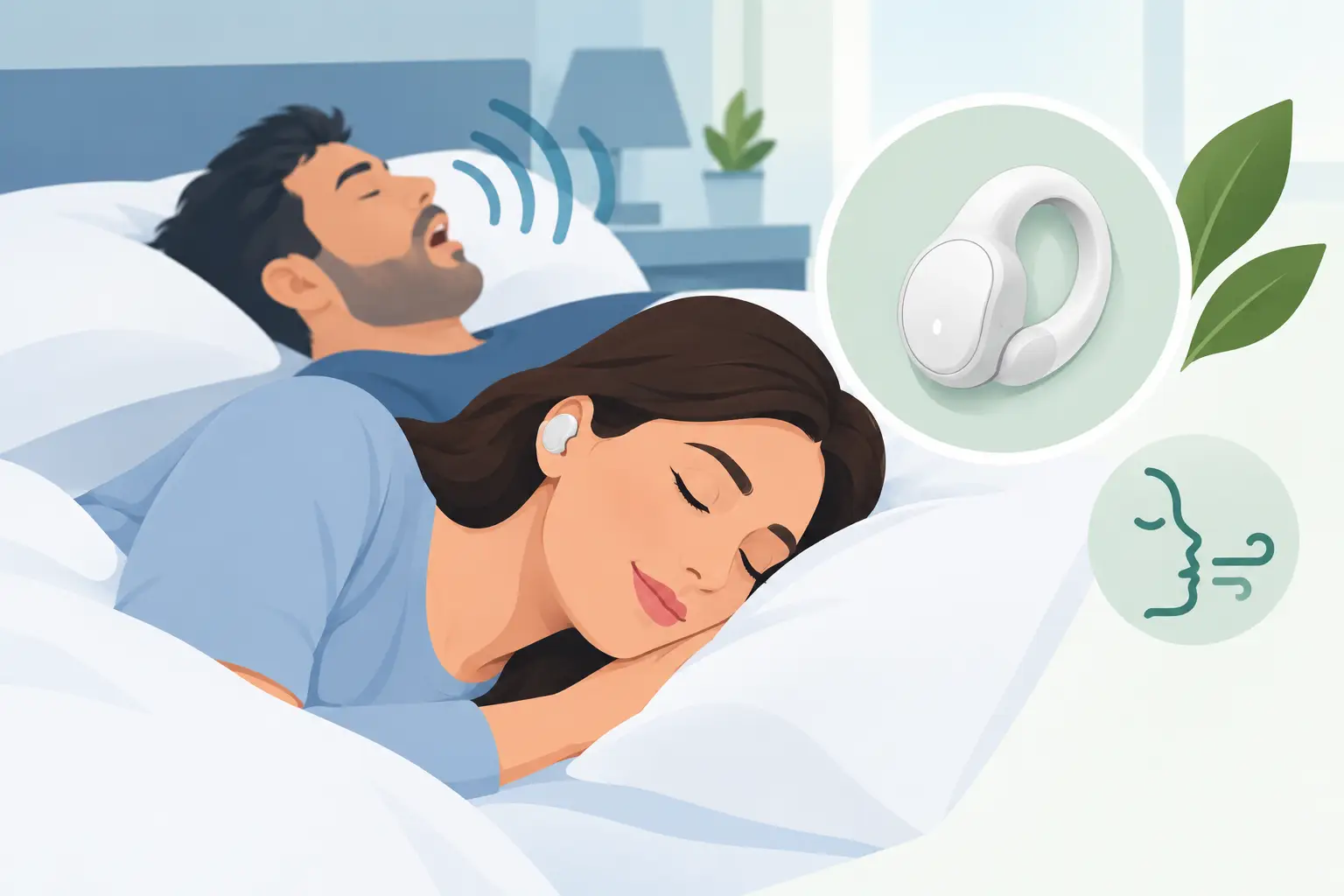
Nasal strips are adhesive strips placed across the bridge of the nose. They are designed to lift and open the nasal passages slightly, which can help if your snoring is linked to congestion, narrow nostrils, hay fever, or a blocked nose at night. If the airflow problem starts in the nose, they can be a sensible place to start.
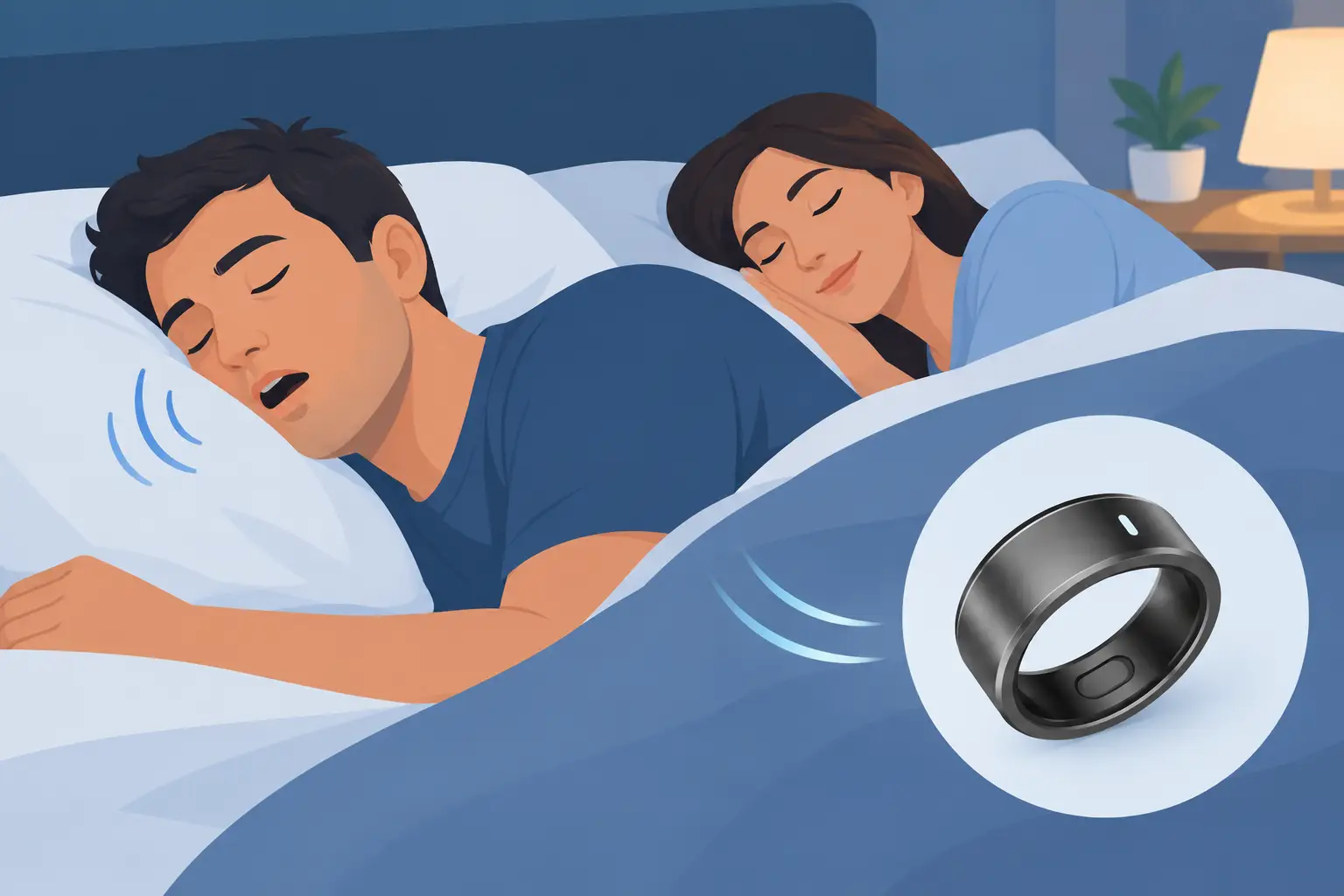
A snoring ring works differently. Rather than acting on the nose, it is worn on the little finger and applies pressure to specific points associated with snoring relief. The appeal is obvious. There is nothing stuck to your face, nothing bulky in your mouth, and nothing noisy or mechanical beside the bed. For many people, that simplicity is the point.
When nasal strips are the better fit
Nasal strips tend to make most sense when your snoring clearly gets worse with nasal blockage. That might be during a cold, allergy season, or after a day when your nose simply feels stuffy. If your partner says your snoring is noticeably worse when you cannot breathe freely through your nose, strips may help reduce some of that resistance.
They can also suit people who want a very low-cost, easy-to-find option. You apply one, sleep in it, then remove it in the morning. There is very little learning curve.
But there are trade-offs. If your snoring does not come from the nose, nasal strips may do very little. They can also lose grip overnight, especially if your skin is oily or you move around a lot in bed. Some people dislike the sticky feel, while others find repeated use irritating on the skin around the nose. If you have ever peeled one off in the morning and thought, this is more bother than benefit, you are not alone.
When a snoring ring may make more sense
A snoring ring is usually more appealing to people who want a natural, non-invasive option that becomes part of a simple bedtime routine. You slip it on before sleep and remove it in the morning. No adhesive, no mouthpiece, no batteries, no medication.
That matters for couples in particular. If one partner is desperate for quieter nights, but the snorer refuses anything that feels clinical, awkward, or obvious, a ring is often easier to accept. It is discreet. It is light. It does not announce itself as a major intervention.
This is also where product quality matters. The market now has plenty of copycat rings, and they are not all equal. If you are considering this route, legitimacy counts. The original stop snoring ring from Good Night Health is positioned very clearly for that reason – clinically trialled, FDA cleared in the US, and backed by a 30-day money-back guarantee. That sort of proof matters when you have already spent money on things that promised a lot and delivered very little.
Comfort matters more than most people think
People often focus only on whether a product can reduce snoring. Fair enough. But if it is uncomfortable, they stop using it. And a remedy that sits unused is no remedy at all.
Nasal strips are light, but they do sit on a sensitive part of the face. Some people barely notice them. Others become very aware of the adhesive, especially if they have sensitive skin or use them night after night. They can also feel less practical if you use skincare products in the evening or if your nose gets irritated easily.
A ring avoids those issues, but not everyone loves wearing jewellery to bed. Some people need a night or two to get used to the sensation on the finger. Still, compared with mandibular mouthguards, chin straps, and other more intrusive anti-snoring devices, a ring is generally one of the easier options to live with.
Effectiveness depends on the cause of your snoring
This is the part many brands gloss over. Not all snoring is the same, so no single solution works for everyone.
If your snoring is mainly driven by nasal obstruction, nasal strips may help more than a ring. If your snoring is not strongly linked to the nose, strips may be too limited. They cannot do much for snoring that comes from throat tissue vibration, sleeping position, alcohol before bed, or other factors further down the airway.
A snoring ring offers a broader type of appeal because it is not trying to mechanically open just one narrow area. That said, an honest brand should say this plainly: even a clinically trialled ring does not work for everyone. Snoring can have multiple causes, and some cases need medical assessment rather than another retail product.
That honesty is important, not a weakness. A trustworthy anti-snoring product should promise a fair chance of relief, not miracles. A guarantee helps because it lowers the risk of trying something new without pretending it will suit every single sleeper.
What about convenience and long-term value?
Nasal strips are often cheap to start with, but they are disposable. Use them every night and the ongoing cost adds up. You also need to keep buying more, remember to replace them, and hope they stay put overnight.
A ring is a reusable product, so the value calculation is different. The upfront cost is usually higher than a packet of strips, but there is no nightly adhesive to throw away and replace. For people who want a consistent, low-fuss routine, that can make the ring feel like the more practical long-term choice.
There is also the matter of discretion. Nasal strips are visible. That may not bother you, but some people dislike looking or feeling as if they are wearing a treatment on their face. A ring is more subtle, especially for travel, shared bedrooms, or anyone who prefers a less medical-looking solution.
Snoring ring vs nasal strips for couples
Partners are often the real decision-makers in this category, even if they are not the ones doing the snoring. They are the ones lying awake, moving to the spare room, or dreading another broken night.
From that point of view, the best option is usually the one the snorer will actually keep using. Nasal strips can be helpful, but if they fall off, irritate the skin, or get abandoned after a week, the initial promise does not matter much. A ring can be easier to stick with because it asks so little of the user.
That does not mean everyone should skip strips and go straight to a ring. If the snoring is obviously nose-related, strips are a reasonable test. But if you have already tried them and the results were patchy, temporary, or disappointing, it makes sense to consider an option built around comfort, simplicity, and regular nightly use.
So which should you choose?
If your snoring is occasional and clearly tied to a blocked nose, nasal strips may be enough. They are simple, familiar, and can help in the right circumstances.
If your snoring is more regular, if you want a natural non-invasive option, or if you are tired of disposable fixes that only help some of the time, a snoring ring is often the stronger choice. It is especially appealing for people who want to avoid bulky mouthpieces and who value a product backed by clinical trial claims and a full refund guarantee.
The better question is not which product is trendier. It is which one fits your actual nights, your actual habits, and the real reason you snore. The right anti-snoring solution should feel easy to wear, credible enough to trust, and simple enough that you will still be using it next week.