Blog
Single Post
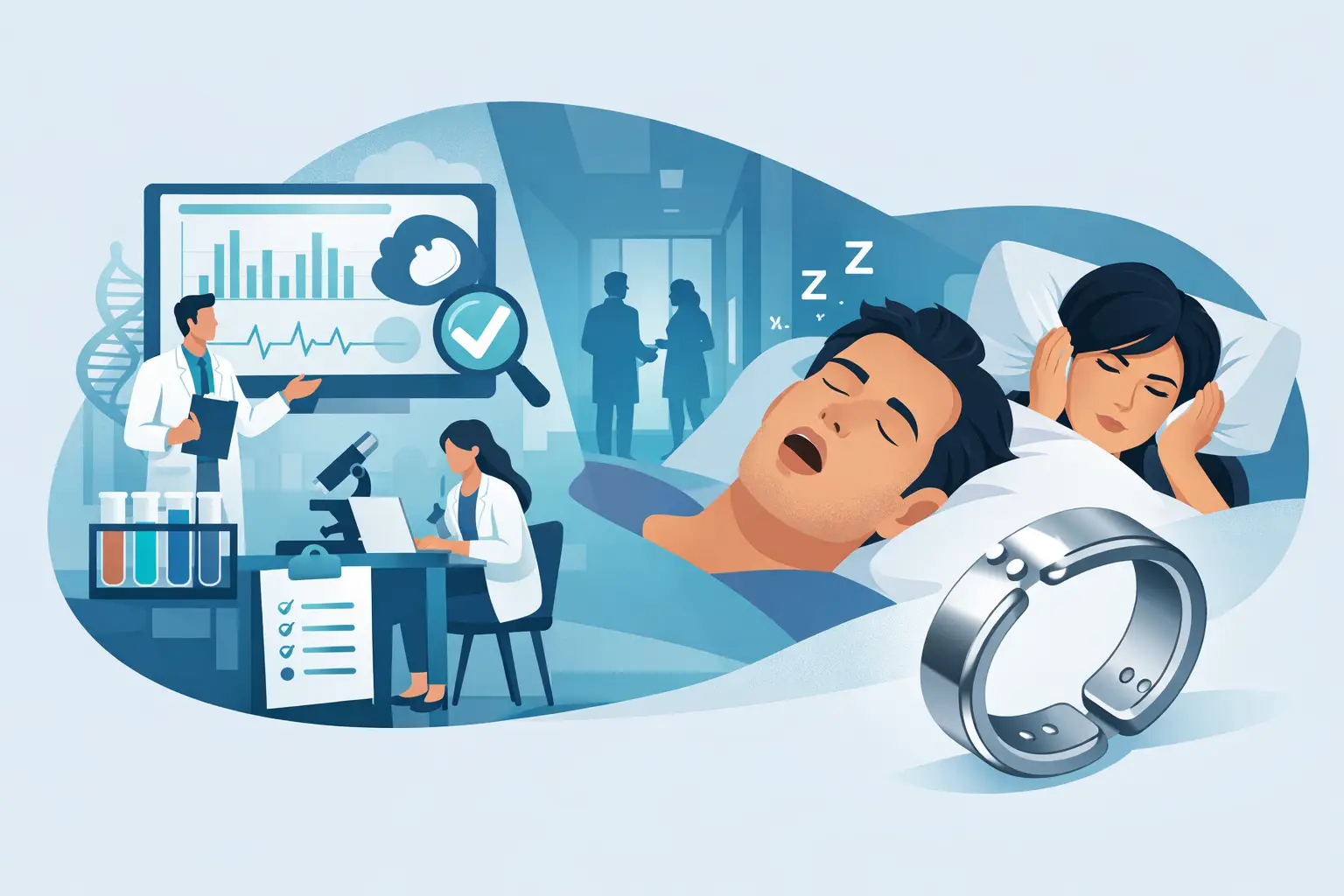
Evidence Clinical Trial for Snoring Rings
If you have reached the point where snoring is affecting your sleep, your partner’s patience, and the mood in your bedroom, you are probably no longer interested in gimmicks. You want proof. That is where an evidence clinical trial matters. Not because the phrase sounds impressive, but because it helps separate a credible anti-snoring product from the many copycat fixes that promise everything and prove very little.
For most people, the real question is not whether a product has marketing behind it. It is whether there is meaningful evidence that it can reduce simple snoring in actual users, under real conditions, without making bedtime more uncomfortable than the snoring itself.
What an evidence clinical trial should tell you
A proper evidence clinical trial is there to answer a basic consumer question: does this product work well enough, for enough people, to justify trying it? In the case of a snoring ring, that means looking beyond glossy claims and asking how the product was tested, who used it, and what changed.
Clinical evidence is not magic. It does not mean a product will work for every single person. Honest brands should say that clearly. Snoring has different causes. Some people snore because of simple airway vibration linked to sleeping position or mild soft tissue relaxation. Others may have nasal blockage, weight-related factors, alcohol-related snoring, or a more serious sleep issue that needs medical attention. A ring designed to support relief from simple snoring is not claiming to solve every sleep-related breathing problem.
That is exactly why trial evidence matters. It helps set realistic expectations. It tells you whether the product has been tested for the problem it is actually meant to address, rather than being presented as a cure-all.
Evidence clinical trial claims and what to check
When you see the phrase evidence clinical trial on a product page or advert, it is worth slowing down for a moment. Not all evidence is equal, and not all trial language is as solid as it sounds.
First, check whether the claim refers to the actual product being sold, not a vaguely similar item. In the snoring category, this matters a lot. The market is crowded with low-cost lookalikes that borrow the language of better-established products without offering the same proof, manufacturing standards, or accountability.
Second, look at whether the trial appears relevant to your problem. Was the product tested on adult snorers? Was it aimed at simple snoring rather than diagnosed obstructive sleep apnoea? Those details matter because a trial only means something if the people in it resemble the people likely to buy the product.
Third, ask what result was measured. Did snoring reduce in frequency, volume, or both? Was the outcome based only on self-reporting, or did partners also report improvement? A partner’s view can be especially useful in snoring products because they are often the first to notice whether there has been a meaningful change.
Finally, notice whether the brand hides behind buzzwords or speaks plainly. A trustworthy company does not need to overcomplicate things. It can say the product was clinically trialled, explain what that means, and admit where the limits are.
Why trial-backed snoring products matter more than clever design
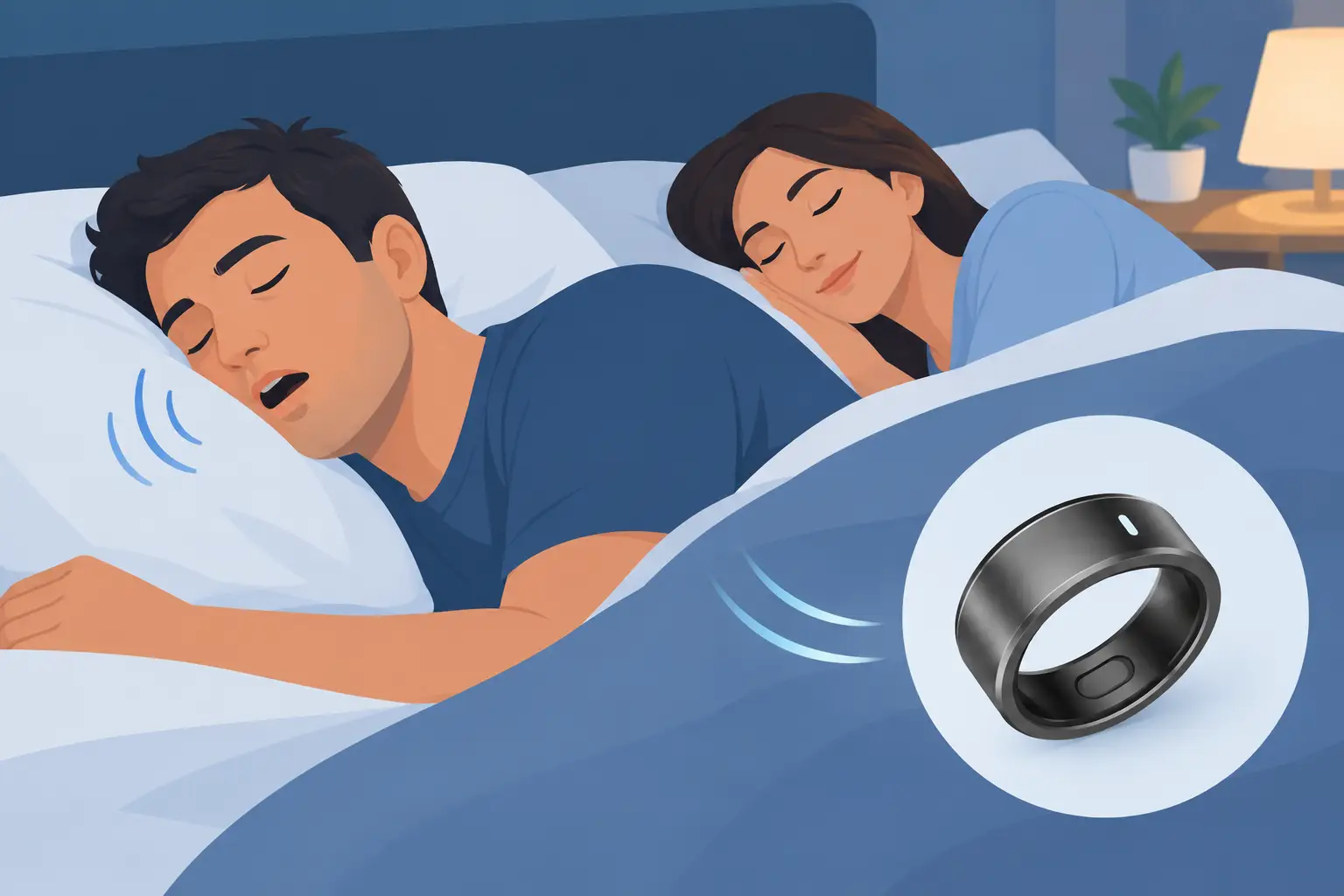
A ring has one obvious advantage over many traditional anti-snoring devices: it is simple. No straps, no bulky mouthpiece, no noisy machine, no medication before bed. That simplicity is a major part of the appeal, especially for people who have already tried awkward alternatives and given up after a few nights.
But a simple design on its own is not enough. Plenty of products are easy to wear and still do very little. The difference is whether there is a reason to believe the design has been tested and shown to help some users. That is where clinically trialled products stand apart.
For a sleep-conscious buyer, comfort and evidence need to go together. A device can be brilliantly engineered, but if it sits in a drawer after two nights, it has failed. Equally, a comfortable product with no credible backing can become just another wasted purchase. The strongest anti-snoring products balance both.
What trial evidence can and cannot promise
This is the part many brands avoid, but it is the part buyers usually appreciate most. Clinical trial evidence can support confidence. It cannot guarantee a personal outcome.
If your snoring is simple and positional, or linked to the kind of soft tissue vibration many adults experience during sleep, a non-invasive ring may be a sensible option to try. If your snoring comes with gasping, choking, excessive daytime tiredness, or long pauses in breathing, that is a different picture and should be checked properly.
There is also the question of consistency. Some people use an anti-snoring product for one night and expect a dramatic transformation. Real use is often more practical than that. You may need a short adjustment period. Your partner may notice the improvement before you do. And if there is no worthwhile difference after a fair trial, a credible brand should not pretend otherwise.
That honesty is not a weakness. It is often one of the clearest signs that the company respects the customer.
Why sceptical buyers should pay attention to the details
If you have bought anti-snoring products before, you may already be wary of grand promises. That caution is sensible. Snoring products are easy to market because they target a real frustration, but that does not mean every product deserves your trust.
The most useful evidence sits alongside other trust signals. A clinically trialled product should also be clear about what it is, how it is worn, what sort of snoring it is intended for, and what happens if it does not work for you. That last point matters more than many people realise. A refund policy does not replace evidence, but it shows the brand is willing to stand behind its claims in a practical way.
This is one reason the original stop snoring ring has stood out for many buyers. It offers a non-invasive acupressure-based approach, and the selling point is not just comfort. It is comfort combined with proof-led positioning, straightforward claims, and a low-risk way to try it.
How to judge whether a snoring ring is worth trying
You do not need a medical degree to make a smart decision. Start with three plain questions. Is the product designed for simple snoring? Is there evidence that the actual product has been clinically trialled? And is the company honest about the fact that results vary?
If the answer to those questions is yes, you are already looking at a stronger option than most of the market. If the product is discreet, comfortable, drug-free, and backed by a guarantee, that makes the decision easier for many couples. It means you can try a practical solution without committing to something intrusive or expensive.
For partners especially, this matters. Snoring is rarely a solo issue. It affects both people in the room. The best anti-snoring solutions are not only about reducing noise. They are about making bedtime feel normal again, without adding a complicated routine or another source of irritation.
The real value of evidence clinical trial support
The phrase evidence clinical trial should not be there to impress you. It should help you buy with clearer expectations. In a category full of cheap imitations and inflated claims, proper trial support gives you a more reliable basis for choice.
It says this product has been tested. It suggests the claim is tied to something more than wishful thinking. And when that evidence is paired with a comfortable design and a refund-backed offer, it gives you something even more useful than hype – a fair reason to try.
If snoring has turned nights into a negotiation, the best next step is not the most dramatic one. It is the one supported by evidence, simple enough to use, and honest enough to earn your trust.