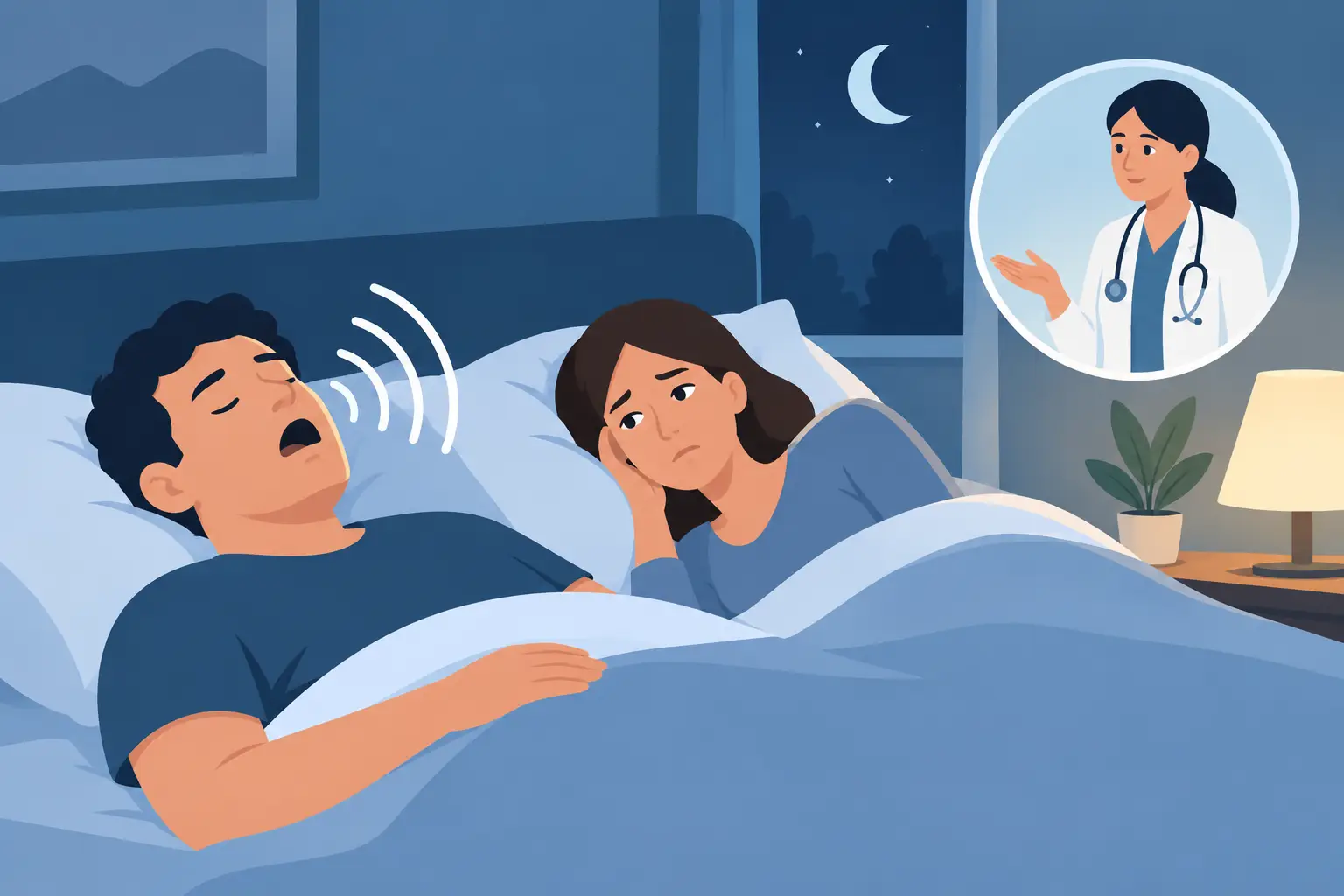
Your partner may have already suggested sleeping on your side. It is sensible advice for many people, but it does not always stop the noise. If you are looking for a snoring ring for side sleepers, the real question is whether a small finger-worn device can help without making a comfortable sleeping position less comfortable.
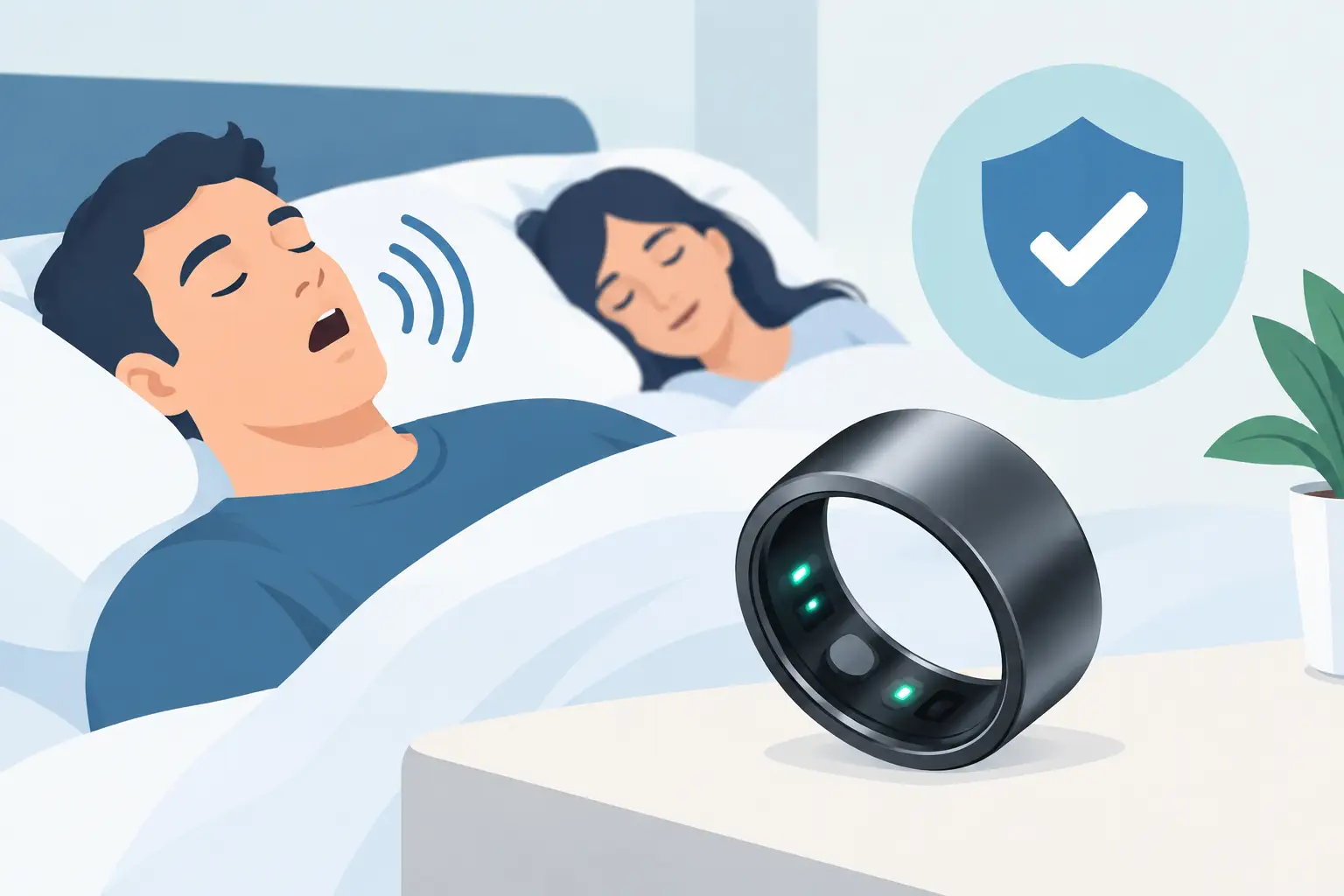
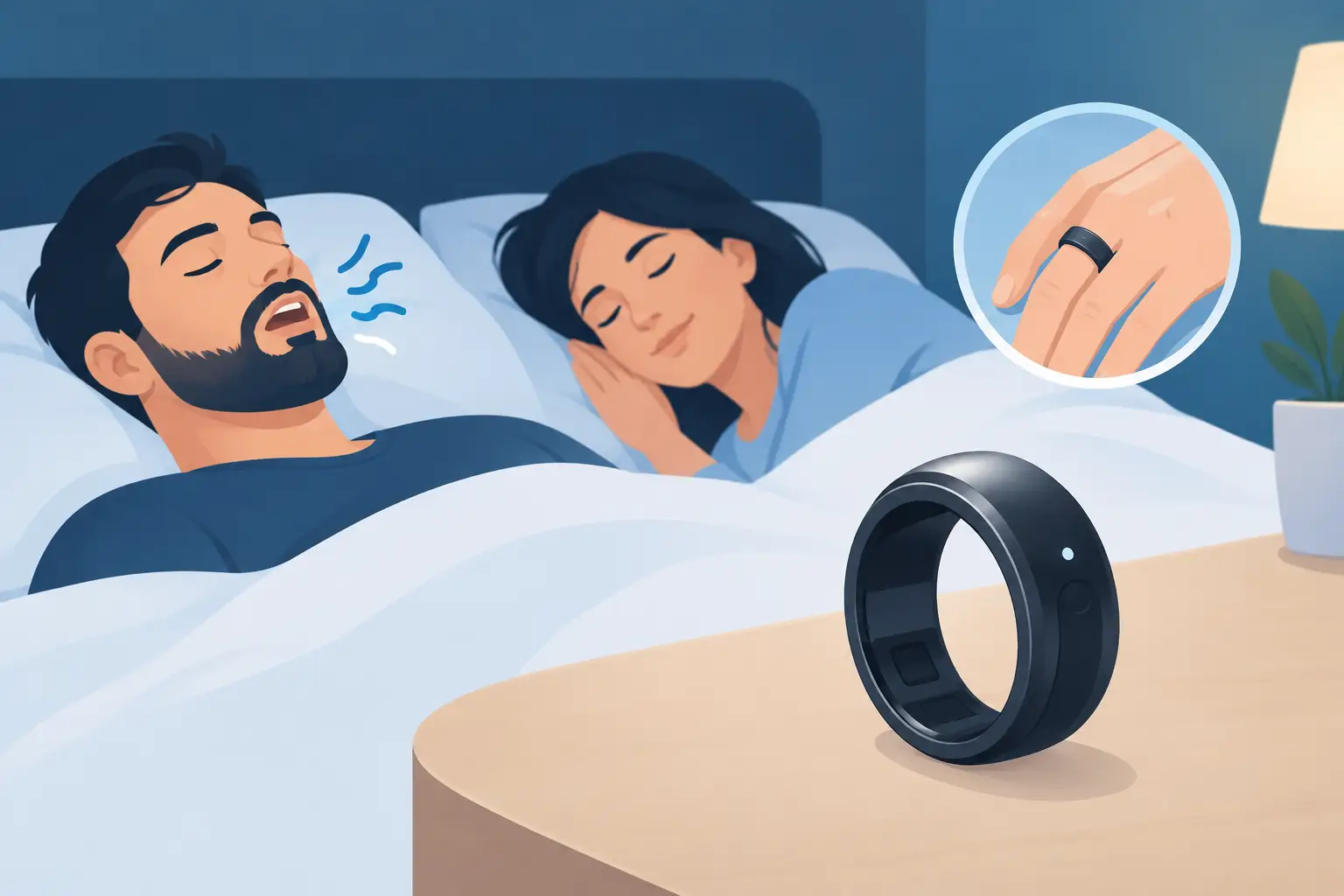
For people who dislike mouthguards, nasal strips and anything that changes the way they sleep, an acupressure ring can be a practical option. It sits on the little finger, not on your face or in your mouth, so side sleeping should feel exactly as it normally does. Still, it is designed for simple snoring, not every possible cause of noisy nights.
Does a snoring ring work for side sleepers?
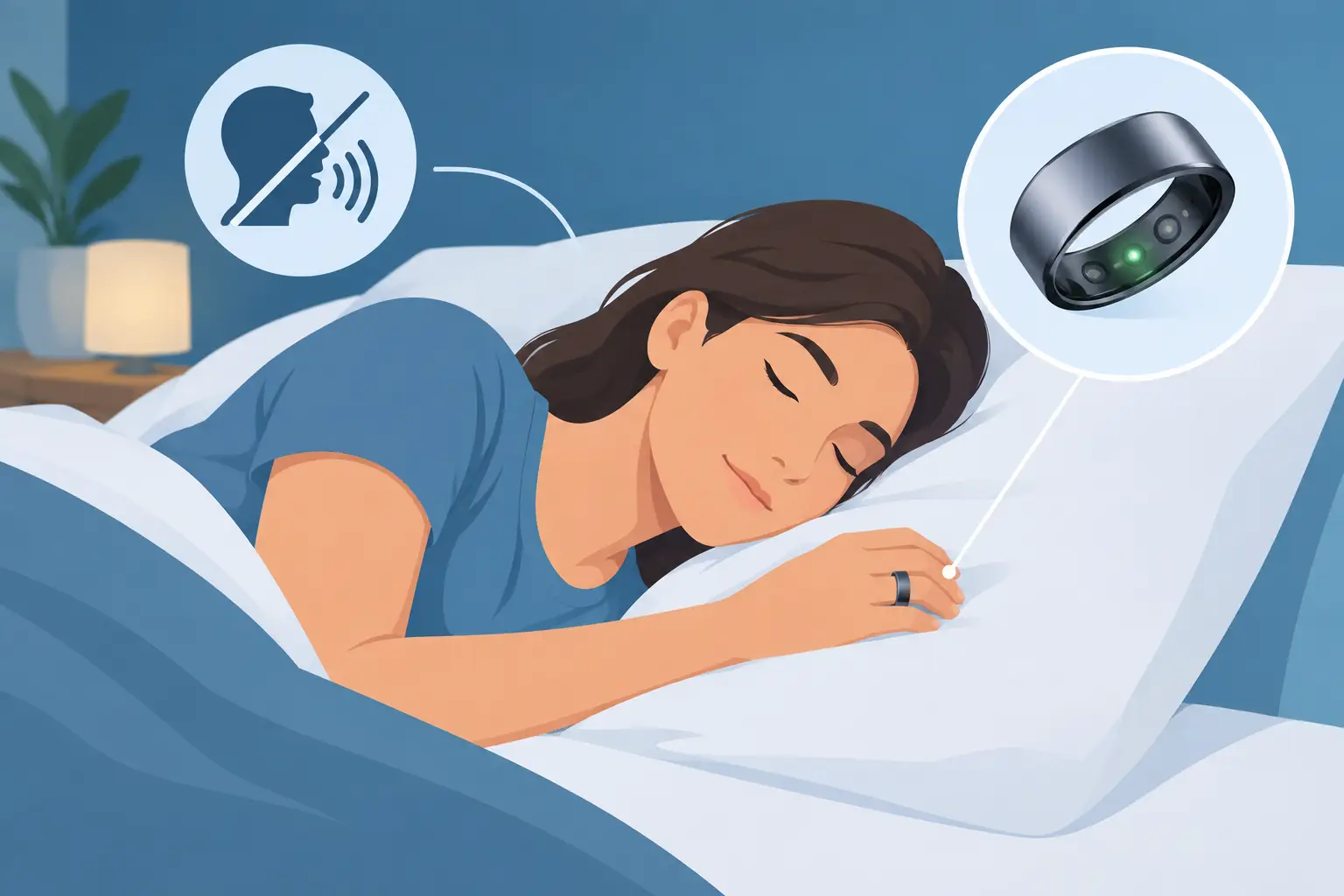
A snoring ring is particularly suited to side sleepers because it does not rely on keeping you in a certain position. Unlike a positional device worn around the chest or back, it is not there to prevent you rolling over. It applies gentle, consistent pressure to specific acupressure points on the little finger while you sleep.
The aim is to reduce or stop simple snoring naturally. There is no medication, no battery, no mask and no bulky appliance to press into the pillow. For a side sleeper, that simplicity matters. You can settle into your usual position, turn over during the night and get on with sleeping.
The original clinically trialled stop snoring ring is intended to be worn every night as part of a straightforward bedtime routine. Good Night Health designed its Anti-Snoring Ring as a discreet alternative for people who want to address snoring without introducing another uncomfortable piece of sleep equipment.
Results vary because snoring varies. Some people notice a meaningful reduction in the volume or frequency of their snoring; others find it is not the right answer for them. An honest anti-snoring solution should say so. A ring is not a cure-all, but it can be a sensible low-interference choice when simple snoring is the issue.
Why side sleeping helps, but may not be enough
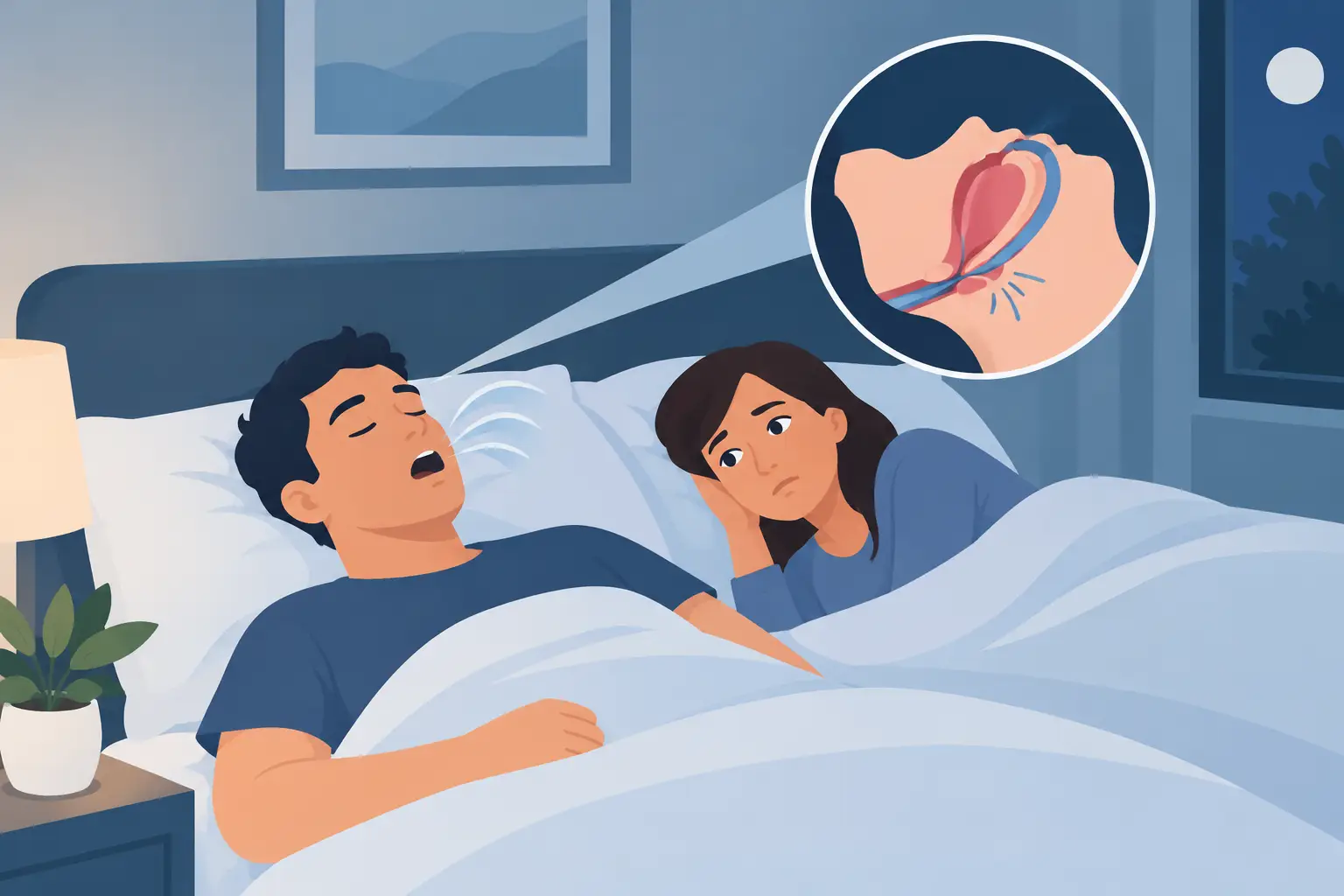
Snoring often happens when relaxed tissues in the upper airway vibrate as air passes through. Sleeping on your back can make this more likely because gravity may allow the tongue and soft tissues to fall backwards. Moving onto your side can improve airflow for some people, which is why it is often the first change couples try.
But side sleeping is not a guaranteed fix. Nasal congestion, alcohol in the evening, tiredness, weight changes, smoking and the natural shape of your airway can all contribute. You may also begin the night on your side yet roll onto your back without realising it. Even people who remain on their side can still snore.
That is where a snoring ring for side sleepers may fit into the picture. It does not ask you to abandon a sleeping position that already feels natural. Instead, it offers a separate, non-invasive approach that can work alongside good sleep habits.
If you know that late drinks make your snoring worse, cutting back can help. If blocked sinuses are a regular problem, addressing them may make a difference too. The ring is not a substitute for looking at those triggers, but it avoids the false choice between doing nothing and wearing an awkward device at night.
Comfort matters more than clever-looking gadgets
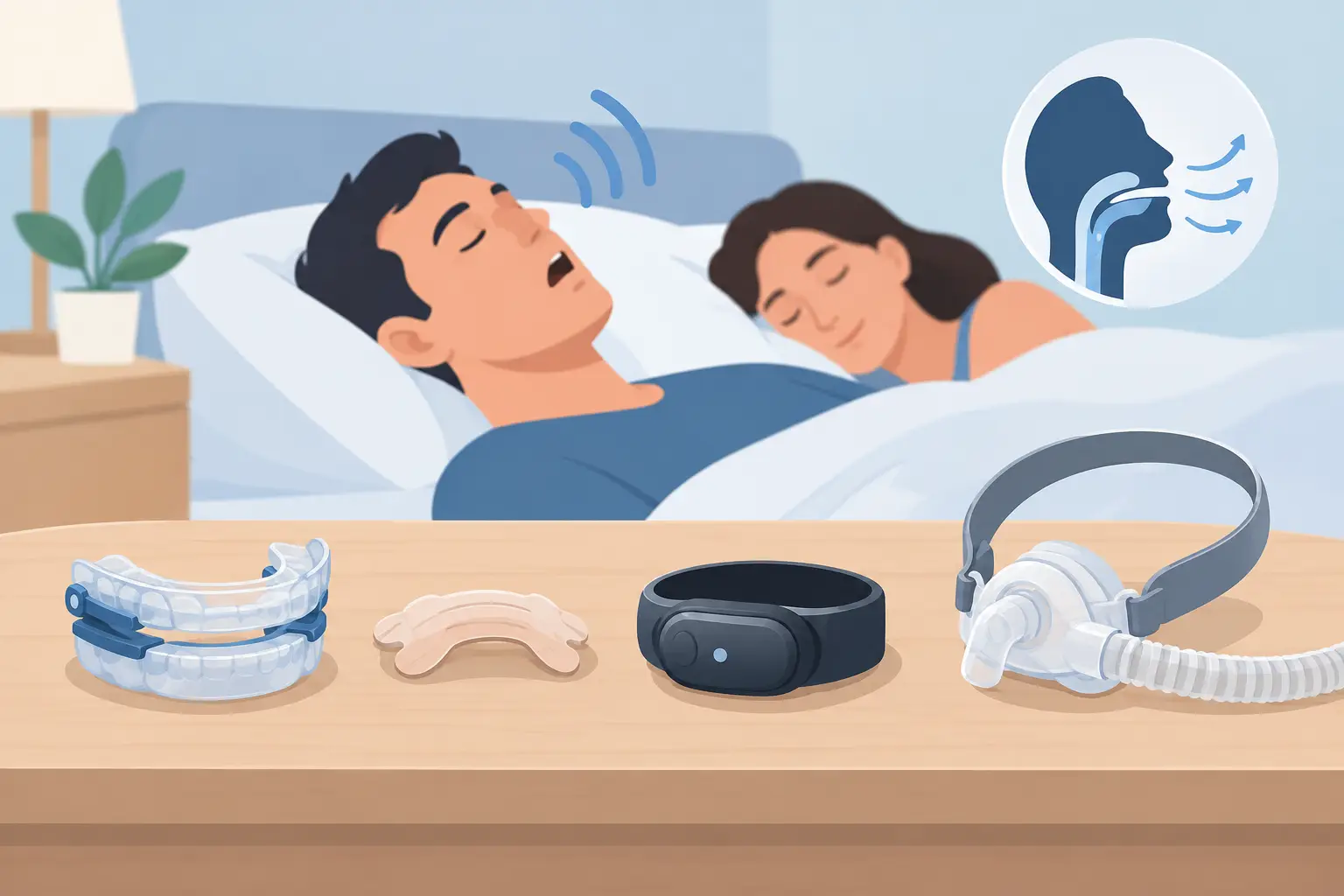
Many anti-snoring products fail for a simple reason: people stop using them. A mouthpiece may feel too restrictive. A chin strap may be hot or leave marks. Devices designed to force a side-sleeping position can be frustrating for someone who moves naturally through the night.
A finger ring has a different trade-off. It is far less intrusive, but correct sizing and placement matter. The pressure points need to be positioned properly on the little finger, and the ring should feel secure rather than painfully tight. You should be aware of it when you first put it on, but it should not distract you from sleep.
Give yourself a short adjustment period. Wear the ring as directed each night rather than judging it from one unsettled evening, especially after a heavy meal, alcohol or a particularly stressful day. Those factors can affect snoring enough to make any solution seem inconsistent.
Be wary of cheap imitations that make broad promises without clear information on design, testing or support. A snoring ring is a small product, but it is still something you wear for hours at a time. Material quality, fit and a genuine refund policy are practical protections, not minor details.
How to use a snoring ring comfortably in bed
Start by checking that you have the correct size. A ring that is too loose may shift away from the intended points; one that is too tight can be uncomfortable and leave excessive marks. Follow the fitting guidance supplied with your ring and remove it if you experience pain, numbness or persistent irritation.
Put it on as part of your normal bedtime routine, after washing and drying your hands. If your fingers swell noticeably overnight or in warm weather, pay close attention to fit. Comfort should never be something you simply endure in the hope of a quieter night.
Your side-sleeping set-up is worth considering too. A pillow that keeps your neck in a neutral position can feel better than one that pushes your head too far upwards or lets it drop. The goal is not to create a perfect, rigid posture. It is to give yourself the best chance of comfortable, easy breathing while the ring does its job.
For couples, it helps to agree on what progress looks like. A partner may notice fewer loud episodes, less frequent nudging or longer uninterrupted stretches of sleep before the snorer sees any change themselves. Keeping the conversation practical rather than critical can remove a great deal of bedtime tension.
When snoring needs medical advice
Simple snoring is common, but loud snoring can sometimes be linked with obstructive sleep apnoea or another health concern. A snoring ring should not be used to dismiss symptoms that need proper assessment.
Speak to a GP if snoring comes with any of the following:
- pauses in breathing, choking or gasping during sleep;
- severe daytime sleepiness, morning headaches or difficulty concentrating;
- high blood pressure or a known heart condition; or
- snoring that is getting worse quickly or affecting your breathing when awake.
This is not about causing alarm. It is about choosing the right solution for the problem you actually have. A wearable acupressure ring can be an elegant option for simple snoring, while sleep apnoea requires medical guidance and may need a different form of treatment.
A quieter night without changing how you sleep
Side sleepers should not have to trade comfort for peace and quiet. If your snoring is simple, a well-fitted acupressure ring gives you a discreet option that works with your preferred position rather than fighting it. Start with realistic expectations, use it consistently and take persistent warning signs seriously. Better nights often begin with the solution you are willing to wear.