Blog
Single Post
How to Stop Partner Snoring at Night
You do not need another night of lying awake, nudging someone every twenty minutes, then feeling cross with the person you actually like. If you are searching for how to stop partner snoring, the real goal is not perfection. It is getting both of you back to sleep with the least fuss, the least discomfort, and the best chance of it actually lasting.
Snoring is common, but that does not make it harmless to a relationship or easy to live with. Broken sleep builds up quickly. People become more irritable, less patient, and often start dreading bedtime. That is why the best approach is usually practical rather than dramatic – work out what kind of snoring you are dealing with, rule out red flags, and choose a solution your partner will actually wear or use.
How to stop partner snoring starts with the cause
Not all snoring is the same. In many cases, simple snoring happens when airflow is partly obstructed during sleep, causing the soft tissues in the airway to vibrate. That can be made worse by sleeping on the back, drinking alcohol in the evening, nasal congestion, weight gain, or simply getting older as muscle tone changes.
This matters because the right fix depends on what is driving it. If your partner only snores after a few drinks or when they have a blocked nose, a nightly device may not be the whole answer. If they snore most nights in every position, that points to a more persistent issue and usually calls for a more reliable bedtime routine.
There is another reason to start with the cause. Some snoring is not just snoring. If your partner seems to stop breathing, gasps, chokes, wakes with headaches, or is unusually sleepy in the daytime, that needs medical attention. No product should be sold as a shortcut around that.
The first things worth trying at home
Before buying anything, it is sensible to look at the obvious triggers. A later dinner with alcohol, sleeping flat on the back, and a stuffy nose can all make snoring louder. Small changes can help, especially when snoring is mild.
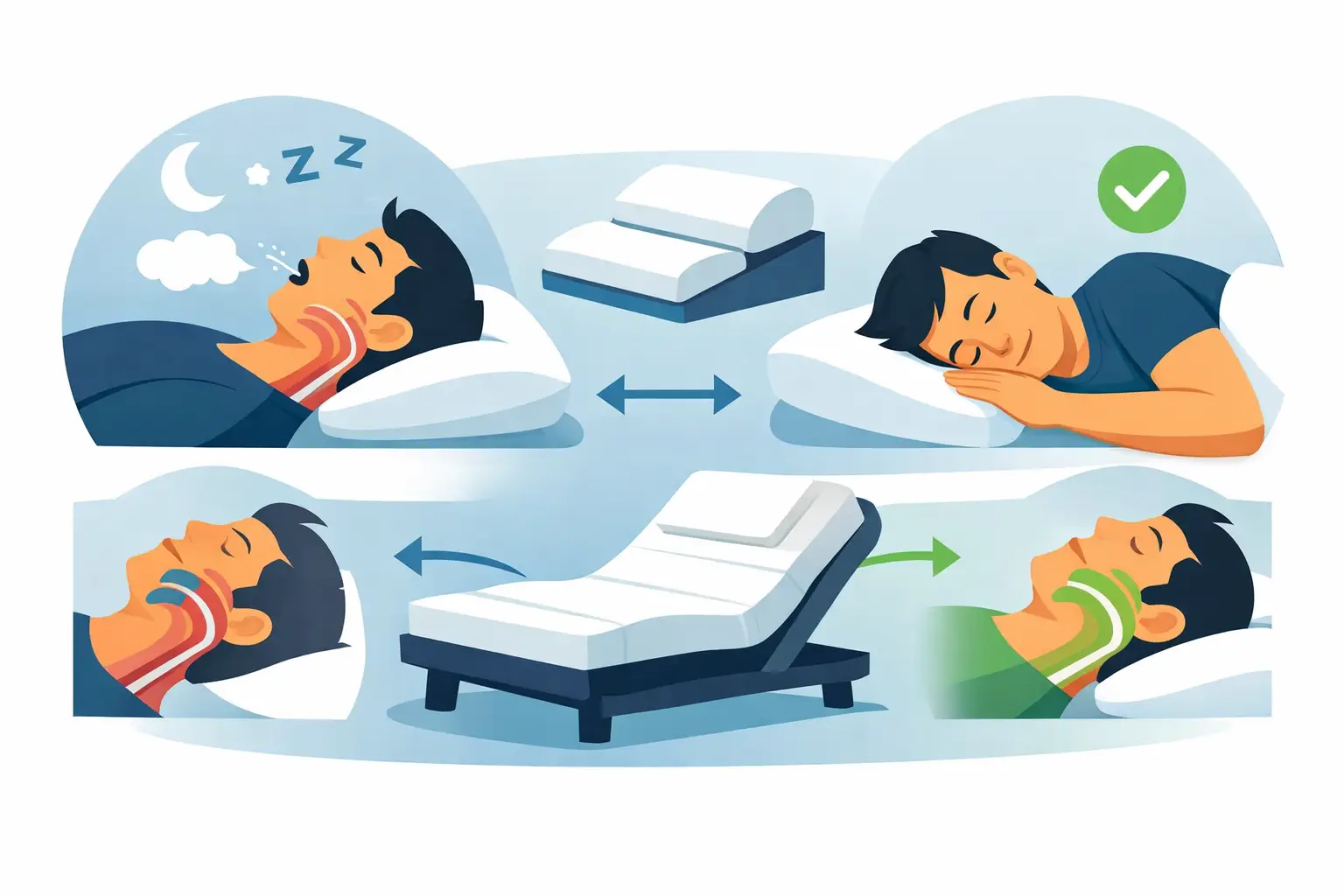
Side sleeping is often the easiest place to begin. For some people, back sleeping makes the tongue and soft palate fall backwards, narrowing the airway. Changing position can reduce the noise straight away. The catch is consistency. Many people roll back during the night without realising it, so position alone is not always enough.
If congestion is part of the problem, clearing the nose before bed may help. That could mean managing allergies, improving bedroom air quality, or using a simple bedtime routine to reduce blockage. Again, it depends. Nasal issues can contribute to snoring, but they are not the whole story for everyone.
Lifestyle changes can also make a difference, especially if snoring has become worse over time. Reducing evening alcohol, avoiding very heavy late meals, and tackling weight gain can all help. They are worth doing for general health, but they are not always fast fixes. If you are exhausted now, you may also want something that works tonight rather than in three months.
Why many anti-snoring fixes fail in real life
A lot of products sound good until bedtime arrives. Mouthguards can be effective for some people, but many find them bulky, awkward, or hard to tolerate every night. Nasal strips can help if the issue is mainly nasal, but they tend to have limited effect when the snoring is coming from deeper in the airway. Sprays and tablets often promise more than they deliver, and many people do not want a drug-based solution for a mechanical problem.
This is where comfort becomes more important than marketing. The best anti-snoring option is not the one with the longest list of claims. It is the one your partner will use consistently. A remedy that sits in the drawer after three nights is not a remedy.
A simpler option for simple snoring
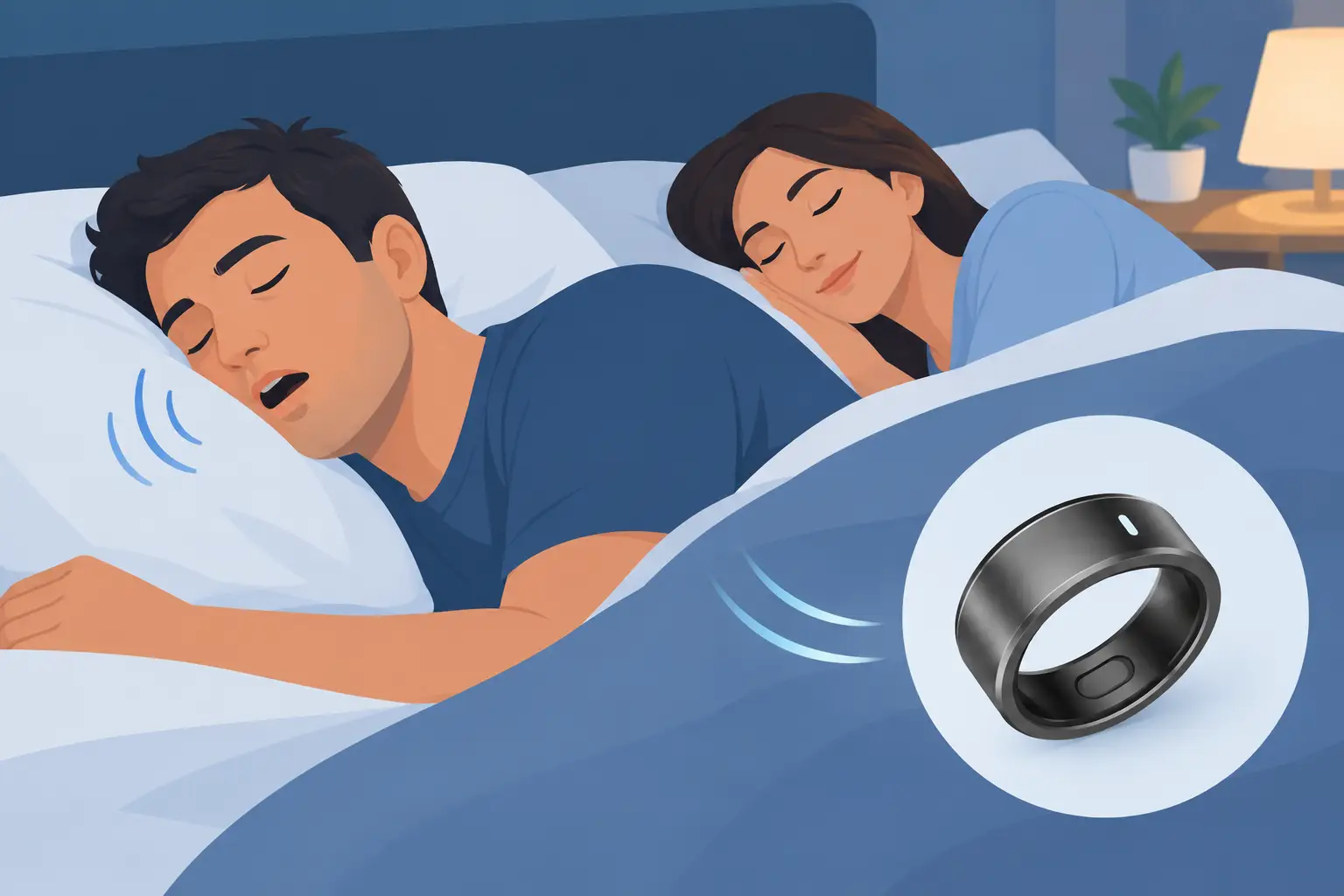
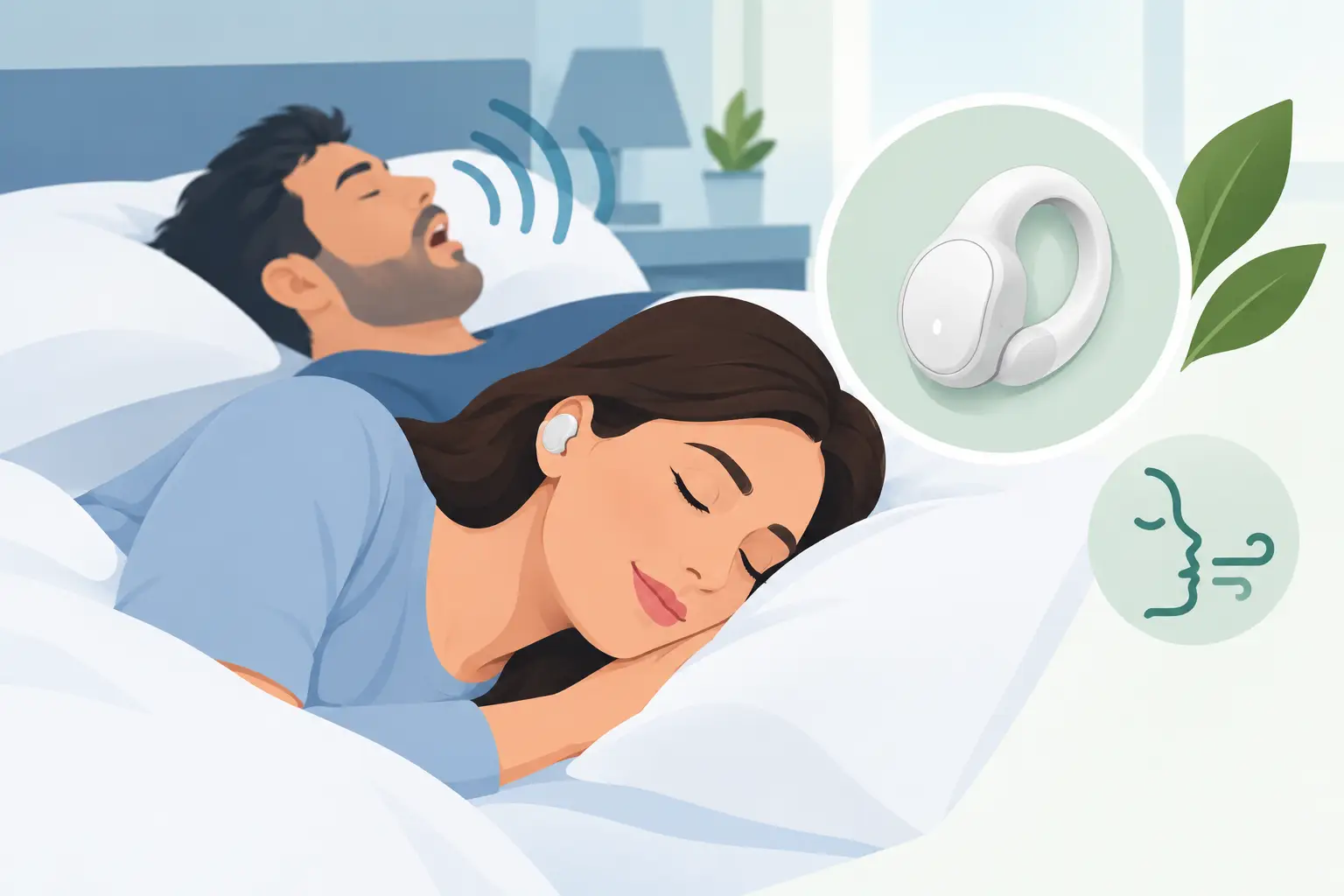
For couples who want something non-invasive, an anti-snoring ring can be a more practical place to start. The idea is straightforward: the ring is worn on the little finger overnight and applies gentle pressure to acupressure points associated with reducing simple snoring. There is no mouthpiece, no batteries, and no complicated set-up.
That simplicity is a large part of the appeal. People who have rejected bulky devices often want a discreet option that feels like part of a normal bedtime routine. A clinically trialled ring also offers a different kind of reassurance from generic copycat products that make big promises without much proof behind them.
The Good Night Anti-Snoring Ring is positioned as the original stop snoring ring, with clinical trial claims, FDA clearance in the US, and a 30-day money-back guarantee. That does not mean it works for everyone, and any honest brand should say so. But if your partner has simple snoring and wants a natural, wearable option rather than a mouthguard or medication, it is a sensible solution to consider.
How to stop partner snoring without starting nightly arguments
The way you raise the subject matters more than most people think. Nobody enjoys being told they snore, especially if they already feel embarrassed about it. If the conversation turns into blame, even a good solution can be rejected.
Keep it factual and team-focused. Talk about sleep quality, not annoyance. Try something like, we are both sleeping badly, so let us find the easiest fix. That shifts the mood from criticism to problem-solving.
It also helps to be realistic. If your partner has tried remedies before and hated them, acknowledge that. They may be more open to a discreet ring than to another bulky gadget. People often need to hear that they are not being asked to wear something uncomfortable or invasive just to keep the peace.
When a ring is likely to suit – and when it may not
An anti-snoring ring is generally best suited to adults with simple snoring who want a low-effort, non-drug option. It is especially appealing if your partner dislikes mouthpieces, wants something discreet for travel, or has already wasted money on gimmicky products.
Where it may be less suitable is if the snoring comes with warning signs of sleep apnoea, or if there is a more obvious structural issue that needs clinical assessment. It is also fair to say that no anti-snoring product should be treated like magic. Some people respond quickly, others need a little time to judge whether it is helping, and some will not get the result they want.
That is exactly why a refund policy matters. It lowers the risk and makes the decision easier for sceptical buyers who are tired of overblown claims.
What to look for before you buy anything
If you are comparing options, focus on proof, comfort, and legitimacy. A cheap imitation may look similar online, but that does not mean it has been properly trialed or manufactured to the same standard. In a market full of copycats, details matter.
Ask simple questions. Is the product designed for nightly comfort? Is there evidence behind it? Is the seller clear about who it is for and who it is not for? Is there a proper money-back guarantee if it does not help? Brands that answer those questions plainly tend to be more trustworthy than those hiding behind hype.
That consumer-protective approach is especially important when you have already spent money on remedies that did not last. The right product should feel low-risk from the start.
Building a bedtime routine that gives it the best chance
Even a good anti-snoring solution works better when it is part of a sensible routine. If your partner is trying a ring, it makes sense to combine it with habits that reduce the odds of snoring getting worse. That means watching late-night alcohol, aiming for side sleeping where possible, and keeping the bedroom comfortable for breathing.
Do not overcomplicate it. The point is to make the routine easy enough to keep. Most people are not looking for a complete sleep overhaul. They want fewer wake-ups, less resentment, and a bed that feels peaceful again.
That is also why comfort matters so much. A simple wearable that becomes second nature stands a far better chance than something that turns bedtime into a wrestling match.
If you are wondering how to stop partner snoring, start with the option your partner is most likely to stick with. Better sleep rarely comes from the loudest promise. It usually comes from the simplest solution that feels easy enough to use night after night.