Blog
Single Post
Sleep Wellness Wearable Trends Worth Watching
A wearable that leaves you checking graphs in the morning but does nothing for the noise keeping your partner awake has missed the point. The most useful sleep wellness wearable trends are shifting away from novelty and towards a simpler question: does this make bedtime more comfortable, quieter and more restorative?
For snorers and the people beside them, that change matters. Sleep technology has become crowded with watches, rings, patches, mouthpieces and apps, all promising a better night. Some offer valuable insight. Others add another screen, another subscription or another uncomfortable thing to wear when you are trying to switch off.
The stronger trend is not more technology for its own sake. It is purposeful wearables that fit naturally into a nightly routine and address a clear problem without making sleep feel clinical.
Sleep wellness wearable trends are becoming more practical
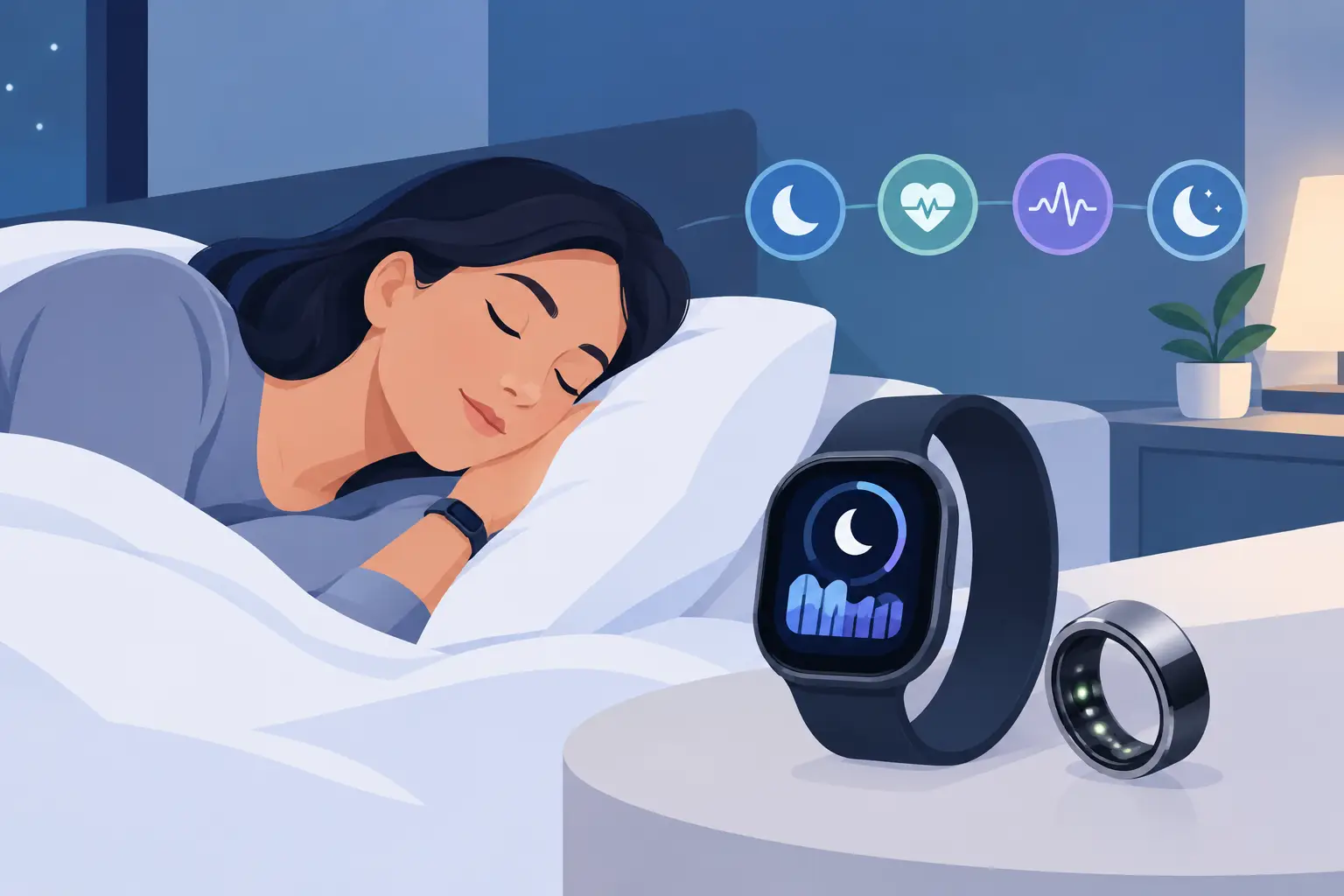
Early sleep wearables focused heavily on tracking. They counted movement, estimated sleep stages and presented a score each morning. For some people, this is genuinely useful. It can reveal patterns around late meals, alcohol, stress or inconsistent bedtimes.
But data has limits. A score cannot quieten snoring. It cannot stop a partner moving to the spare room. It cannot replace the feeling of waking up without a dry mouth, sore jaw or the frustration of having worn an awkward device all night.
That is why more consumers are looking for wearables with a specific, tangible role. Rather than trying to monitor every part of sleep, a product should help tackle the issue that is disrupting it. For snoring, that means a solution designed to be discreet, non-invasive and comfortable enough to use consistently.
Comfort is no longer a nice extra. It is the test. If a wearable feels bulky, traps heat, requires charging at the wrong moment or creates pressure where it should not, most people will abandon it within weeks. The best bedtime products earn a place through simplicity.
Less screen time, more useful action
There is also a growing fatigue with constant self-measurement. Sleep is personal, and no consumer device can perfectly diagnose what happens overnight. People are becoming more selective about what they want from a wearable: reassurance and practical support, not a fresh reason to worry about a score.
This does not mean tracking is pointless. It means tracking should serve a decision. If your device helps you spot that snoring worsens after drinking, sleeping on your back or going to bed exhausted, that information may be helpful. If it only makes you anxious about achieving a perfect number, it may be doing the opposite of what sleep wellness should do.
A well-chosen wearable should reduce friction. It should not make you feel as though you need to manage a dashboard before you can rest.
The return of discreet, non-invasive sleep aids
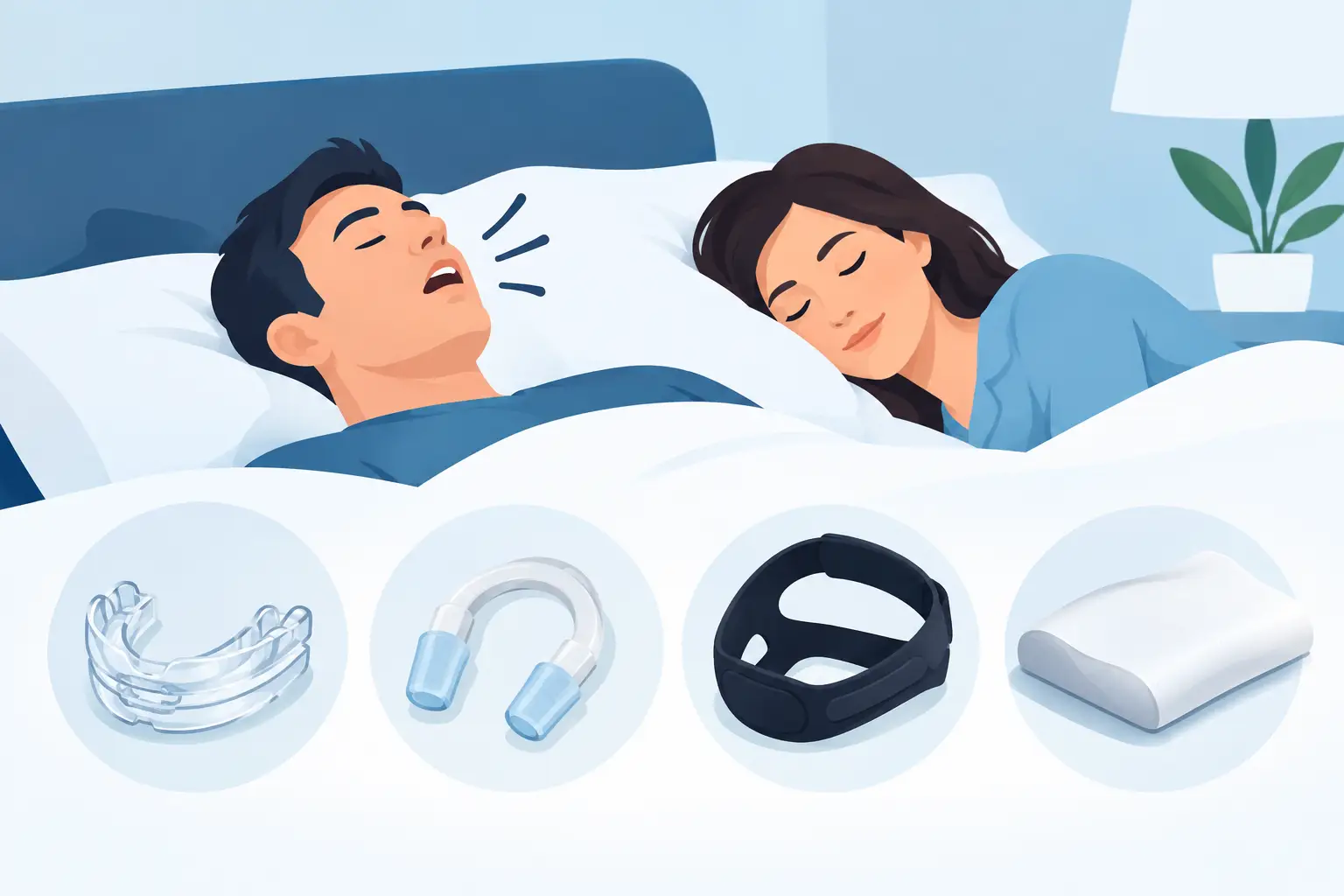
For years, many anti-snoring options have asked people to tolerate a lot. Mouthguards can feel restrictive. Nasal devices are not comfortable for everyone. Medication is not a simple answer to ordinary snoring, and anyone considering it should speak to a qualified clinician. More elaborate sleep gadgets can be expensive, noisy or difficult to travel with.
The appeal of a small wearable is obvious. It can be easy to pack, easy to put on and far less intrusive than equipment that changes how you breathe or holds your jaw in a fixed position. That is particularly important for people who have already spent money on remedies that ended up in a drawer.
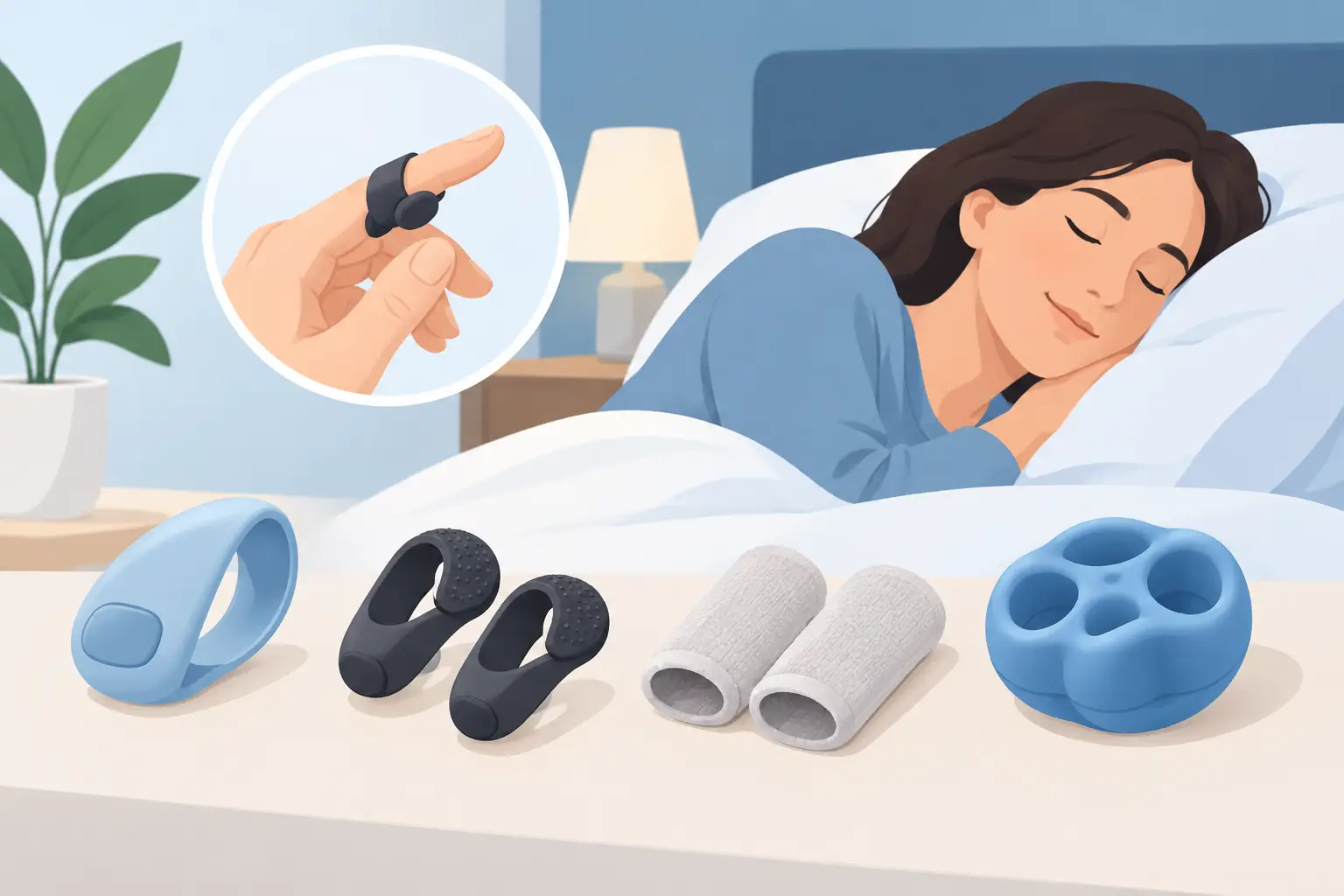
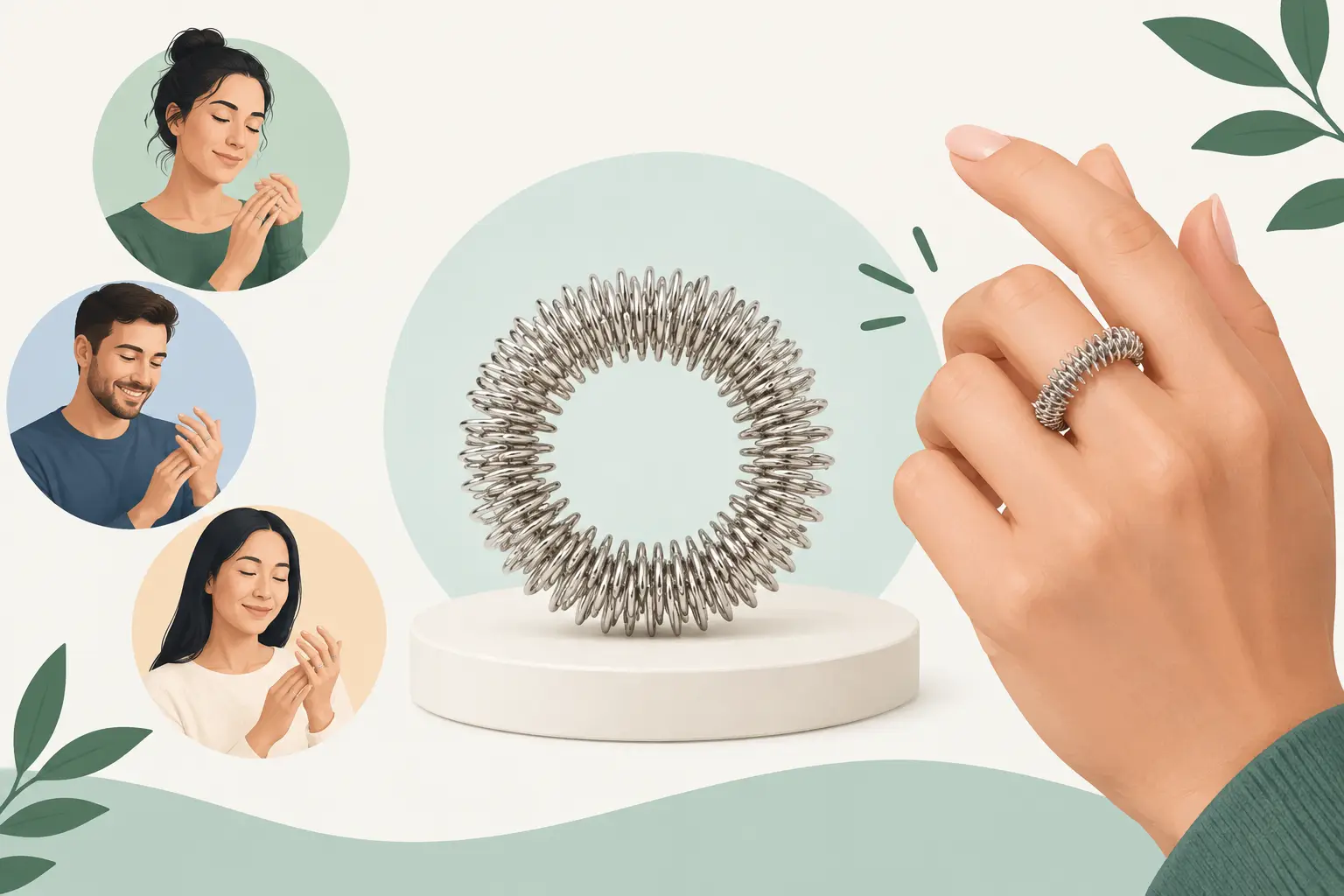
Acupressure-based wearables sit within this move towards simpler bedtime support. The Good Night Anti-Snoring Ring, the original stop snoring ring, is designed to apply pressure to specific points on the little finger while you sleep. It is a straightforward approach for people looking for a natural, non-invasive alternative to bulky nighttime devices.
Of course, simple does not mean identical results for every person. Snoring has different causes, from sleeping position and congestion to lifestyle factors and anatomy. A product that helps one person may not be the right fit for another. Honest sleep wellness means being clear about that rather than making impossible promises.
Consistency matters more than clever features
A sleep wearable only works if you use it. This sounds obvious, but it is where many products fail in real homes. The person who snores may be willing to try almost anything after a nudge from their partner, yet enthusiasm fades quickly if the solution is awkward or unpleasant.
A good nightly aid should be easy to use even when you are tired. It should not require a lengthy set-up, complicated cleaning routine or a phone app to function. The fewer barriers between brushing your teeth and turning out the light, the more likely it is to become a habit.
That is also why discretion matters. People want support without feeling medicalised. A subtle wearable can feel more manageable than a visible, cumbersome device, especially when sharing a bed or travelling.
Trust is becoming a key sleep wearable trend
The sleep market has attracted plenty of cheap copycat products and exaggerated claims. Consumers are right to be cautious. A polished advert or a long list of features is not proof that a product is safe, comfortable or likely to help.
Before buying a sleep wearable, look beyond the headline promise. Is the product clearly explained? Does the company acknowledge who it may not suit? Is there meaningful evidence behind its claims? Are there real customer experiences, clear usage guidance and a fair returns policy?
These details matter because sleep is too valuable to gamble on vague promises. A company that stands behind its product with a trial period or full refund guarantee is giving customers room to assess it in their own bed, with their own routines and their own partner’s honest feedback.
Clinical trial information can also be useful, but it should be read sensibly. No trial removes the need to consider your own circumstances. Evidence supports confidence; it does not turn any consumer product into a universal cure.
Know when snoring needs medical advice
Simple snoring can be deeply disruptive without necessarily being dangerous. However, loud frequent snoring can sometimes be associated with obstructive sleep apnoea, a condition that needs medical assessment.
Speak with your GP if snoring is accompanied by pauses in breathing, gasping or choking during sleep, severe daytime tiredness, morning headaches, difficulty concentrating or high blood pressure. Your partner may notice some of these signs before you do. A wearable should never delay appropriate medical care where those warning signs are present.
This is not a reason to panic over every snore. It is a reason to choose the right route. If the issue appears to be ordinary snoring and you want a comfortable, non-drug option, a well-made wearable may be worth trying. If symptoms point to something more serious, get professional advice first.
Choose the wearable that respects your sleep
The next phase of sleep wellness is likely to be less about adding devices and more about choosing better ones. Consumers are asking for products that are comfortable, specific in purpose and backed by credible support. They want fewer dramatic claims and more practical proof that a solution can fit real life.
For couples, the standard is even clearer. Better sleep should not require one person to endure an uncomfortable gadget while the other waits to see whether the noise stops. The right choice is the one you can use consistently, feel comfortable wearing and judge fairly over time. A quieter bedroom is not a luxury. It is a small, meaningful way to protect both people’s wellbeing.