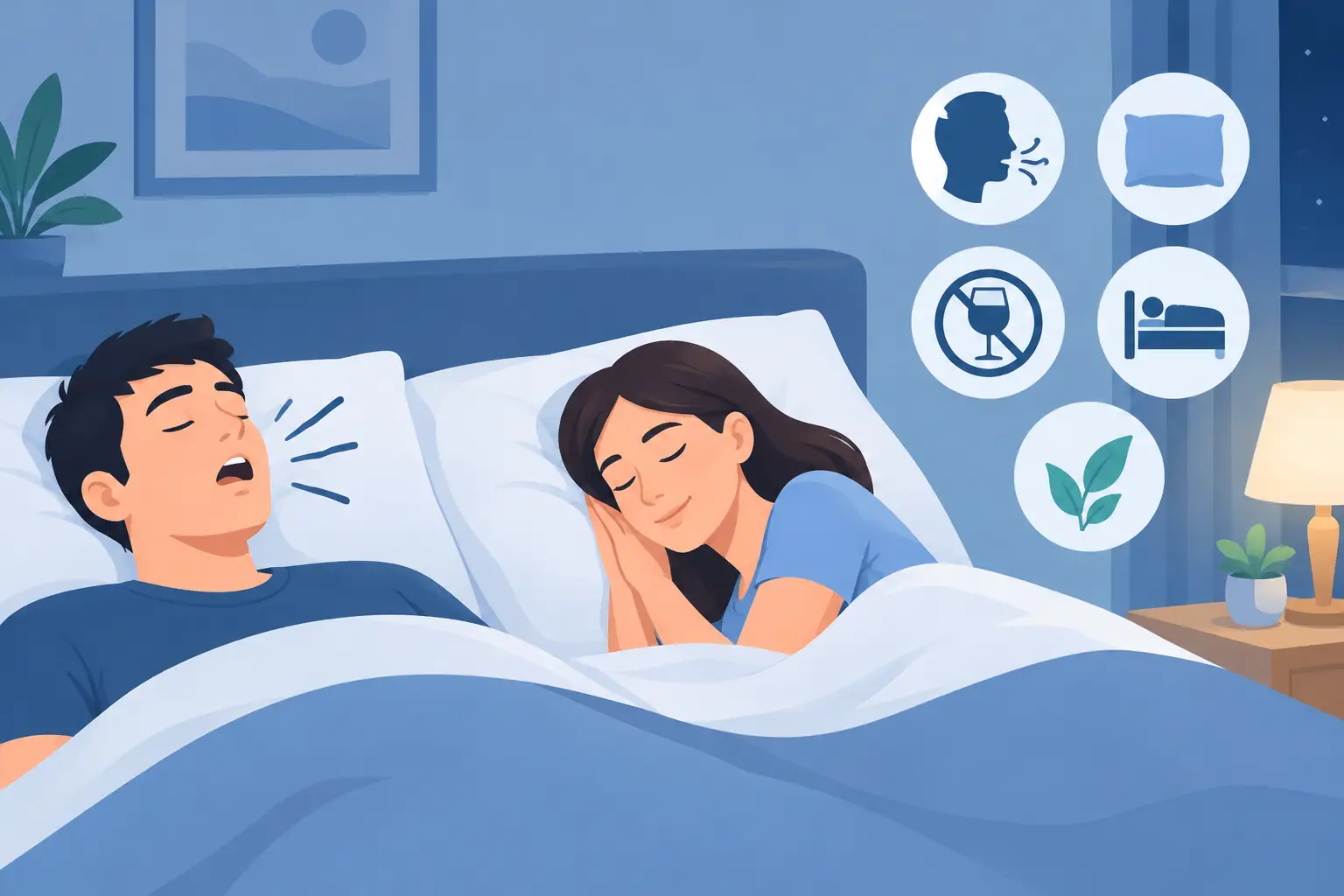
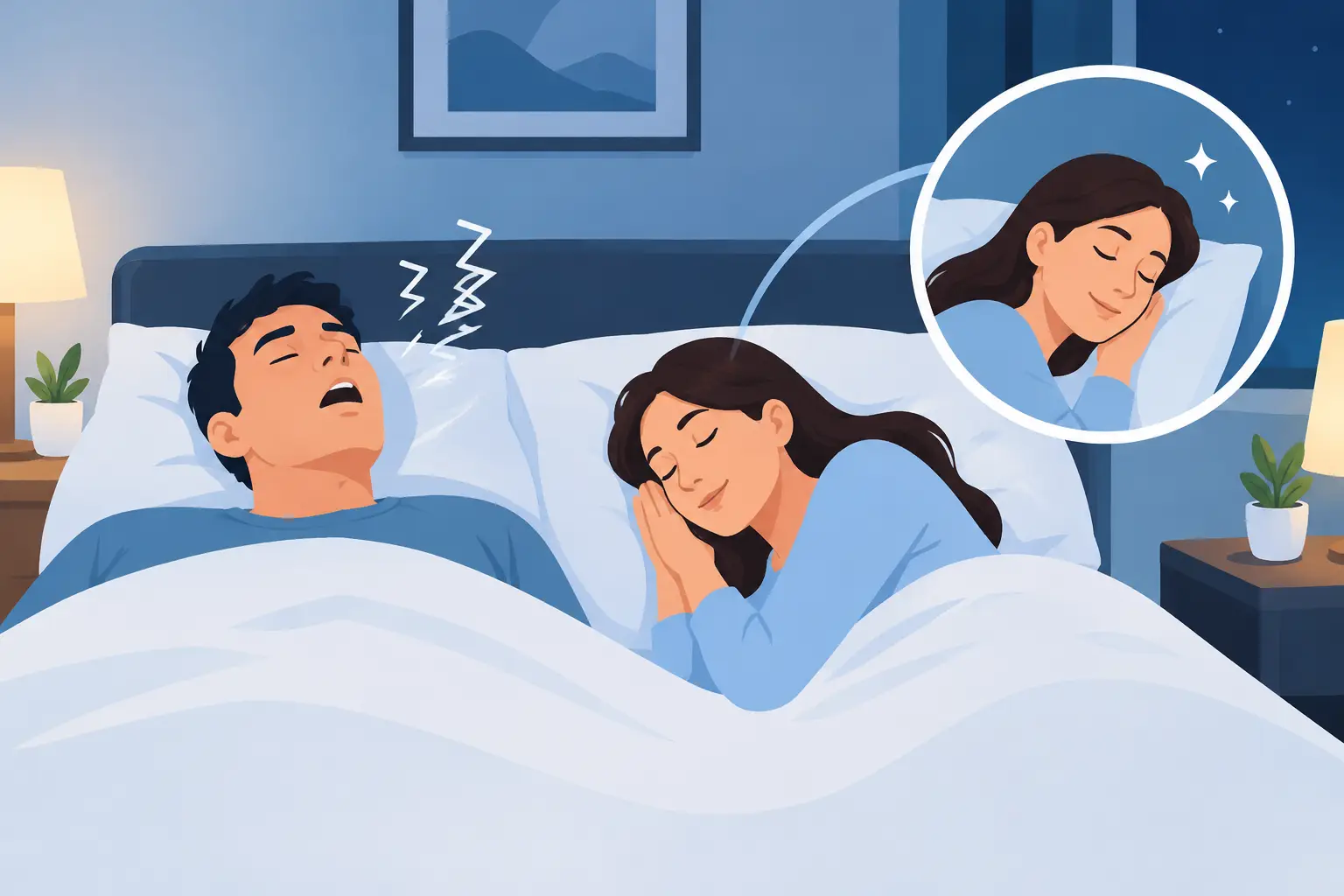
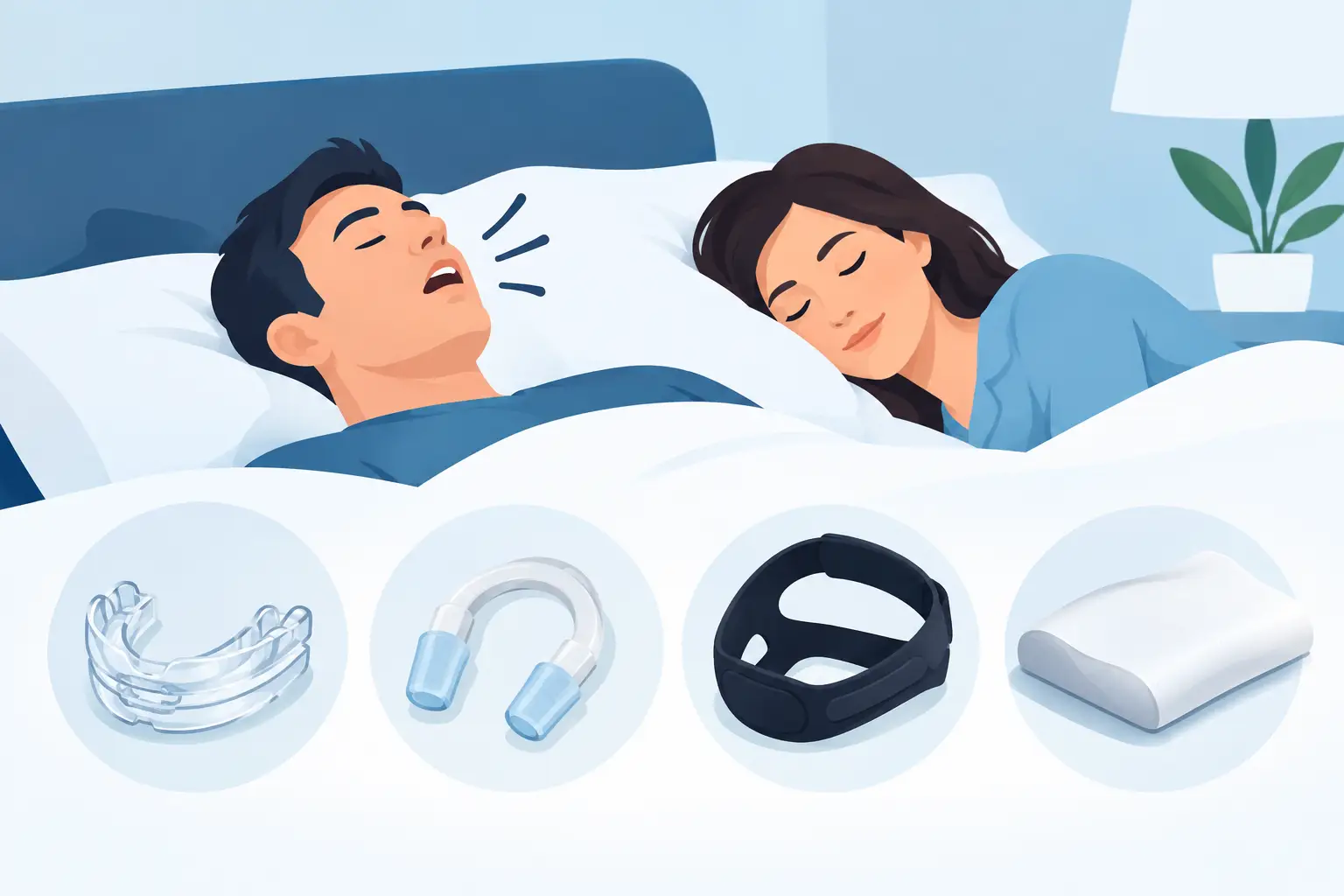
The most useful acupressure ring user experiences tend to begin with the same detail: a partner who has had enough of being woken by snoring. Not because they want a complicated sleep gadget, a mouthguard or another medicine cabinet solution, but because they want a quieter night without turning bedtime into a project.
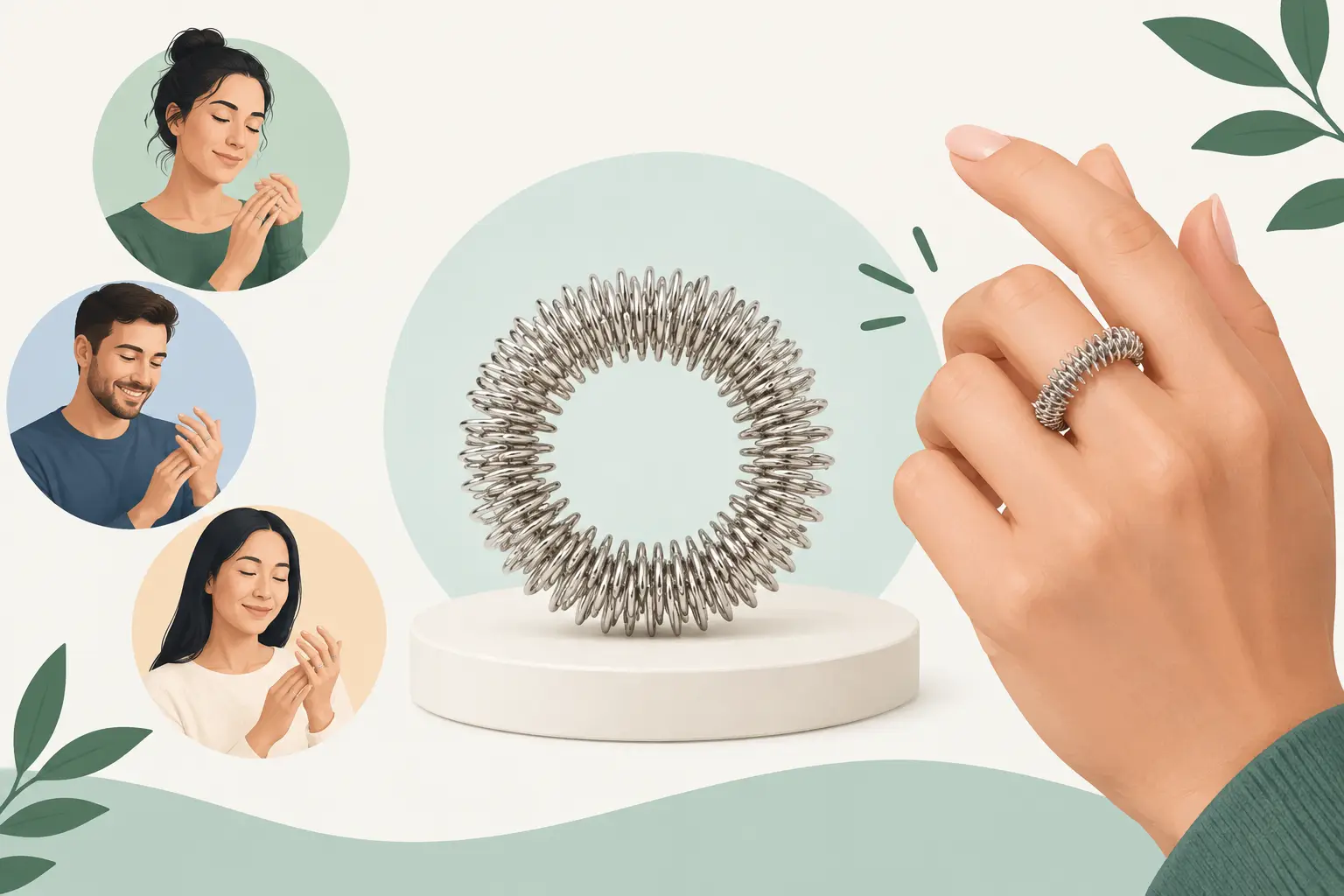
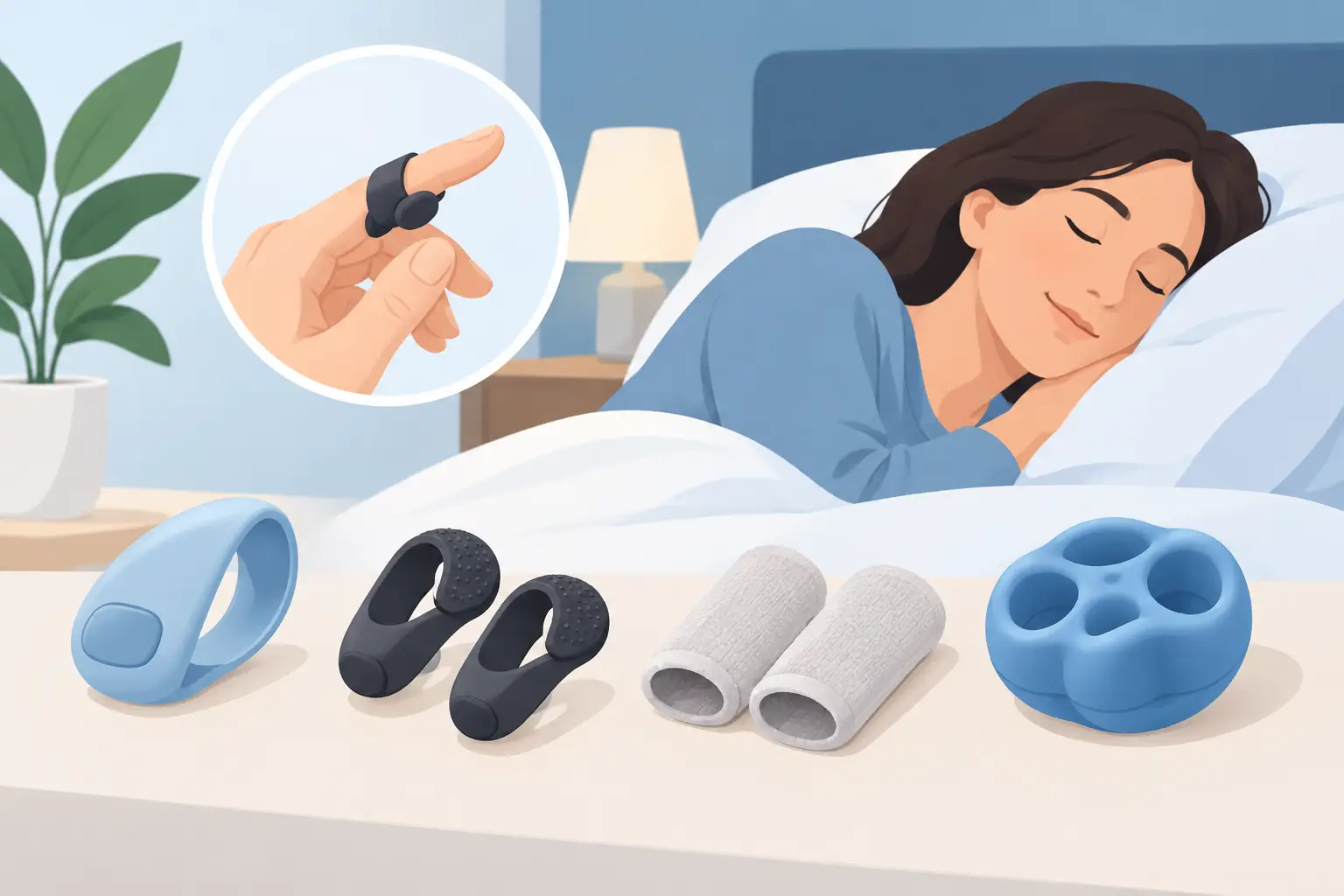
For many people, an acupressure ring is appealing precisely because it is small, discreet and non-invasive. It is worn on the little finger while you sleep, applying gentle pressure to specific acupressure points. But honest experiences matter more than sweeping promises. Some people notice a difference quickly. Others need a short adjustment period. And for some, it will not be the right answer at all.
That is not a weakness. It is the reality of choosing a natural approach to simple snoring.
What acupressure ring user experiences commonly reveal
The clearest pattern is that comfort changes everything. People who have tried anti-snoring mouthpieces often describe them as bulky, awkward or difficult to keep in all night. An acupressure ring asks far less of the wearer. Once fitted correctly, it should feel secure rather than tight, and many users say they soon stop noticing it.
The other recurring theme is simplicity. There is no charging, no noise, no mask and no nightly assembly. You put the ring on before bed and remove it in the morning. For couples who have spent months trying nasal strips, pillows, sprays and positional tricks, that uncomplicated routine can be a welcome change.
Results, though, are personal. A partner may report that the snoring is noticeably softer or less frequent. Another may find the change is most obvious on certain nights, such as when the wearer is less congested, has avoided alcohol close to bedtime or is sleeping on their side. The ring is not a magic switch that removes every possible cause of snoring. It is designed to support people with simple snoring through acupressure.
Why some people notice results sooner than others
Acupressure ring experiences are shaped by more than the ring itself. Snoring has several triggers, including sleeping position, nasal congestion, fatigue, alcohol, weight changes and the natural relaxation of tissues in the throat during sleep. When more than one trigger is at work, no single remedy should be judged in isolation after one difficult night.
Correct placement also matters. A ring that is loose enough to move around cannot apply consistent pressure. One that is overly tight may become uncomfortable, encouraging the wearer to remove it during the night. Follow the fitting guidance supplied with the product and allow a few nights to get used to the sensation.
Expectations can make a difference too. The most satisfied users are usually looking for a comfortable, practical way to reduce simple snoring, rather than a cure for every sleep issue. They pay attention to what their partner hears over a week or two, not only to a single night. That gives a fairer picture of whether their sleep routine is improving.
The partner often notices first
Snorers do not always realise how much noise they make. Their partner does. That means the first sign of progress is often not a dramatic feeling for the wearer, but a better report from the other side of the bed: fewer nudges, less moving to the spare room, or a quieter start to the night.
This is why it helps to agree on a simple test before you begin. Ask your partner to notice the volume, frequency and duration of snoring for several nights. There is no need to turn sleep into a spreadsheet, but a clear before-and-after view is more helpful than relying on tired morning impressions.
What a realistic trial looks like
A fair trial is calm and consistent. Wear the ring every night as directed, rather than only on the nights when you expect to snore. Keep other bedtime habits reasonably steady where possible. If you usually have a drink late in the evening, have a heavy meal close to bed or fall asleep on your back, these factors may still affect the result.
Give the ring enough time to become part of your routine. Some users feel the gentle pressure immediately and sleep comfortably from the first night. Others take a few nights to adjust to wearing jewellery in bed. Either response is normal, provided the ring is not painful or causing persistent numbness or irritation.
It is also sensible to consider ring fit. Fingers can swell slightly overnight or in warm weather. The right fit should feel snug, with the pressure points positioned as instructed, but it should never feel restrictive. If comfort is wrong, the experience is unlikely to be a good test of the product.
Good Night Health offers the original stop snoring ring as a clinically trialled, non-invasive alternative for simple snoring, with a 30-day money-back guarantee. That guarantee matters because it lets customers assess their own experience at home, where the real problem happens, without being locked into an expensive or intrusive device.
The trade-off: simple support, not a substitute for medical care
A small ring is a deliberately modest solution. That is its strength for many people. It does not force the jaw forward, cover the face or rely on medication. It can travel easily, fit into an ordinary bedtime routine and avoid the discomfort that causes many anti-snoring products to end up in a drawer.
The trade-off is that an acupressure ring is not intended to diagnose or treat every cause of noisy breathing at night. Loud snoring accompanied by choking, gasping, pauses in breathing, morning headaches or significant daytime sleepiness needs medical attention. These can be signs of obstructive sleep apnoea or another condition that should not be self-managed with an anti-snoring aid alone.
The same applies if snoring is new, suddenly worsening or affecting a child. Speak to a GP or qualified health professional. A responsible choice is not about insisting one product suits everybody. It is about matching the solution to the problem.
Questions people ask before trying an acupressure ring
Will I feel it while I sleep?
You may notice the ring at first, particularly if you do not normally sleep wearing jewellery. Most people looking for this type of solution want gentle pressure, not discomfort. Correct fit is key. If it feels painful, too tight or leaves lasting marks, remove it and reassess the fit.
Can it work if I have tried other remedies?
It may. Many users come to acupressure after finding that strips lose their grip, sprays offer only short-term relief or mouthpieces are too uncomfortable to use consistently. Previous disappointment does not guarantee a result, but it does explain why a simple wearable is worth considering for suitable cases of snoring.
Does it work every night?
Sleep is not identical every night, and neither is snoring. Congestion, alcohol, exhaustion and sleeping position can all change what a partner hears. Look for an overall improvement across a consistent trial, rather than expecting perfect silence regardless of circumstances.
Is a refund guarantee worth considering?
Yes, particularly with a product that depends on individual response and comfort. A full refund guarantee removes much of the risk from trying a non-invasive option properly. Be wary of cheap copies that make bold claims but offer little clarity on quality, fitting or customer support.
A better night rarely comes from adding more equipment to the bedside table. For the right person, it can start with one small, comfortable habit – and an honest conversation in the morning about whether the room was quieter.