Blog
Single Post

The Future of Snoring Treatment Is Less Bulk
The spare-room solution is not really a solution. When snoring becomes the nightly soundtrack of a relationship, both people pay for it in broken sleep, shorter tempers and the feeling that bedtime has become a problem to manage. The future of snoring treatment is moving away from awkward, one-size-fits-all devices and towards simple, comfortable options people can actually use night after night.
That matters because an anti-snoring product only helps when it earns a place in your routine. A mouthpiece left in a bathroom cabinet, a nasal strip that will not stay put, or a noisy machine used without proper medical advice will not bring back peaceful sleep. Better treatment means matching the cause, respecting comfort and knowing when snoring needs clinical assessment rather than another home remedy.
Why old snoring solutions often fall short
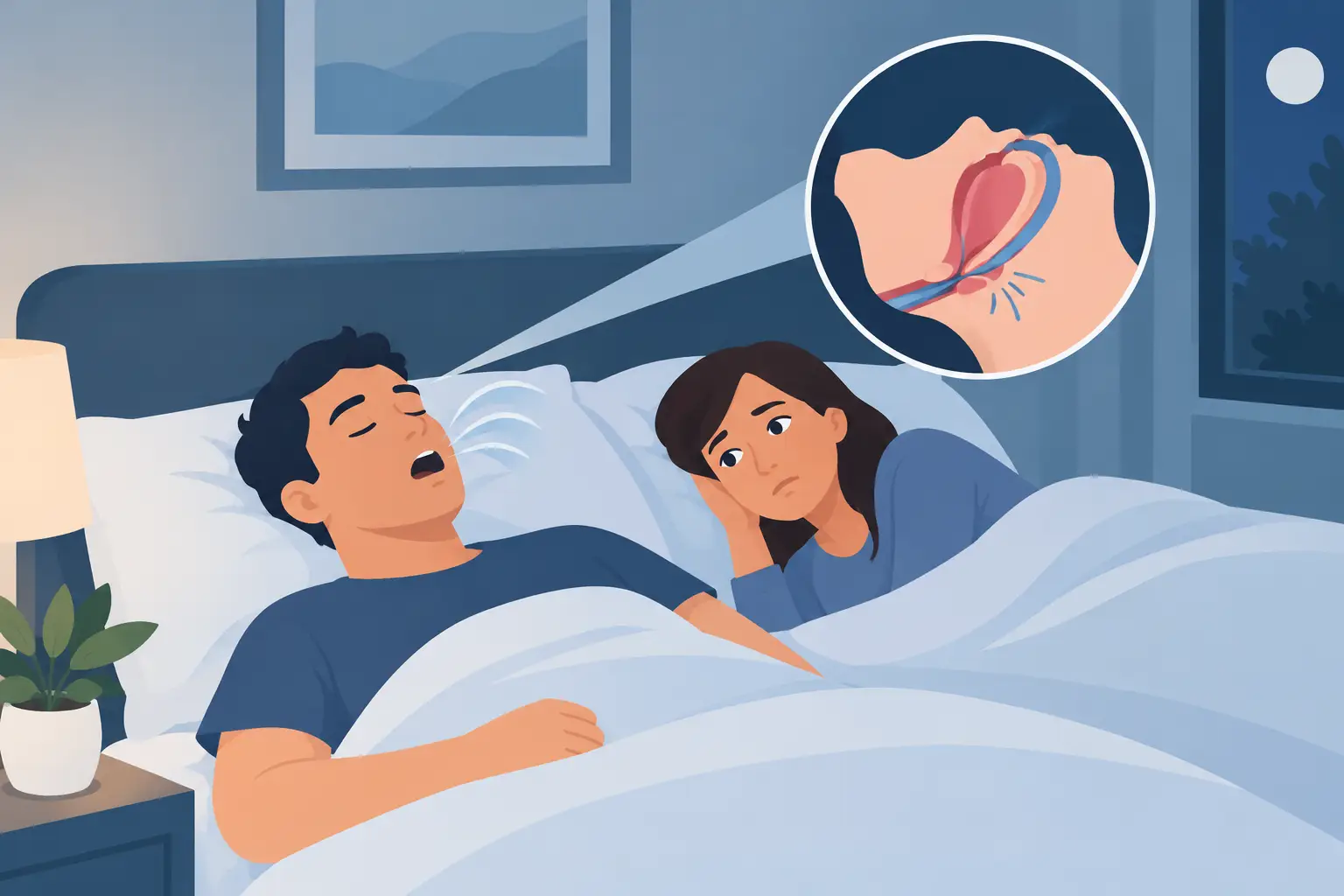
Simple snoring happens when soft tissues in the nose, mouth or throat vibrate as air passes through during sleep. Alcohol, tiredness, nasal congestion, sleeping position and natural changes in muscle tone can all make that vibration louder. For some people, it is occasional. For others, it becomes a persistent issue that affects a partner just as much as the snorer.
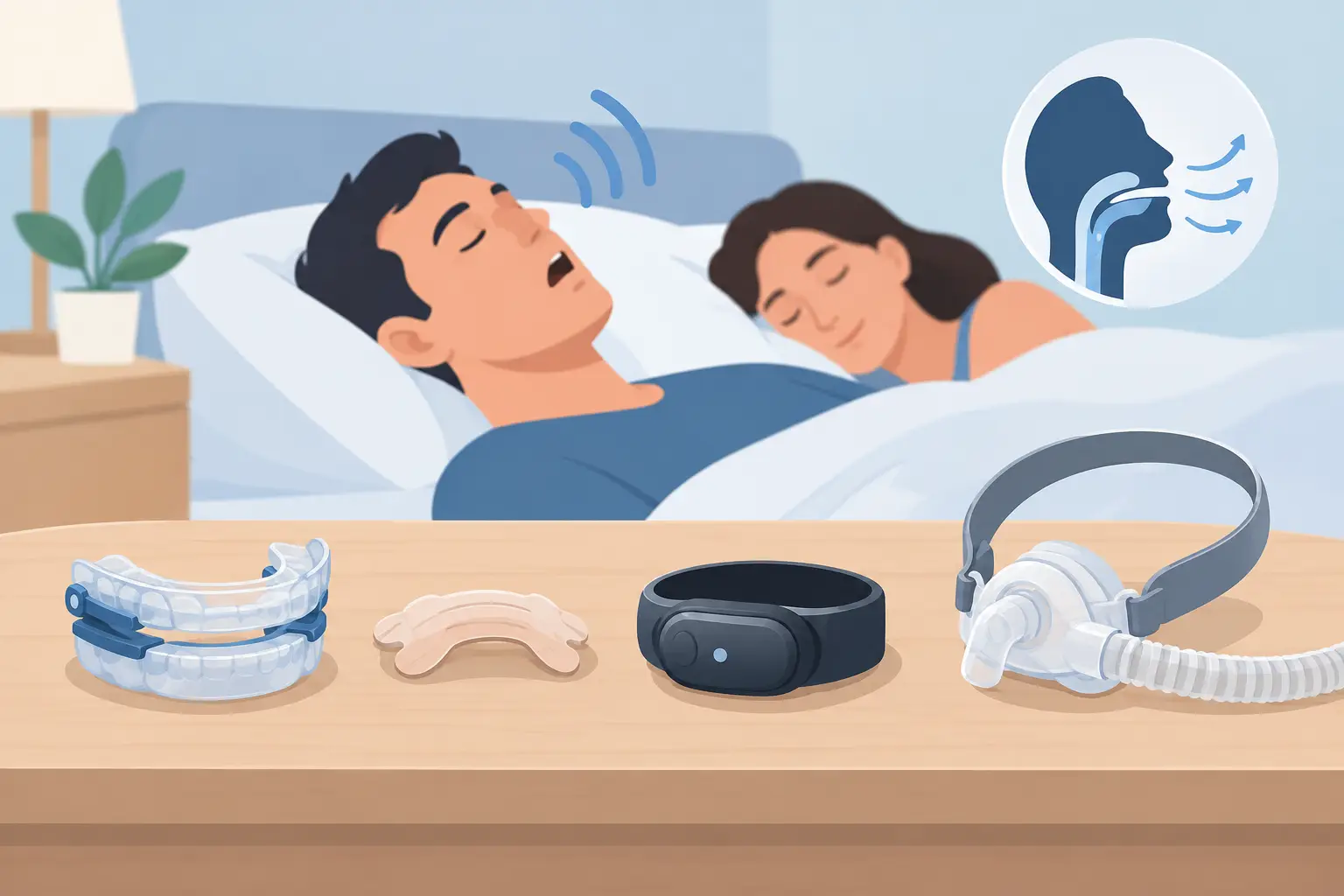
Traditional approaches have often asked people to accept a poor trade-off. Bulky mouthguards can feel intrusive and may cause jaw discomfort. Adhesive strips may help some people breathe more freely through the nose, but they do not address every type of snoring. Medication is not a sensible catch-all answer, particularly when the underlying trigger has not been identified.
The problem is not that every conventional option is useless. It is that snoring is not one single problem, so no single format will suit everyone. The next generation of solutions needs to be more targeted, less disruptive and honest about its limits.
The future of snoring treatment will be personalised
The most useful change is not likely to be one miracle device. It is better matching: understanding whether a person’s snoring is linked to nasal blockage, sleeping position, lifestyle factors, oral anatomy or a possible sleep breathing disorder.
At home, this will increasingly mean paying attention to patterns. Does snoring become much worse after a drink? Is it limited to sleeping on the back? Does a blocked nose make it noticeably louder? Does it happen every night, regardless of circumstances? These details can help people avoid spending money on remedies that do not fit their situation.
Technology may also play a useful supporting role. Sleep-tracking tools can reveal recurring disruption, changes in sleep duration and possible patterns worth discussing with a clinician. They should not be treated as a diagnosis, however. A recording that captures loud snoring cannot tell you, on its own, whether you have sleep apnoea or another condition requiring medical attention.
Personalisation also means offering different levels of intervention. Someone with occasional simple snoring may benefit from a discreet, non-invasive wearable and practical bedtime changes. Someone who snores loudly every night and wakes unrefreshed needs a more thorough conversation with a healthcare professional.
Comfort is not a luxury feature
For years, anti-snoring products were designed around force: hold the jaw in a new position, seal the mouth, push air through, or strap something on. Some people do well with these approaches, especially where they are clinically recommended. But comfort has a direct effect on consistency, and consistency is what gives a simple snoring solution a fair chance to work.
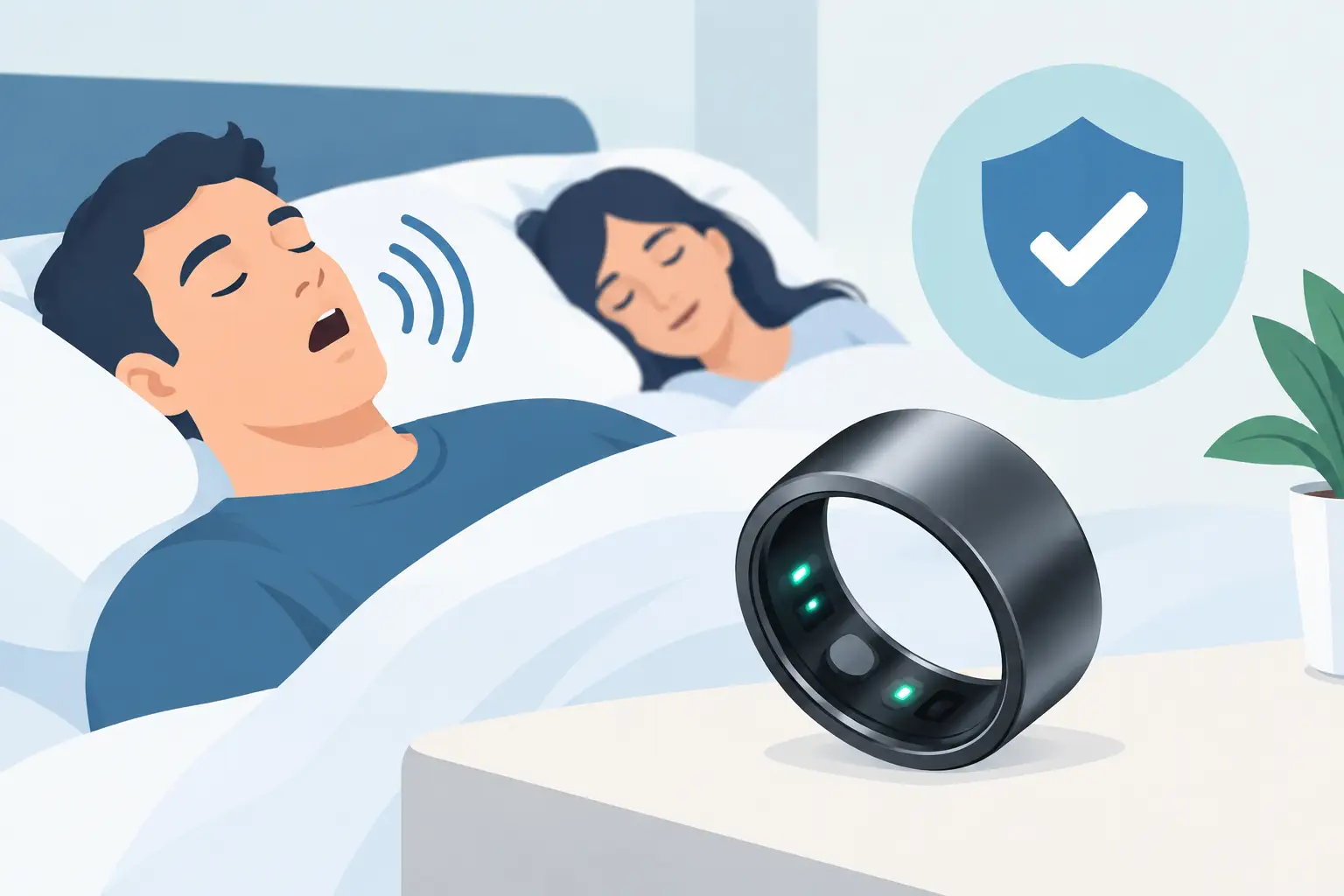
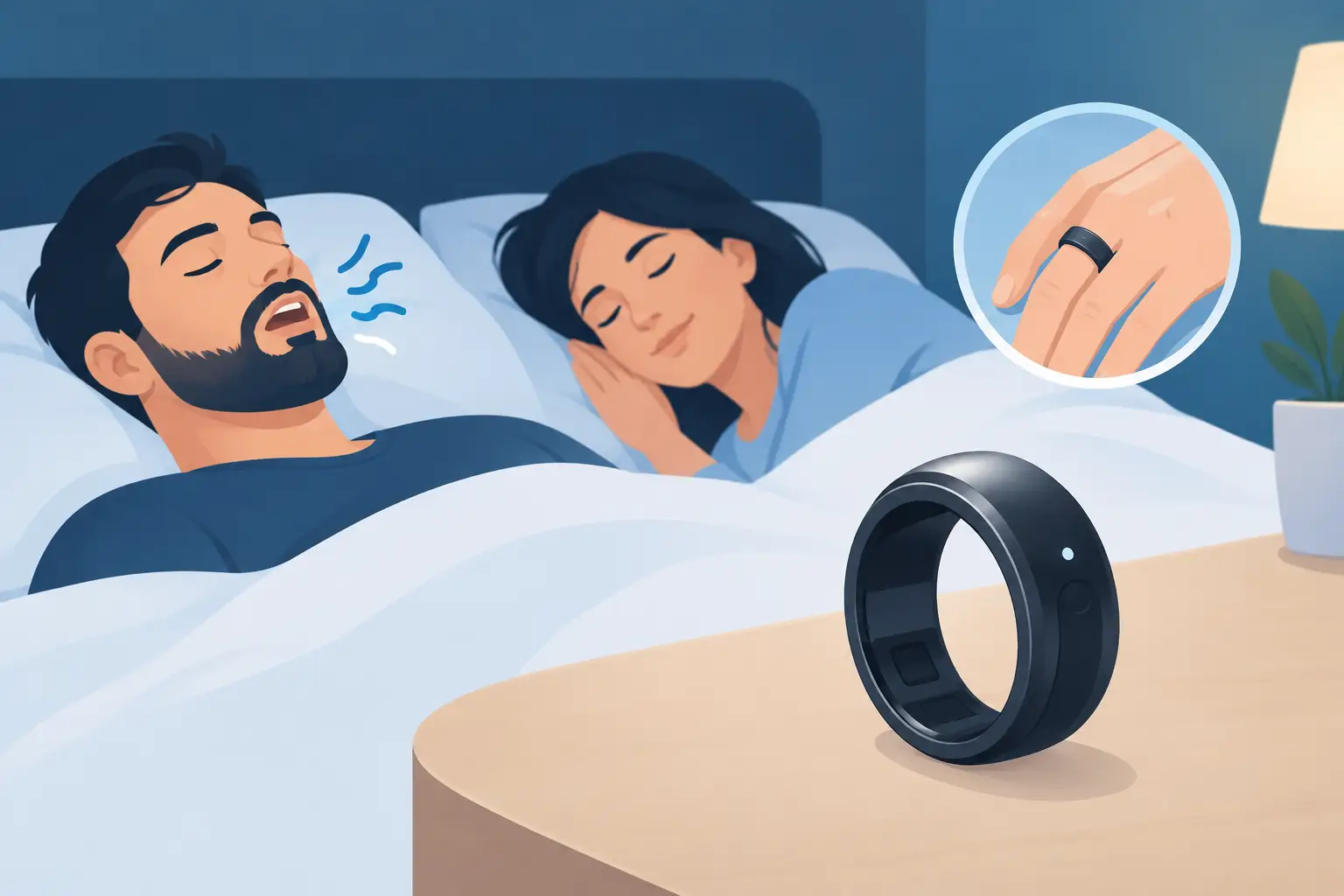
This is why smaller wearables have an important role in the future of snoring treatment. A ring is easy to put on, easy to travel with and does not change how you speak, breathe or settle into bed. Acupressure-based rings are designed to apply gentle pressure to selected points on the little finger while you sleep. For people with simple snoring, that can be a more appealing starting point than a mouthpiece or medication.
The Good Night Anti-Snoring Ring was created around this principle: a clinically trialled, non-invasive option for people who want a discreet alternative to cumbersome night-time devices. It is the original stop snoring ring, not a copycat product made to look convincing in a photograph but unsupported when it comes to quality, fit and customer protection.
Better evidence, clearer promises
The anti-snoring market has never been short of bold claims. That makes scepticism sensible. The future should belong to products that explain what they are designed for, what evidence supports them and who may not be a suitable user.
Clinical trials, product standards and transparent guarantees all matter because snoring solutions are personal. A treatment can work very well for one person and make little difference for another. That is not a failure of common sense. It is a reminder that bodies, triggers and sleep habits differ.
Look for a company that does not pretend every snorer has the same cause or promise impossible results. A credible brand should be clear that an anti-snoring ring is intended for simple snoring, not as a replacement for medical treatment. It should also stand behind the product with a genuine trial period and a full refund policy, so you can judge it in your own bed, with your own routine.
This is especially important when comparing original products with cheap imitations. A lower price can be tempting, but it may come with poor materials, inconsistent sizing and no meaningful evidence behind the design. If a product is meant to be worn for hours every night, quality is part of the treatment, not an optional extra.
When snoring needs more than a home solution
Not all snoring is simple snoring. Obstructive sleep apnoea involves repeated interruptions to breathing during sleep and can have serious consequences if left untreated. It needs proper assessment, not an attempt to mask the sound.
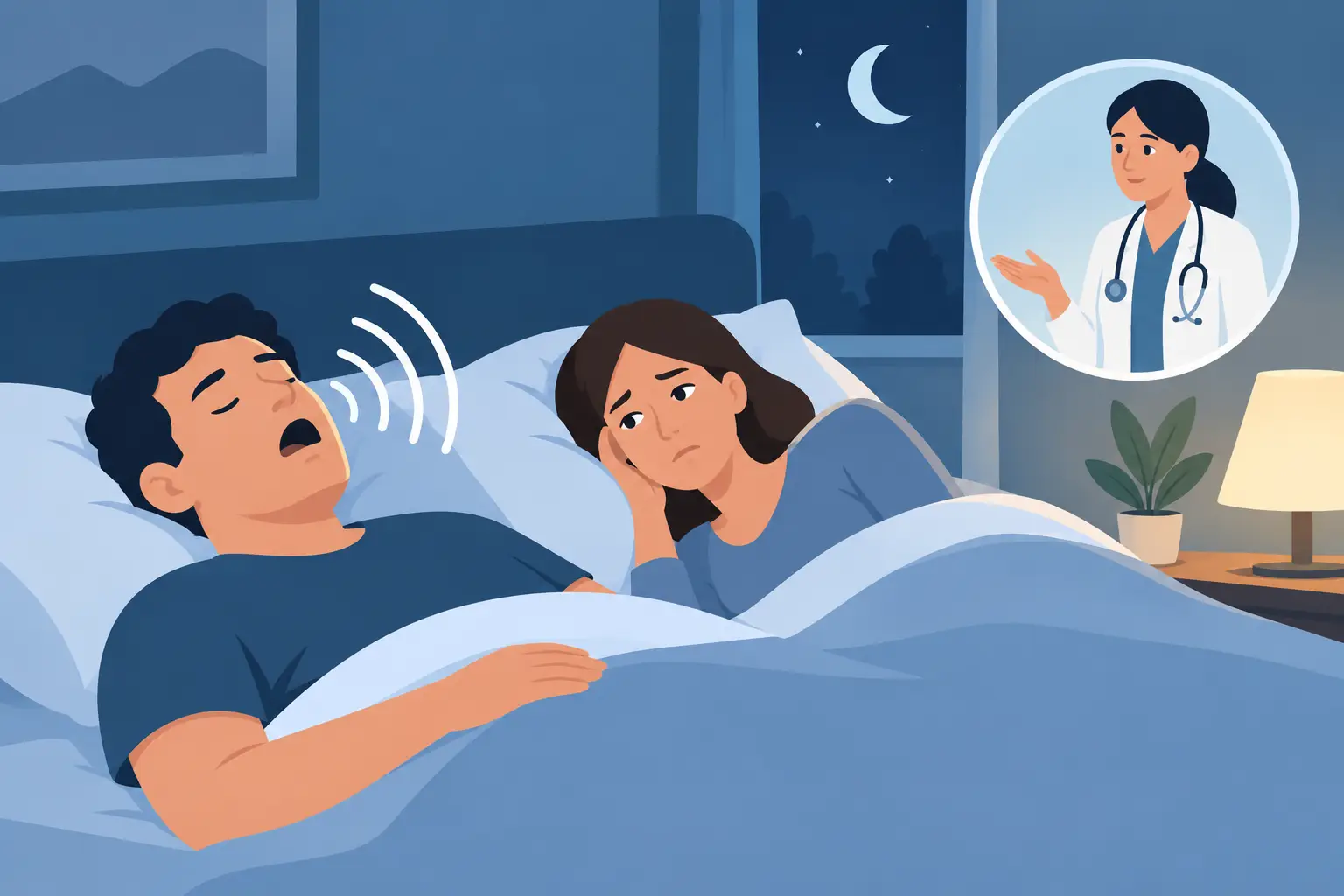
Speak to a GP or sleep specialist if snoring is accompanied by witnessed pauses in breathing, gasping or choking during sleep, severe daytime sleepiness, morning headaches, difficulty concentrating or high blood pressure. The same applies if a partner is genuinely worried about your breathing overnight. These signs do not automatically mean sleep apnoea, but they are too important to ignore.
A responsible future for sleep wellness has room for both home options and clinical care. The goal is not to sell a device to every snorer. It is to give people with simple snoring a comfortable place to start, while helping those with warning signs reach the right medical support.
Small nightly changes still have a place
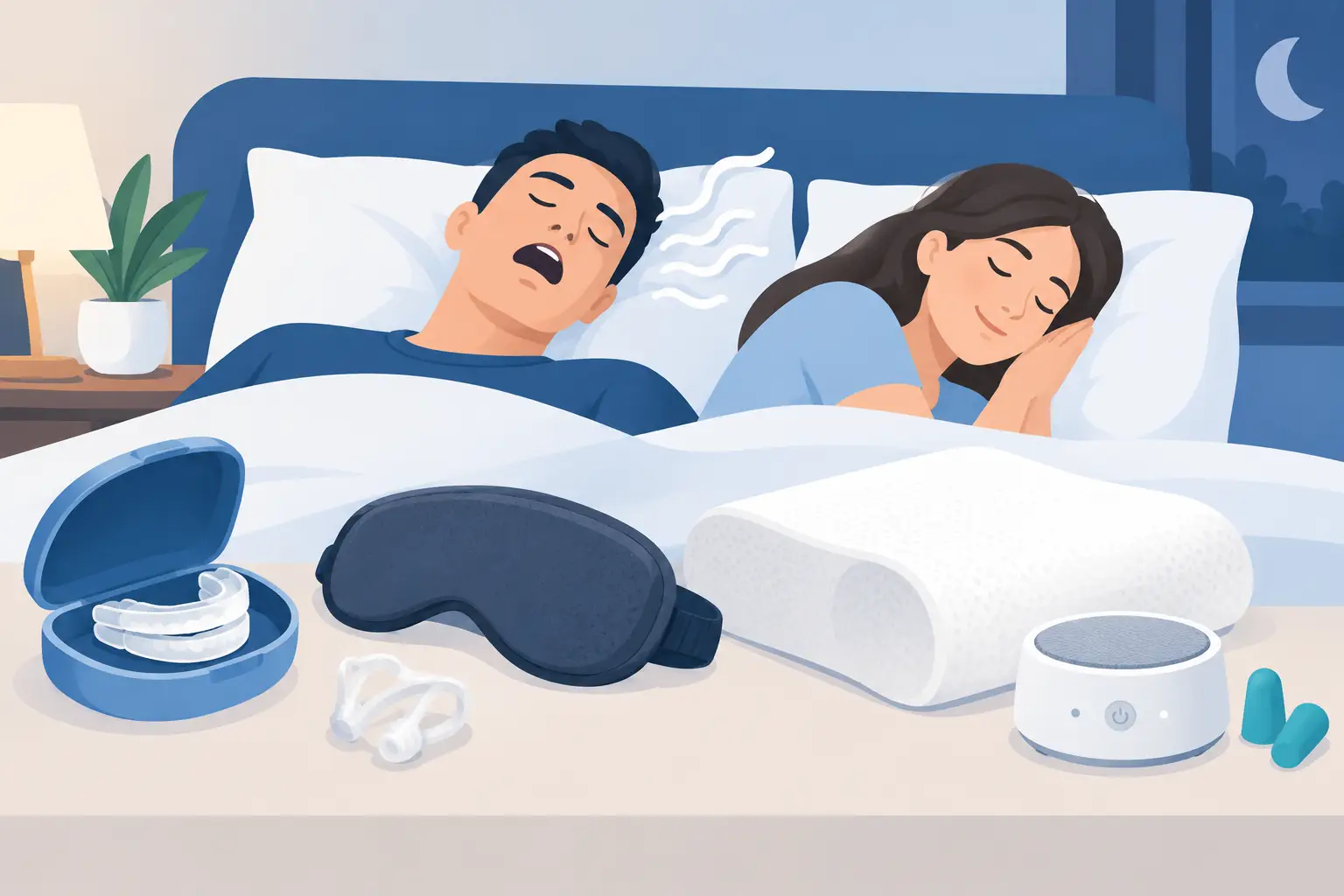
Newer products will not make basic sleep habits irrelevant. If alcohol reliably makes snoring worse, reducing it in the hours before bed may help. Treating a cold or allergy-related blocked nose, keeping to a more regular sleep schedule and trying to sleep on your side can also make a difference for some people.
These changes are not always enough on their own, and they are not equally practical for everyone. A parent with young children may not be able to protect a perfect bedtime. Someone with chronic congestion may need medical advice. But pairing sensible habits with a comfortable, non-invasive option is often more realistic than relying on willpower alone.
The best future is not one where sleep becomes packed with gadgets. It is one where fewer people feel forced to choose between an uncomfortable device and another restless night. Start with the cause you can reasonably address, choose a solution you will genuinely wear, and take persistent or concerning symptoms seriously. Better sleep should feel achievable for both sides of the bed.