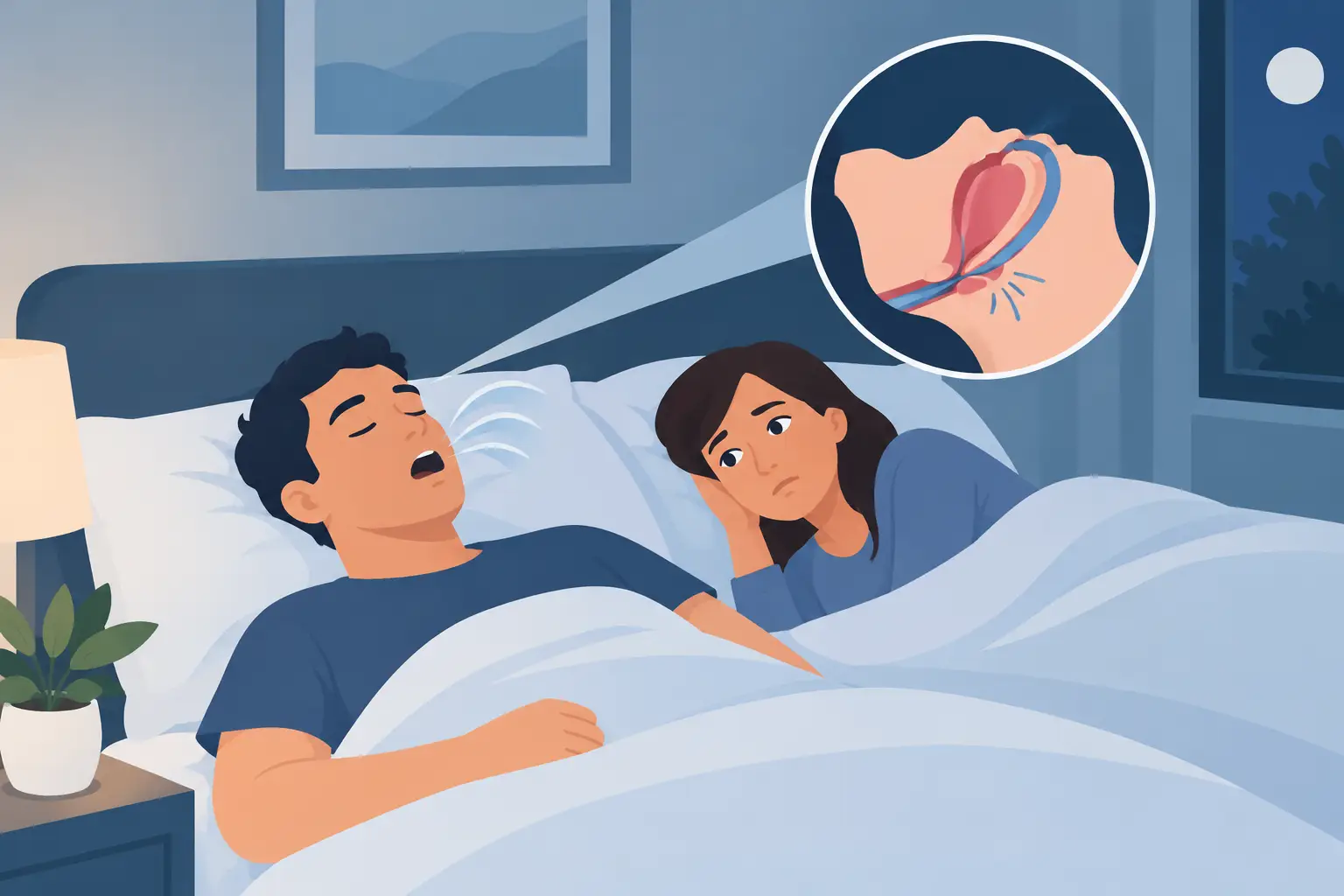
A noisy night is frustrating. A night where breathing repeatedly stops, a partner lies awake listening for the next gasp, or someone wakes exhausted after a full eight hours is different. If you are asking, “when should snorers seek medical help?”, the answer depends less on volume and more on what happens between the snores.
Simple snoring is common and often manageable. It can be made worse by sleeping on your back, nasal congestion, alcohol, weight changes or simply the relaxed throat tissues of sleep. But snoring can also be a sign of obstructive sleep apnoea, a condition in which the airway narrows or closes during sleep. That is why it pays to look beyond the sound.
When should snorers seek medical help?
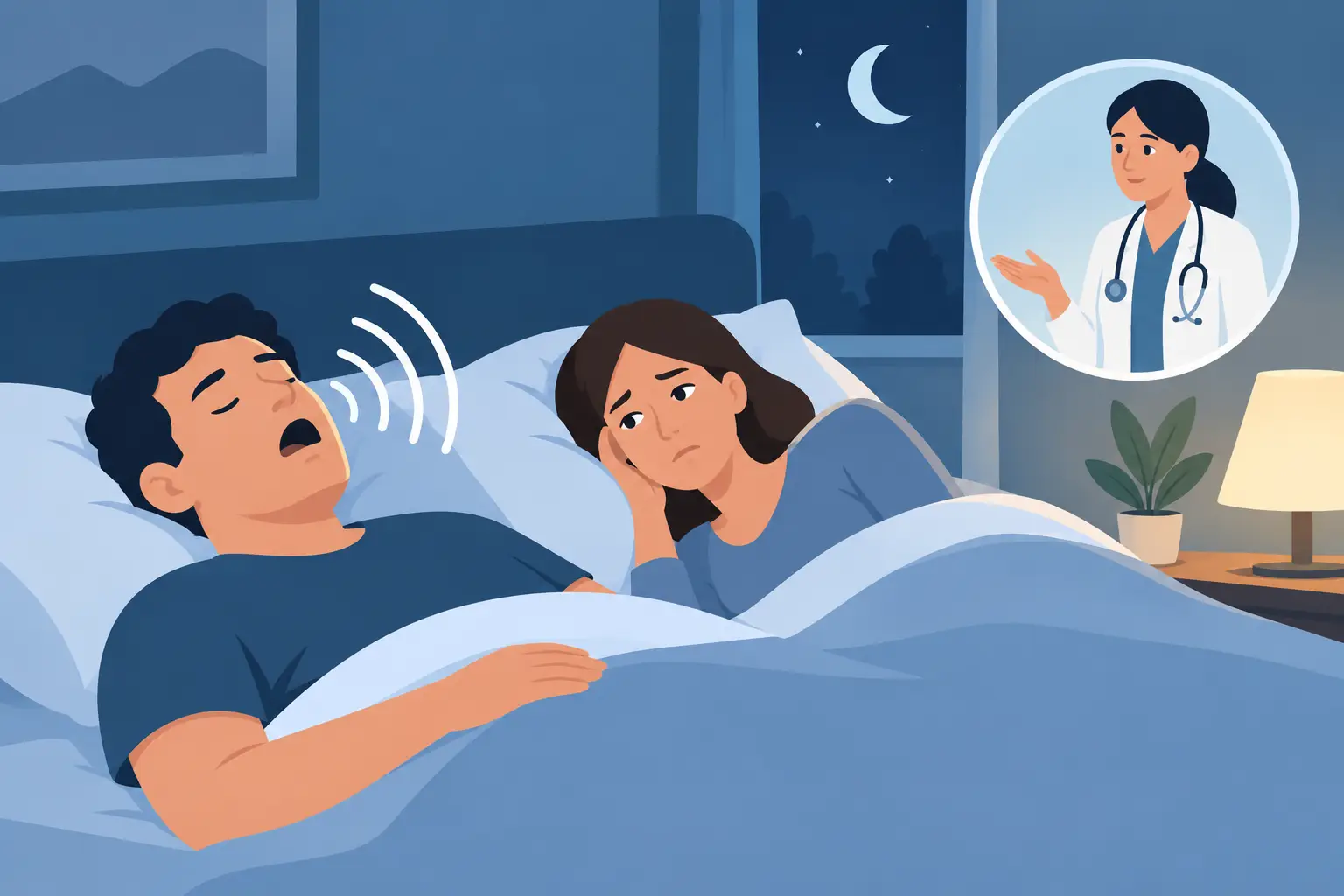
A snorer should speak to a GP if there are pauses in breathing, choking or gasping during the night, or regular daytime symptoms that suggest sleep is not restorative. A partner is often the first person to spot the warning signs, so their observations matter.
One isolated snort after a cold is not usually a reason to panic. Repeated episodes are another matter. If the pattern has been going on for weeks, is getting worse, or is affecting safety, health or daily life, arrange an appointment rather than hoping it will disappear.
Breathing pauses, gasping or choking
The clearest reason to seek advice is witnessed interrupted breathing. This may look like a person going quiet for several seconds, then taking a loud breath, snorting, choking or restarting their snoring. They may not remember it happening, but their bed partner may notice it night after night.
These episodes can point to obstructive sleep apnoea. A GP can assess your symptoms and, where appropriate, arrange a sleep assessment. Getting checked does not mean you will automatically need a complicated device. It means you can understand what is causing the problem and choose the right next step.
Sleepiness that affects the day
Poor sleep does not always feel like insomnia. Some people with disrupted breathing fall asleep quickly, stay in bed for plenty of hours and still wake unrefreshed. They may struggle to concentrate, wake with headaches, feel unusually irritable or nod off while watching television.
Do not ignore sleepiness while driving, at work, or when looking after children. If someone is fighting to stay awake behind the wheel or has had a near miss, they should stop driving when tired and seek medical advice promptly. No anti-snoring product should be used as a substitute for investigating dangerous daytime drowsiness.
High blood pressure or other health concerns
Snoring deserves a closer look when it sits alongside high blood pressure, heart disease, type 2 diabetes, previous stroke or irregular heart rhythm. These conditions do not prove that a person has sleep apnoea, but they make a proper conversation with a clinician more worthwhile.
The same applies if the snorer has gained weight recently, has a large neck circumference, smokes, drinks heavily in the evening, or takes sedatives or sleeping tablets. These factors can increase airway relaxation and make obstructed breathing more likely. The point is not blame. It is to identify the full picture.
Signs a partner should not brush off
Partners often carry the hidden cost of snoring: broken sleep, worry and resentment that builds quietly over time. It is reasonable to want relief from the noise. It is also reasonable to be concerned if the snorer seems to stop breathing.
Encourage a medical appointment if you regularly hear breathing pauses, loud gasps, choking or restless tossing and turning. Notice whether the person sweats heavily at night, wakes to use the loo repeatedly, or seems unusually sleepy and short-tempered in the day. These details can help the GP decide whether further testing is needed.
If possible, keep a short record for one or two weeks. Note when the snoring occurs, sleeping position, alcohol intake, nasal congestion, observed pauses and next-day tiredness. A brief phone recording can be useful too, provided the snorer is comfortable with it. It is not a diagnosis, but it can make the appointment more specific.
When simple snoring can be managed at home
Not every snorer needs a sleep clinic. If the snoring is occasional, there are no breathing pauses or severe daytime symptoms, and the person otherwise feels well rested, practical changes are a sensible first move.
Start with the obvious triggers. Side sleeping can reduce snoring for people whose airway narrows mainly when they lie on their back. Reducing alcohol close to bedtime may help, as alcohol relaxes the muscles in the throat. Treating a blocked nose, keeping a regular sleep routine and maintaining a weight that supports overall health can also make a difference.
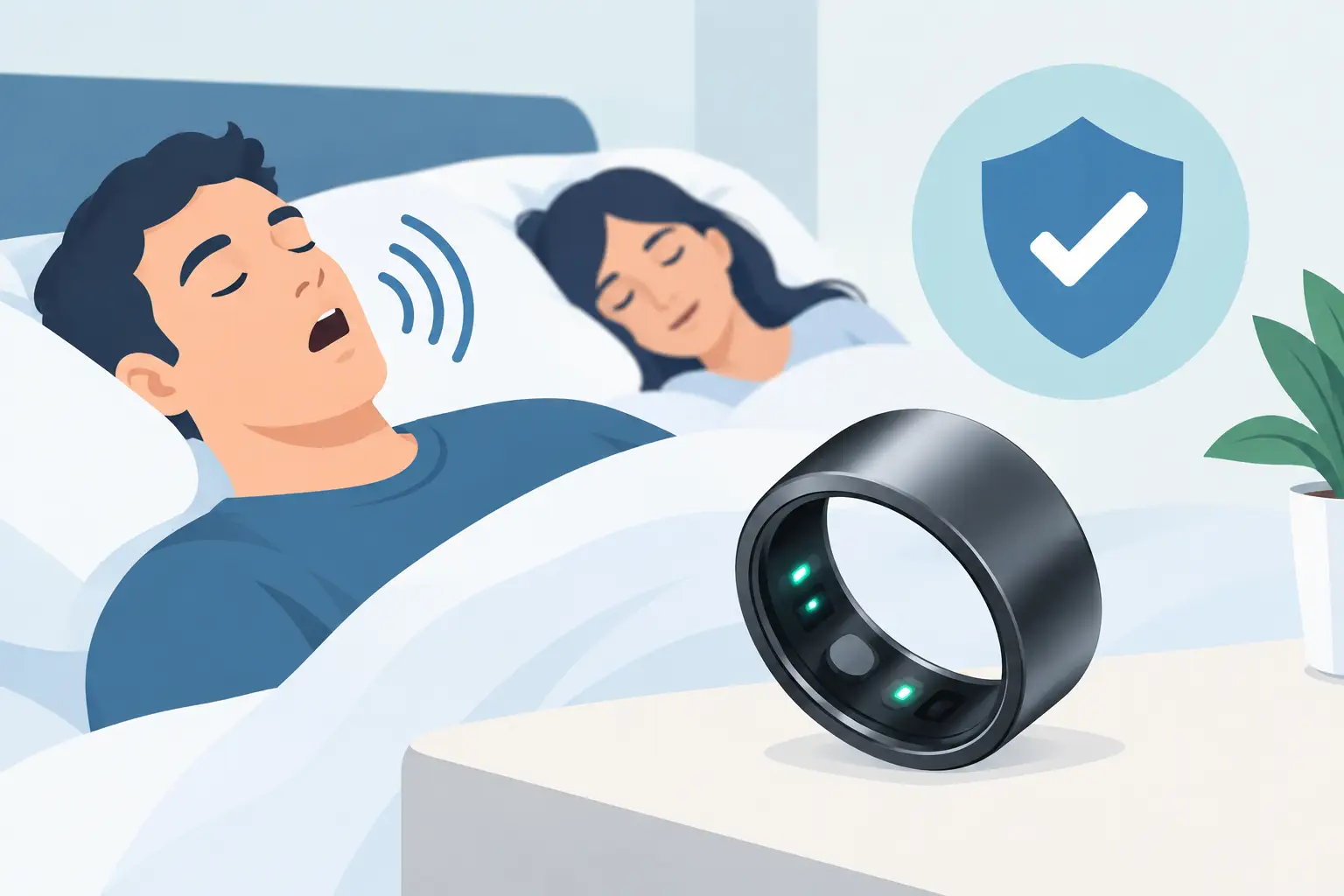
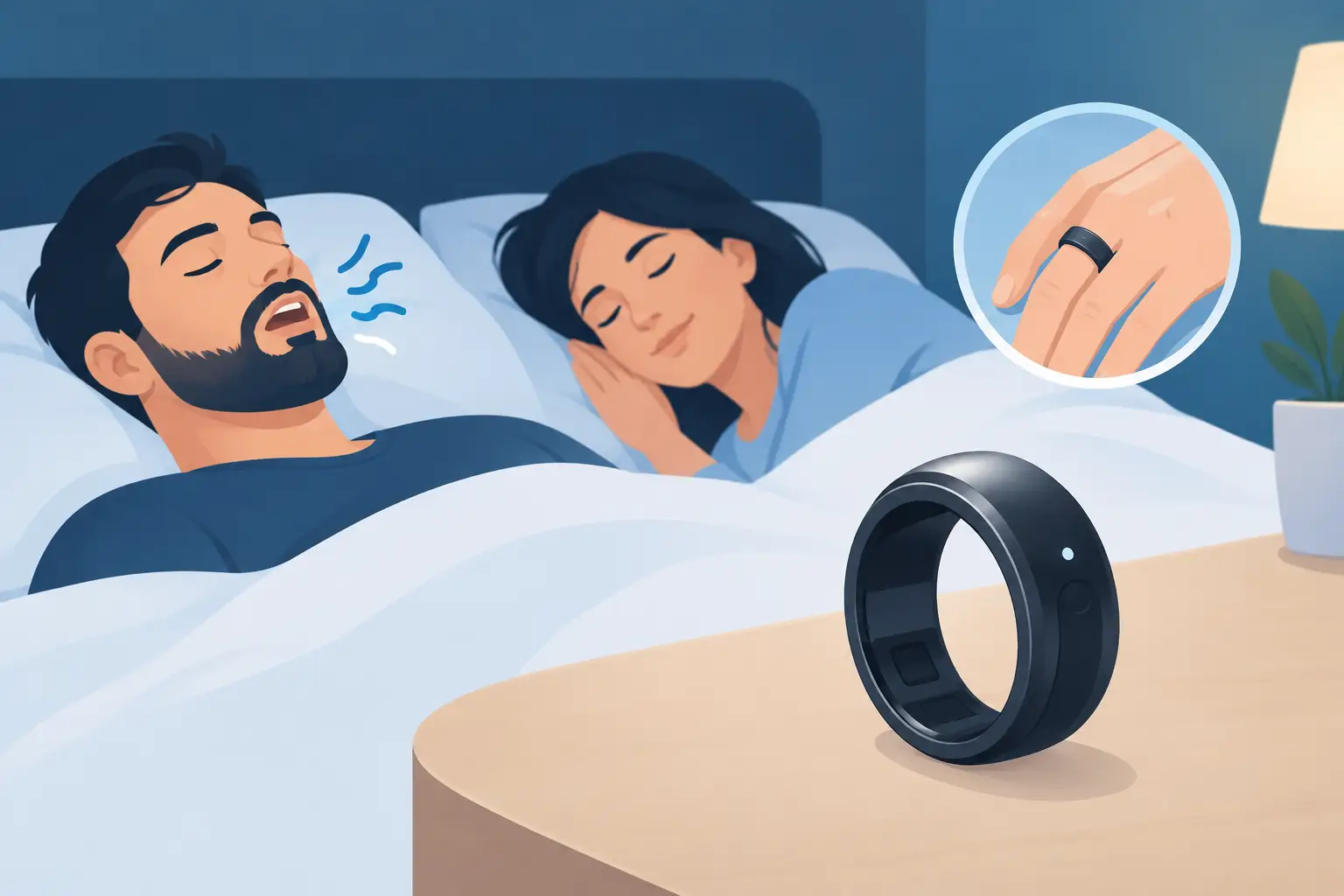
For adults with uncomplicated snoring, a non-invasive option can be appealing because it does not involve medication, a bulky mouthguard or an intrusive night-time machine. The Good Night Anti-Snoring Ring, the original stop snoring ring, uses acupressure points on the little finger and is designed for simple snoring. As with any anti-snoring aid, results vary from person to person. It is not intended to diagnose, treat or replace assessment for suspected sleep apnoea.
That distinction protects you from wasting time and money. A discreet solution may be a good fit for ordinary snoring, particularly if it is most troublesome in certain positions or after known triggers. But if warning signs are present, medical assessment comes first.
What happens when you speak to a GP?
Many people delay asking for help because they expect an embarrassing or complicated process. Usually, the first appointment is straightforward. Your GP will ask about your sleep, daytime tiredness, medical history, medicines, alcohol and what your partner has noticed. They may check your blood pressure, weight, throat and nose.
If sleep apnoea is suspected, you may be offered a sleep study. This is often done at home with a monitor that measures breathing, oxygen levels, heart rate and movement overnight. The results help show whether there are breathing interruptions and how often they occur.
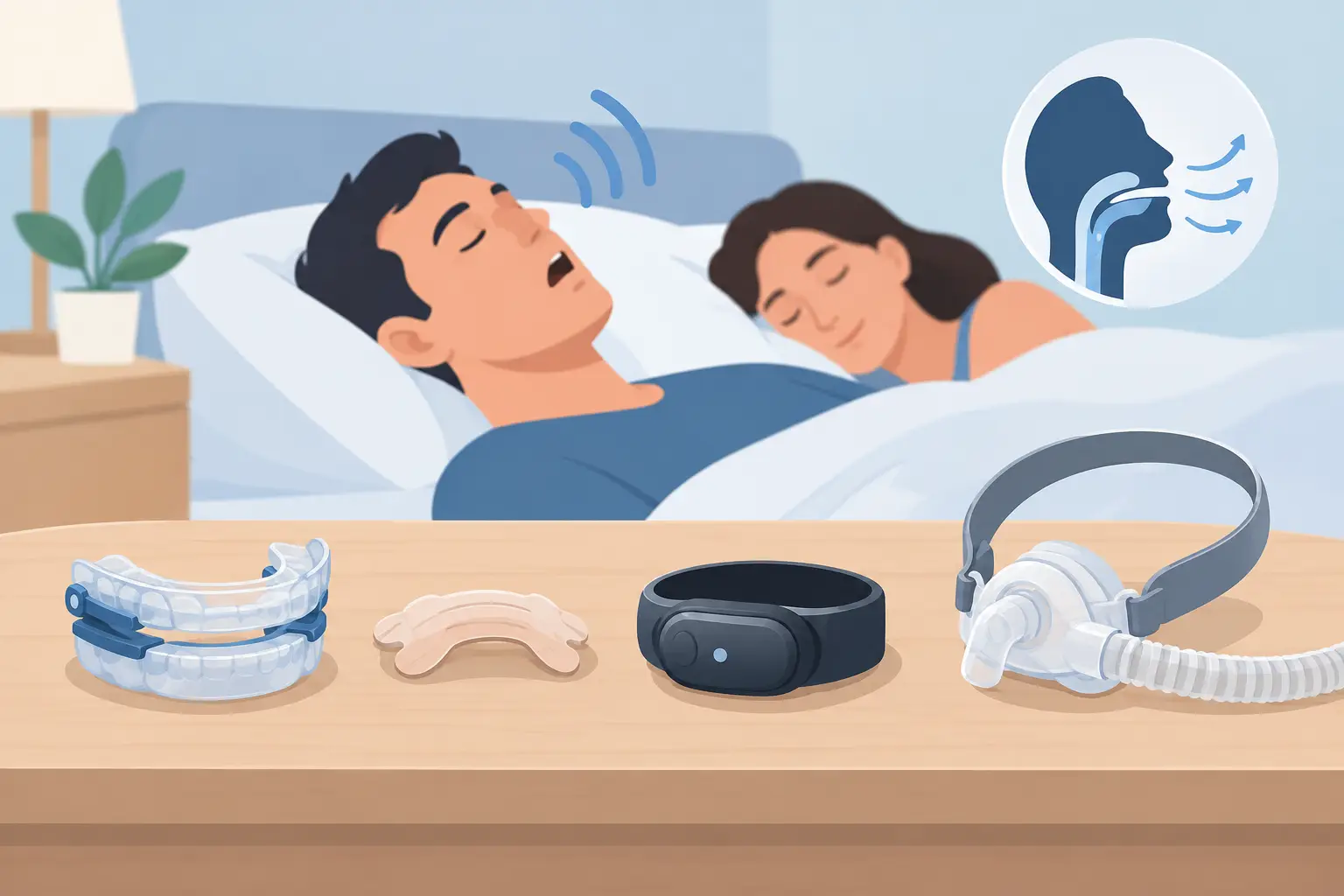
Treatment depends on the cause and severity. Some people benefit from lifestyle changes or treating nasal blockage. Others may be offered a mandibular advancement device that holds the jaw forward, or CPAP therapy, which uses gentle air pressure to keep the airway open. There are trade-offs: comfort, cost, convenience and effectiveness all matter. The right treatment is the one that addresses the actual problem and that you can use consistently.
Do not wait for a crisis
Seek urgent medical help if a person has severe breathing difficulty, chest pain, blue or grey lips, confusion, or becomes difficult to wake. These are not routine snoring symptoms and need prompt attention.
For everything else, trust the pattern rather than one bad night. Loud snoring alone can strain a relationship and leave both people tired. Snoring plus breathing pauses, gasping, persistent exhaustion or unsafe daytime sleepiness is a reason to act.
Better sleep should feel reassuring, not like something one person has to monitor all night. If the signs suggest more than simple snoring, book the appointment. Once serious causes have been ruled out or treated, you can focus on finding the comfortable, practical night-time solution that helps both of you rest properly.