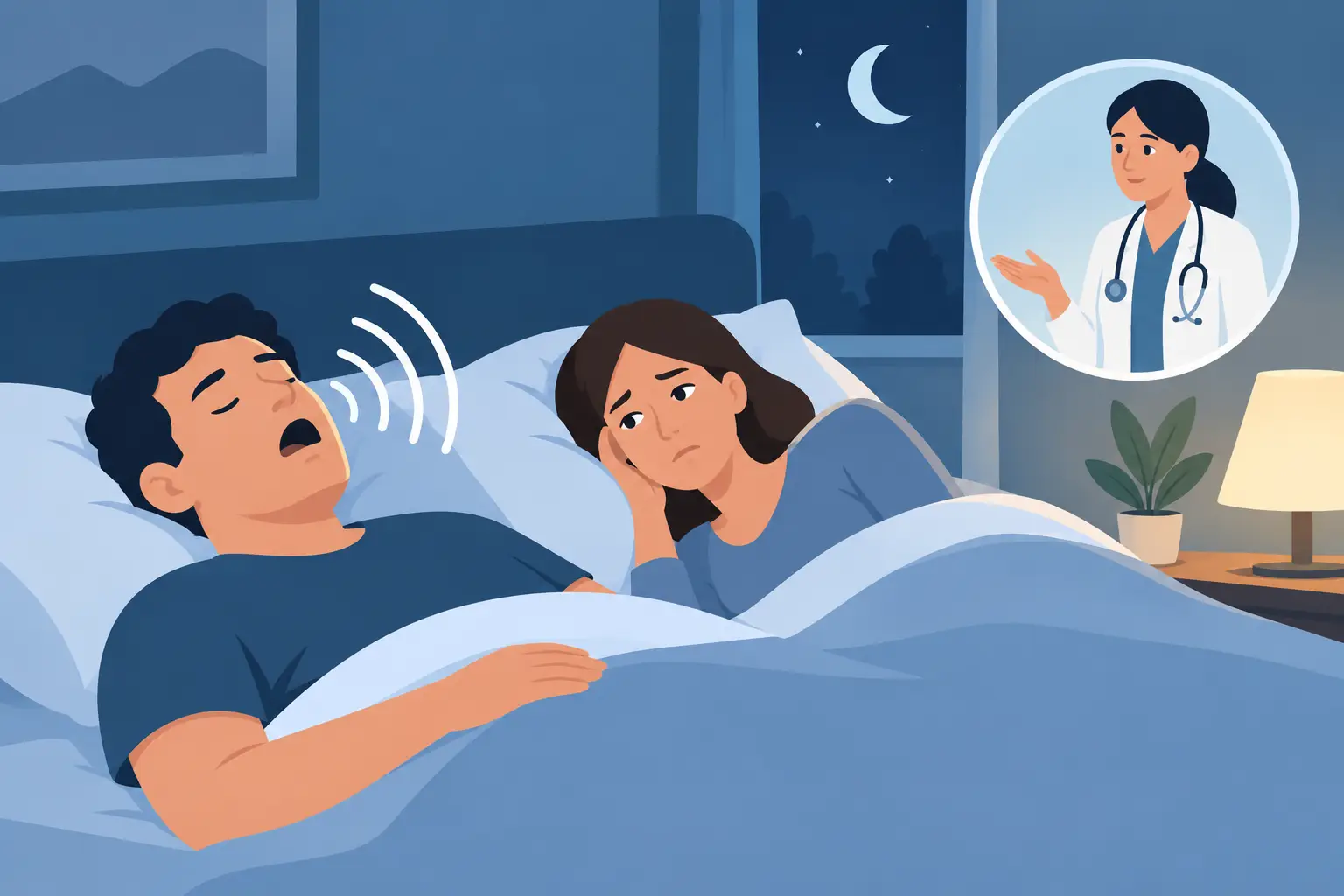
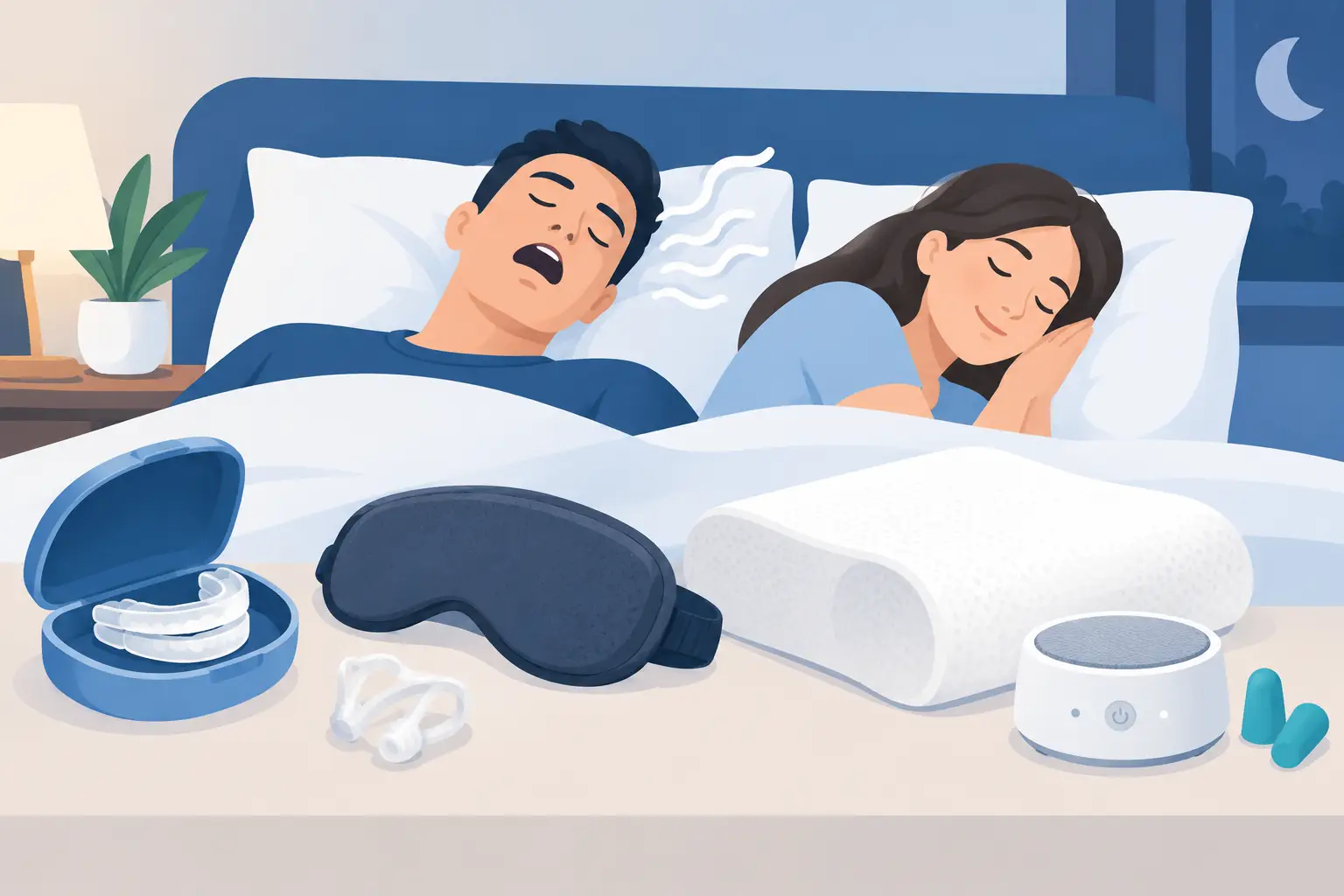
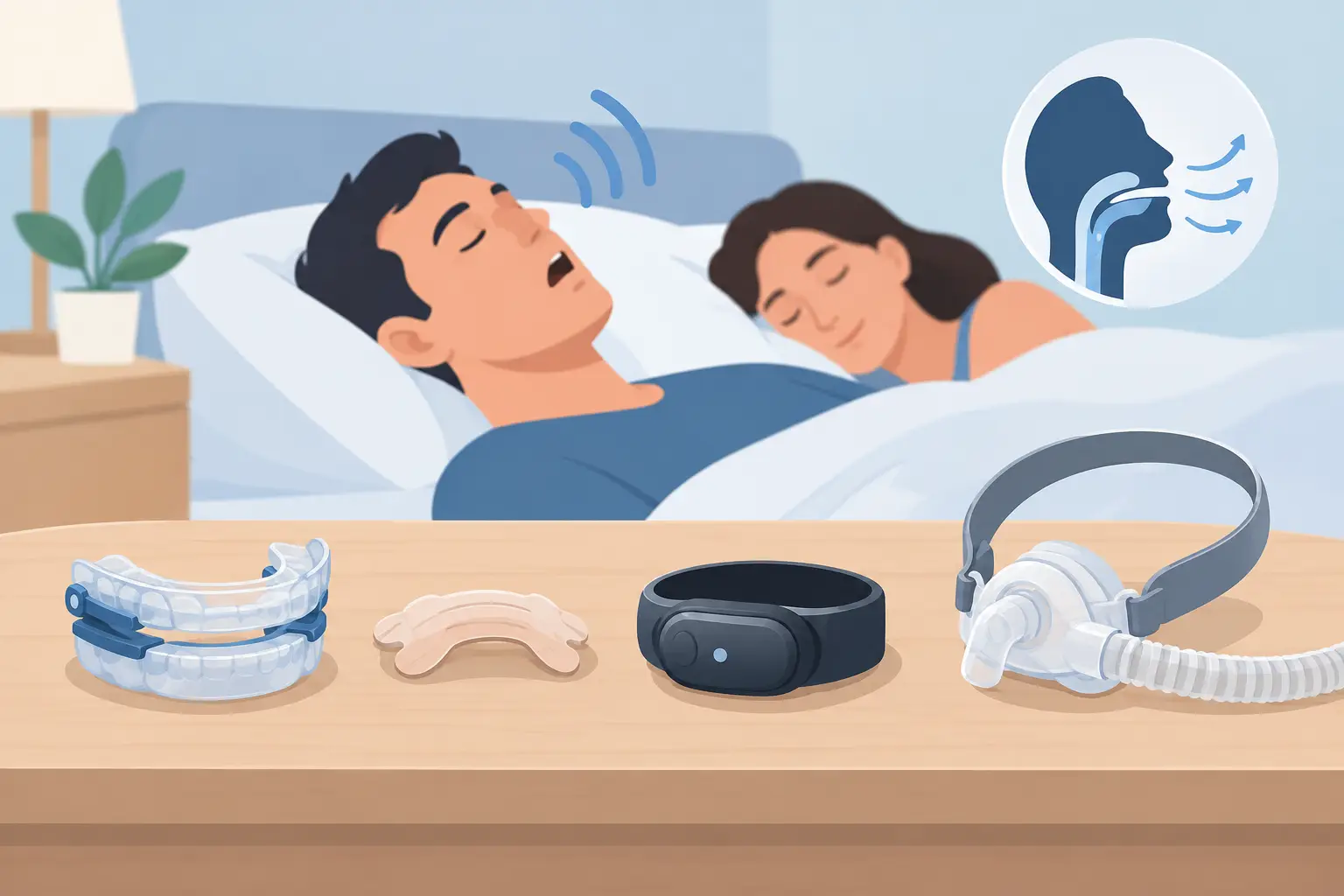
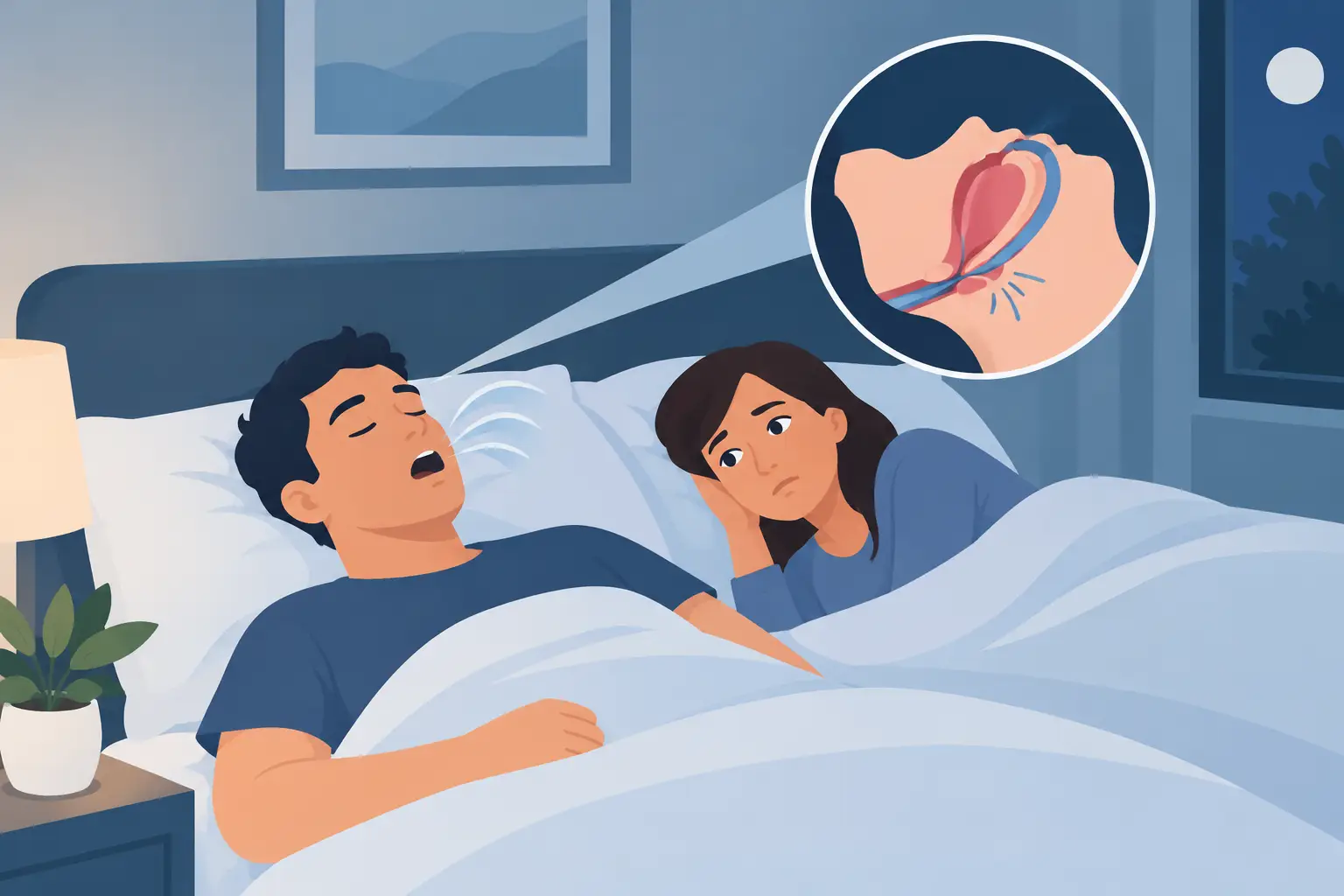
A snorer rarely hears the full problem. Their partner does – the rattling breaths at 2am, the elbow nudges, the move to the spare room and the exhaustion that follows both people into the next day. The best sleep accessories for snorers are not necessarily the biggest or most complicated. They are the ones you can use comfortably and consistently.
Simple snoring happens when relaxed tissues in the throat vibrate as air passes through. That gives you more than one possible way to tackle it: improve airflow, encourage a better sleeping position or try a discreet wearable approach. The right choice depends on what triggers your snoring and what you are genuinely willing to wear night after night.
8 best sleep accessories for snorers
1. An anti-snoring ring
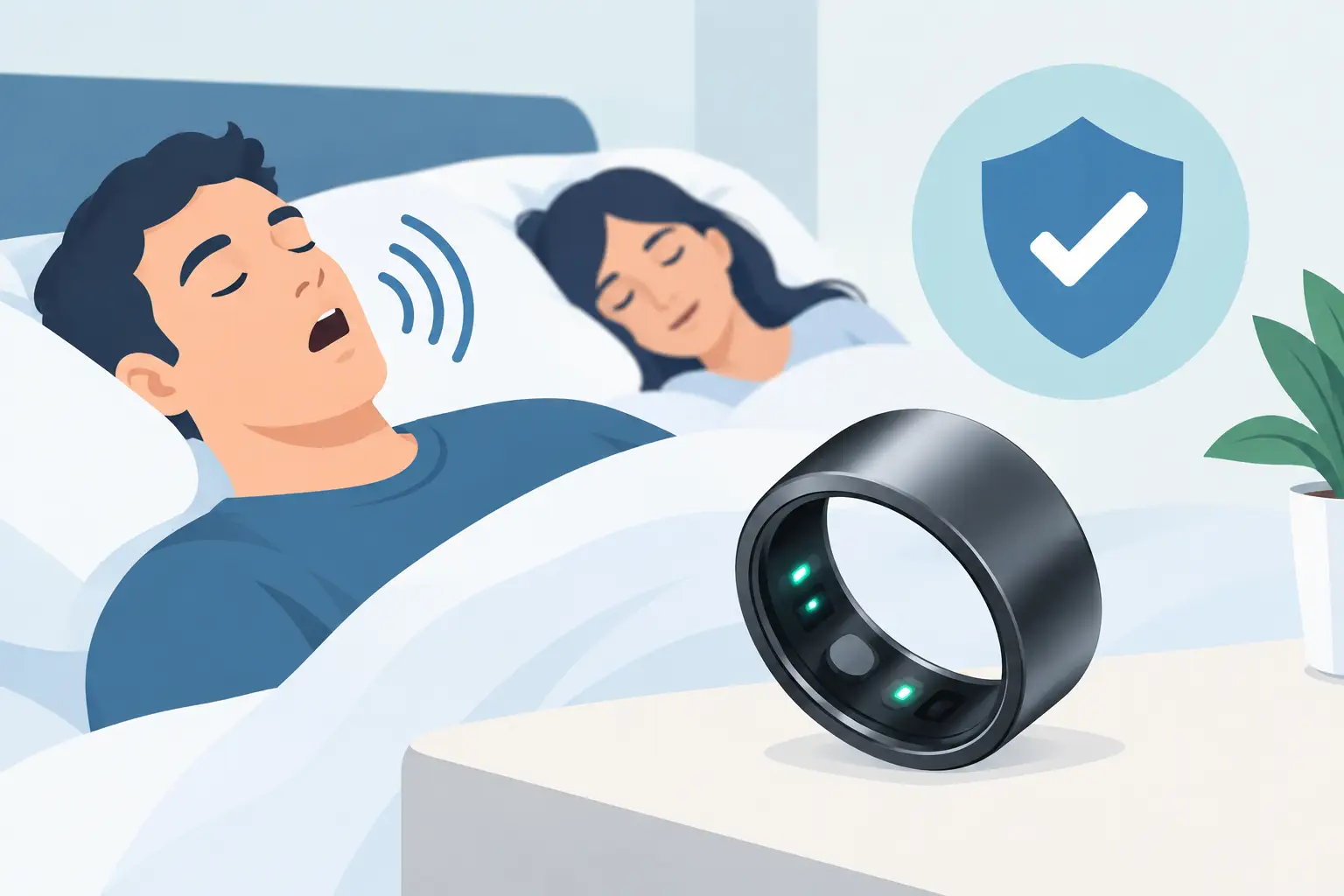
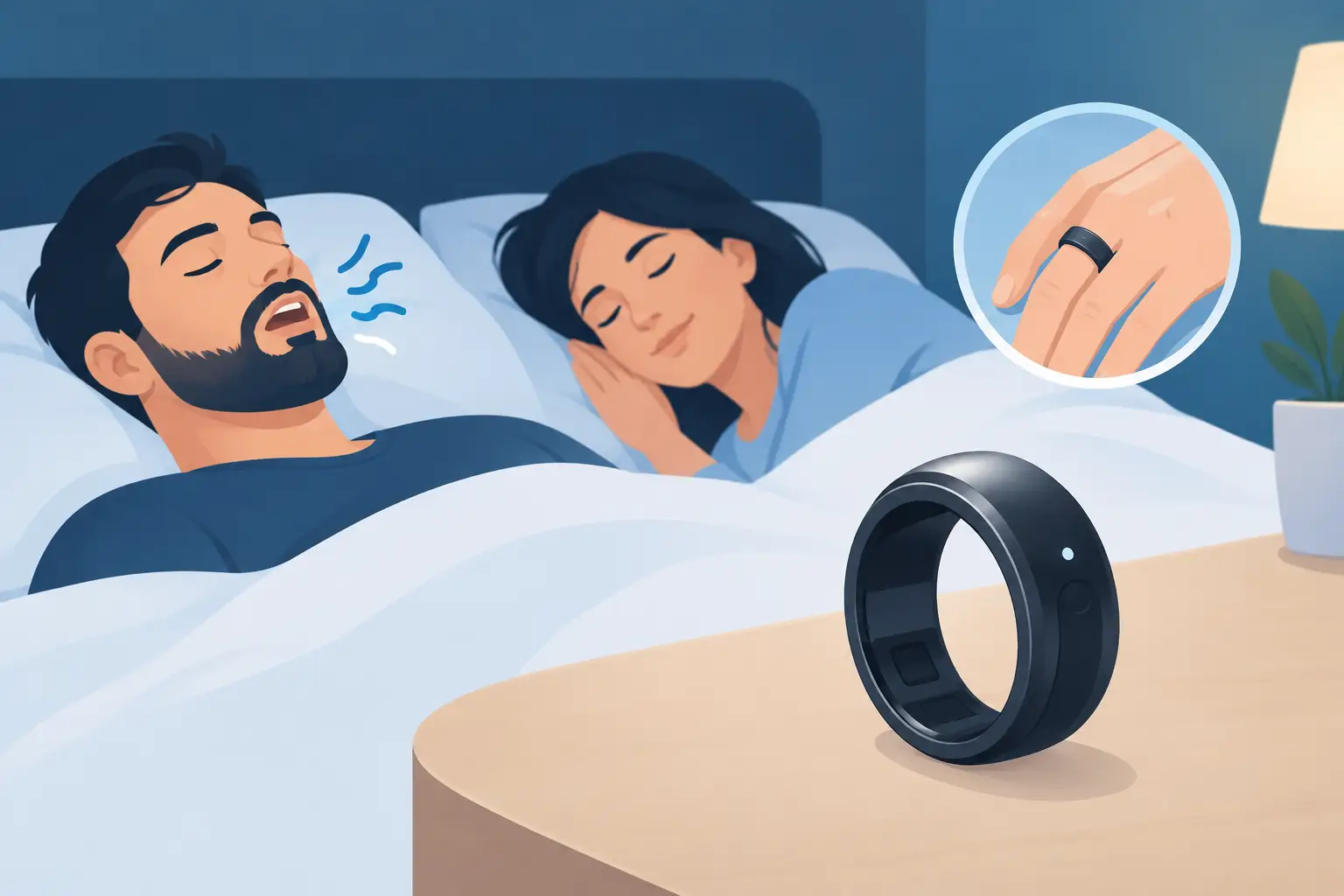
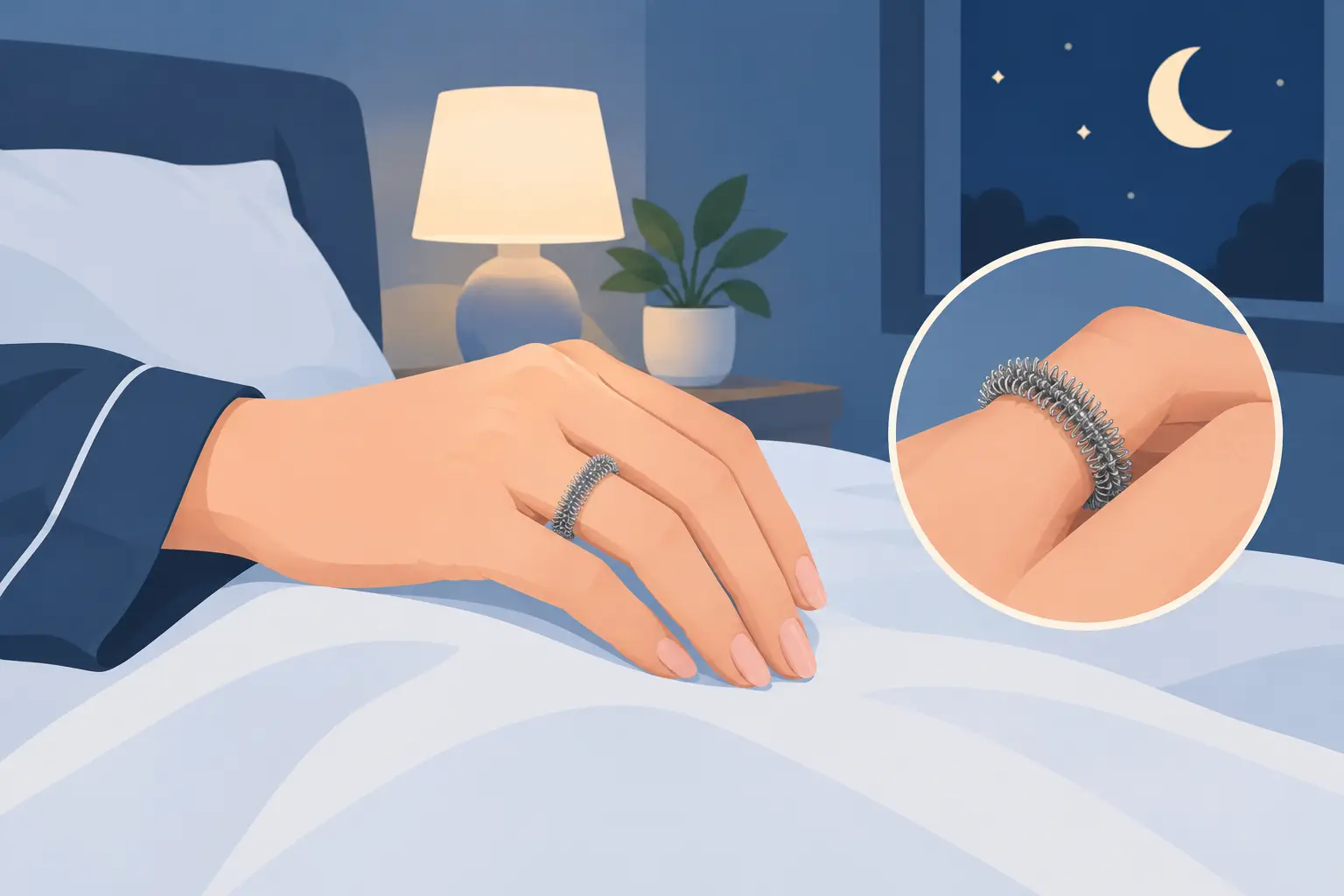
For people who want to avoid bulky equipment, an anti-snoring ring is one of the most discreet options. Worn on the little finger, it applies gentle pressure to acupressure points while you sleep. There is no battery to charge, no mouthpiece to mould and no spray or tablet to remember.
The Good Night Anti-Snoring Ring is the original stop snoring ring and is clinically trialled for simple snoring. It is designed for people who want a natural, non-invasive option without turning bedtime into a routine of straps, adhesives and devices. It will not work for everyone – no anti-snoring solution can honestly promise that – but its 30-day money-back guarantee gives you a fair opportunity to see whether it suits you.
2. A supportive side-sleeping pillow
Snoring is often louder when you sleep on your back. In that position, the tongue and soft tissues can fall backwards more easily, narrowing the airway. A supportive pillow that makes side sleeping feel natural can therefore make a meaningful difference.
Look for a pillow that keeps your neck level rather than pushing your head sharply forwards or letting it sink too low. Contoured memory-foam pillows can be helpful, though some people find them too firm or warm. A well-filled standard pillow can work just as well if it supports your usual sleeping position.
3. A body pillow or positional sleep aid
If you start on your side but reliably wake on your back, a body pillow gives you something to lean into and can make side sleeping more stable. It is a simple choice for people who find small wedge pillows uncomfortable or restrictive.
Positional devices that sit against the back can also discourage rolling over. They are effective for some back sleepers, but comfort is the deciding factor. If an accessory makes you feel trapped or wakes you every time you move, it is unlikely to become part of a long-term routine.
4. Nasal strips
Nasal strips sit across the bridge of the nose and gently pull the nostrils open. They can help if congestion, narrow nasal passages or exercise-related swelling makes it difficult to breathe clearly through your nose at night.
They are inexpensive and easy to test, but they are not a universal snoring solution. A nasal strip cannot fix snoring that mainly comes from vibration in the throat. They can also irritate sensitive skin, particularly if used every night, so remove them slowly and stop if you develop soreness or a rash.
5. Nasal dilators
Unlike a strip that sits on the skin, a nasal dilator is a small insert that holds the nostrils open from inside. Some snorers prefer them because they stay in place even if you perspire or turn frequently during sleep.
The trade-off is that an internal device can take a few nights to get used to. Choose a soft, correctly sized design and keep it clean. If it feels painful, causes bleeding or blocks rather than improves airflow, it is not the right fit.
6. A humidifier
Dry bedroom air can leave the nose and throat irritated, especially during colder months when central heating is on. A humidifier may make nasal breathing more comfortable and reduce the dry-mouth feeling that many snorers recognise in the morning.
This is a supporting accessory rather than a direct cure. It is most useful when dryness or mild congestion is part of the picture. Clean it exactly as instructed: a poorly maintained humidifier can circulate mould and bacteria, which defeats the point of making your bedroom more comfortable.
7. An adjustable bed wedge
Gently raising the upper body can help some people breathe more freely and can be particularly useful for snoring linked with reflux. A foam bed wedge is usually less expensive than an adjustable bed and gives you a clear way to test whether elevation improves your nights.
Avoid piling up several soft pillows. That often bends the neck forwards, feels uncomfortable and can worsen posture. A proper wedge supports the upper back and shoulders, creating a gradual incline instead of a sharp bend at the neck.
8. A travel-friendly white noise machine
This accessory does not stop snoring, so it should never be sold as a treatment. But for a partner who is still being disturbed while you test a snoring remedy, steady background sound can soften irregular noises and make it easier to fall asleep again.
Choose a machine with a consistent, low sound rather than a loop with obvious breaks. Many couples find that white noise is most helpful as a temporary sleep-saving measure, not as a reason to ignore persistent, worsening snoring.
How to choose sleep accessories for snorers
Start with the most likely cause of your snoring. If it is noticeably worse on your back, a side-sleeping pillow, body pillow or wedge is a sensible first step. If you often have a blocked nose, strips or a nasal dilator may be worth trying. If you want a low-profile option that does not alter how you sleep, a ring may be the more practical choice.
Comfort matters as much as the theory behind any product. A mouthguard may help one person yet feel impossible for another to tolerate. Nasal accessories can be useful but will not appeal to everyone. The best accessory is one you can wear or use consistently for several weeks, because a single quiet night does not always tell you much.
Give one change enough time before adding three more. Keeping a brief note of sleeping position, alcohol intake, congestion and your partner’s observations can reveal patterns quickly. It also prevents you spending money on a drawer full of products without knowing what actually helped.
When accessories are not enough
Simple snoring is common, but loud snoring can sometimes be a sign of obstructive sleep apnoea. Speak to your GP rather than relying on accessories alone if you have breathing pauses, gasping or choking during sleep, severe daytime tiredness, morning headaches or difficulty concentrating. Your partner may notice these signs before you do.
You should also seek advice if snoring begins suddenly, becomes much worse or is affecting your quality of life despite sensible changes. A sleep accessory can support better rest, but it cannot replace proper assessment where a breathing disorder may be involved.
The aim is not to buy the most elaborate device on the market. It is to make bedtime quieter, more comfortable and less stressful for both of you – one realistic change at a time.