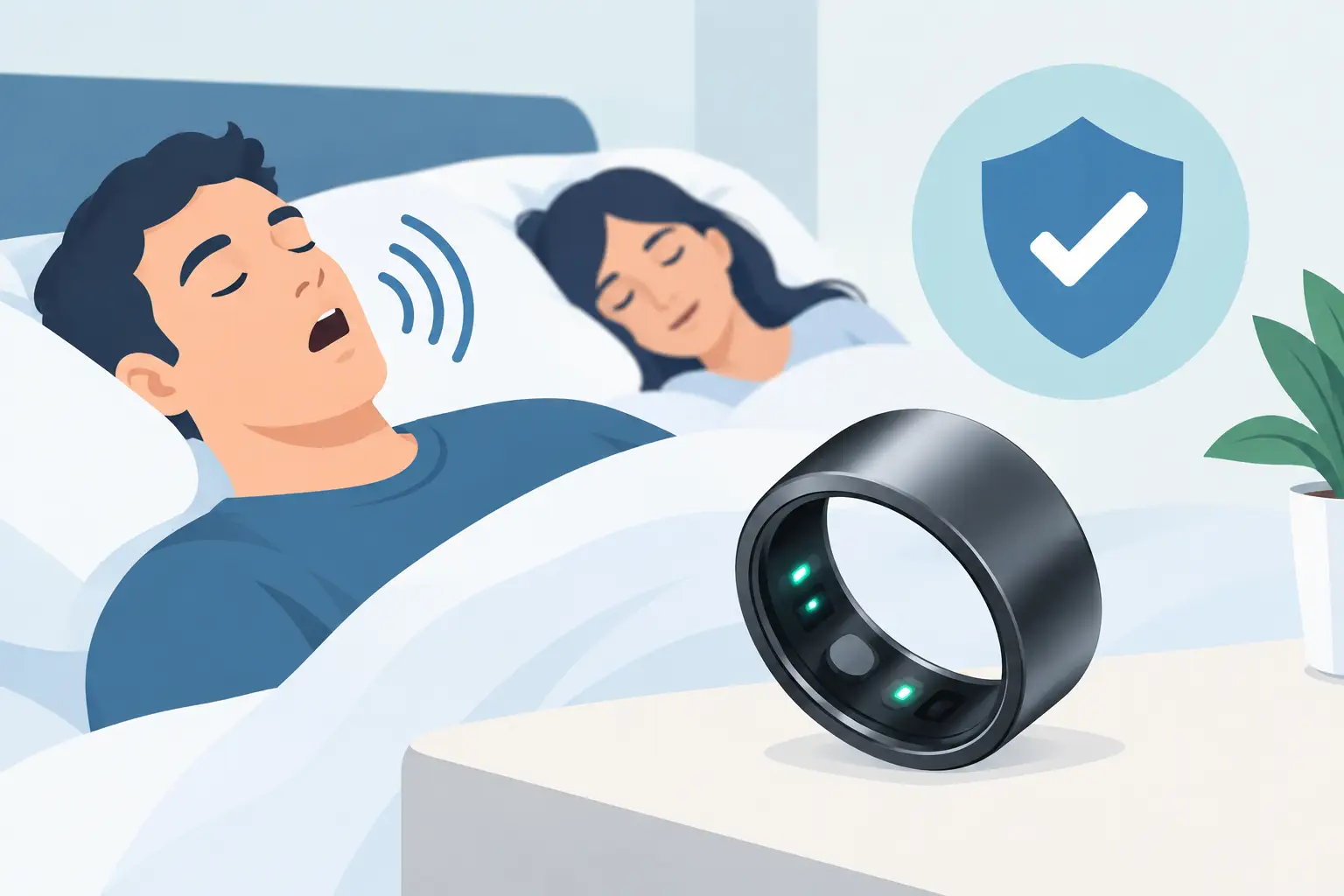
A ring is far less intimidating than a mouthguard, nasal device or medication. But when you plan to wear anything through the night, the sensible question is: is snoring ring safe nightly? For most adults using a well-made acupressure ring as directed, nightly wear can be a comfortable, non-invasive option for simple snoring. The key is choosing the right product, getting the fit right and knowing when snoring could be a sign of something that needs medical attention.
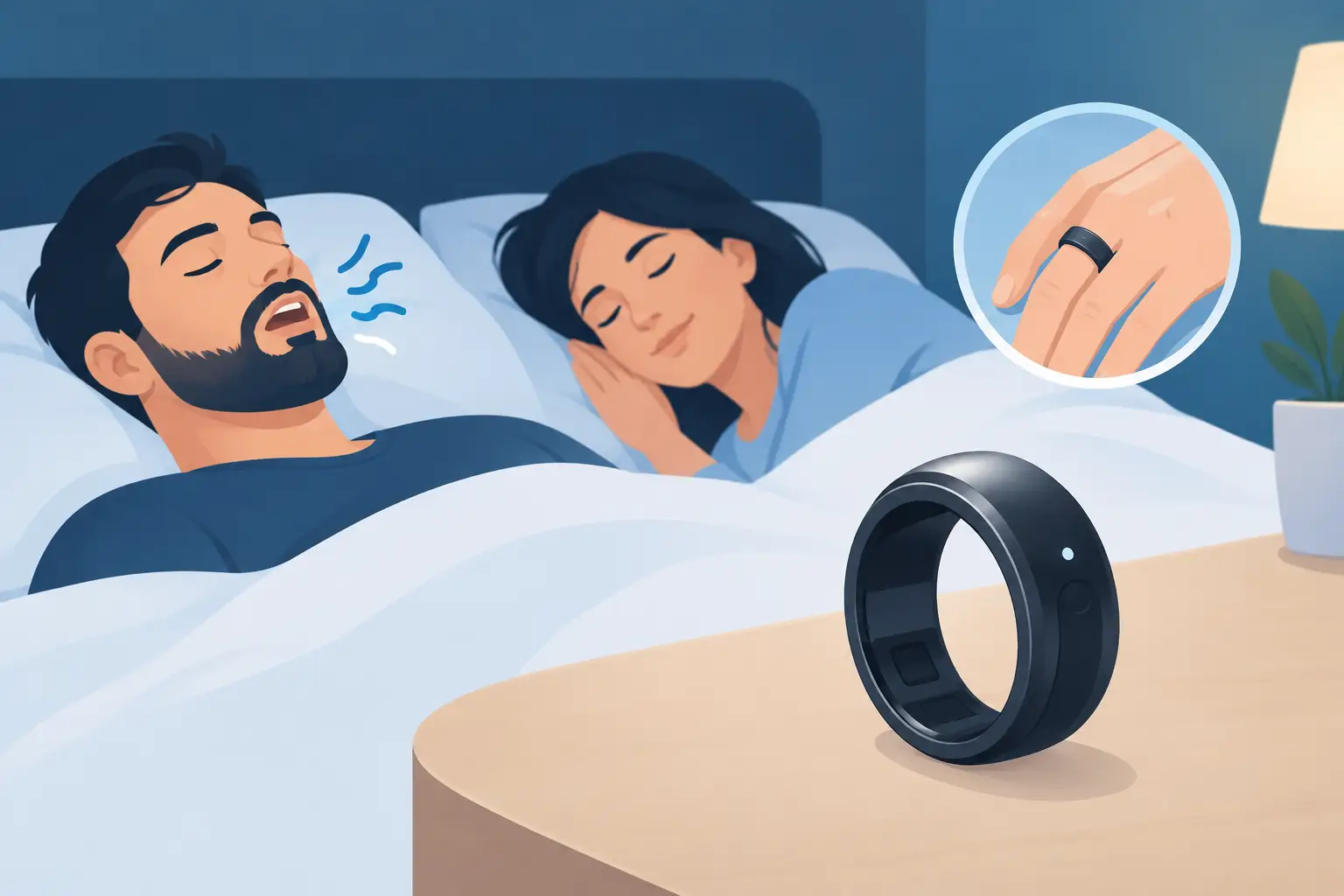
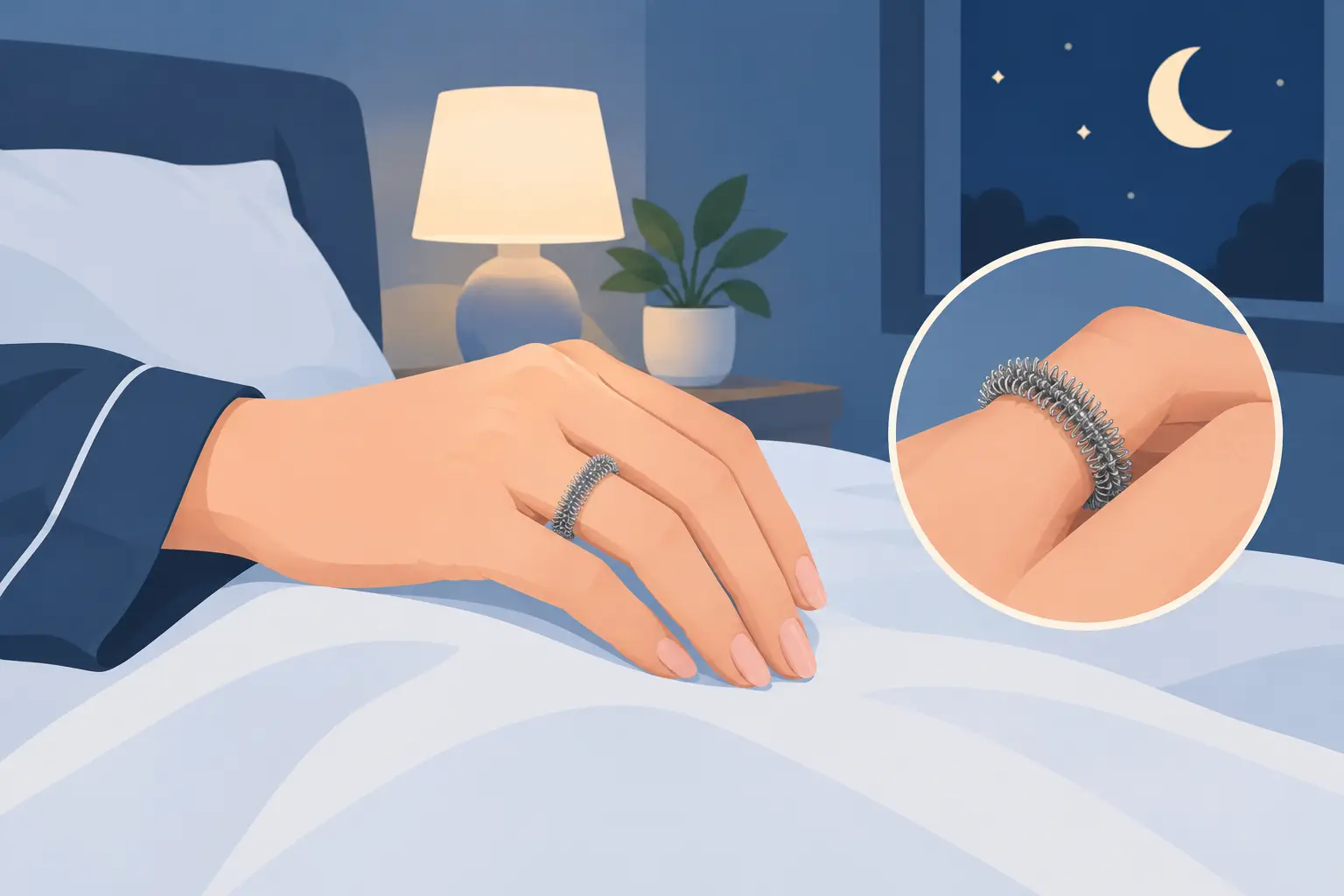
The Good Night Anti-Snoring Ring is designed to apply gentle pressure to specific acupressure points on the little finger while you sleep. There are no drugs, no batteries and nothing placed in your mouth. That simplicity is exactly why many snorers and their partners prefer it. Still, simple does not mean you should ignore your body.
Is a snoring ring safe nightly?
For adults with simple snoring, an acupressure-based snoring ring is generally intended for regular overnight use. It should sit securely on the little finger without pinching, numbness, throbbing or persistent discomfort. You should be able to forget it is there, rather than spend the night aware of it.
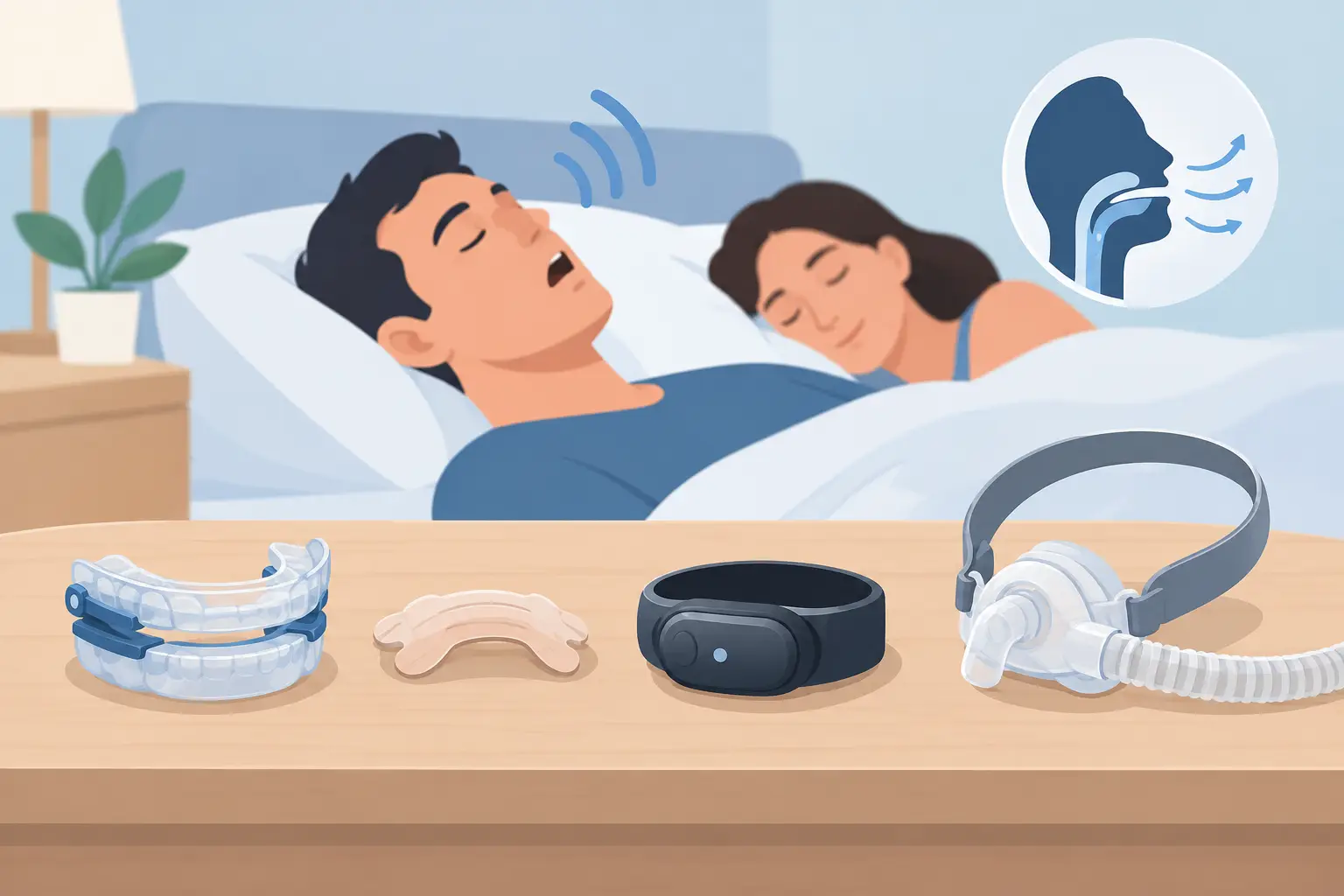
A properly fitted ring works externally. It does not alter your breathing with medication, force your jaw into position or obstruct your airway. This makes it a lower-intervention choice than many traditional snoring aids. However, every person is different. Skin sensitivity, finger swelling, circulation concerns and the underlying reason for snoring all affect whether nightly use is right for you.
A safe experience starts with realistic expectations. A snoring ring is made to help with simple snoring. It is not a treatment for obstructive sleep apnoea, and it cannot replace an assessment from a GP or sleep specialist where one is needed.
What comfortable nightly wear should feel like
The right fit matters more than people expect. A ring that is too loose may shift away from the intended pressure points. One that is too tight may leave deep marks, feel restrictive or irritate the skin. Your little fingers can also swell slightly overnight, particularly in warm rooms or after alcohol, salty food or a long day.
When you first use a snoring ring, wear it for a short period before bedtime to check how it feels. Then wear it overnight and inspect your finger in the morning. A light temporary indentation can happen with fitted jewellery, but pain, tingling, numbness, unusual colour changes or swelling are signs to remove it.
Keep the ring and your hands clean and dry. Moisture, hand cream and trapped soap residue can irritate skin beneath any ring, especially if it is worn for several hours. If you develop a rash, broken skin or ongoing soreness, stop wearing it until the area has settled. If symptoms persist, seek advice from a pharmacist or GP.
Who should take extra care?
Most questions about safety come down to individual health rather than the ring itself. If you have known circulation problems in your hands, nerve damage, severe arthritis affecting the fingers, an allergy to the ring material or a skin condition on the little finger, speak with a healthcare professional before making it part of your night-time routine.
Pregnant people, people managing diabetes and anyone taking medication for circulation may also want personalised advice, particularly if they notice altered sensation in their hands or fingers. This is not about causing alarm. It is about avoiding the common mistake of treating discomfort as something to push through.
Remove rings before bed if your hands are unusually swollen, injured or irritated. It is also sensible to remove the ring if you are unwell and experiencing fluid retention. Nightly use should feel easy. If it does not, pause and reassess the fit rather than forcing it.
The safety question that matters most: what kind of snoring is it?
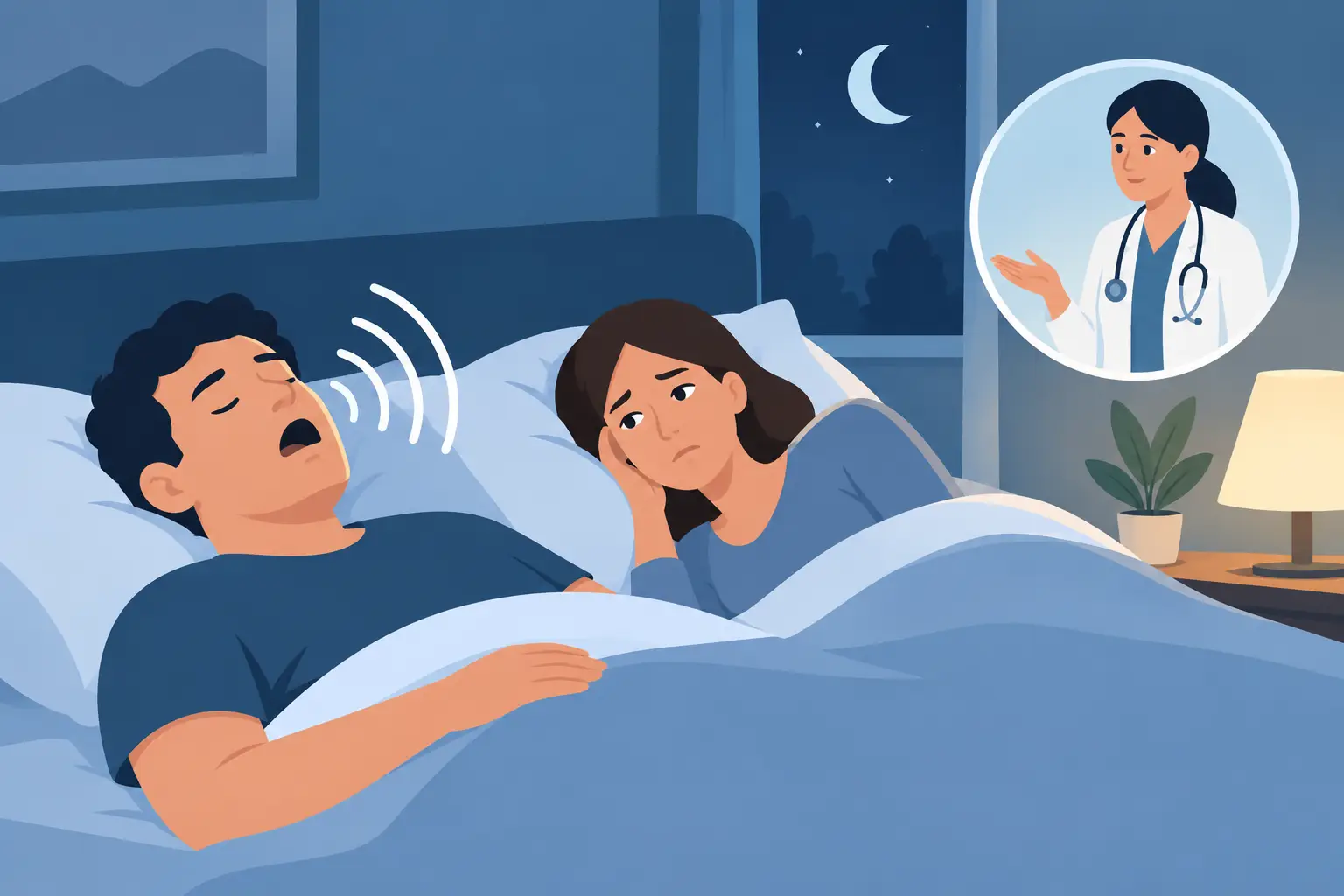
A snoring ring may be a practical option when snoring is simple, occasional or linked to sleeping position, nasal congestion, alcohol or tiredness. Yet loud snoring can sometimes sit alongside obstructive sleep apnoea, a condition in which breathing repeatedly narrows or stops during sleep.
Do not rely on an anti-snoring product alone if your partner has noticed pauses in your breathing, choking or gasping sounds, or if you wake suddenly short of breath. Morning headaches, excessive daytime sleepiness, poor concentration, waking frequently to urinate and high blood pressure can also be reasons to arrange a medical assessment.
This is particularly important if snoring has become markedly worse or has started alongside weight changes, persistent fatigue or sleep that never feels refreshing. Better sleep is the goal, but safety comes first. A ring can be part of a sensible plan for simple snoring, not a reason to overlook warning signs.
How to use a snoring ring responsibly every night
Start by following the fitting guidance supplied with your ring. The pressure points need to sit in the intended place on the little finger, but the ring should never be painfully tight. If you are between sizes, do not guess based on another piece of jewellery. The little finger is smaller, and a precise fit is central to comfort.
Give the ring a fair trial. Snoring often varies from one night to the next, depending on sleep position, stress, alcohol, congestion and how overtired you are. Ask your partner to notice not only whether the noise changes, but whether your sleep seems calmer and less disrupted. If you sleep alone, a snore-recording app may help you spot patterns, though it is not a medical diagnosis.
It also helps to support the ring with straightforward sleep habits. Sleeping on your side, limiting alcohol close to bedtime and keeping nasal congestion under control may reduce simple snoring further. These changes do not make the ring less effective. They address some of the same triggers from another angle.
Why product quality matters
Not every so-called snoring ring is made to the same standard. Cheap copycat products may look similar in a photograph but can differ in fit, finish, materials and the care taken over their intended use. A poorly finished ring with rough edges, weak shaping or uncertain materials is less likely to be comfortable night after night.
The original clinically trialled Good Night Anti-Snoring Ring is designed as a discreet, non-invasive option for people who want to avoid bulky sleep equipment. It is also backed by a 30-day money-back guarantee, which matters because no anti-snoring solution works for every person. Honest sleep support means allowing you to test comfort and suitability without pretending one product is a universal answer.
When to stop wearing it
Take the ring off straight away if your finger becomes numb, cold, pale, blue, painful or significantly swollen. Stop using it if you develop a persistent rash or if it repeatedly leaves marks that do not quickly fade. These are not signs that the ring is “working harder”. They mean the fit or your skin tolerance needs attention.
If the ring is comfortable but your snoring remains severe, your partner still hears breathing pauses, or you continue to feel exhausted in the day, book a GP appointment. The right next step may be a sleep assessment rather than another consumer remedy.
For simple snoring, a well-fitted acupressure ring can offer a refreshingly uncomplicated nightly routine. Listen to your body, take persistent snoring seriously and give both you and your partner the quieter night you have been missing.