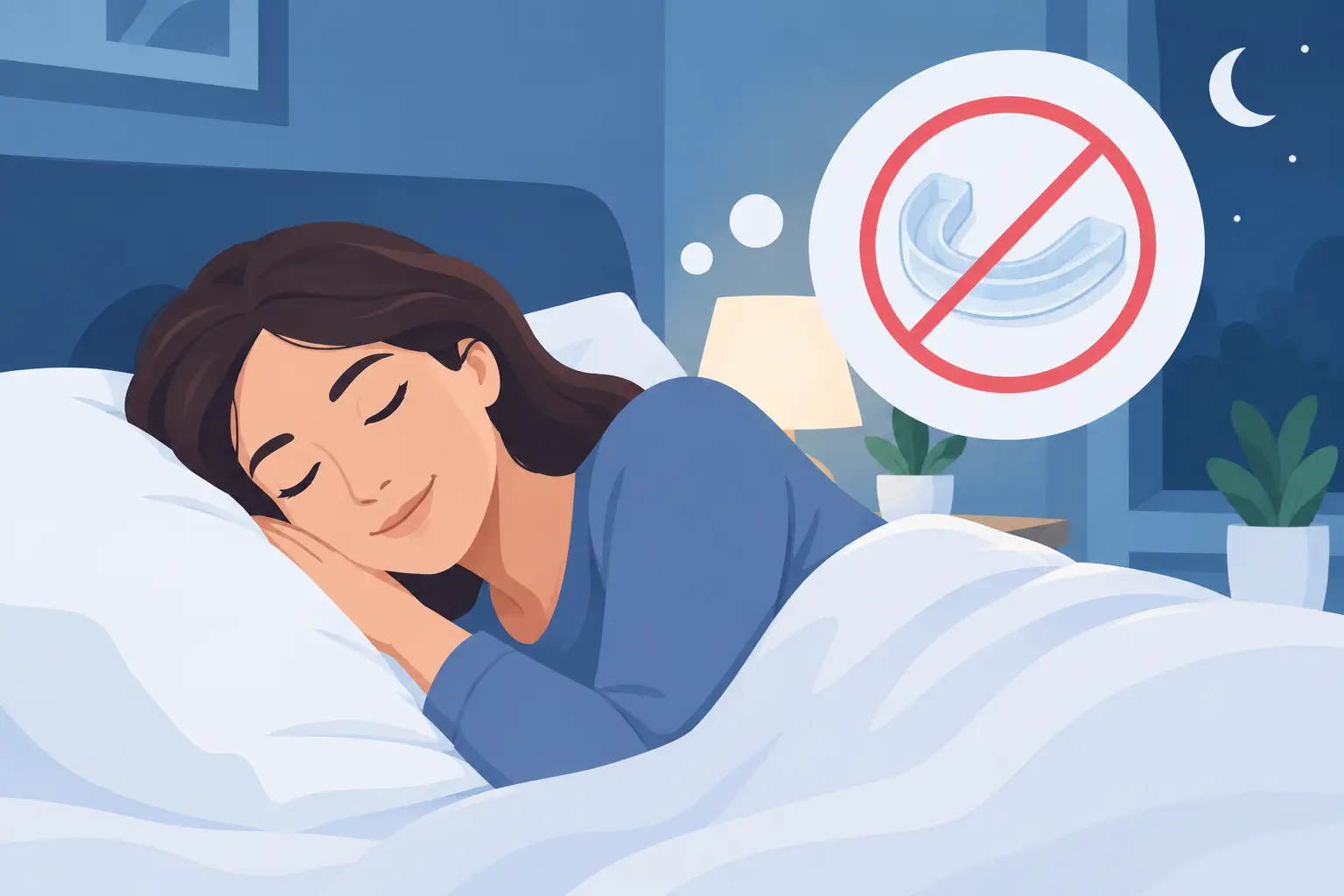
A mouthguard may be helping one problem while creating another. It can feel bulky, make your mouth dry, leave your jaw aching or simply make it harder to drift off. If you are searching for how to sleep without a mouthguard, the first step is knowing why you wear one. The safest alternative for snoring is not necessarily the safest alternative for teeth grinding or diagnosed sleep apnoea.
That distinction matters. You deserve a quieter, more comfortable night, but not at the expense of your teeth, jaw or breathing.
First, identify the type of mouthguard you use
People often call several different devices a mouthguard. A dentist may provide a night guard to protect teeth from clenching and grinding. An anti-snoring mouthpiece may hold the lower jaw forward to create more space in the airway. A medically prescribed oral appliance can be part of treatment for obstructive sleep apnoea.
These devices are not interchangeable. If your guard protects worn, cracked or painful teeth, stopping it without speaking to your dentist can allow further damage. You may wake with headaches, jaw tenderness or tooth sensitivity, even if you do not notice yourself grinding.
If you wear a mouthpiece only because of simple snoring, however, you may have more room to try a less intrusive approach. Many people find that a large plastic device solves one frustration by introducing several more: drooling, pressure on the teeth, sore gums and an uncomfortable sleeping position.
How to sleep without a mouthguard when snoring is the issue
Simple snoring happens when relaxed tissues in the nose, throat or mouth vibrate as air moves past them. Alcohol, nasal congestion, sleeping on your back and excess tiredness can all make that vibration louder. A mouthpiece attempts to change the jaw position, but it is not the only way to support a quieter night.
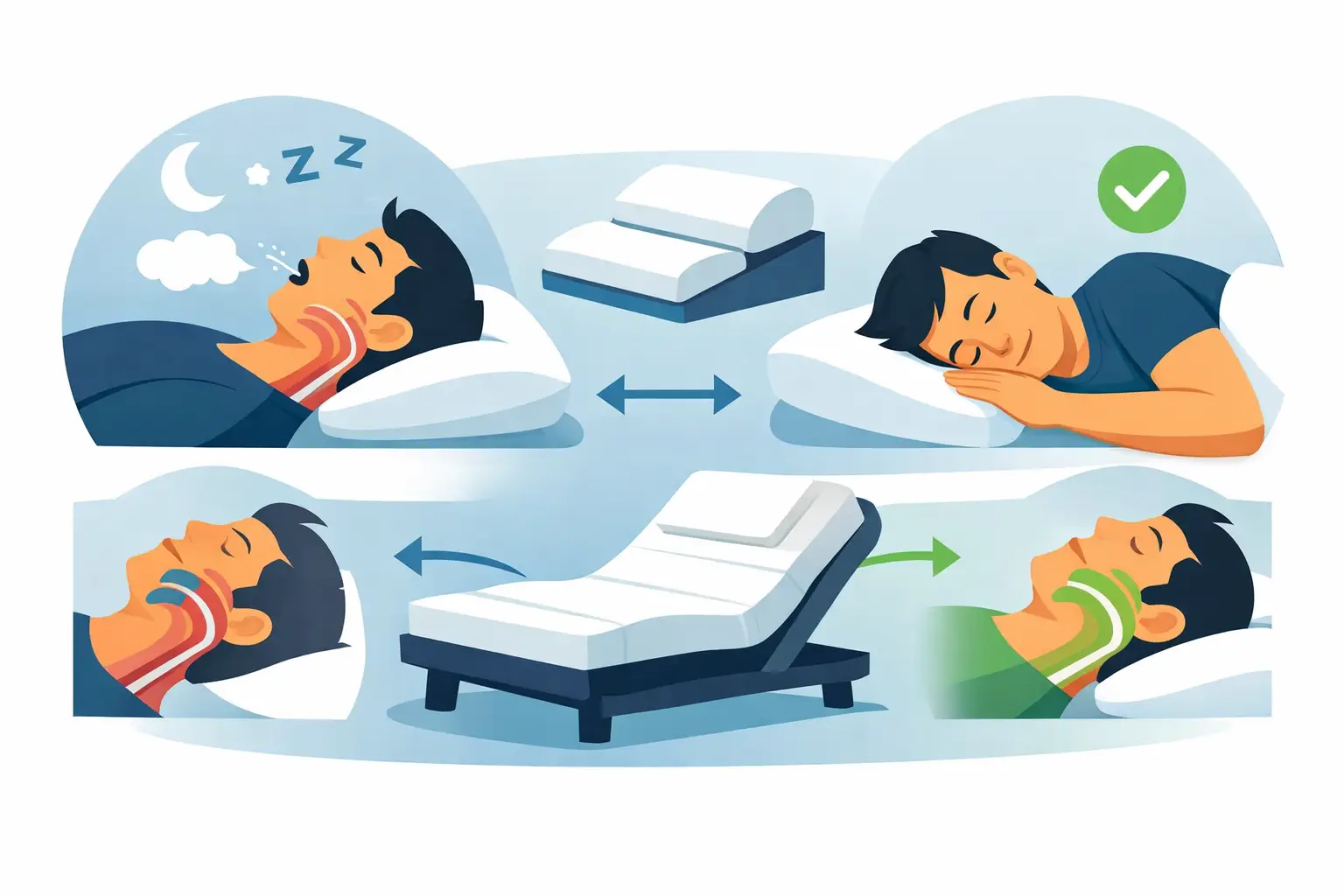
Start with the factors that are easiest to test for a week or two. Sleeping on your side rather than flat on your back can reduce snoring for some people, particularly when it is clearly position-related. Raising the head slightly with a supportive pillow may also help, although piling up soft pillows can bend the neck forward and make breathing less comfortable.
Evening habits count too. Alcohol close to bedtime relaxes airway muscles and can make snoring more pronounced. Heavy late meals, smoking and sedating medicines may have a similar effect for some people. Avoid changing prescribed medication on your own, but do discuss troublesome snoring with a pharmacist or GP if you think a medicine could be contributing.
Nasal blockage deserves attention. A saline rinse, allergy management or treatment for a persistent blocked nose may make nasal breathing easier. If congestion is frequent, longstanding or accompanied by sinus pain, get professional advice rather than relying on nightly workarounds.
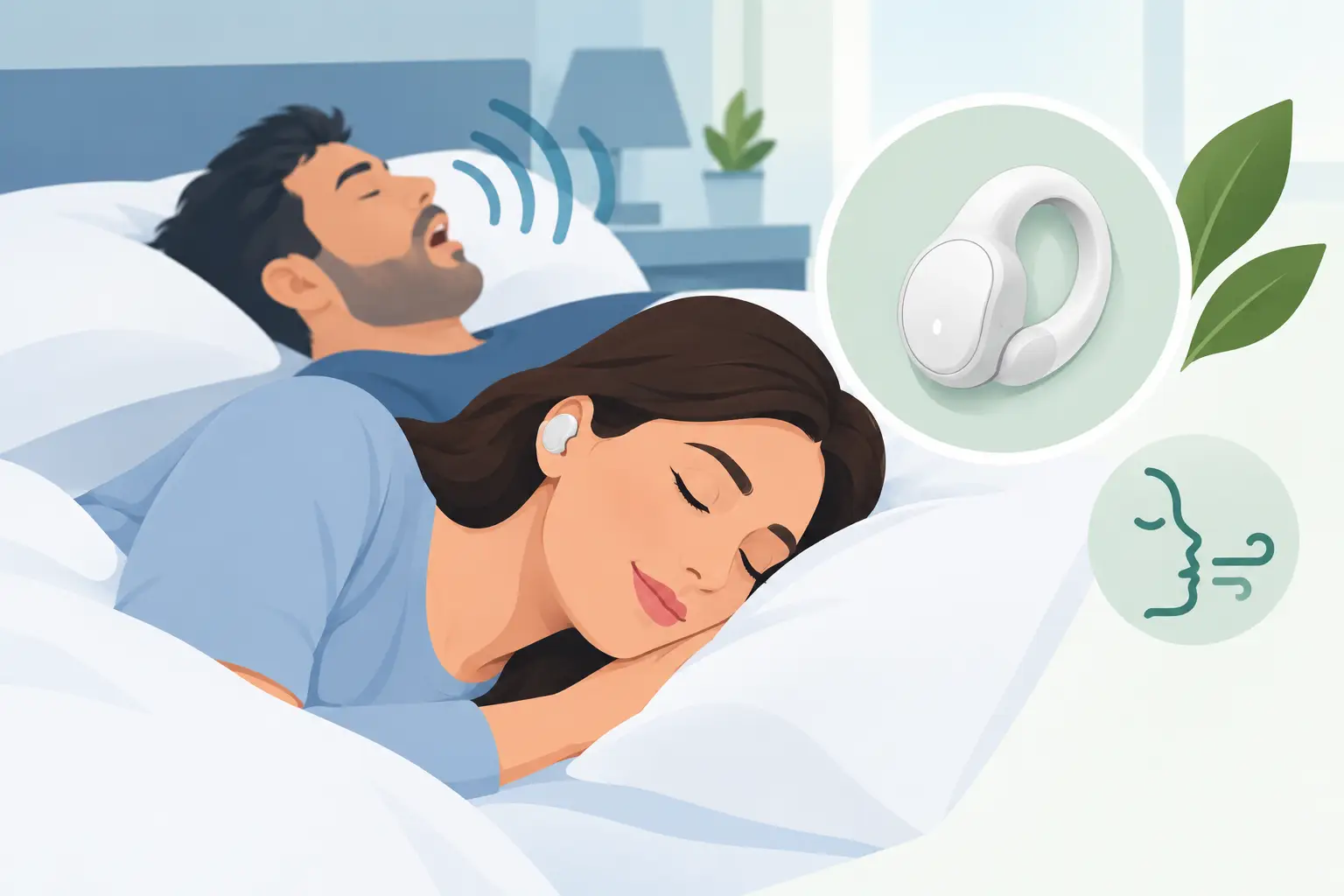
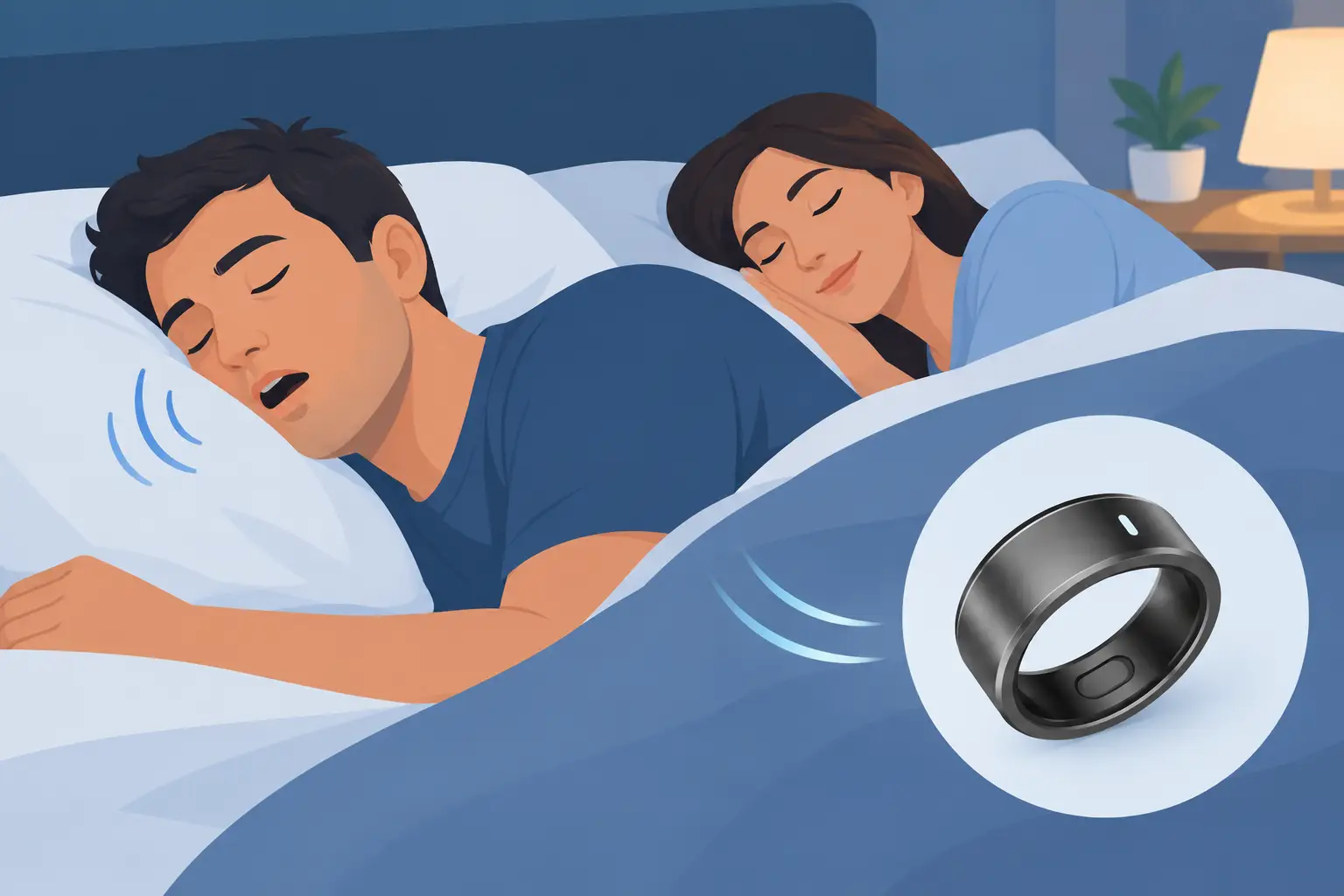
For people who want an alternative to a mouthpiece, an acupressure ring can be a discreet option. The Good Night Anti-Snoring Ring is the original stop snoring ring: a clinically trialled wearable designed to apply pressure to specific points on the little finger while you sleep. It is non-invasive, contains no medication and avoids the bulk of a device inside your mouth. Like any snoring solution, it will not work for everyone, which is why a proper refund guarantee matters when you are trying a new approach.
Give your mouth and jaw a chance to settle
If you have been using an anti-snoring mouthpiece and your dentist or clinician agrees you can stop, expect an adjustment period. Your jaw may have become accustomed to being held in one position. Mild stiffness should improve, but sharp pain, locking, clicking that worsens or difficulty chewing is a reason to seek dental advice.
A calmer wind-down can help you sleep while you test a mouthguard-free routine. Try to keep your bedtime and wake-up time reasonably consistent, dim lights in the hour before bed and keep the bedroom cool and quiet. These measures will not treat a blocked airway, but they can stop discomfort and anxiety about sleep from becoming their own problem.
Dry mouth is another common complaint after wearing an oral device. Hydrating well through the day, treating nasal congestion and avoiding alcohol late in the evening can help. Do not overdo drinks immediately before bed if repeated trips to the loo are already interrupting your sleep.
Do not stop a protective dental guard without advice
A grinding guard is different from an anti-snoring mouthpiece. It is there to take the force of clenching so your teeth do not have to. If yours is cracked, poorly fitted, painful or too bulky, the answer may be an adjustment or a new custom-made guard rather than sleeping without one.
Talk to your dentist before leaving it out, especially if you have crowns, veneers, implants, a history of cracked teeth or morning jaw pain. They can check whether you are still grinding, look for signs of wear and assess whether stress, bite changes or jaw joint issues need attention.
There are practical ways to make a dental guard easier to tolerate. A dentist can often smooth a rough edge, reassess the fit or discuss a slimmer design where appropriate. Keeping it clean also matters. An unpleasant taste or smell can make anyone reluctant to wear a device at night.
Know when snoring needs medical assessment
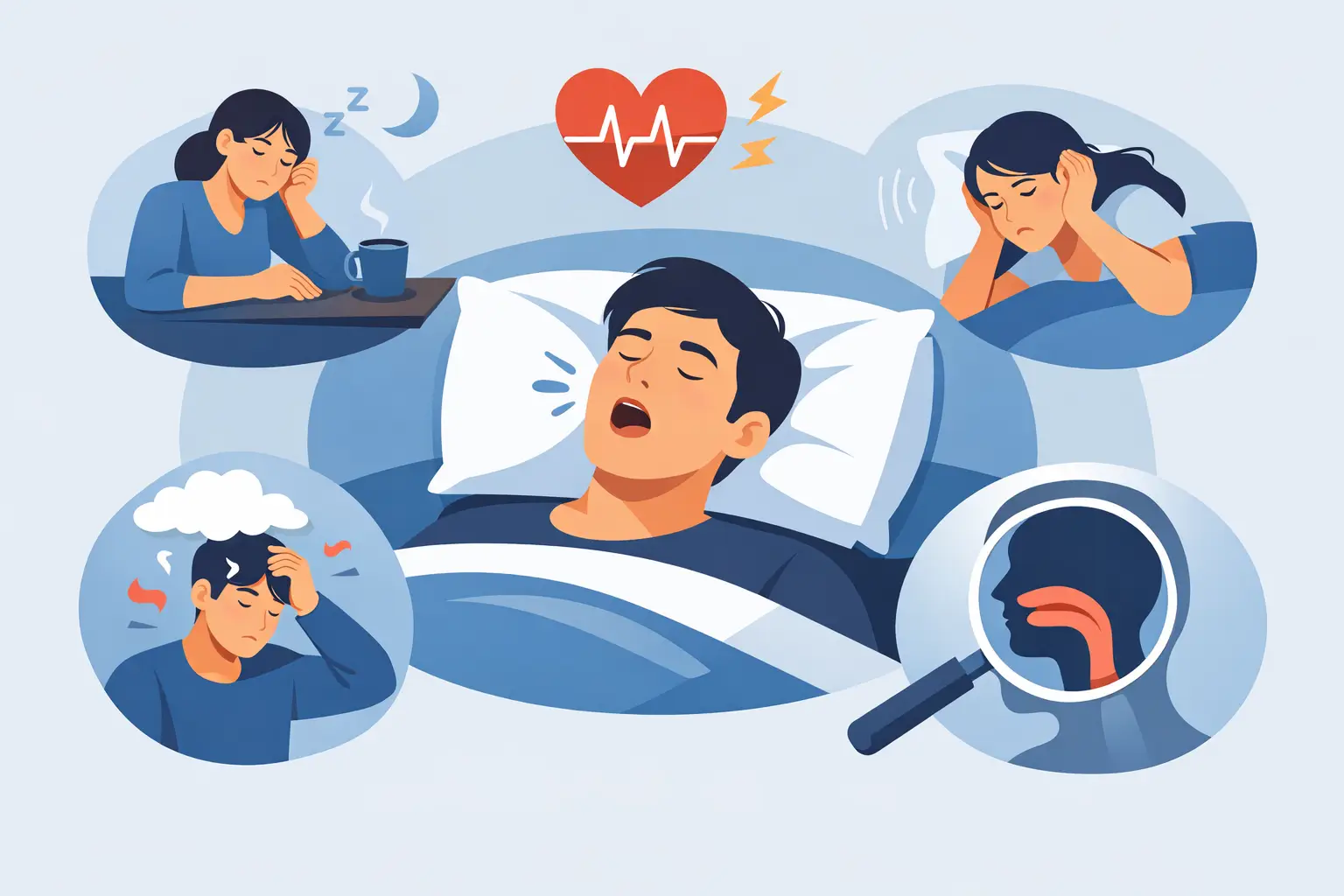
Not all snoring is simple snoring. Obstructive sleep apnoea involves repeated narrowing or closure of the airway during sleep. It can leave you exhausted even after a full night in bed, and it needs proper assessment. A ring, positional change or over-the-counter mouthpiece should not replace treatment recommended for sleep apnoea.
Speak to a GP if you or your partner notice any of the following:
- Pauses in breathing, choking or gasping during sleep
- Severe daytime sleepiness, especially when driving or working
- Morning headaches, poor concentration or waking unrefreshed
- High blood pressure, or snoring that has become suddenly much worse
It is also wise to get advice before changing an oral appliance that was prescribed by a sleep specialist. A well-fitted mandibular advancement device may be an effective part of a wider treatment plan, even if it is not your favourite thing to wear.
Make the change one step at a time
Trying to sleep without a mouthguard does not have to mean making a permanent decision after one difficult night. If the device is for simple snoring, choose one change, use it consistently and ask your partner what they notice. Their experience is useful, but pay attention to your own sleep quality too: fewer complaints are not enough if you wake feeling worse.
If the mouthguard is for grinding, let your dentist guide the decision. If snoring comes with breathing pauses or overwhelming fatigue, let a GP investigate it. And if your goal is simply a quieter bedroom without a bulky mouthpiece, a comfortable, non-drug option may be the change that makes bedtime feel manageable again.