Blog
Single Post

Best Natural Snoring Devices That May Help
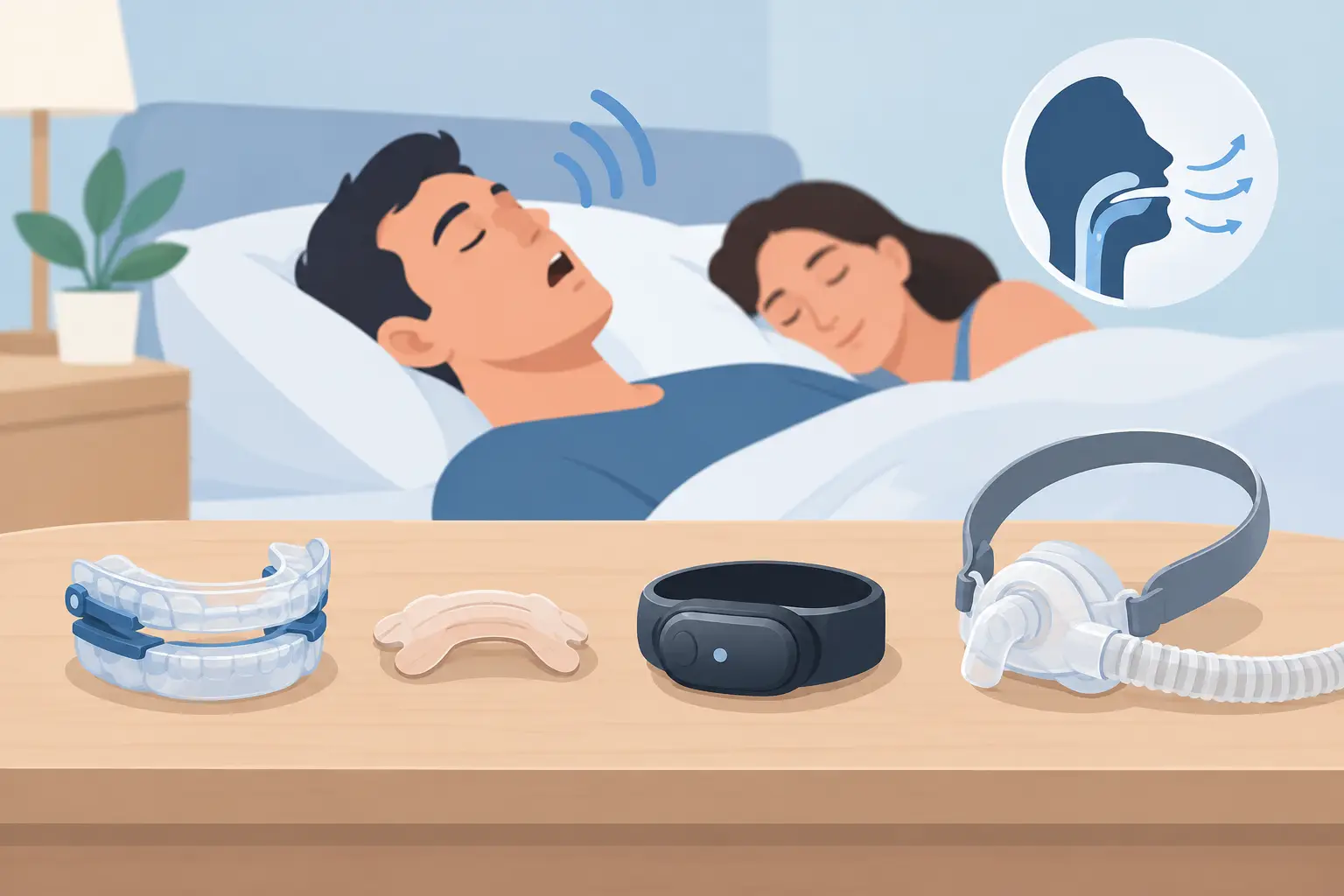
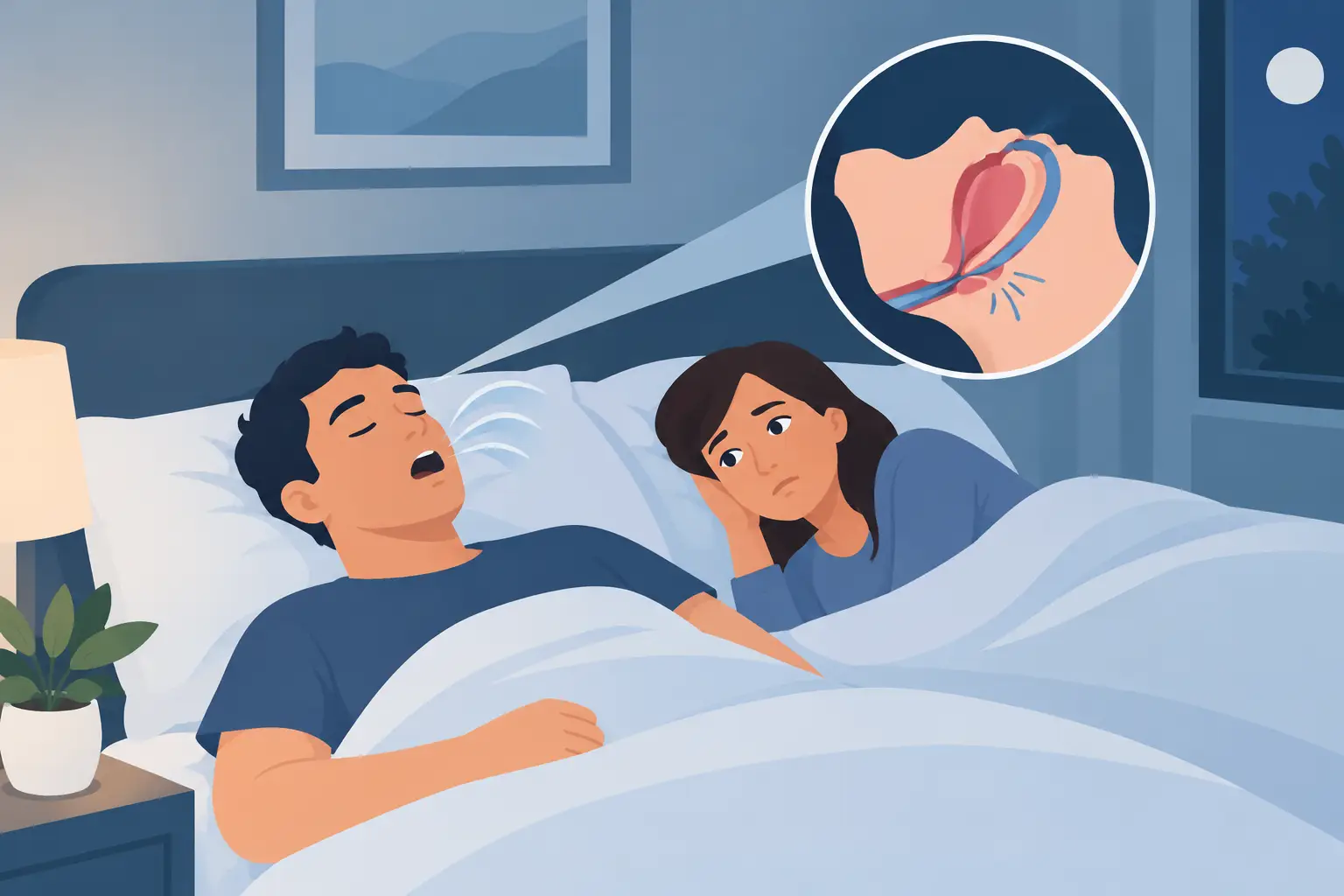
A spare-room night, nudges in the ribs, and another morning where one of you feels as though you barely slept: that is the real cost of snoring. The best natural snoring devices are designed to make nights quieter without medication, surgery or a bulky machine beside the bed. But the right choice depends on why you snore in the first place – and on what you will genuinely wear night after night.
For many people, simple snoring is linked to relaxed tissues in the throat, sleeping on the back, a blocked nose, alcohol, or tiredness. A natural approach can be a sensible first step. It should be comfortable, discreet and low-risk, rather than another complicated routine that ends up in a drawer.
What makes a snoring device worth trying?
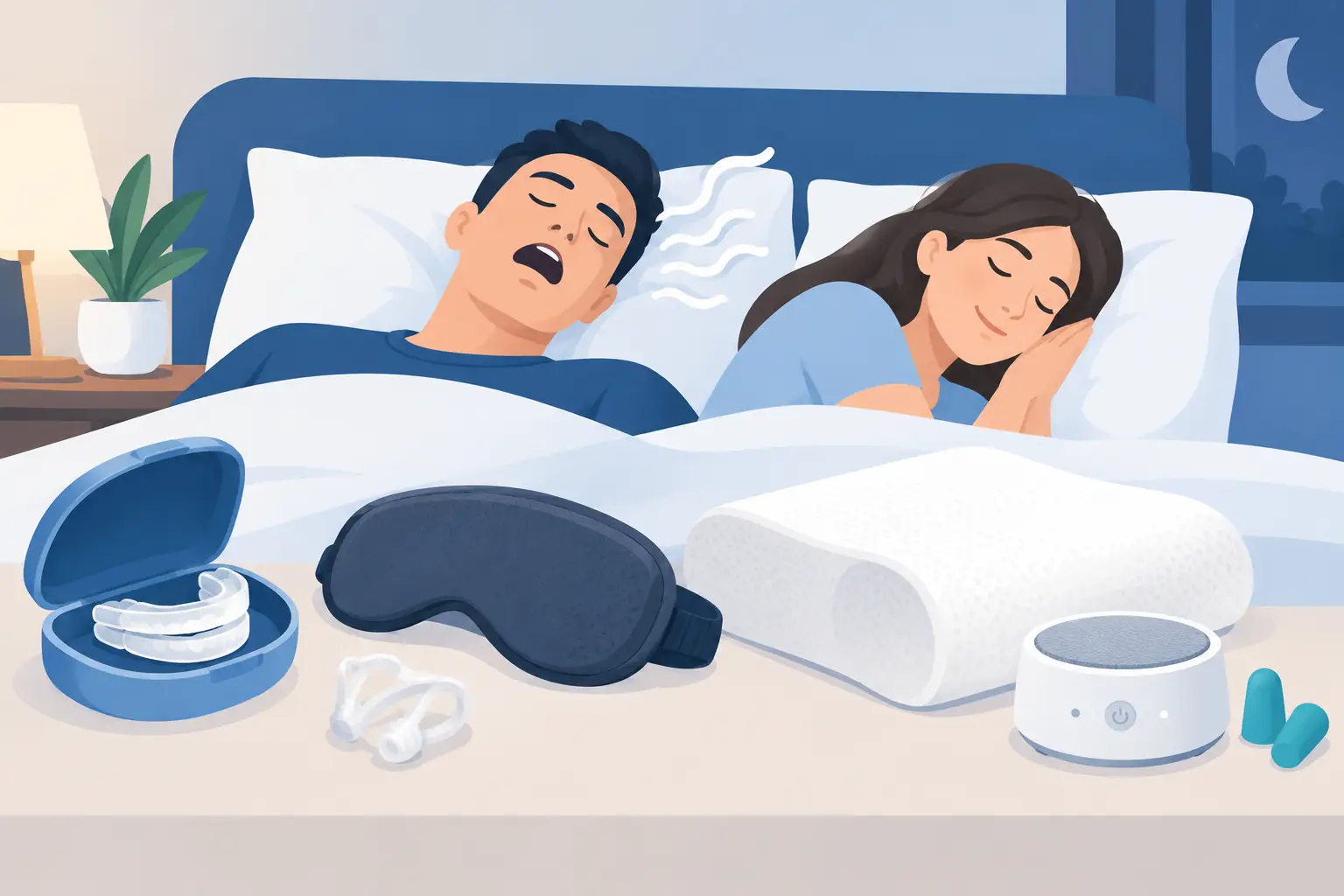
A good anti-snoring device does not need to be dramatic. It needs to address a likely cause of your snoring and be easy enough to use consistently. Nasal aids may suit someone whose snoring gets worse with congestion. Positional products can help a person who only snores on their back. A small wearable can appeal when comfort and simplicity matter most.
Be wary of products that promise the same result for every person. Snoring has different triggers, so no honest solution works for everyone. The strongest choice is one with a clear mechanism, credible evidence where available, and a proper returns policy if it is not right for you.
There is also a practical point that is easy to overlook: your partner needs to be able to sleep with your chosen solution too. A device that is technically effective but noisy, uncomfortable or awkward can create a different bedtime problem.
Best natural snoring devices to consider
Acupressure snoring rings
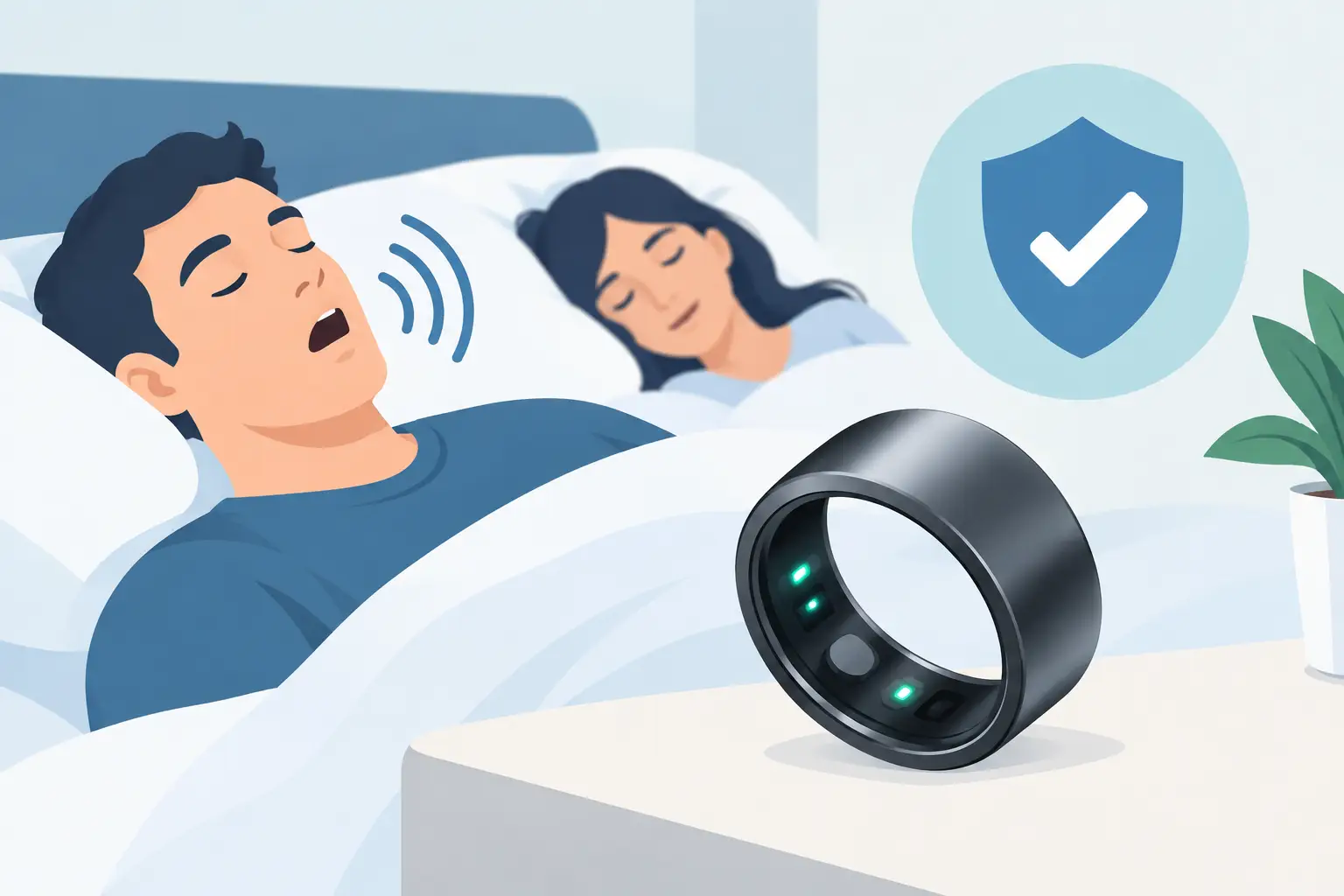
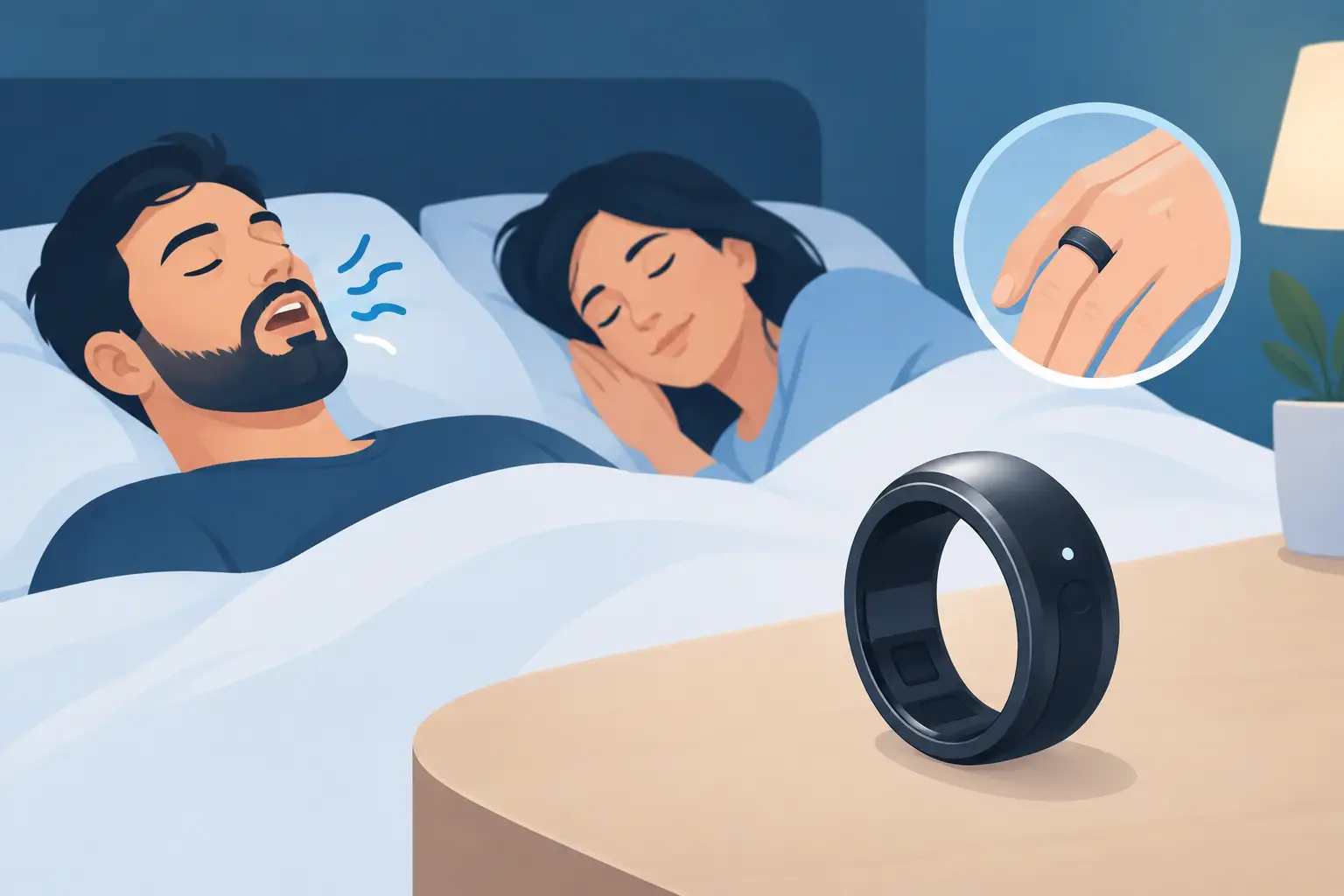
An acupressure ring is a small wearable placed on the little finger before sleep. It applies gentle pressure to specific points and is intended to support quieter breathing without putting anything in the mouth or nose. For people who dislike mouthpieces, adhesive strips and larger equipment, its appeal is obvious: it is discreet, portable and takes seconds to use.
The Good Night Anti-Snoring Ring is the original stop snoring ring and has been clinically trialled as a non-invasive option for simple snoring. It is designed for people who want a straightforward nightly routine rather than a device that changes how they breathe or sleep. It will not be the answer for every snorer, but a 30-day money-back guarantee gives you room to judge it properly in your own bed, with your own partner.
Fit matters with any ring. It should sit securely and comfortably throughout the night, not feel painfully tight or distract you from sleep. Allow a few nights to get used to the sensation, then assess whether your snoring and your partner’s sleep are improving.
Nasal strips and internal nasal dilators
If your snoring begins with a stuffy or narrow-feeling nose, nasal strips or internal dilators may help. Strips lift the sides of the nose from the outside, while dilators gently support the nostrils from within. Neither is a cure for throat-based snoring, but they can improve airflow for people whose nasal congestion is a major factor.
Their main benefit is that they are simple and drug-free. The trade-off is that strips may lose adhesion overnight, particularly on oily skin, and internal dilators are not comfortable for everyone. If you have persistent congestion, allergies or sinus symptoms, addressing that cause may matter more than changing devices.
Positional sleep aids
Back sleeping can make snoring louder because gravity allows the tongue and soft tissues to fall backwards. Positional aids encourage side sleeping, using anything from a shaped pillow to a wearable vibration device or a special sleep top with a padded back section.
This option is most useful when your partner notices a clear pattern: quiet on your side, noisy on your back. It is less convincing when you snore in every position. A supportive pillow and side-sleeping habit are the gentlest place to start, although some people find they naturally roll back during the night.
Chin straps
Chin straps are intended to support the jaw and reduce open-mouth breathing. They are often marketed as a natural answer to snoring, but results vary widely. They may be more useful for a person who wakes with a dry mouth and tends to sleep with their jaw dropped open.
Comfort is the deciding factor. Some people find a soft strap reassuring; others feel restricted or too warm. A chin strap should never force the mouth closed when nasal breathing is difficult, so deal with significant nasal blockage first.
Oral mouthguards
Anti-snoring mouthguards hold the lower jaw slightly forward, creating more space in the airway. They can be effective for some people, but they are not always the most natural or comfortable option. They are more intrusive than a ring or nasal strip, and poorly fitted versions can cause jaw soreness, tooth discomfort or excess saliva.
If you are considering a mouthguard, avoid treating it as a one-size-fits-all purchase. People with jaw joint pain, loose teeth, dental work or gum problems should seek dental advice before using one. For many couples, a less invasive option is worth trying first.
How to choose between natural snoring solutions
Start with the pattern, not the packaging. Think about when your snoring is at its worst. Does it follow a drink in the evening? Does it appear mainly during a cold, allergy season or when you sleep on your back? Does your partner hear it every night, in every position?
If congestion is the obvious trigger, try a nasal solution alongside sensible bedroom changes such as keeping the room clean, cool and comfortably humidified. If back sleeping is the trigger, focus on position. If you want a gentle, no-fuss device without adhesives, mouthpieces or medication, an acupressure ring is a practical category to consider.
Give one approach a fair trial rather than changing three things at once. Keep a short note for one or two weeks: when you used the device, whether you drank alcohol, how you slept, and what your partner noticed. This is more useful than judging success after one unusually bad or unusually quiet night.
Natural habits that make devices work harder
A device is not a substitute for the basics. Snoring often increases after alcohol close to bedtime because it relaxes throat tissues. Maintaining a healthy weight where appropriate, treating hay fever or a cold, staying hydrated and keeping regular sleep hours can all make a meaningful difference.
Gentle throat and tongue exercises may also help some people over time by improving muscle tone around the airway. They require patience rather than a quick fix, so they work best as part of a routine, not as an emergency answer after a partner has been awake half the night.
You do not need to chase perfection. The aim is fewer disturbed nights, more rested mornings and a solution you can actually live with.
When snoring needs medical advice
Simple snoring is common, but loud snoring can sometimes be a sign of obstructive sleep apnoea. Do not rely on a consumer device alone if you have pauses in breathing, choking or gasping in sleep, severe daytime sleepiness, morning headaches, difficulty concentrating, or high blood pressure. Ask your GP for advice, especially if your partner has noticed repeated breathing pauses.
This is not alarmism. It is the sensible line between trying a comfortable snoring aid and getting the assessment you may need. A natural device may still have a place for simple snoring, but suspected sleep apnoea deserves proper attention.
The best choice is usually the one that matches your snoring pattern and feels easy enough to keep by the bedside. Start gently, give it a fair trial, and let quieter nights – not exaggerated promises – be the measure of success.