Blog
Single Post
Natural Snoring Aid vs Mouthpiece: Which Fits You?
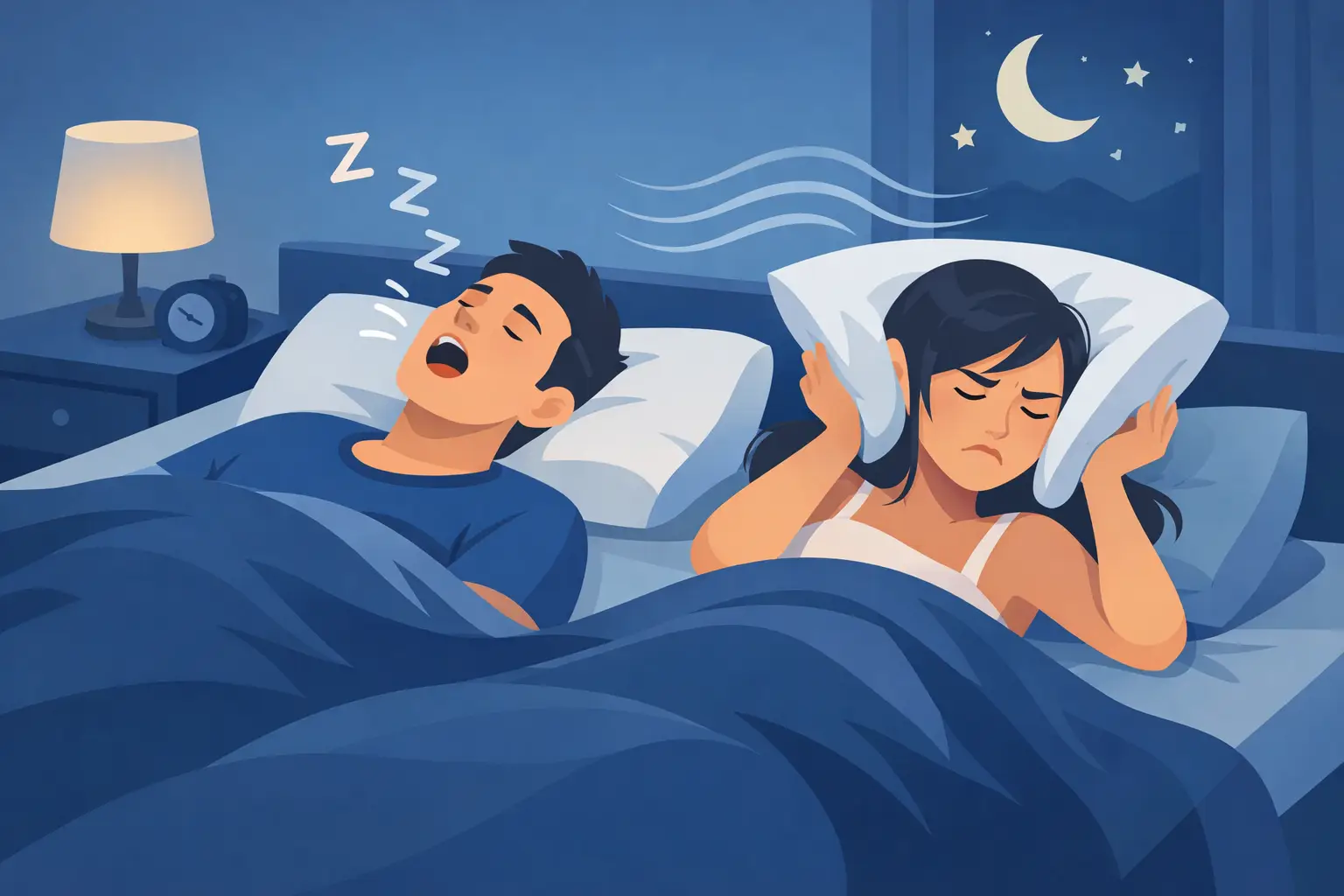
Your partner has nudged you awake again. You are tired of waking with a dry mouth, and the thought of sleeping in a bulky device every night is hardly appealing. When comparing a natural snoring aid vs mouthpiece, the real question is not which option sounds strongest. It is which one addresses your type of snoring comfortably enough for you to use consistently.
Simple snoring can be disruptive, frustrating and surprisingly hard on a relationship. But it is not one single problem with one single answer. Some people snore because their jaw falls back during sleep; others are affected by nasal congestion, alcohol, sleep position, weight changes or relaxed throat tissues. A sensible choice starts with understanding the trade-offs, rather than buying the first product that promises silence.
Natural snoring aid vs mouthpiece: the key difference
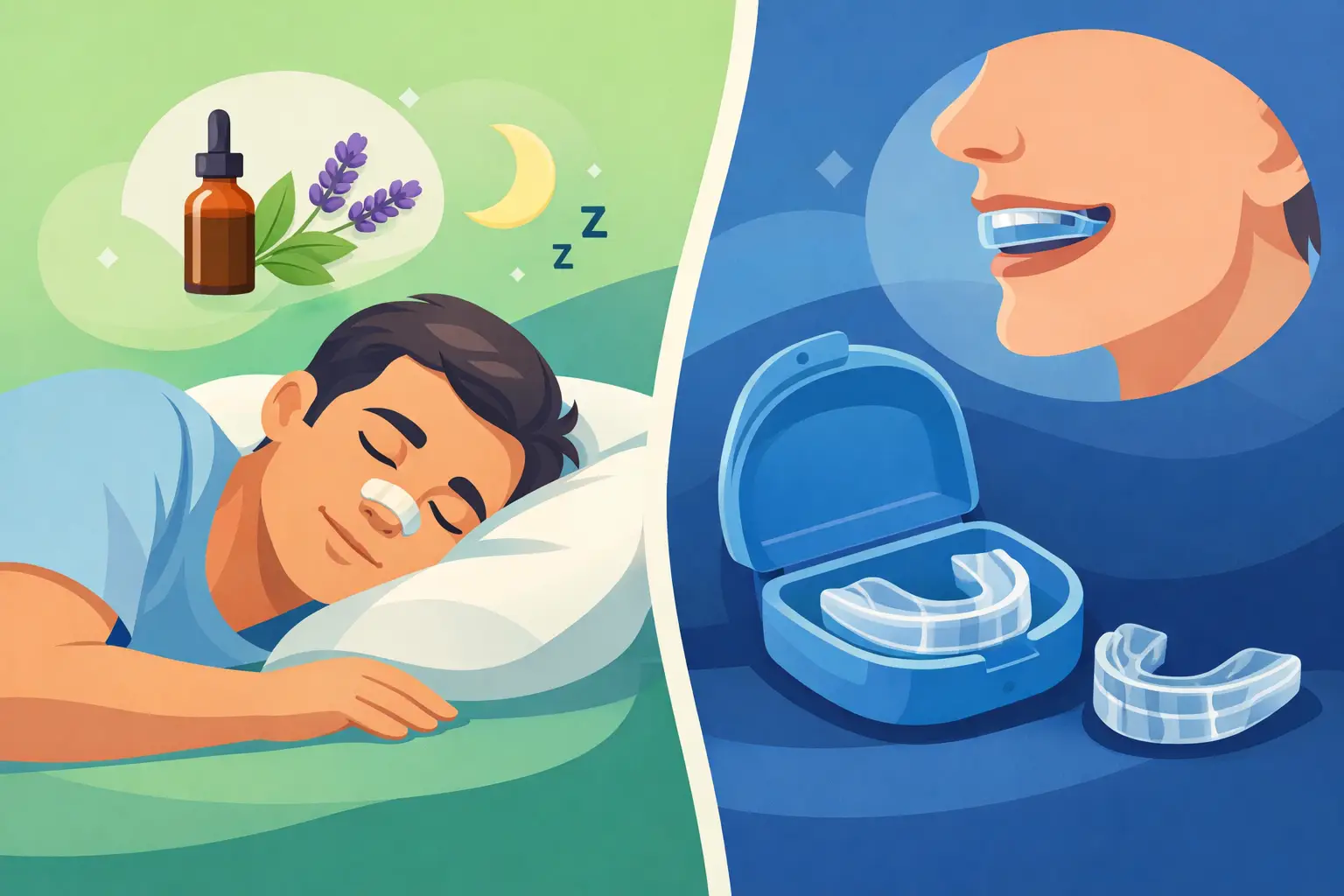
A mouthpiece is a mechanical solution. Most anti-snoring mouthpieces work by holding the lower jaw slightly forward, helping to create more space in the airway. Others hold the tongue forward. In the right circumstances, that can reduce the vibration that creates snoring.
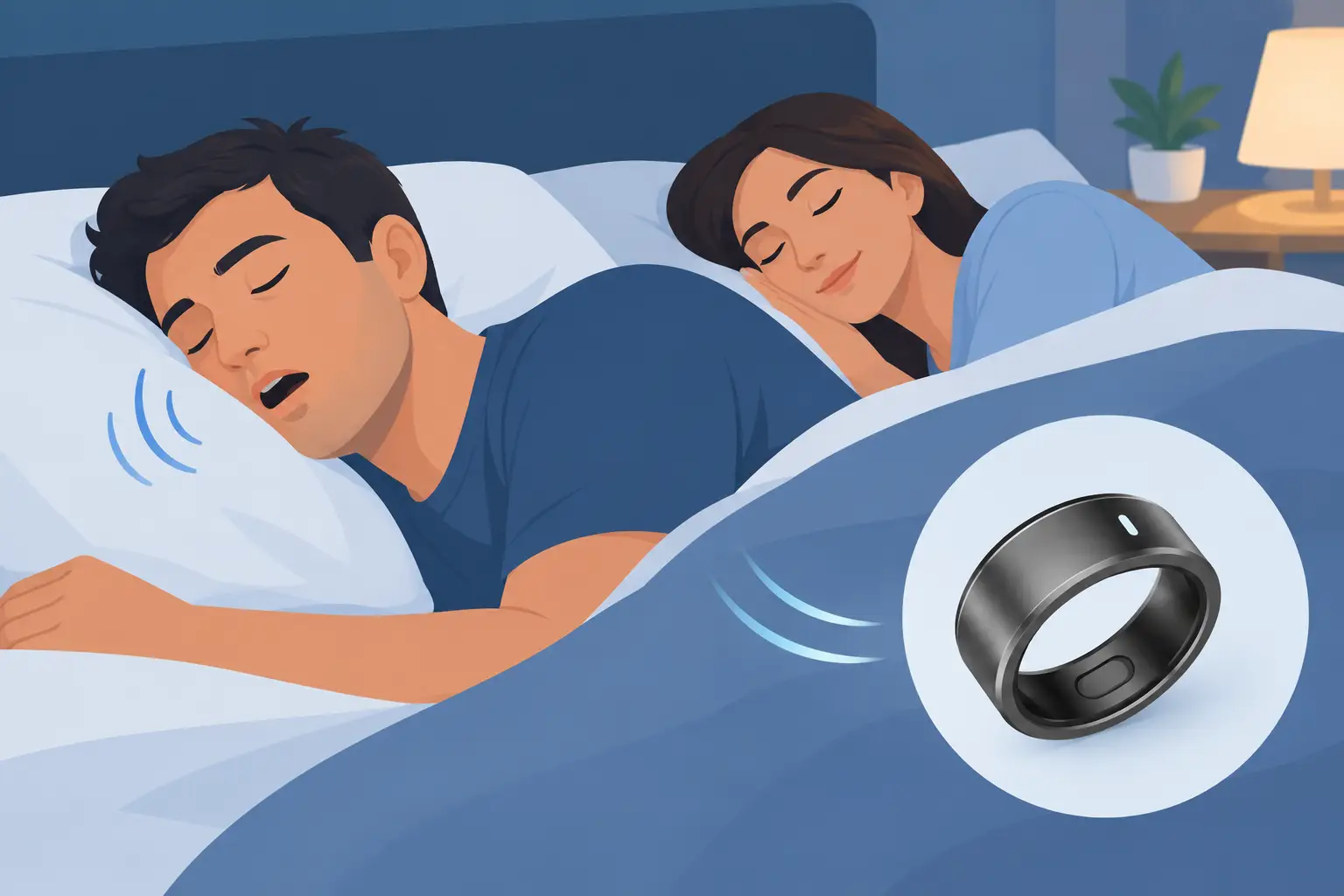
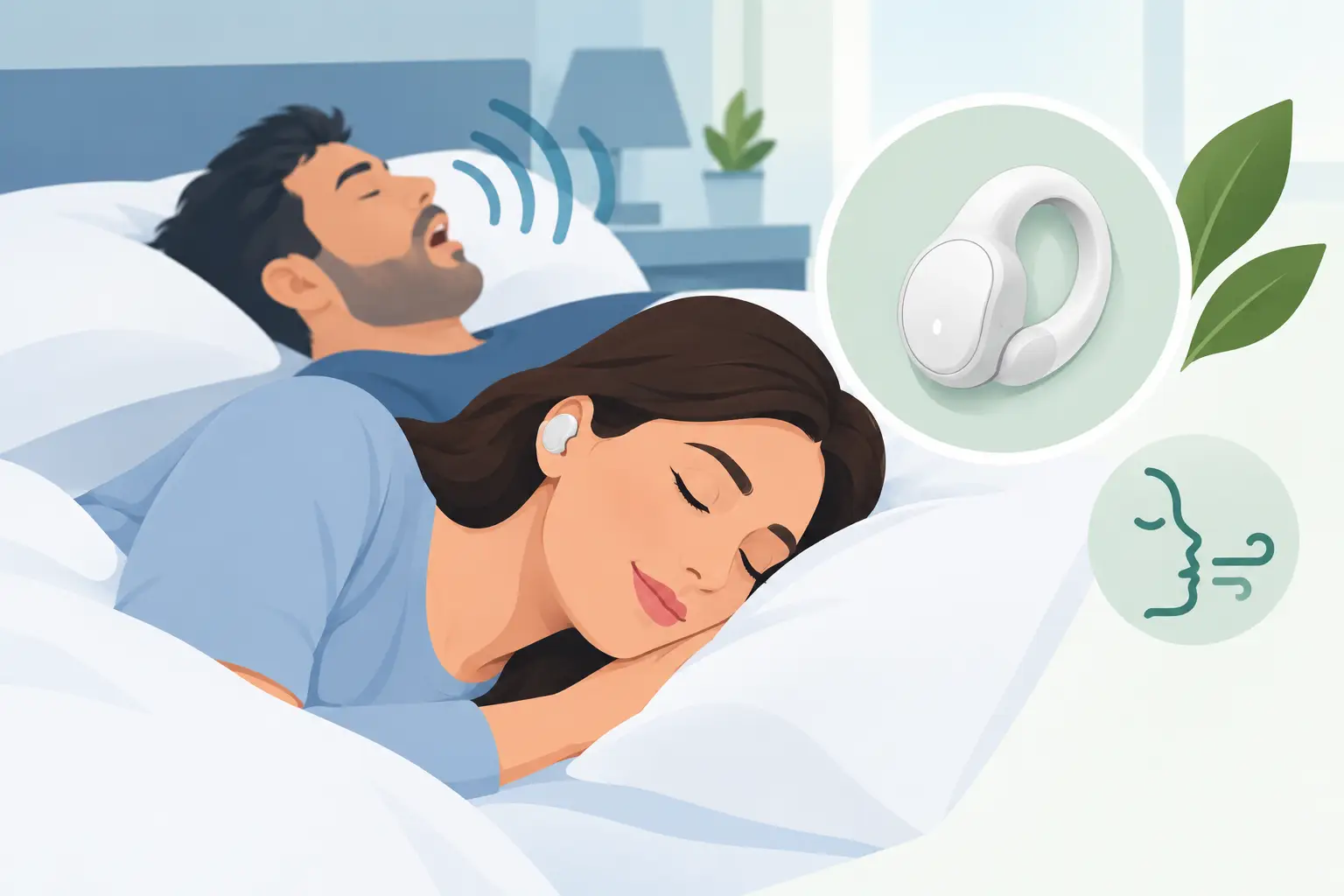
A natural snoring aid usually takes a less intrusive route. The term can cover lifestyle changes, nasal strips, positional supports and wearable acupressure devices. The Good Night Anti-Snoring Ring, for example, is designed to apply pressure to specific points on the little finger while you sleep, without a device inside your mouth.
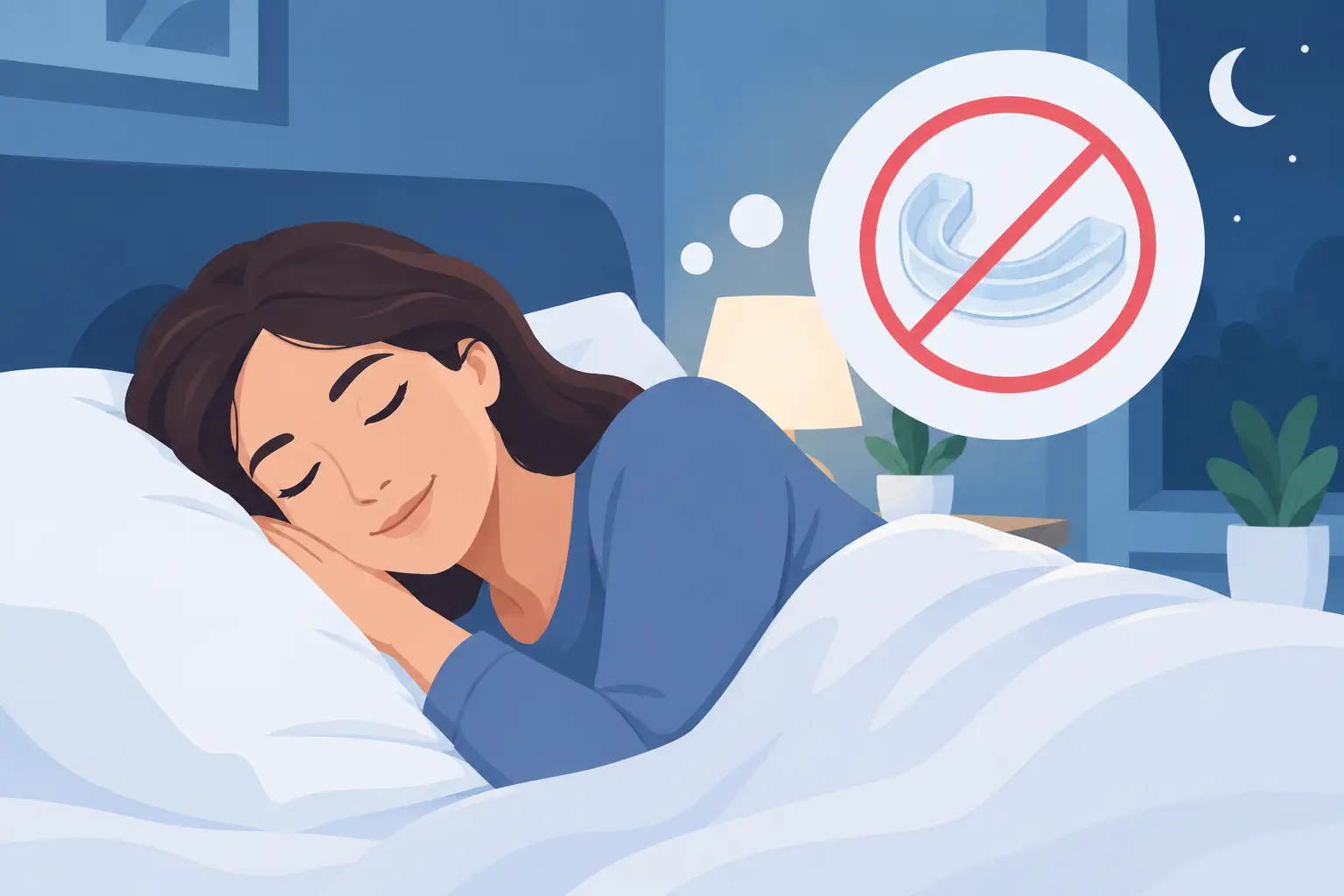
That difference matters at bedtime. A mouthpiece changes the position of your jaw or tongue. A ring is worn on the finger and leaves your mouth free to breathe, speak if needed and wake without the feeling of a guard between your teeth. Neither approach is guaranteed to work for every person, because snoring has different causes. Comfort and suitability should guide the decision.
When a mouthpiece may make sense
A mandibular advancement mouthpiece may be worth considering when snoring is clearly linked to the jaw dropping back as you relax. By bringing the jaw forward, it may reduce airway narrowing for some users. A dentist-fitted appliance can offer a more precise fit than a generic boil-and-bite model, though it is usually more expensive.
The limitation is that mouthpieces demand a fair amount from the wearer. They can feel bulky, particularly during the adjustment period. Some people experience jaw soreness, tooth discomfort, gum irritation, excess saliva or dry mouth. If you have dental work, loose teeth, gum disease, jaw pain or a temporomandibular joint condition, a mouthpiece is not something to choose casually.
Consistency is another issue. A device cannot help from the bedside table. If you remove it halfway through the night because it feels uncomfortable, the potential benefit is lost. For couples already dealing with broken sleep, that trial-and-error period can be discouraging.
A mouthpiece may also be inconvenient for people who travel regularly, have sensitive teeth or simply dislike the sensation of wearing anything in their mouth. That does not make it a poor option. It means the best device on paper is not always the best solution for your nightly routine.
Why some people prefer a natural, non-invasive option
For many snorers, simplicity is the deciding factor. A natural wearable aid can be appealing because there is no moulding process, no jaw repositioning and no need to wake up with a plastic guard in your mouth. You put it on, go to sleep and assess whether it makes a meaningful difference over time.
This is particularly attractive if you have tried nasal strips, sprays or mouthpieces and found them uncomfortable or fiddly. It may also suit people whose partners have raised the issue but who are reluctant to begin with a more invasive solution.
The phrase “natural” should still be treated realistically. It does not mean that an aid will work instantly for everyone, and it should never be used to disguise an unproven promise. A reputable product should explain how it is intended to work, be clear about its limitations and give you enough time to judge it properly. A refund guarantee matters because snoring is personal: the true test is whether you and your partner sleep better.
An acupressure ring is also discreet. It does not require power, medication, sticky adhesive or a complicated bedtime routine. For adults looking for a low-effort first step for simple snoring, those practical advantages can be as valuable as the design itself.
Effectiveness depends on the cause of your snoring
It is tempting to compare products as though one is universally more effective. In reality, the cause of the snoring has more influence than the category of product.
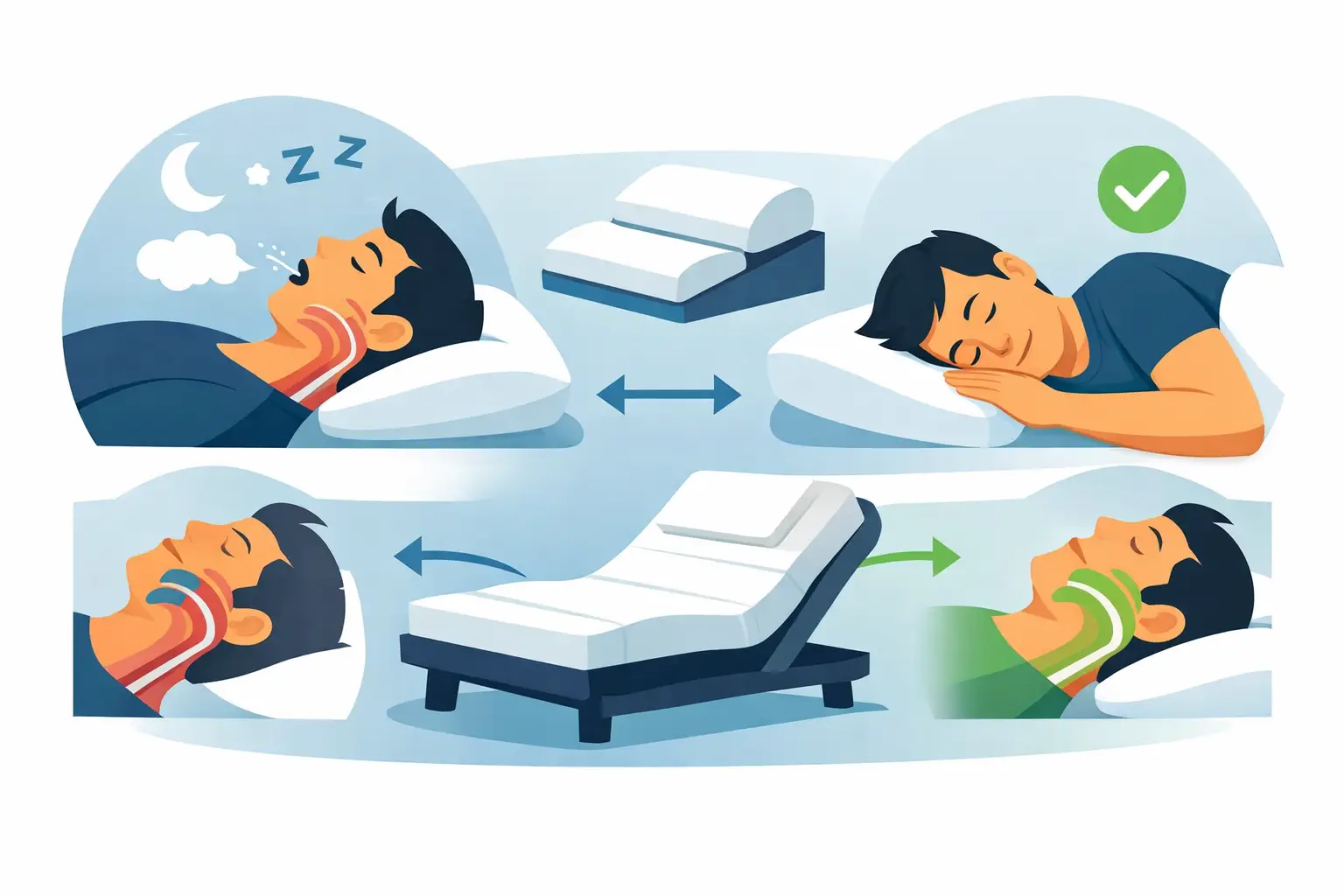
If you only snore after drinking alcohol, when you have a cold or while lying on your back, a few targeted changes may help greatly. Reducing alcohol close to bedtime, treating temporary congestion, maintaining a healthy weight where appropriate and sleeping on your side can all be worthwhile. These measures can also support whatever aid you choose.
If jaw position appears to be the main issue, a properly selected mouthpiece may be useful. If you want a comfortable, drug-free and non-invasive option for simple snoring, a clinically trialed ring may be a better fit. The right answer may even change over time as your health, sleep habits or weight change.
Be wary of one-size-fits-all claims. The original stop snoring ring is designed as a straightforward alternative for simple snoring, but no responsible brand should suggest that a wearable replaces medical assessment where warning signs are present.
Do not mistake loud snoring for a minor issue
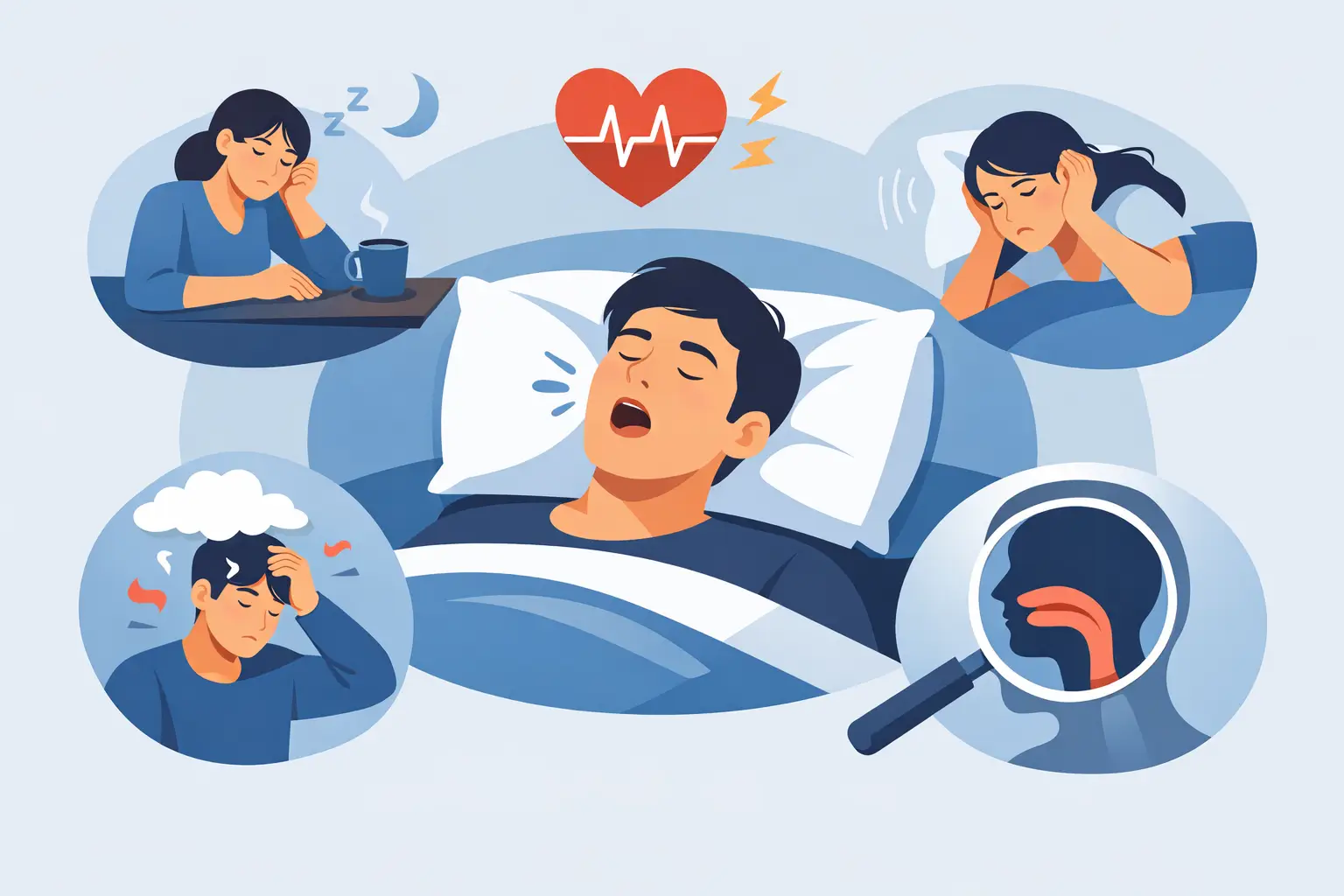
Not all snoring is simple snoring. Loud, persistent snoring can be associated with obstructive sleep apnoea, a condition in which breathing repeatedly stops and starts during sleep. An anti-snoring aid or mouthpiece should not be used to ignore symptoms that need clinical attention.
Speak to your GP if your partner notices pauses in your breathing, gasping, choking or frequent waking. Daytime sleepiness, morning headaches, difficulty concentrating, high blood pressure and waking unrefreshed are also reasons to seek advice. This is especially important if your snoring has become suddenly worse or is affecting your ability to function safely during the day.
A clinician can help identify whether a mouthpiece is appropriate, whether sleep apnoea testing is needed or whether another treatment is more suitable. That is not alarmist. It is the sensible way to protect your health while taking snoring seriously.
How to choose without wasting money
Start with your tolerance for discomfort. If the idea of a mouthguard makes you clench your jaw before you even go to bed, a mouthpiece is unlikely to become a reliable long-term habit. If you have dental concerns, get dental advice before using a jaw-advancing device.
Next, look at the product behind the promise. Does the seller explain who the product is for and who should avoid it? Are claims measured rather than exaggerated? Is there credible clinical trial information where clinical claims are made? Can you return it if it does not suit you? These are practical signs that a company expects to be held accountable.
Finally, give any appropriate option a fair routine. Do not judge it after one restless night, a late meal, a cold or an evening of drinks. Keep a simple note of how often you snore, whether your partner notices a change and how you feel in the morning. A clear pattern is more useful than guesswork.
The better choice is the one you can sleep with
A mouthpiece can be effective for some people, especially where jaw position is a factor, but it comes with fit, dental and comfort considerations. A natural snoring aid offers a gentler route for people who want to avoid medication and bulky mouth devices, although results still depend on the individual and the source of their snoring.
Choose the option that respects both your sleep and your willingness to use it night after night. And if the snoring comes with breathing pauses, gasping or serious daytime fatigue, make your next step a conversation with your GP, not another product trial.