Blog
Single Post
Snoring Ring Before and After Results
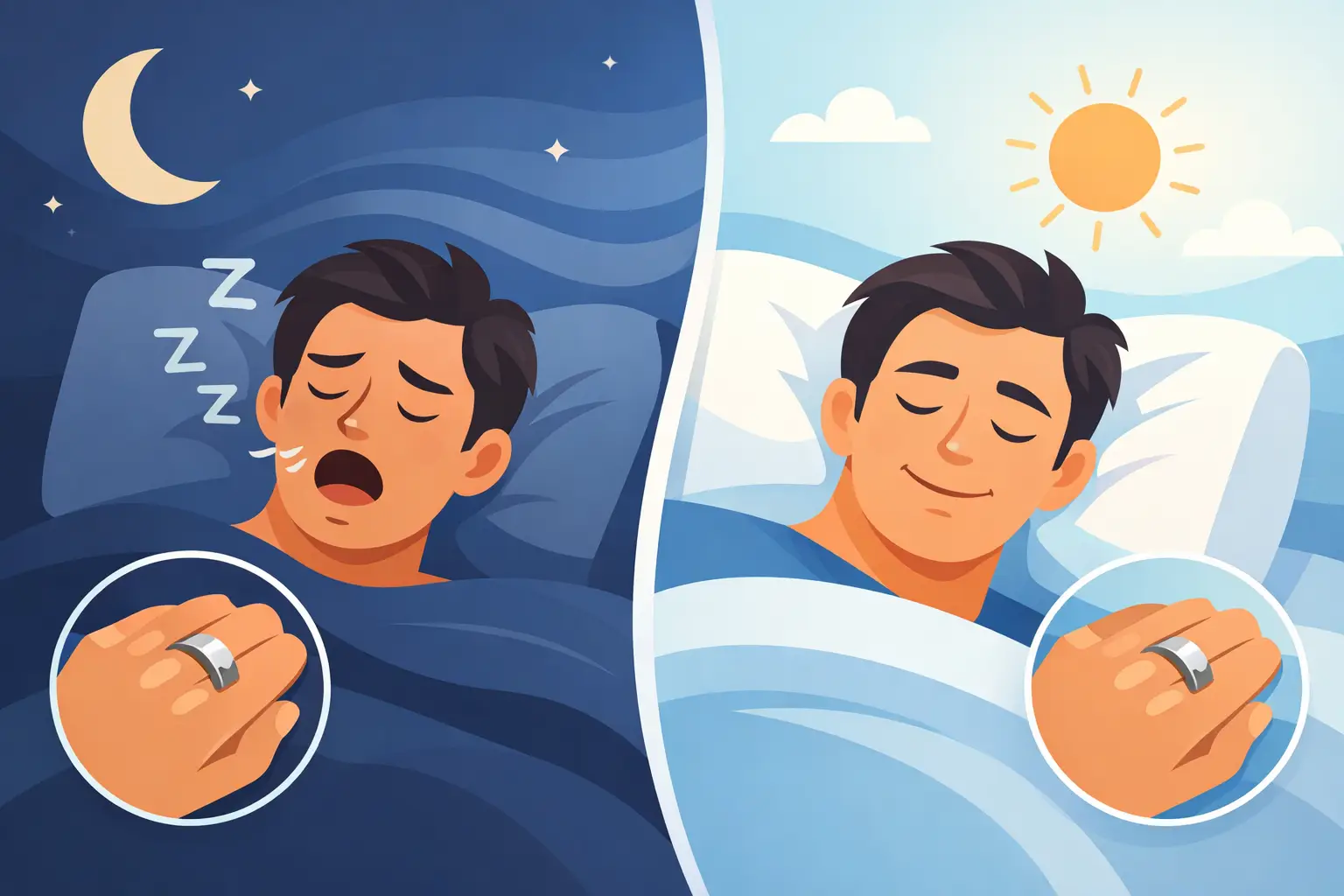
You usually do not start searching for snoring ring before and after stories out of curiosity. You start because someone is nudging you at 2am, moving to the spare room, or waking up more tired than they should after a full night in bed. If that sounds familiar, the real question is not whether anti-snoring products exist. It is what kind of change you can realistically expect, and how quickly.
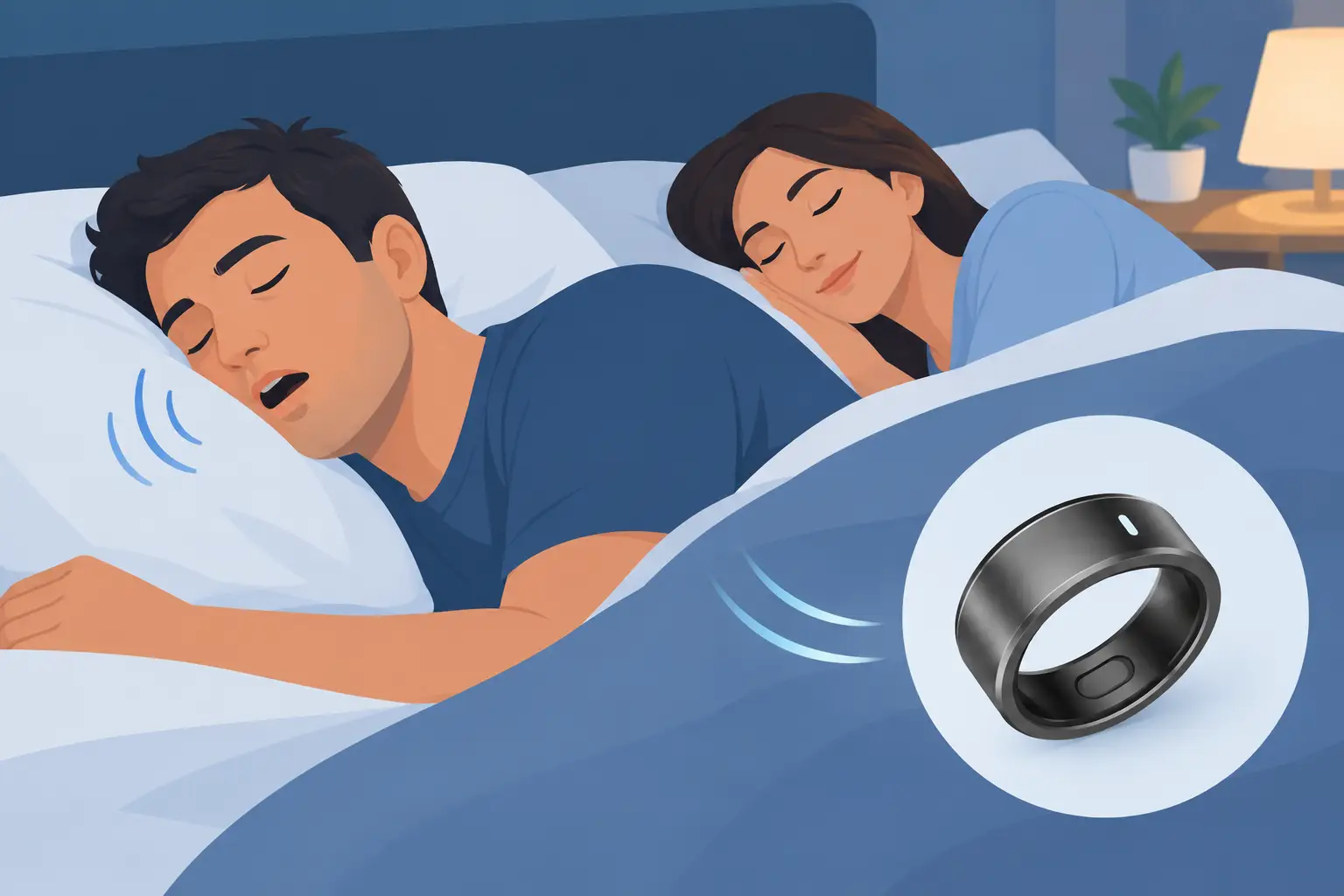
A snoring ring appeals to people for one simple reason: it does not ask you to sleep with a bulky mouthguard, tape your mouth shut, or rely on tablets. It is a small wearable, designed to sit on the little finger and apply pressure to specific points through the night. For people with simple snoring, that can be enough to reduce vibration in the airway and make nights noticeably quieter.
What snoring ring before and after really means
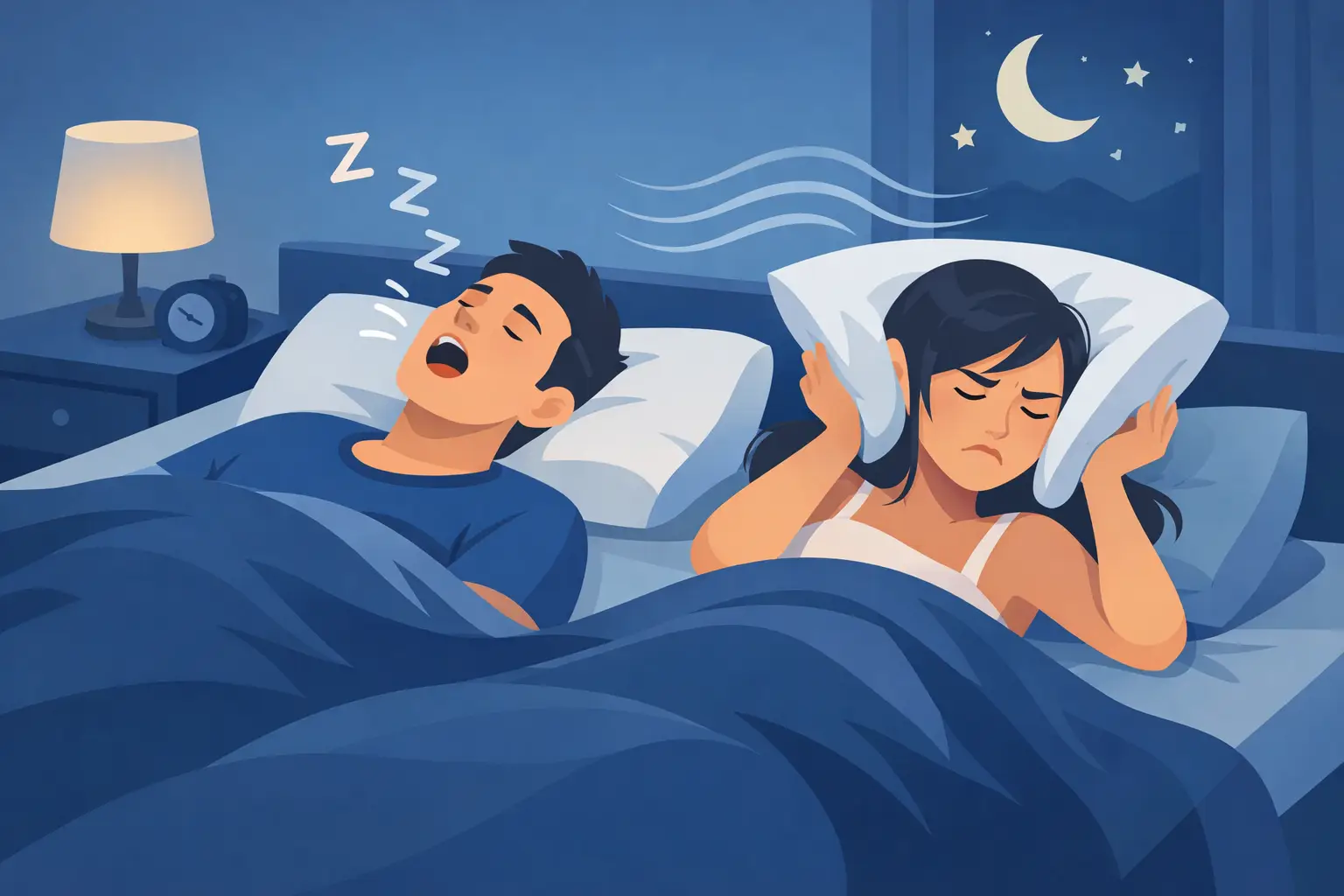
When people picture before and after, they often imagine a dramatic overnight transformation. Sometimes that happens. More often, the change is practical rather than theatrical. Before, the snoring may be loud enough to wake a partner several times a night, cause irritation, or lead to poor-quality sleep. After, the snoring may stop completely, or it may reduce to a level that no longer dominates the bedroom.
That distinction matters. A good anti-snoring solution does not need to create a miracle story to be worthwhile. If it helps a couple sleep through the night, cuts down repeated waking, and removes the nightly battle over noise, that is a meaningful result.
With a clinically trialled snoring ring, the improvement people notice tends to fall into three broad patterns. Some get fast relief within the first few nights. Some need a short adjustment period while they get used to wearing the ring properly. And some do not get the outcome they hoped for because their snoring has a more complex cause.
What changes people often notice first
The first “after” result is not always silence. In many cases, it is reduced intensity. A partner may notice the snoring is softer, less frequent, or starts later in the night. The wearer may notice they wake feeling less dry-mouthed, less groggy, or less aware of broken sleep.
That is often how progress starts. Quieter nights lead to fewer interruptions, and fewer interruptions lead to better rest. For couples, that alone can feel like a major shift.
There is also a comfort factor that should not be overlooked. Many people who have already tried anti-snoring aids are tired of uncomfortable solutions. A ring is discreet, simple to wear, and does not force the jaw into position or leave the user feeling as though bedtime has become a medical procedure. That ease of use is part of the before and after story because a product only works if people actually keep using it.
Before: common frustrations
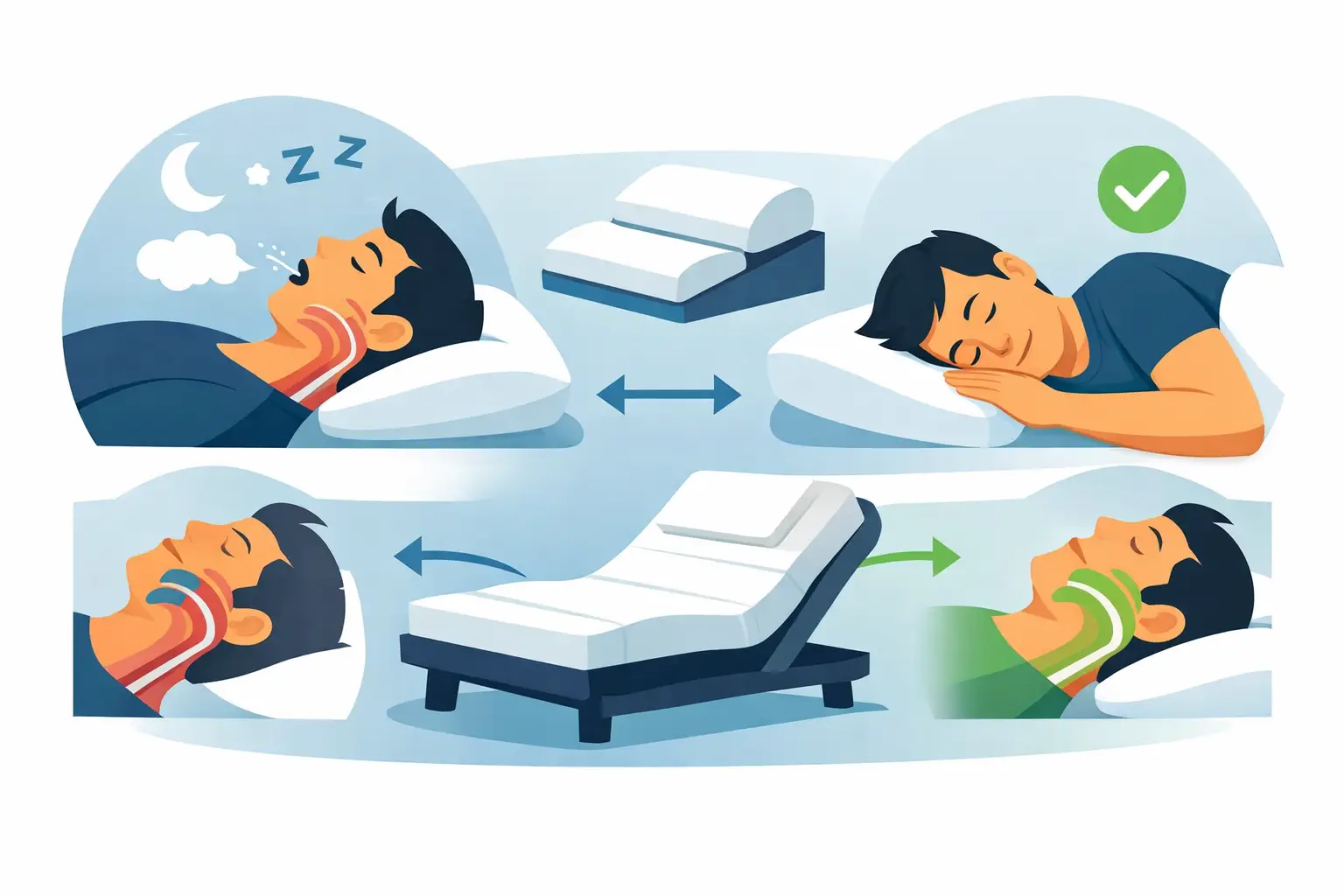
Before trying a snoring ring, people often describe a familiar pattern. They may have tested sprays, nasal strips, mouthpieces, or positional tricks with mixed results. Their partner may be more frustrated than they are. There can be embarrassment, denial, and a sense that every “solution” is either awkward, expensive, or too uncomfortable to stick with.
That is why a non-invasive option tends to stand out. It feels manageable from the first night, which lowers resistance and gives people a real chance to judge results properly.
After: the most realistic wins
After using a snoring ring consistently, the most believable results are usually straightforward. The bedroom is calmer. Partners sleep more deeply. The snorer is nudged less often. Bedtime feels less tense. Those are not flashy claims, but they are exactly what many households want.
If snoring stops altogether, even better. But reduced disruption is still a strong outcome, especially for people who have already spent money on products that ended up in a drawer after three nights.
How quickly can a snoring ring work?
For simple snoring, some people notice a difference on the first night. Others need several nights of consistent use before they can judge whether the change is real. It helps to think in terms of one to two weeks rather than one perfect night.
That is because snoring is not identical every evening. Alcohol, sleep position, congestion, tiredness, and body weight can all affect how much someone snores. If one night is particularly quiet, that does not automatically prove the ring is working. Equally, one noisy night does not prove it is not.
The most honest way to assess before and after is to look for a pattern. Is your partner reporting fewer interruptions across the week? Are there longer stretches of quiet sleep? Is the overall volume lower? Those changes matter more than a single dramatic result.
Who is most likely to see strong before and after results?
A snoring ring is generally best suited to adults with simple snoring who want a natural, wearable solution. It is especially attractive to people who dislike mouthguards or want something discreet enough to make part of a normal bedtime routine.
People who tend to get the best value from this kind of product are often those who want comfort and consistency, not complexity. They are looking for the original stop snoring ring rather than a cheap imitation, and they want evidence behind the design, not guesswork.
That said, not all snoring is the same. If snoring is linked to sleep apnoea or other medical issues, a ring may not be the right answer on its own. That is not a weakness in the product. It is simply the truth. Honest sleep wellness brands should say so clearly.
Why results vary from person to person
This is the part many brands skip, but it matters. A snoring ring does not work for everyone. The reason is simple: snoring has different causes.
For some people, simple snoring responds well to acupressure-based support. For others, factors such as significant nasal obstruction, severe airway collapse, or an underlying sleep disorder mean the snoring is more stubborn. Lifestyle factors can play a part too. Drinking alcohol late in the evening, sleeping flat on the back, or carrying excess weight can all reduce how dramatic the change feels.
That is why “before and after” should never be sold as a guaranteed identical outcome for every customer. The better promise is lower risk. A clinically trialled product, backed by a proper guarantee, gives people the chance to test it honestly at home instead of gambling on another gimmick.
What to look for in a credible snoring ring
If you are comparing options, the biggest difference is not usually appearance. It is legitimacy. In a market full of copycats, that matters.
A credible snoring ring should be clinically trialled, clearly explained, and sold with confidence rather than hype. It should also come from a brand willing to stand behind the product with a money-back guarantee. That tells you they expect real users to see real results, while still acknowledging that no anti-snoring solution is universal.
Good Night Health positions its ring in exactly that space: the original clinically trialled stop snoring ring, designed for people who want a simple, non-invasive answer without the hassle of bulkier devices.
How to judge your own before and after fairly
The best way is to keep it practical. Use the ring consistently for a short trial period and pay attention to what changes in the room, not just what you hope to hear. Ask your partner whether the snoring is quieter, less frequent, or shorter in duration. Notice whether either of you wakes less often. Pay attention to whether you both feel better in the morning.
You do not need a spreadsheet. You just need a fair test. If nights become calmer and more restful, that is your after.
And if there is no meaningful improvement, a trustworthy brand should not make you feel trapped. That is where a full refund guarantee matters. It turns the decision from a leap of faith into a sensible trial.
The real value of a better after
The strongest before and after result is not a clever testimonial line. It is what happens when bedtime stops being a source of frustration. When one person no longer lies awake listening. When the other is not being shaken awake or told to roll over. When couples can share a room without negotiating around snoring.
That is why this category matters. Better sleep is not just about noise. It is about mood, patience, energy, and the basic relief of getting through the night properly.
If you are weighing up whether to try a snoring ring, look past exaggerated promises and focus on what you actually need: a comfortable, clinically supported option that gives simple snoring a genuine chance to improve. Sometimes the most valuable after is not dramatic at all. It is just a quiet room, a sleeping partner, and a morning that feels normal again.